
Are you an indoor gardening enthusiast looking to add some fresh flavor to your cooking? Or perhaps you’re a busy cook seeking to grow your own herbs without sacrificing precious outdoor space? Either way, learning how to care for basil indoors is a must-know skill. Not only can it save you money on store-bought herbs, but it also allows you to enjoy the benefits of homegrown goodness year-round.
In this article, we’ll dive into the world of indoor basil cultivation, covering everything from choosing the right variety to propagating new plants with ease. We’ll share expert tips on lighting, watering, and fertilizing your basil plants to ensure a bountiful harvest and healthy growth. By the end of it, you’ll be equipped with all the knowledge needed to grow luscious, fragrant basil in the comfort of your own home – perfect for soups, salads, pesto sauces, and more!
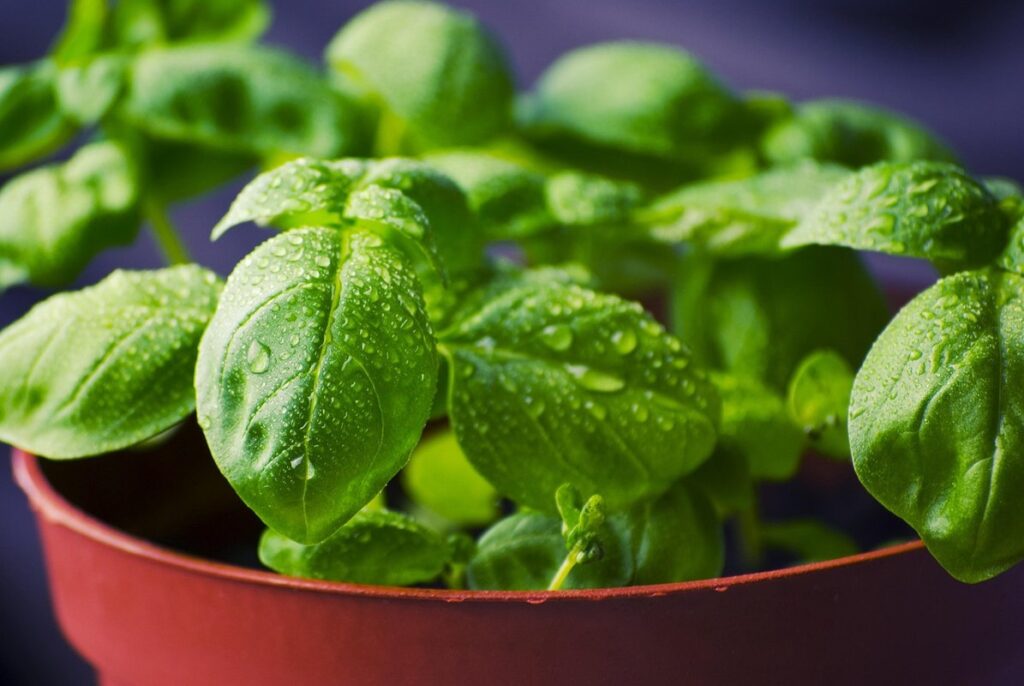
Choosing the Right Basil Variety
When growing basil indoors, selecting the right variety is crucial for its flavor and fragrance. Let’s take a look at some of the most popular types to choose from.
Understanding Basil Types
There are numerous basil varieties to choose from when it comes to growing indoors. Understanding these differences is essential to ensure you select a type that thrives in your specific environment and meets your cooking needs.
Sweet basil, the most commonly grown variety, has a sweet, slightly spicy flavor and fragrance. It’s ideal for pesto, caprese salads, and other Italian-inspired dishes. Sweet basil grows relatively quickly, producing numerous leaves within 60-90 days.
Thai basil, with its distinctive licorice-like flavor, is perfect for Asian-style cuisine. Its leaves are narrower and have a more delicate texture than sweet basil. Thai basil requires slightly warmer temperatures to grow well indoors.
Lemon basil offers a bright, citrusy flavor and aroma, making it ideal for dishes like seafood or salads. It grows slower than sweet basil but produces more fragrant leaves.
When selecting a basil variety for indoor growth, consider the space you have available, the desired growth rate, and the type of cuisine you enjoy. Most basil varieties require similar growing conditions: bright light, moderate temperatures (65-75°F), and consistent watering.
Selecting Basil for Indoor Growing
When selecting basil for indoor growing, it’s essential to consider several factors to ensure your plant thrives. First and foremost, think about the climate adaptability of the variety you choose. Some basil types, such as ‘Genovese’ and ‘Sweet Basil’, are more tolerant of cooler temperatures and can do well in conditions with low humidity. On the other hand, varieties like ‘Thai Basil’ and ‘Lemongrass Basil’ prefer warmer temperatures and higher humidity levels.
Another crucial factor to consider is pest resistance. Look for basil varieties that have natural defense mechanisms against common pests like aphids, whiteflies, and spider mites. For example, ‘African Blue Basil’ has a unique trait that makes it less susceptible to these pests.
Finally, ease of cultivation is also an important consideration. Some basil varieties are more challenging to grow than others, requiring more attention and maintenance. Choose a variety like ‘Napoletano’, which is known for its compact growth habit and ease of pruning, making it perfect for indoor growing. By considering these factors, you can select the best basil variety for your indoor growing needs.
Preparing the Perfect Environment
To grow healthy basil indoors, you’ll first need to create a suitable environment that meets its basic needs. This includes selecting the right location and lighting for your basil plants.
Lighting Requirements for Basil Indoors
Providing your basil plant with adequate lighting is crucial for its growth and health. Indoor conditions can be challenging for plants to obtain sufficient light, which can lead to weak and spindly stems. To combat this, you have a few options: using LED grow lights or taking advantage of natural light.
LED grow lights are an excellent choice as they provide intense light with minimal heat production. They come in various spectrums, including ones specifically designed for leafy greens like basil. When choosing LED grow lights, look for models that emit 20-40 watts per square foot to ensure your plant receives the necessary amount of light.
Natural light is also an option if you have a sunny windowsill or a skylight. However, even south-facing windows may not provide enough direct sunlight during winter months when the sun’s rays are weaker. Consider supplementing natural light with LED grow lights for optimal results. Place your basil plant at least 6-8 inches away from any light source to prevent burning its leaves.
Temperature and Humidity Control
Maintaining optimal temperature and humidity levels is crucial for basil growth indoors. Most basil varieties thrive in temperatures between 65°F to 75°F (18°C to 24°C), with ideal conditions around 70°F (21°C). However, if you live in a region with colder winters, you can grow basil year-round by providing supplemental heat.
Air circulation is also vital for preventing fungal diseases that thrive in humid environments. To achieve this, ensure good air movement within your growing space by keeping the basil plants at least 6-8 inches away from each other and any walls. If possible, position your indoor garden near a window with a gentle breeze or use a fan to circulate the air.
Humidity levels should be kept between 40% to 60%. You can monitor these levels using a hygrometer. In dry environments, consider using a humidifier to maintain optimal humidity. Conversely, in extremely humid conditions, you may need to use an air purifier or dehumidifier to prevent fungal growth.
When placing your basil plants near heating vents, be mindful of the temperature fluctuations and potential scorching from direct heat. To mitigate this, position your plants at least 3-4 feet away from any heating sources. By controlling these factors, you’ll create an environment that fosters healthy basil growth indoors.
Planting and Watering Techniques
To grow healthy basil indoors, you’ll want to focus on proper planting and watering techniques, which we’ll cover in detail next. This will ensure your plants thrive under indoor conditions.
Seed Starting and Transplanting
Starting basil seeds indoors can be a bit tricky, but with the right techniques, you’ll be on your way to growing a healthy and fragrant basil plant. Begin by preparing the seeds for sowing. Basil seeds are tiny and require a gentle touch; make sure to handle them carefully to avoid damaging or crushing them.
To start, fill a small seed starting tray or pots with a good quality potting mix specifically designed for indoor seedlings. Moisten the mix, but make sure it’s not too wet as this can cause the seeds to rot. Sow 2-3 basil seeds about ¼ inch deep in each cell or pot, and then cover them with a thin layer of the mix.
Transplanting is an essential step when growing basil indoors. Wait until your seedlings have at least two sets of leaves before transplanting them into individual pots or a larger container. Harden off the seedlings by gradually exposing them to outdoor conditions over the course of 7-10 days, and then plant them in well-draining soil with plenty of sunlight. Water thoroughly after transplanting to prevent shock. With proper care, your basil plants should thrive indoors.
Watering Strategies for Healthy Basil Plants
Proper watering habits are crucial for maintaining healthy indoor basil plants. Signs of over-watering can be quite distinct: yellow leaves, droopy stems, and a soft, mushy texture to the leaves. Conversely, under-watered basil may appear wilted with crispy or brittle leaves that often drop off easily.
To avoid these issues, aim to maintain optimal moisture levels by adjusting your watering schedule based on temperature and humidity fluctuations in your home. A good rule of thumb is to water your basil plants when the top 1-2 inches of soil feels dry to the touch. This ensures roots receive adequate hydration without risking root rot from excessive moisture.
For example, during warm summer months or in humid environments, reduce watering frequency to prevent over-saturation. Conversely, in cooler winter conditions or dry climates, increase watering to compensate for lower atmospheric humidity levels. Monitor your basil plants closely and adjust your watering schedule accordingly to achieve that perfect balance.
Fertilizing and Pruning Your Basil Plant
To keep your basil plant thriving indoors, you’ll want to know when and how to fertilize it, as well as when to prune its leaves for optimal growth.
Nutrient Requirements for Basil Growth
For basil to thrive indoors, it requires essential nutrients that promote healthy growth. A balanced fertilizer with an NPK (nitrogen-phosphorus-potassium) ratio is crucial for nutrient uptake. Organic fertilizers like fish emulsion or compost tea provide a gentle boost of nutrients without burning the roots. However, synthetic fertilizers can be more concentrated and convenient, but their use should be monitored to avoid over-fertilization.
A balanced fertilizer with an NPK ratio of 20-5-20 is ideal for basil growth, providing adequate nitrogen for leaf production, phosphorus for root development, and potassium for overall plant health. Organic options like worm casting or manure tea can also provide a slower release of nutrients. When using synthetic fertilizers, start with a lower concentration (around half the recommended dose) to prevent scorching the leaves.
It’s essential to remember that indoor basil plants require less fertilizer than those grown outdoors due to limited root growth and reduced soil volume. Regular watering and monitoring of nutrient levels can help prevent over-fertilization and promote healthy growth.
Pinching, Trimming, and Harvesting Techniques
When it comes to encouraging bushy growth and maximizing leaf production, pruning and pinching techniques are essential. To promote a fuller plant, pinch off the top set of leaves when your basil reaches 6-8 inches tall. This will redirect energy towards developing lateral branches, resulting in a more compact plant.
To trim your basil, use sharp scissors or pinch off individual leaves to maintain shape and encourage new growth. Remove any flower buds that form, as they’ll divert energy from leaf production. For continuous harvests, regularly remove lower leaves as they turn yellow, allowing the upper leaves to receive maximum sunlight.
For optimal results, prune your basil plant when it’s at its most vigorous. This is usually during the morning or late afternoon when the plant is at its peak water content. Remember to always use clean tools to prevent transferring diseases between plants. With regular pruning and pinching, you’ll be enjoying a lush, healthy basil crop all season long.
By incorporating these simple techniques into your routine, you’ll be rewarded with a more productive and visually appealing indoor basil plant.
Common Pests and Diseases Affecting Basil Indoors
As you grow your basil indoors, it’s not uncommon for pests or diseases to show up uninvited. In this section, we’ll cover some of the most common culprits and how to prevent them.
Identifying Common Indoor Pests
As an indoor basil plant owner, it’s essential to be aware of common pests that can infest your plants. Spider mites, mealybugs, and aphids are some of the most prevalent indoor pests that can cause damage to your basil plants.
Spider mites are tiny, spider-like insects that feed on plant sap, causing yellowing or bronzing of leaves. They thrive in warm temperatures and low humidity. Check for fine webbing on leaves and stems; if you notice it, it’s likely a spider mite infestation. To prevent them, ensure good air circulation around your plants and maintain a humid environment.
Mealybugs are small, white, cottony insects that secrete honeydew, attracting ants and promoting fungal growth. They can be found on the undersides of leaves or stems. If you notice a sticky substance on your plant’s leaves or a cottony appearance, inspect closely for mealybugs. To get rid of them, use neem oil or insecticidal soap according to the product instructions.
Aphids are small, soft-bodied insects that feed on sap, causing curled or distorted leaves. They can spread diseases between plants. Check for clusters of aphids on stems and leaves. Use a strong jet of water to remove aphids, followed by neem oil or insecticidal soap treatment to prevent re-infestation.
Preventing these pests requires regular monitoring and good hygiene practices: Inspect your plants regularly, keep your indoor garden clean, and maintain proper air circulation to discourage pest infestations.
Managing Fungal and Bacterial Infections
Managing fungal and bacterial infections is crucial to keeping your indoor basil plants healthy. Fungal diseases are often recognized by their distinctive symptoms: yellowing leaves, black spots, and a fuzzy growth on the affected areas. Root rot, caused by overwatering or poor drainage, can be identified by soft, mushy stems and a sour smell.
To address these issues, reduce watering to once a week and ensure proper air circulation around your plants. Remove any infected leaves or stems, and treat the plant with a fungicide specifically designed for indoor gardens. For root rot, repot the affected basil in fresh potting mix, making sure the soil is well-draining.
Bacterial diseases like powdery mildew can be identified by a white, powdery coating on the leaves. To prevent this disease, avoid overwatering and ensure good air circulation around your plants. Treat infected areas with a bacterial fungicide or neem oil solution. For long-term prevention, maintain a balanced fertilizer routine and monitor for pests like aphids and spider mites that can spread diseases.
By taking these steps, you’ll be able to manage fungal and bacterial infections effectively and keep your basil plants thriving indoors.
Propagating Basil Indoors
To successfully propagate basil indoors, you’ll need to understand how to take cuttings and root them using a few simple tools and techniques that are easy to follow.
Water Rooting vs. Stem Cuttings
When it comes to propagating basil indoors, you have two popular methods: water rooting and stem cuttings. Both techniques can be effective, but they require different approaches and conditions.
Water rooting involves placing the basil stems into a container of water, where roots will develop over time. This method is ideal for small-scale propagation and can be done in as little as 3-5 days. To try water rooting, simply remove lower leaves from the stem, place it in a jar or glass filled with room temperature water, and keep it in a bright location but out of direct sunlight. Replace the water every few days to prevent bacterial growth.
On the other hand, stem cuttings are more suitable for larger quantities of basil plants. You’ll need to trim 4-6 inch long sections from mature basil stems, making sure each section has at least two sets of leaves. Dip the cut end in rooting hormone powder or liquid to promote root development and plant them in a well-draining potting mix. Keep the soil consistently moist but not waterlogged. Water rooting tends to be more successful than stem cuttings for indoor basil propagation, but both methods can yield positive results with proper care.
Keep in mind that temperature fluctuations and light exposure can significantly impact your chances of success with either method. To increase the likelihood of successful propagation, choose healthy stems with no signs of disease or pests, and maintain a consistent environment for the cuttings to develop roots. With patience and attention to detail, you should be able to successfully propagate basil indoors using either water rooting or stem cuttings.
Tips for Successful Basil Division
Dividing mature basil plants is an essential step to promote healthy growth and encourage new leaf production. As your basil plant reaches maturity, it’s natural for the stems to become leggy and the leaves to lose their flavor. By dividing these plants, you can rejuvenate them and create new ones with a better structure and more vibrant color.
To divide your mature basil plant, start by gently removing it from its pot. If the roots have grown too large for the container, consider repotting it into a larger one first to prevent any damage during division. Begin by identifying the individual stems or shoots that make up the plant, and separate them carefully using a sharp, clean knife.
When dividing your basil plant, aim to separate the stems about 1-2 inches apart. This will allow each new section to grow as a separate plant with its own roots. Be careful not to damage any of the delicate roots or leaves during this process. Once divided, gently place each new section into a small pot filled with moistened seed starting mix or a well-draining potting soil.
Make sure to water your newly divided basil plants thoroughly after transplanting them and provide them with bright, indirect light. Keep the soil consistently moist but not waterlogged, as this can lead to root rot and other problems. Within a few weeks, you should start seeing new growth on each of these sections, including fresh leaves and potentially even flowers.
One key thing to keep in mind when dividing your basil plant is that it’s best done during the spring or early summer months, when the weather is mild and there’s plenty of daylight. This allows the newly divided plants to establish themselves before the heat of summer arrives.
Frequently Asked Questions
How Often Should I Water My Indoor Basil Plant for Optimal Growth?
Water your indoor basil plant when the top 1-2 inches of soil feel dry to the touch. This is usually every 2-3 days during hot weather, but can be less frequent in cooler environments. Keep an eye on your plant’s specific needs and adjust accordingly to avoid overwatering.
What’s the Best Way to Prune My Basil Plant for Continuous Harvests?
To encourage continuous growth and prevent flowering, pinch off flower buds as they form. Regular pruning also helps maintain a bushy shape and promotes healthy growth. Remove any weak or spindly stems, and trim back leggy growth to about one-third of its length.
Can I Grow Basil Indoors Without Providing Direct Sunlight?
While basil loves direct sunlight, it can tolerate low-light conditions with proper care. Place your indoor basil plant near a north-facing window or use grow lights to supplement natural light. Keep in mind that reduced light may affect flavor and aroma.
How Do I Know if My Indoor Basil Plant Has Been Infected by Fungal or Bacterial Diseases?
Common signs of infection include yellowing leaves, black spots, or white powdery patches on the surface of leaves. Inspect your plant regularly for these symptoms, and treat promptly with fungicides or bacterial treatments to prevent further damage.
Can I Use Regular Potting Soil for My Indoor Basil Plant, or Do I Need a Specialized Mix?
While regular potting soil can work in a pinch, it’s recommended to use a well-draining potting mix specifically designed for herbs. This type of soil will help prevent root rot and ensure optimal nutrient uptake for your basil plant.