
As a gardener, you’re probably no stranger to the thrill of watching your seeds sprout into healthy seedlings. But when it comes time to transplant them from their pots to bigger containers or directly into the ground, things can get tricky. A successful transplant is crucial for the health and growth of your plants, but it’s easy to make mistakes if you’re not prepared. That’s why we’ve put together this comprehensive guide on transplanting seedlings – to help you prepare, choose the right techniques, and provide the necessary post-transplant care to ensure your seedlings thrive in their new environment. Whether you’re a seasoned green thumb or just starting out, this article will walk you through everything you need to know to successfully transplant your seedlings for healthy growth.
Preparing Your Seedlings for Transplant
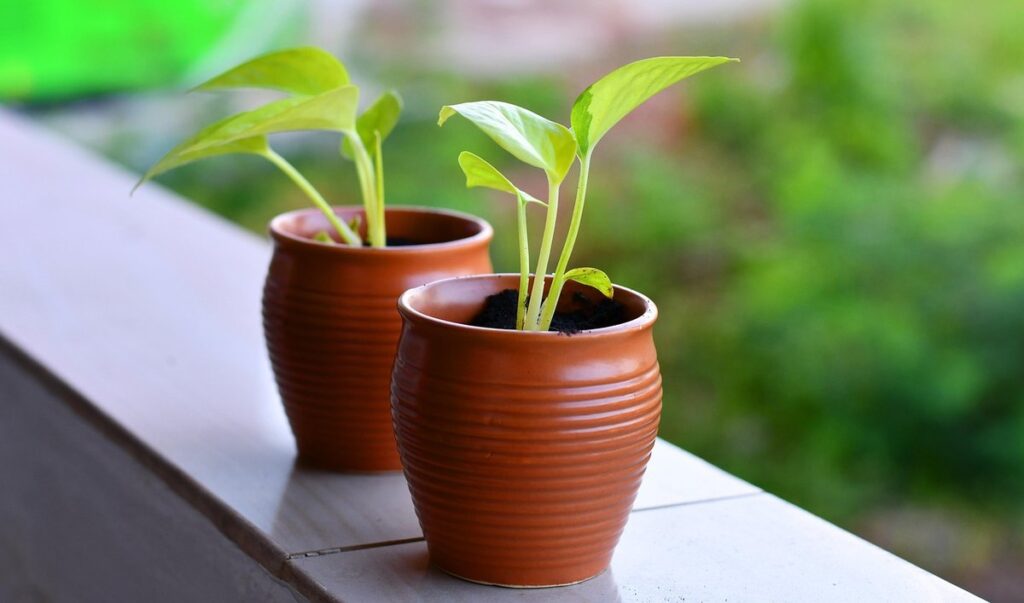
Now that you’ve got your seedlings growing, it’s time to think about giving them a bigger home: preparing them for transplant is crucial for their survival. This section covers essential steps to ensure a smooth transition.
Choosing the Right Time to Transplant
When it comes to transplanting seedlings, timing is everything. You want to ensure that you’re giving them the best chance to thrive after they’ve been moved from their original potting mix to a larger container or directly into the garden.
The ideal time for transplanting depends on several factors, including weather conditions and the age of your seedlings. If it’s been raining consistently, it may be better to wait until the soil has dried out slightly to avoid shocking your seedlings with excess moisture. Conversely, if it’s been extremely dry, you’ll want to water them thoroughly before transplanting.
As a general rule, most seedlings are ready for transplanting when they have 2-3 sets of leaves and their roots have filled the container. For example, if you’re growing tomatoes or peppers from seeds, wait until they’ve reached about 4-6 inches tall. This will give them enough time to develop a robust root system that can support new growth in their final position.
Consider transplanting seedlings during the cooler parts of the day, such as early morning or late afternoon, when the sun is not too intense. Avoid transplanting during strong winds or extreme temperatures, as this can cause unnecessary stress on your seedlings. By being mindful of these factors, you’ll be well on your way to giving your seedlings the best possible start in their new environment.
Hardening Off Your Seedlings
Hardening off is an essential step before transplanting seedlings outdoors. During this process, you gradually acclimate your seedlings to outdoor conditions, reducing the risk of shock and increasing their chances of survival. This is crucial because seedlings grown indoors or under glass are often weak and vulnerable to extreme temperatures, wind, and direct sunlight.
To harden off your seedlings, start by moving them outdoors for short periods during mild weather. Begin with a 1-2 hour exposure in the morning or late afternoon when the sun’s rays are less intense. Gradually increase the duration over several days, monitoring your seedlings’ responses. For example, you can follow this schedule: Day 1-2: 1-2 hours; Day 3-4: 2-3 hours; and so on.
Remember to choose a shaded area initially and gradually move them to full sun exposure as they become more resilient. Keep the soil consistently moist during hardening off, but avoid overwatering. Monitor your seedlings closely for signs of stress or damage, such as yellowing leaves or stunted growth.
Preparing the Transplant Site
When transplanting seedlings, it’s essential to prepare the site to provide the best conditions for them to thrive. Start by selecting a location that receives sufficient sunlight, but also provides some shade, especially during the hottest part of the day. Most seedlings prefer at least 6 hours of direct sunlight per day, but this can vary depending on the type of plant.
The soil should be well-draining and rich in organic matter to support healthy root growth. Test your soil pH and adjust it if necessary, as seedlings can be sensitive to extreme pH levels. A general rule of thumb is to transplant seedlings into a spot with slightly acidic to neutral soil (pH 6-7). Make sure the area has adequate moisture levels but avoid overwatering, which can lead to root rot.
To ensure optimal conditions for your seedlings, prepare the site by loosening the top 2-3 inches of soil and adding a balanced fertilizer according to package instructions. This will give them a nutrient-rich foundation to establish themselves in their new environment.
Transplanting Techniques: Tips and Tricks
When it comes to transplanting seedlings, mastering a few essential techniques will make all the difference in their survival and success. We’ll walk you through these key tips next.
Hand-Transplant Method
When manually transplanting seedlings, it’s essential to prepare the necessary tools and understand the process before digging. Start by selecting a suitable location with well-draining soil and sufficient sunlight for the seedlings. Prepare a large container or tray filled with water to gently remove the seedlings from their original pots.
Next, dig holes in the new location that are about twice as wide and just as deep as the seedlings’ root balls. Use your fingers or a small tool to loosen the soil at the bottom of each hole. Carefully lift the seedling by its leaves, taking care not to damage the roots, and place it in the center of the prepared hole.
Gently firm the soil around the roots, ensuring they are secure but not compacted. Water the seedlings thoroughly after transplanting to settle the soil and provide sufficient moisture for establishment. It’s also crucial to monitor the seedlings’ progress and adjust their care accordingly, as they may require more or less water during this critical period of adjustment.
To minimize stress on the seedlings, handle them as little as possible and avoid exposing them to direct sunlight immediately after transplanting. With proper care and handling, your seedlings should thrive in their new location.
Using a Seed Starting Trays or Cell Pack
Using seed starting trays or cell packs can be an effective way to grow and transplant seedlings. These small containers allow for precise control over soil moisture and temperature, which can promote healthy root development. The primary benefit of using seed starting trays is that they enable you to plant multiple seeds in a single tray, making it easier to manage large quantities of seedlings.
However, there are some drawbacks to consider when using seed starting trays or cell packs for transplanting. For one, the roots of the seedling can become tangled and disturbed during transfer, which can lead to shock and reduced chances of survival. To minimize this risk, gently grasp the seedling at the base of its stem and avoid touching the delicate roots.
When transplanting from a seed starting tray or cell pack, make sure to handle the roots with care. Water the seedlings thoroughly before transplanting, and use a gentle rocking motion to loosen any compacted soil around the roots. This will help to minimize root disturbance and give your seedlings the best chance of thriving in their new environment.
Making Cuttings from Mature Plants
When you’re working with mature plants that have outgrown their containers, making cuttings from them is an excellent alternative method for creating new plants. This technique allows you to propagate your favorite varieties without having to start from seed or purchase new stock.
To prepare a cutting, choose a healthy stem section with at least two nodes (the joint where a leaf meets the stem). Cut just above a node using a clean and sharp tool, making sure each cutting has around 2-3 sets of leaves. Remove lower leaves to prevent moisture loss and promote rooting. This is a crucial step: cuttings don’t absorb water as efficiently with leaves in contact with soil.
For propagation, place the cut ends into a well-draining potting mix, firming it gently to secure them. Water sparingly until roots develop – this may take anywhere from 2-6 weeks depending on temperature and humidity levels. Once established, these new plants will grow similarly to their parent plant in terms of size, shape, and foliage characteristics. Keep an eye out for signs of root development by checking for resistance when gently tugging on the cutting.
Post-Transplant Care: Ensuring Success
After transplanting your seedlings, it’s crucial to provide them with proper care to ensure they continue thriving. This involves monitoring their health and making adjustments as needed to promote healthy growth.
Watering Transplanted Seedlings
When it comes to watering newly transplanted seedlings, timing and frequency are crucial. The first 7-10 days after transplanting is a critical period for the seedling’s establishment. During this time, the soil may be more prone to drying out quickly due to its compacted nature.
To ensure proper hydration, check the soil moisture by sticking your finger into the soil up to the knuckle. If it feels dry, it’s time to water. Water thoroughly until you see water coming out of the drainage holes in the pot. The frequency of watering will depend on the climate and soil type. In warmer climates or during summer months, seedlings may require more frequent watering.
Consider the growth stage of your seedling as well – seedlings that are 1-2 weeks old require more frequent watering than those that are 3-4 weeks old. Also, if you’re using a potting mix with good water-holding capacity, you may need to water less often. Keep an eye on your seedling’s response to watering and adjust accordingly.
Fertilizing After Transplant
When transplanting seedlings, fertilization is often an afterthought. However, it’s crucial to provide the necessary nutrients for optimal growth and recovery after the transplant process. The type of fertilizer used depends on the specific plant species, soil pH, and nutrient requirements.
For example, seedlings that are prone to root bound like tomatoes and peppers benefit from a balanced, water-soluble fertilizer (20-20-20 NPK). On the other hand, delicate plants such as lettuce and herbs require a more gentle approach with an organic, slow-release fertilizer. For most seedlings, it’s best to start with a half-strength application rate and adjust according to plant response.
Timing is also critical; fertilize seedlings about 1-2 weeks after transplanting, when they’re establishing their root system. This allows the plants to utilize the nutrients more efficiently without promoting excessive growth that can make them susceptible to pests and diseases. A general rule of thumb is to fertilize every 7-10 days during the seedling stage, but always follow package instructions for specific application rates and timing guidelines.
Monitoring for Pests and Diseases
As you carefully nurture your newly transplanted seedlings, it’s essential to keep an eye out for common pests and diseases that can quickly spread. Inspect your plants regularly, looking for signs of infestation or infection.
Some common pests to watch out for include aphids, whiteflies, and spider mites, which can be recognized by their distinctive shapes, colors, and behaviors. For instance, aphids are usually soft-bodied and pear-shaped, while whiteflies are small, flying insects that cluster on the undersides of leaves. Spider mites are tiny, web-spinning arachnids that can cause yellowing or bronzing of foliage.
As for diseases, be on the lookout for powdery mildew, leaf spot, and root rot, which can be caused by overwatering, poor air circulation, or fungal pathogens. To prevent these issues, maintain good hygiene practices, such as disinfecting tools and washing your hands before handling plants. Also, ensure that your seedlings receive adequate light, water, and nutrients to promote healthy growth.
Regular monitoring and prompt action can make all the difference in preventing pest and disease problems.
Frequently Asked Questions
Can I transplant seedlings outside on a hot or cold day?
Yes, it’s essential to avoid extreme temperatures when transplanting seedlings. Choose a cloudy day or early morning/late afternoon when the sun is not too intense for optimal results.
How often should I water seedlings after transplanting?
Water your transplanted seedlings thoroughly after transplanting and keep the soil consistently moist during their first week in their new environment. Gradually decrease watering frequency as they establish themselves, but avoid letting the top inch of soil dry out completely.
What happens if my seedlings develop yellow or limp leaves after transplanting?
This can be a sign that your seedlings are experiencing stress from transplant shock. Provide them with optimal growing conditions by ensuring adequate light, water, and nutrients. You can also consider using a balanced fertilizer to promote recovery.
Can I reuse potting mix when transplanting seedlings?
Yes, you can reuse potting mixes as long as they’re not contaminated with diseases or pests. However, it’s best to sterilize the soil by baking it in the oven (180°F/82°C for 30 minutes) before repotting.
How do I handle seedlings that are still quite small when transplanting?
Handle them carefully to avoid damaging their roots and stems. Use a gentle touch when transferring them, and make sure the new container or soil is prepared with proper drainage holes to prevent waterlogged conditions.