
As a gardener, you know that nurturing young seedlings is crucial for their healthy growth and development. However, many of us struggle to provide the optimal conditions they need to thrive. Whether you’re a seasoned green thumb or just starting out, mastering seedling care can make all the difference in ensuring your plants reach their full potential.
In this comprehensive guide, we’ll take a closer look at the essential tips and techniques for successful seedling care. From ideal growing temperatures and humidity levels to effective pest control methods and fertilization strategies, we’ve got you covered. We’ll also delve into the art of transplanting seedlings with confidence, so you can watch your plants grow and flourish. By the end of this article, you’ll be well-equipped with the knowledge and skills needed to give your seedlings the best start in life.
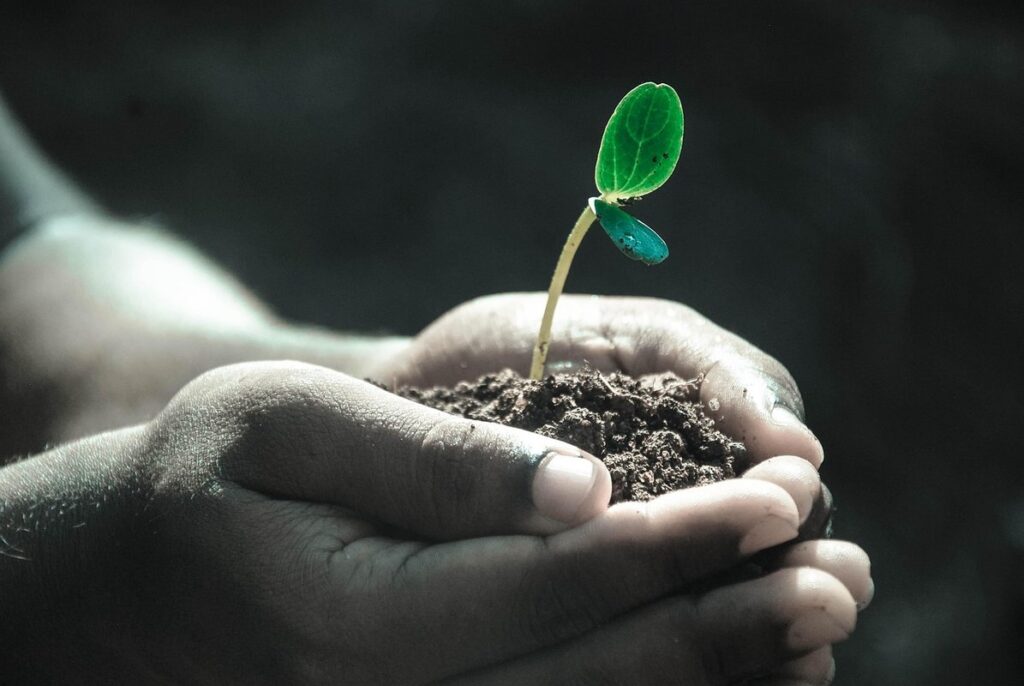
Understanding Seedlings and Their Needs
Now that you have a healthy seedling, it’s essential to understand its unique needs, from light exposure to watering schedules, to ensure optimal growth. Let’s dive into these crucial details together.
Identifying Seedling Types
Seedlings come in an array of types, each with its own set of requirements to thrive. Let’s start by understanding the most common categories: herbs, vegetables, flowers, and trees. These distinctions aren’t just about aesthetics; they significantly impact care.
Herbs, such as basil and rosemary, prefer well-draining soil and partial shade. They also require more frequent watering due to their high water demand for growth. For instance, basil is notorious for drying out quickly if the soil isn’t kept consistently moist.
Vegetables, including leafy greens like lettuce and spinach, thrive in cooler temperatures (around 60-70°F) with consistent moisture levels. Root vegetables like carrots prefer slightly acidic soil and full sun exposure to maximize growth potential.
Flowers and trees have more specific needs as well. Flowers require adequate sunlight, sufficient water, and rich fertilizer for optimal flowering. Trees demand well-draining soil, protection from harsh winds, and regular pruning to prevent overgrowth and promote healthy development.
Understanding these unique characteristics is the first step in providing the right care for your seedlings.
Seedling Development Stages
As a gardener, understanding the various stages of seedling development is crucial for providing optimal care and achieving healthy growth. Seedling development can be broadly categorized into four main stages: germination, seedling establishment, transition, and maturation.
Germination occurs when a seed begins to sprout, typically within 1-3 weeks after sowing, depending on factors like temperature, moisture, and light exposure. During this stage, the seed absorbs water, breaks dormancy, and develops its first set of leaves. It’s essential to maintain consistent moisture levels, ensure adequate light, and prevent overwatering, which can lead to fungal diseases.
As the seedling emerges, it enters the establishment phase, where it develops a strong root system and starts producing new leaves. This stage typically lasts 1-2 weeks and is critical for establishing a robust foundation for future growth. Provide sufficient nutrients through balanced fertilizers, maintain proper watering schedules, and prune any weak or damaged tissues to promote healthy development.
Next comes the transition phase, where the seedling adapts to its environment and begins to produce new growth. This stage usually lasts 1-3 weeks and is marked by an increase in leaf size and stem elongation. Monitor your seedlings closely during this period, addressing any issues promptly to prevent setbacks.
Finally, the maturation stage begins when the seedling reaches a height of about 6-8 inches, signaling its readiness for transplanting into larger containers or directly into the garden. During this phase, ensure adequate light, maintain optimal temperatures, and continue providing balanced fertilizers to support continued growth and development.
Providing Optimal Growing Conditions
To give your seedlings their best shot at thriving, it’s crucial to provide optimal growing conditions that mimic those of their natural environment as closely as possible. This means getting the lighting, temperature, and humidity just right for each species.
Lighting Requirements for Seedlings
Light is one of the most crucial factors to consider when it comes to seedling growth. Adequate light exposure can make all the difference between healthy, robust seedlings and weak, leggy ones. There are two primary types of lighting: natural and artificial.
Natural light is ideal for seedlings, as it provides a balanced spectrum of light that promotes healthy growth. However, this isn’t always feasible, especially during colder months or for indoor growers. Artificial lighting, such as LED grow lights, can be used to supplement or replace natural light.
When it comes to intensity requirements, seedlings need around 12-14 hours of light per day. The ideal spectrum is within the blue and red spectrums, which promotes photosynthesis and growth. A general rule of thumb is to start with a lower intensity (20-30 watts) and gradually increase as the seedling grows.
To provide adequate light for your seedlings, place them near an east or west-facing window. If using artificial lighting, keep the lights at least 6 inches above the leaves to prevent burning.
Watering Techniques for Seedlings
Watering seedlings requires finesse, as overwatering can be just as detrimental as underwatering. To strike the perfect balance, consider the frequency and timing of watering sessions. A good rule of thumb is to water seedlings when the top 1-2 inches of soil feel dry to the touch.
To determine the right frequency, observe your seedlings’ growth stage. Young seedlings (0-7 days old) require more frequent watering every 1-2 days, while established seedlings can go for 3-4 days between waterings. Avoid getting water on the leaves or crown to prevent fungal diseases; instead, gently water at soil level.
Humidity plays a crucial role in maintaining healthy growth. Aim for a humid environment around 40-60% relative humidity, especially during the first few weeks after germination. You can achieve this by placing seedlings near a tray filled with water and pebbles or using a propagation dome.
Keep an eye on your seedlings’ response to watering, adjusting frequency as needed. A general guideline is to water in the morning, allowing the soil to dry slightly before nightfall. By being mindful of watering habits, you’ll help prevent common issues like root rot and promote robust growth in your seedlings.
Soil and Fertilization for Seedlings
When it comes to seedling care, soil quality and fertilization play a crucial role in supporting their growth. Let’s dive into the importance of preparing the right environment for your young plants to thrive.
Choosing the Right Potting Mix
When it comes to giving your seedlings the best chance at thriving, choosing the right potting mix is crucial. A good potting mix should have a balance of organic matter, optimal pH levels, and adequate nutrient content.
First, let’s talk about organic matter. Look for mixes that contain ingredients like peat moss, coconut coir, or composted bark. These materials help retain moisture, suppress diseases, and provide nutrients as they break down. Aim for a mix with at least 20-30% organic matter content.
Next, consider the pH level of your potting mix. Seedlings prefer slightly acidic to neutral soil pH, ranging from 6.0-7.0. Avoid mixes with extremely high or low pH levels, as these can stress out your seedlings and hinder growth. Some common mistakes include using a mix that’s too alkaline (leading to nutrient deficiencies) or too acidic (causing root damage).
In terms of nutrients, opt for mixes labeled “balanced” or “complete.” These usually contain a mix of N-P-K (nitrogen-phosphorus-potassium) fertilizers. However, keep in mind that over-fertilizing can harm your seedlings, so it’s essential to start with a light hand and adjust as needed.
When selecting a potting mix, read the ingredient list carefully and look for certifications like OMRI (Organic Materials Review Institute) or EPD (Environmental Protection Division). These labels ensure the product meets certain standards for quality and sustainability. By choosing a high-quality potting mix, you’ll set your seedlings up for success from day one.
Fertilizing Seedlings for Healthy Growth
Fertilizing seedlings is an essential step in promoting healthy growth and development. When it comes to choosing fertilizers, you have two primary options: organic and synthetic. Organic fertilizers are made from natural sources like compost, manure, or bone meal, while synthetic fertilizers are chemically formulated to provide a quick nutrient boost.
For seedlings, organic fertilizers are often the better choice. They release nutrients slowly, reducing the risk of burning your young plants’ roots. A balanced 5-5-5 fertilizer (nitrogen-phosphorus-potassium) is a great starting point. You can also use compost tea or worm castings for an extra nutrient boost.
When applying fertilizers to seedlings, be sure to follow these guidelines: start with small amounts and gradually increase as the plants grow. Over-fertilization can cause more harm than good, so it’s better to err on the side of caution. Water the fertilizer in thoroughly to prevent burning your seedlings’ roots. As a general rule, fertilize seedlings once or twice during their first month of growth, depending on their specific needs.
Pest Control and Disease Management
To ensure your seedlings stay healthy, it’s crucial to protect them from pests and diseases that can quickly spread and cause damage. Let’s discuss how to control these threats naturally.
Common Pests Affecting Seedlings
Aphids, whiteflies, and spider mites are among the most common pests that target seedlings. These tiny insects can cause significant damage to young plants if left unchecked.
To prevent infestations, make sure to keep your seed starting mix free from debris and weeds, which can attract pests. Inspect your seedlings regularly for signs of infestation, such as curled or distorted leaves, sticky honeydew droplets, or fine webs on the soil surface.
If you do encounter a pest problem, organic control methods are often the best course of action. For aphids, try using neem oil or insecticidal soap to suffocate them. Whiteflies can be controlled with yellow traps that mimic the color of their preferred food source, nectar-rich flowers. Spider mites require a more targeted approach: spray your seedlings with a mixture of water and mild dish soap.
For effective control, it’s essential to understand each pest’s life cycle and habits. For example, spider mites thrive in dry environments, so increasing humidity can help discourage their growth.
Managing Diseases in Seedlings
Diseases can be a significant threat to seedlings, especially during their vulnerable early stages. Some common diseases that affect seedlings include root rot, leaf spot, and powdery mildew. Root rot occurs when the roots of the seedling are submerged in water for an extended period, causing them to rot. This disease is often seen in overwatered plants.
Leaf spots are circular or irregular-shaped lesions on the leaves caused by fungal infections. They can be grayish-brown or black and may have a powdery appearance. To prevent leaf spot, ensure good air circulation around your seedlings and avoid getting water on the leaves to minimize moisture buildup.
Powdery mildew is another common disease that affects seedlings. It appears as a white or grayish powder on the leaves and can cause them to curl up. To control powdery mildew, remove any affected parts of the plant and improve air circulation around your seedlings. Regularly inspecting your seedlings for signs of disease can help you catch issues early before they spread.
To prevent diseases in your seedlings, maintain good hygiene practices when handling plants and avoid overwatering. Monitor the temperature and humidity levels in your growing area to create an environment conducive to healthy growth.
Transplanting and Hardening Off
Now that your seedlings have outgrown their containers, it’s time to learn how to transplant them safely and harden off against outdoor conditions. This process can be a bit tricky, but don’t worry, we’ve got you covered.
Preparing Seedlings for Transplanting
As you prepare to transplant your seedlings outdoors, it’s essential to harden them off and acclimate them to outdoor conditions. This process helps prevent shock and ensures a smooth transition from indoor to outdoor environments.
To begin, reduce the frequency of watering as seedlings adjust to being in a larger pot or directly in the ground. Gradually increase their exposure to sunlight over 7-10 days, starting with morning sun and progressing to full sun by the final day. You can also introduce gentle breezes by placing pots on a tray or using a fan to mimic outdoor wind conditions.
Temperature fluctuations are another crucial aspect of hardening off. Expose seedlings to a range of temperatures between day and night by moving them outside during warmer periods and back indoors at night when it cools down. This helps seedlings adapt to the dynamic temperature changes they’ll experience outdoors.
By following this step-by-step approach, you’ll be giving your seedlings the best chance at thriving in their new outdoor environment. Remember, patience is key – don’t rush the hardening off process, and your seedlings will reward you with robust growth and a healthy start to life outside.
Successful Transplanting Techniques
When transplanting seedlings, timing is crucial to ensure a smooth transition from indoor to outdoor environments. Wait until the seedling has at least two sets of true leaves and its roots have filled the container. This usually occurs 1-2 weeks after germination.
To prepare the soil, choose a location with good drainage and sufficient sunlight. Dig a hole that is about twice as wide and just as deep as the seedling’s root ball. Add a mix of compost or well-rotted manure to improve soil fertility and structure.
Minimizing shock stress is essential during transplanting. To do this, gently remove the seedling from its container, taking care not to disturb the roots. Place it in the hole at the same depth as before, and firm the soil around it with your fingers or a gentle tamping tool. Water thoroughly after transplanting to settle the soil and provide enough moisture for establishment.
Some key considerations when transplanting include avoiding extreme temperatures, providing adequate water, and ensuring good air circulation.
Troubleshooting Common Seedling Issues
Don’t worry if you’re encountering some issues with your seedlings, we’ve got you covered with common problems and their easy fixes to get your plants back on track.
Addressing Seedling Failure
Seedlings can be delicate and prone to failure if not provided with optimal care. One of the primary reasons seedling failure occurs is due to inadequate light. If seedlings are placed too far from a light source, they may become leggy or weak, making them more susceptible to disease and pests. To troubleshoot this issue, simply move your seedlings closer to the light source or consider investing in grow lights.
Another common cause of seedling failure is waterlogging. When seedlings sit in excess moisture for too long, their roots can rot, causing them to decline quickly. Make sure your potting mix drains well and avoid overwatering by checking the soil daily. If you notice your seedlings are sitting in water, gently lift them out and repot into a drier medium.
Proper fertilization is also essential for healthy seedling growth. Using too much fertilizer can burn your seedlings’ delicate roots, so start with a weak solution and gradually increase as needed.
Encouraging Healthy Growth
As your seedlings begin to grow and develop, it’s essential to create an environment that promotes healthy growth. Start by monitoring for pests and diseases, which can quickly spread and cause damage if left unchecked. Look out for signs of infestation, such as tiny eggs or larvae on the leaves, stems, or soil. Regularly inspect your seedlings for unusual growth patterns, yellowing leaves, or black spots.
Adjust growing conditions to meet your seedling’s needs. Provide sufficient light, but avoid direct sunlight, which can cause scorching. Maintain a consistent temperature between 65-75°F (18-24°C), and ensure the soil stays moist but not waterlogged. Nutrient deficiencies can also hinder growth, so recognize signs such as yellow or pale leaves, stunted growth, or weak stems.
To address nutrient deficiencies, use a balanced fertilizer specifically formulated for seedlings. Apply it according to the manufacturer’s instructions, usually once a week. Water your seedlings with a solution of 1 tablespoon of Epsom salt per gallon of water to provide essential magnesium and sulfur. Regularly inspect your seedlings and adjust growing conditions as needed to promote healthy growth.
Frequently Asked Questions
Can I start seedlings indoors during the winter months?
Yes, starting seedlings indoors during the winter can be an excellent way to get a head start on the growing season. Just ensure that you provide them with sufficient light through grow lights or a sunny window, and maintain a consistent temperature between 65-75°F (18-24°C). This will help prevent any potential shocks when transplanting them outside in the spring.
How do I know if my seedlings are getting too much water?
Signs of overwatering can include yellowing leaves, soft stems, or a general droopy appearance. If you suspect that your seedlings are receiving too much water, check the soil by sticking your finger into it up to the first knuckle. If the soil feels wet, wait another day before watering again. Remember, seedlings prefer slightly dry soil to prevent root rot.
What is the best time to transplant seedlings outdoors?
The ideal time for transplanting seedlings outdoors depends on weather conditions and temperature fluctuations in your area. Generally, aim to transplant when temperatures are above 60°F (15°C) during the day and around 50°F (10°C) at night. This will help minimize shock and ensure a smooth transition.
How can I prevent pests from attacking my seedlings?
To prevent pests from attacking your seedlings, maintain cleanliness in your growing area by regularly disinfecting tools and surfaces. Use physical barriers like fine mesh or row covers to prevent insects from reaching your plants. Also, keep an eye out for early signs of infestation, such as holes in leaves or tiny eggs on stems.
Can I reuse potting mix for new seedlings?
It’s generally not recommended to reuse potting mixes, especially if you’re growing different types of plants with varying needs. Potting mixes can harbor pests and diseases that can easily transfer from one plant to another, potentially causing more harm than good. Instead, use fresh potting mix specifically designed for seedlings or young plants to ensure optimal growth conditions.