
Are you struggling to get your nasturtium seeds off the ground? Perhaps you’ve noticed that they’re taking longer than expected to sprout, leaving you wondering if something is amiss. Nasturtium seed germination time can be a bit unpredictable, but with the right guidance, you can optimize it and enjoy these beautiful flowers in no time.
In this comprehensive guide, we’ll delve into the factors affecting nasturtium germination, explore the ideal temperature requirements for optimal growth, and share valuable tips on how to overcome common challenges. From understanding the role of light and water to learning how to identify potential issues early on, our expert advice will help you unlock the secret to successful nasturtium seed germination. Whether you’re a seasoned gardener or just starting out, this article is here to empower you with the knowledge you need to grow thriving nasturtium plants.
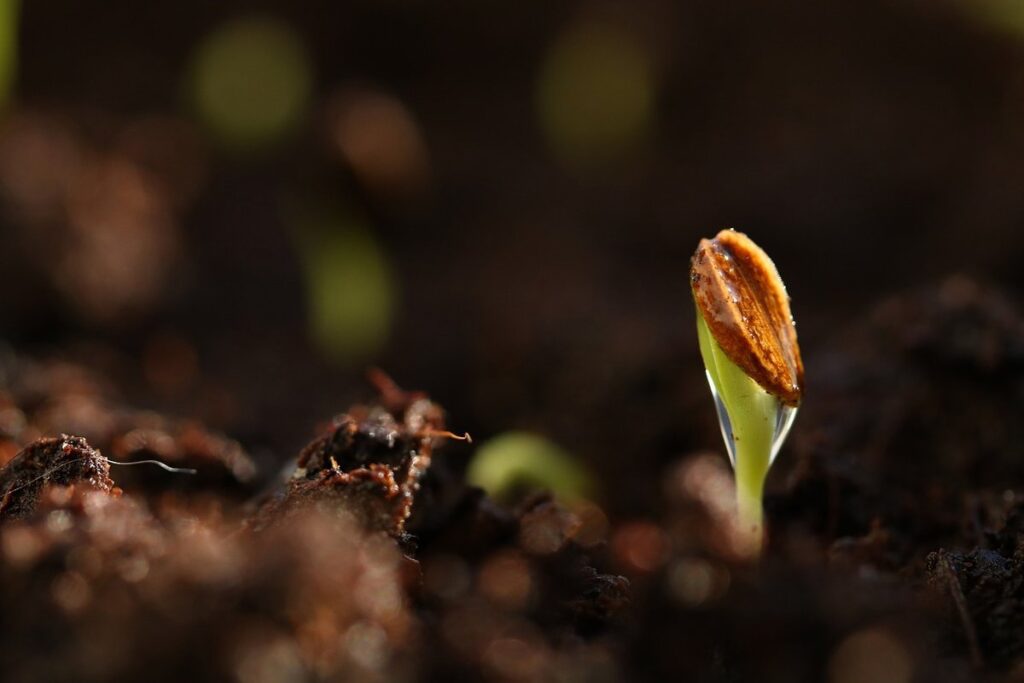
Understanding Nasturtium Seeds and Germination
To grow healthy nasturtium plants, it’s essential to understand how their seeds germinate, including the factors that influence their growth and development. This process can be a bit tricky, but don’t worry, we’ve got you covered.
Factors Affecting Nasturtium Seed Germination
When it comes to nasturtium seed germination, several key factors come into play. Temperature, for instance, is a crucial element that can either promote or hinder the germination process. Nasturtium seeds generally prefer warmer temperatures between 65°F and 75°F (18°C and 24°C) to initiate germination. However, if the temperature dips below 55°F (13°C), it may slow down the process significantly.
Light exposure also plays a vital role in nasturtium seed germination. Most seeds require light to germinate, but direct sunlight can be too intense for them. Instead, provide indirect light by placing pots near an east- or west-facing window or under grow lights with a low intensity setting. Soil quality is another essential aspect that affects germination rates. Nasturtiums prefer well-draining soil with a pH range of 6.0 to 7.0.
Maintaining optimal moisture levels is equally important for successful germination. Sow seeds about 1/4 inch deep in the soil and keep it consistently moist during the first few days after sowing. Water gently but thoroughly, avoiding overwatering, which can lead to rotting of the seedlings.
Preparing the Soil for Nasturtiums
Before sowing nasturtium seeds, it’s essential to prepare the soil for optimal germination. Nasturtiums prefer well-draining, fertile soil with a pH range of 6.0-7.0. If your soil is too alkaline or acidic, amend it accordingly by adding lime to raise the pH or sulfur to lower it.
In terms of nutrient requirements, nasturtiums thrive in soil rich in organic matter. Mix compost or well-rotted manure into the soil to provide a boost of nutrients and improve drainage. Avoid over-fertilizing, as this can lead to weak, leggy growth.
Aeration is also crucial for healthy root development. Loosen the soil to a depth of about 12 inches before sowing seeds. This will allow roots to penetrate easily and help prevent waterlogging, which can hinder germination. You can also add a layer of mulch to retain moisture and suppress weeds. By preparing the soil correctly, you’ll be well on your way to achieving successful nasturtium seed germination.
Determining Nasturtium Germination Time
To give you a better idea of when your nasturtium seeds will sprout, it’s essential to understand how temperature and environment affect germination time. Let’s break down these factors together.
Average Germination Period for Nasturtium Seeds
When planting nasturtium seeds, it’s essential to understand that their germination period can vary depending on several factors. However, under ideal conditions, you can expect the average germination time for nasturtium seeds to be around 7-14 days.
In a controlled environment with optimal temperature (around 75-85°F or 24-29°C) and adequate moisture, nasturtium seeds can germinate within this timeframe. It’s crucial to maintain consistent soil temperatures, as fluctuations can slow down the process.
For example, if you’re sowing nasturtium seeds indoors in a propagation tray or seed starting mix, they’ll typically take around 7-10 days to sprout. This is because the soil and air temperature are more stable, allowing for faster germination.
In contrast, direct sowing in outdoor gardens may take a few extra days due to natural temperature fluctuations and moisture levels. Still, with proper care and conditions, you can expect most nasturtium seeds to germinate within 14 days.
Keep in mind that this is just an average, and actual germination times may vary depending on your specific climate and growing conditions.
Factors Affecting Germination Speed
The speed at which nasturtium seeds germinate can be significantly influenced by several factors. One of the most critical elements is temperature. Most nasturtium varieties thrive in temperatures between 65°F and 75°F (18°C to 24°C), with some species requiring warmer or cooler conditions. For instance, Tropaeolum minus, a common variety, germinates best at around 70°F (21°C). Conversely, extreme temperatures can slow down or even halt the germination process.
Light exposure is another crucial factor affecting germination speed. Nasturtium seeds typically prefer partial shade to full sun, with some species requiring more light than others. For example, Tropaeolum majus prefers direct sunlight for optimal growth. On the other hand, overly bright conditions can cause the seedlings to become leggy or even prevent germination altogether.
Soil quality also plays a significant role in determining germination speed. A well-draining potting mix with adequate organic matter can support healthy root development and promote faster germination. Avoid using heavy clay soils or those with poor drainage, as these conditions can hinder seedling growth.
Optimizing Environmental Conditions
To ensure healthy nasturtium germination, it’s essential that you provide optimal conditions for seedling growth. This includes adjusting factors like temperature and moisture levels to create a thriving environment.
Temperature Requirements for Nasturtium Seed Germination
To successfully germinate nasturtium seeds, it’s essential to provide them with the right temperature conditions. The optimal temperature range for seed germination is between 65°F (18°C) and 75°F (24°C). This narrow window allows for consistent moisture absorption and enzyme activity, which in turn, supports healthy root development.
If you’re planting nasturtium seeds indoors, maintain a consistent temperature within this range by placing the container on a heat mat or using a space heater to regulate the temperature. Conversely, if you’re directly sowing the seeds outdoors, ensure that your garden bed receives partial shade and is protected from extreme fluctuations in temperature.
To give your nasturtium seeds the best chance of germinating successfully, it’s crucial to maintain consistent temperatures throughout the day. Avoid placing containers near drafty windows or air conditioning vents, as these can cause sudden drops in temperature that may hinder seed germination.
By understanding the optimal temperature requirements for nasturtium seed germination, you’ll be well on your way to achieving a healthy and robust start for your plants.
Light Exposure for Healthy Germination
When it comes to getting nasturtium seeds off to a healthy start, adequate light exposure plays a crucial role. Seed germination relies on the presence of light, which triggers a series of biochemical reactions that initiate growth.
Inadequate light can lead to stunted seedlings and prolonged germination times. Research has shown that even low levels of light can significantly impact seedling development. For example, a study found that seeds exposed to only 10% of full sun intensity had reduced root and shoot growth compared to those receiving higher light levels.
To provide the right amount of light for your nasturtium seeds, place them in a spot with bright, indirect light. Avoid direct sunlight, which can be too intense for young seedlings. Aim for an east- or west-facing window or use grow lights specifically designed for seed starting. Keep the growing medium consistently moist but not waterlogged to prevent overwatering.
By providing sufficient light and maintaining proper moisture levels, you’ll give your nasturtium seeds the best chance of healthy germination.
Common Challenges in Nasturtium Germination
Nasturtium germination can be a bit finicky, so let’s tackle some of the common challenges that might be standing between you and those adorable seedlings. Seeds may not be the only thing affected by temperature fluctuations.
Causes of Slow or Stunted Seedling Growth
Slow seedling growth can be disheartening, especially when you’re expecting those vibrant nasturtium blooms. But don’t worry, it’s not uncommon and often due to a few common causes. One of the main reasons for slow or stunted seedling growth is overwatering. When seeds are constantly saturated, they can rot before even germinating. To avoid this, make sure your soil has good drainage and only water when the top inch of soil feels dry.
Another reason could be inadequate light. Nasturtiums need full sun to partial shade to grow well, so if you’re keeping them indoors or in a shaded area, it might be affecting their growth. Consider moving them to a brighter spot or supplementing with grow lights. Temperature fluctuations can also slow down seedling growth. Nasturtiums prefer daytime temperatures between 65-75°F (18-24°C) and cooler nights around 55-60°F (13-15°C).
Lastly, ensure your seeds are fresh and not old or degraded. Old seeds may have lower germination rates or take longer to sprout. Check the packaging for expiration dates or purchase from a reputable supplier. By addressing these common causes, you can give your nasturtiums the best chance at healthy growth and development.
Overcoming Specific Problems with Nasturtium Seeds
If you’re experiencing poor germination rates with nasturtium seeds, it’s essential to investigate the root cause. One common issue is fungal infections, which can be caused by overwatering or high humidity. To prevent this, make sure your seed starting mix is well-draining and avoid watering from above. Instead, gently water at soil level to minimize moisture on the surface.
Pests like whiteflies, aphids, or spider mites can also affect nasturtium seeds. Keep an eye out for these pests, especially if you’re starting seeds indoors under grow lights. Use neem oil or insecticidal soap to control infestations, and consider using fine mesh or row covers to prevent further issues.
To overcome poor germination rates due to temperature fluctuations, ensure your seed trays are in a spot with consistent temperatures between 65-75°F (18-24°C). Avoid placing them near drafts or extreme heat sources. By addressing these common challenges, you’ll be well on your way to successfully germinating your nasturtium seeds.
Tips for Successful Nasturtium Seed Germination
To ensure successful nasturtium seed germination, follow these crucial tips that can make all the difference between a thriving garden and disappointing results. Let’s dive into some expert advice!
Pre-Sowing Treatments for Enhanced Germination
When it comes to nasturtium seed germination, some pre-sowing treatments can make all the difference. These techniques may seem simple, but they can significantly boost germination rates and give your seeds a head start on growth.
One of the most effective ways to enhance germination is through soaking. This involves placing the seeds in water for 24-48 hours before sowing them. Soaking helps to soften the outer seed coat, allowing it to absorb moisture more efficiently. For example, if you’re using nasturtium seeds that are known to be particularly slow to germinate, a soak can help break down any physical barriers and encourage quicker growth.
Scarification is another technique worth exploring. This involves gently scratching or nicking the seed coat with sandpaper or a nail file to create small openings for water to enter. While it may seem counterintuitive, scarification can actually help seeds absorb moisture more effectively and reduce the risk of fungal diseases. For best results, soak the seeds first and then apply the scarification method.
Stratification is also worth considering, particularly if you’re working with nasturtium varieties that require a period of cold exposure to break dormancy. This involves placing the seeds in a sealed container or bag with moistened peat moss or vermiculite and refrigerating them for 30-60 days.
Post-Germination Care for Healthy Seedlings
As your nasturtium seeds begin to sprout, it’s essential to provide them with optimal post-germination care. This stage is crucial for developing healthy seedlings that will thrive throughout the growing season. When transplanting your seedlings, make sure to handle them gently to avoid damaging their delicate roots.
Transplant your seedlings into individual pots or cells filled with a well-draining seed starting mix as soon as they have two sets of leaves. Harden off your seedlings by gradually exposing them to outdoor conditions over the course of 7-10 days before moving them into their final positions. This will help prevent shock and promote healthy growth.
Maintain consistent moisture levels in the soil, but avoid overwatering, which can lead to root rot and other problems. Keep the top inch of soil slightly dry between waterings, and ensure good air circulation around your seedlings to prevent fungal diseases. With proper care, your nasturtium seedlings should develop strong roots and robust growth, setting them up for a successful harvest.
Frequently Asked Questions
Can I speed up nasturtium seed germination by using a warm water soak before sowing?
You can try soaking your nasturtium seeds in warm water (around 80°F to 90°F) for 24 hours before planting. This method is known as “stratification” and can help soften the seed coat, allowing for faster germination. However, be cautious not to over-soak, as this can cause damage to the embryo.
What if my nasturtium seeds are taking longer than expected to sprout? Are they still viable?
Yes, if your nasturtium seeds are taking longer than expected to germinate, it doesn’t necessarily mean they’re no good. Nasturtium seeds have a relatively long germination period, and some varieties can take up to 14 days or more to sprout. Check for any signs of moisture in the soil and ensure you’ve maintained optimal temperature conditions.
How do I know if my nasturtium seedlings are getting enough light?
Nasturtium seedlings prefer bright, indirect light. If you notice them stretching towards a window or growing lamp, it may be a sign that they’re not receiving sufficient light. Make sure to place your seedlings near an east- or west-facing window for optimal growth.
What’s the best way to handle common challenges like fungal diseases in nasturtium seeds?
Fungal diseases can be a major issue when sowing nasturtium seeds. To prevent this, ensure good air circulation around your seedlings and avoid overwatering. If you do encounter fungal growth, remove affected areas immediately and treat with a fungicide specifically designed for seed-borne diseases.
Can I grow nasturtiums indoors year-round, or are they strictly seasonal plants?
While nasturtiums can be grown indoors, their germination requirements can be more challenging to replicate in artificial conditions. For optimal results, aim to sow your seeds during the spring or early summer when outdoor temperatures are suitable for germination (around 65°F to 75°F). This will help you avoid potential issues with indoor temperature fluctuations and lighting.