
Growing healthy plant seedlings is an art that requires patience, attention to detail, and a willingness to learn. If you’re new to gardening or looking to improve your existing skills, understanding the basics of germination and equipment selection can make all the difference in getting your seedlings off to a strong start. But it’s not just about setting up the right environment – ongoing care techniques like fertilization and pruning are crucial for promoting healthy growth and preventing common issues like weak stems or pest infestations. In this article, we’ll take you through everything you need to know to successfully grow thriving plant seedlings, from the initial stages of germination to advanced care methods that will help your seedlings flourish into robust, healthy plants.
Understanding Plant Seedlings
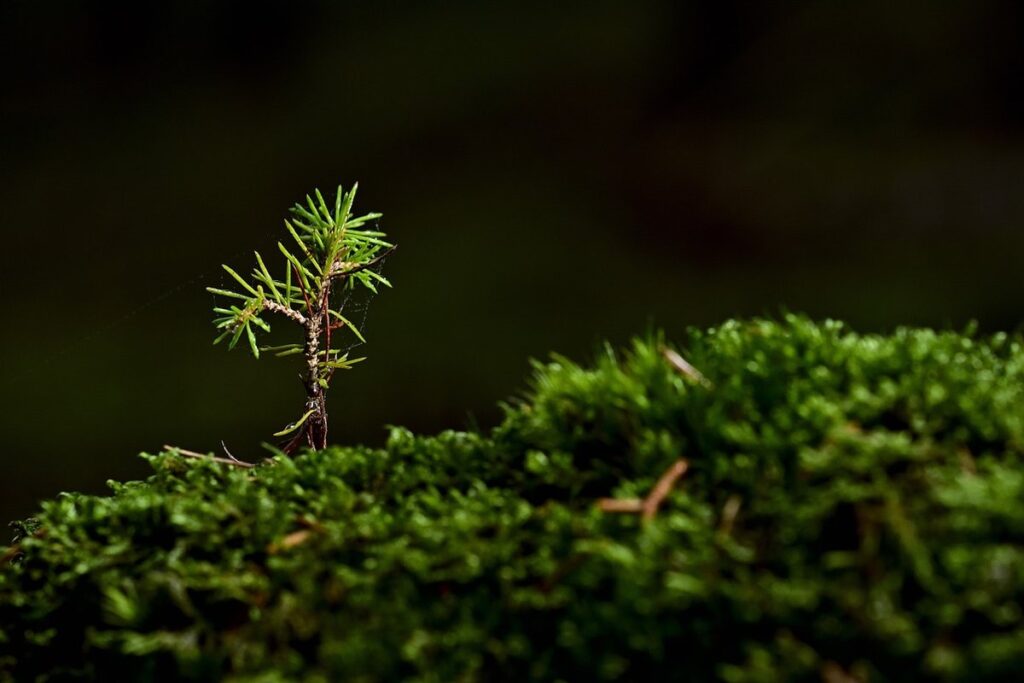
Understanding plant seedlings starts with recognizing the stages of growth, from cotyledon emergence to true leaves developing. This process sets the foundation for a healthy and thriving young plant.
The Science of Seed Germination
When a seed is planted in the right conditions, it’s amazing to watch it transform from a tiny, dormant object into a thriving plant. But have you ever stopped to think about what happens inside that seed as it begins its journey? The science of seed germination is a complex and fascinating process that sets the stage for the growth and development of your future plants.
Several key factors influence seed germination, including temperature, light, water, oxygen, and soil quality. Most seeds have an optimal temperature range in which they can germinate, typically between 65°F to 75°F (18°C to 24°C). If it’s too hot or too cold, the seed will either germinate slowly or not at all.
As a seed absorbs water, it begins to swell and break its seed coat. This allows oxygen to reach the embryo inside, which then starts to grow into a tiny root and shoot. The rate of germination can vary significantly depending on the type of seed, with some species taking only 7-10 days to emerge while others may take weeks or even months.
Understanding these basic principles will help you create an environment that supports your seeds as they begin their journey towards maturity. By optimizing the conditions for germination, you’ll be giving your plants the best possible start in life, setting them up for healthy growth and development.
Types of Seeds for Beginners
As you embark on the journey of growing plant seedlings, it’s essential to understand the different types of seeds that are suitable for seed starting. This will help you choose the right seeds for your needs and increase your chances of success.
Let’s start with annuals, which complete their life cycle within a year. These include popular varieties like marigolds, zinnias, and petunias. They are ideal for beginners as they germinate quickly and produce flowers in a short time. Tomatoes and peppers are also annuals that thrive well in indoor conditions.
Perennials, on the other hand, come back year after year and require less maintenance. Examples include herbs like mint and oregano, which can be grown indoors and outdoors. Tropical plants like orchids and bromeliads are another group of perennials that add a touch of exotic charm to your space.
When selecting seeds for seed starting, consider the climate and growth conditions in your area. Choose seeds that are suitable for indoor or outdoor growth, depending on your preference.
Choosing the Right Equipment
When it comes to growing healthy seedlings, selecting the right equipment is crucial. This section will walk you through the essential tools and gear needed for a thriving indoor gardening setup.
Seed Starting Trays and Containers
When it comes to seed starting, having the right equipment is crucial for successful germination and growth. You’ll want to consider various materials that are suitable for holding and nurturing delicate seeds. One popular option is cell packs, which typically consist of individual cells designed to cradle each seed. These are usually made from plastic or biodegradable materials and come in a range of sizes.
Another common choice is seed trays, often made from plastic, wood, or recycled materials. They’re ideal for starting multiple seeds at once and can be reused multiple times. Some varieties even have built-in water reservoirs to prevent overwatering. Biodegradable pots are also gaining popularity as an eco-friendly alternative. Made from natural materials such as coconut coir or bamboo, they allow for easy seedling transfer without disturbing the roots.
When selecting a material, consider factors like durability, ease of use, and environmental impact. You may also want to explore DIY options, repurposing containers like egg cartons or yogurt cups to create mini seed starting trays.
Soil Mixes and pH Levels
When it comes to growing seedlings, the soil mix is often overlooked but plays a crucial role in their development. A well-draining potting mix specifically designed for seedlings allows for optimal root growth and prevents waterlogged conditions that can lead to fungal diseases.
Optimizing pH levels is equally important. Most seedling mixes have a slightly acidic pH between 5.5 and 6.5, which promotes nutrient uptake and healthy growth. However, some plants like succulents prefer more alkaline conditions. To give your seedlings the best chance at success, choose a potting mix with a balanced pH level.
Check the ingredients list to ensure it contains perlite or vermiculite for improved drainage and structure. Avoid mixes containing too much peat moss as they can retain excess water, causing root rot. Instead, opt for organic matter like coconut coir or worm castings that retain moisture without waterlogging.
Maintaining optimal pH levels requires regular testing with a pH meter. Adjust the mix by adding lime to raise the pH or sulfur to lower it.
Seed Starting Techniques
When it comes to giving your seedlings a strong start, understanding various seed starting techniques is crucial for optimal growth and development. In this next part of our journey, we’ll explore these essential methods.
Watering Methods for Seedlings
When it comes to watering seedlings, getting it just right is crucial for their development. Overwatering can be detrimental, leading to rot and other issues, while underwatering can stunt growth. To avoid these extremes, consider the following watering methods.
Bottom watering involves placing a saucer under the pot and gradually adding water until it seeps in from below. This technique prevents washing away delicate seeds or disturbing soil structure. Another approach is misting, which provides a gentle, consistent supply of moisture. You can use a spray bottle to apply a fine mist around seedlings two to three times a day.
Maintaining humidity around seedlings also plays a significant role. A humidifier can help create an optimal environment for germination and growth. For example, the American Society for Horticultural Science recommends maintaining relative humidity levels between 40% and 60%. By experimenting with these different watering methods, you’ll be able to identify what works best for your specific seedlings.
Providing Light for Seedlings
When it comes to providing light for seedlings, the type of lighting you use can make all the difference. As a general rule, seedlings require more intense light than mature plants, but less than full sun. So, what are some options?
LED grow lights are an excellent choice for seedlings, offering high intensity and energy efficiency. They’re also relatively affordable and come in a variety of spectrums to mimic natural light. For example, a 20-watt LED grow light can be just as effective as a 40-watt fluorescent light.
Fluorescent lights are another popular option, but they tend to produce more heat than LEDs. However, they’re still a great choice for seedlings and come in a range of lengths and types (e.g., T5, T8). Natural light is also an excellent option, especially if you have a sunny windowsill or south-facing wall.
When choosing a lighting option, consider the type of plants you’re growing, as well as their growth stage. For example, seedlings require more intense light during germination and early stages, but can tolerate less intense light as they mature.
Common Issues with Seedlings
One of the biggest challenges many gardeners face is dealing with common issues that can affect seedlings, such as overwatering and pests. We’ll cover some of these potential problems in this section.
Pests and Diseases to Watch Out For
As seedlings grow and develop, they become more vulnerable to pests and diseases that can hinder their progress. Some common culprits to watch out for include aphids, spider mites, and root rot. Aphids are small, soft-bodied insects that feed on sap, causing curled or distorted leaves. They’re often found on the underside of leaves and can be controlled with neem oil or insecticidal soap.
Spider mites are tiny, spider-like arachnids that suck sap from leaves, causing yellowing or bronzing. These pests thrive in dry conditions and can be managed by increasing humidity and using a mild soap solution. Root rot is a more serious issue caused by overwatering or waterlogged soil, leading to soft, mushy roots. To prevent this, ensure good drainage and avoid getting water on the leaves.
Regular monitoring of your seedlings is key to catching these issues early on. Check for pests daily, looking for tiny eggs, webs, or actual insects. Be sure to inspect the undersides of leaves and stems, as well as the soil itself. By being proactive, you can prevent damage and give your seedlings a healthy start in life.
Troubleshooting Failing Seedlings
When you notice that one or more of your seedlings are failing, it’s essential to address the issue promptly to prevent further damage. One common cause of seedling failure is overwatering. When the soil is consistently too moist, roots can rot, and the seedling becomes vulnerable to disease. To avoid this, make sure not to waterlog the soil by checking the moisture level with your finger before watering.
Another potential cause is underwatering, which can be just as detrimental. Seedlings need consistent moisture, especially during their early stages of development. Aim for about 1-2 inches of water per week, either from rainfall or irrigation. If you’re unsure whether your seedlings are receiving enough water, examine the soil and look for signs of drought stress like wilted leaves.
Inadequate light is another common issue that can hinder a seedling’s growth. Most plants require at least 4-6 hours of direct sunlight per day to photosynthesize properly. If you’re growing your seedlings indoors, ensure they are placed near a sunny window or under grow lights. Monitor the plant’s response to lighting conditions and adjust as needed.
Transplanting Seedlings
Once you’ve got a batch of healthy seedlings, it’s time to move them outside into their permanent home: transplanting them with care is crucial for success. We’ll walk through this delicate process together.
When to Transplant Seedlings Outside
Transplanting seedlings outside requires careful consideration of the weather conditions and soil temperature to ensure their survival. The ideal time for transplanting depends on the type of plant, climate, and region you’re in.
In general, it’s best to wait until the last frost date has passed in your area before moving seedlings outdoors. This is usually around late spring or early summer, depending on your location. However, if you live in a warmer climate, you can transplant seedlings as soon as they have 2-3 sets of leaves and the soil has warmed up to at least 55°F (13°C).
Check the local weather forecast for any potential frost events before making the move. If possible, choose a cloudy or overcast day to minimize stress on the seedlings. Before transplanting, make sure the outdoor area is free from pests, diseases, and weeds that could harm your seedlings.
When selecting a spot, consider factors like sunlight, soil quality, and wind protection to give your transplanted seedlings the best chance of thriving.
Preparing the Garden Bed for Transplantation
Before transplanting seedlings into the garden bed, it’s essential to prepare the soil to ensure a smooth transition for the young plants. Start by loosening the top 6-8 inches of soil using a fork or spade. This will help break up any clods and aerate the soil, allowing roots to grow freely.
Adding organic matter such as compost, well-rotted manure, or peat moss can greatly improve the structure and fertility of the soil. Mix in 2-4 inches of the chosen material to create a nutrient-rich environment for your seedlings. You can also consider creating a trellis or support system for plants that need additional structure, such as peas, beans, or tomatoes.
For example, if you’re transplanting tomato seedlings, which can grow quite large, provide them with a sturdy stake or cage to prevent them from toppling over in the wind. When building your trellis or support system, use durable materials like wood or metal that will withstand various weather conditions.
When mixing organic matter, be sure to incorporate it evenly throughout the bed to avoid creating pockets of nutrient-rich soil. This will promote healthy root growth and help prevent transplant shock.
Advanced Seedling Care
Now that you’ve successfully germinated and have seedlings growing, it’s time to dive into advanced care techniques to ensure they thrive. This crucial stage requires attention to their specific needs.
Fertilization and Pruning Techniques
As your seedlings grow, they’ll require more nutrients and attention to reach their full potential. Advanced fertilization techniques can give them a boost, but pruning is just as crucial for promoting healthy growth. Let’s dive into the world of compost tea and pruning.
Using compost tea is an effective way to feed your seedlings without overloading them with synthetic fertilizers. This liquid gold is made by steeping compost in water, which allows beneficial microbes to break down nutrients that are then absorbed by plants. To make your own compost tea, steep 5-10% of compost in a bucket of water for 24 hours. Strain the mixture before watering your seedlings with it.
Pruning is another vital technique to encourage healthy growth and development. Remove any weak or spindly stems to direct energy towards stronger growth. Cut just above a node (where a leaf meets the stem) using clean, sharp scissors or pruning shears to avoid spreading diseases. By doing so, you’ll promote bushy, vigorous plants that thrive with minimal care.
Timing is everything when it comes to pruning. Prune seedlings during their most active growth phase – usually in early spring or late summer – and only remove what’s necessary for the plant’s overall structure. This will ensure your seedlings continue to grow strong and resilient throughout the season.
Propagating Plants from Seedlings
As your seedlings grow and mature, you may want to consider propagating them to create more plants. Propagation is a great way to share your favorite varieties with friends and family, or to increase the chances of successful harvests by growing multiple copies of high-performing plants. There are several methods of propagation from seedlings, including division, layering, and grafting.
Division involves separating a mature seedling into two or more separate plants, each with its own roots and growth potential. This is typically done when the plant has outgrown its container and needs to be transplanted anyway. To divide a seedling, carefully remove it from its pot and gently tease apart the roots using your fingers or a blunt instrument. Replant the separated sections in fresh soil, making sure each section has enough room to grow.
Layering is another effective method of propagation that involves bending a stem down to the ground and allowing it to root before cutting it away from the parent plant. This process encourages new growth along the stem while preventing damage to the parent plant.
Frequently Asked Questions
How often should I water my seedlings to prevent overwatering?
Overwatering can be detrimental to young plants, leading to root rot and other issues. To avoid this, water your seedlings when the top inch of soil feels dry to the touch. Check the soil moisture by sticking your finger into the soil up to the first knuckle. This simple technique will help you determine if it’s time for a drink.
Can I use regular potting mix for all my seedlings, or do I need specific mixes?
While regular potting mix can work for some seedlings, others require more specialized mixes that cater to their unique needs. For example, seeds that prefer acidic conditions may require an ericaceous mix. Research the specific requirements of your plants and choose a mix that matches those needs.
How long do I need to keep my seedlings indoors before transplanting them outside?
The ideal time for transplanting seedlings outdoors depends on their growth stage and the weather. Generally, seedlings should have at least two sets of true leaves before being transferred to larger containers or directly into the garden bed. Monitor your plants’ progress and wait until they’re strong enough to withstand outdoor conditions.
What are some common pests that target seedlings, and how can I prevent infestations?
Some common pests that attack seedlings include aphids, whiteflies, and spider mites. To prevent infestations, maintain a clean environment by regularly removing debris and weeds from around your plants. Use neem oil or insecticidal soap to control pest populations if necessary.
How do I propagate plants from my existing seedlings?
Many plants can be propagated using stem cuttings, leaf cuttings, or division. Research the specific propagation methods for your plant species and follow these steps: Take healthy cuttings from mature stems or leaves, remove lower leaves, and root in a well-draining mix until new growth appears. This will allow you to create multiple plants from just one seedling.