
Are you a plant enthusiast eager to grow your own magnolia trees from seed? If so, you’re in for a treat. Growing magnolias from seed can be a bit more challenging than other methods, but with the right guidance, you’ll be enjoying these stunning flowers in no time. In this article, we’ll take you through the essential steps of preparing and planting your seeds, including the all-important process of stratification and scarification to ensure successful germination.
We’ll also cover some common challenges you may encounter along the way and provide expert tips on long-term care to help your young magnolias thrive. Whether you’re a seasoned gardener or just starting out, this guide will give you everything you need to know about growing magnolia trees from seed, including the key concepts of seed stratification and scarification.
Introduction to Magnolia Tree Seeds
To successfully grow a magnolia tree from seed, you’ll first need to understand how these tiny seeds develop and what they require to sprout. Let’s take a closer look at the basics of magnolia tree seeds.
What Are Magnolia Tree Seeds?
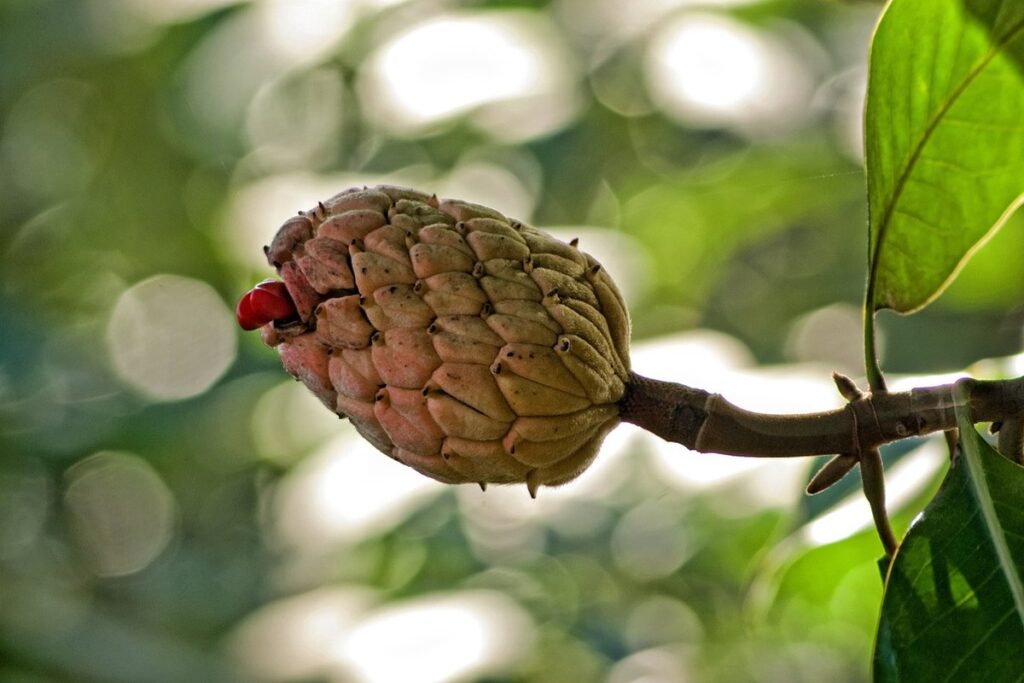
Magnolia tree seeds are the reproductive units of magnolia trees, responsible for propagating new plants. They’re an essential component in plant breeding and conservation efforts. To start with, let’s define what a magnolia seed is: it’s a small, oval-shaped embryo encased in a hard outer coat called the exocarp.
Characteristically, magnolia seeds are relatively large, often between 2-5 cm in length, with some species producing much smaller or larger seeds. Their color can range from brown to gray or even tan, depending on the tree variety. When mature, the seed has developed a root and a sprout, which will eventually become the new plant.
The importance of magnolia tree seeds lies in their ability to create genetically diverse plants when sown under the right conditions. This diversity is crucial for maintaining healthy trees that can thrive in various environments. By planting high-quality seeds from reputable sources, growers can increase the chances of successful propagation and reduce the likelihood of disease or pest issues affecting the new plant.
Why Grow from Seed?
Growing magnolia trees from seed offers numerous advantages that can enhance your experience as a gardener and lead to exciting discoveries. One of the primary benefits is the uniqueness of each seedling. Since seeds are obtained directly from nature, they may carry unique characteristics and genetic traits not found in nursery-grown plants. This inherent variability makes it possible for you to cultivate distinct cultivars that might not be available commercially.
Growing magnolia trees from seed also proves cost-effective compared to purchasing seedlings or grafts from nurseries. Seeds are relatively inexpensive, allowing you to explore a wider variety of species without breaking the bank. Moreover, using seeds ensures you’re connected to nature’s processes and can develop a deeper understanding of plant growth and development.
By growing magnolia trees from seed, you have the potential to create new cultivars or variations that might not exist elsewhere. This is especially exciting for enthusiasts who want to push the boundaries of plant breeding and innovation. Keep in mind that cultivating seeds requires patience and dedication, as it can take several years for a tree to mature.
Preparing Magnolia Tree Seeds for Planting
To successfully grow magnolia tree seeds, you’ll first need to prepare them properly, which involves a few simple steps to enhance germination rates and overall seed quality. Let’s dive into those essential preparation instructions now.
Harvesting and Storing Seeds
When it comes time to harvest magnolia tree seeds, timing is everything. The ideal time to collect seeds from mature pods is after they have fully ripened and dried on the tree. This typically occurs around late fall to early winter, depending on the specific species and climate. Be sure to check for seed pods regularly during this period, as they can quickly become brittle and prone to shattering.
To store magnolia seeds, you’ll want to maintain a consistent cool temperature between 35°F to 45°F (2°C to 7°C). Store them in airtight containers or envelopes to preserve moisture levels. Paper bags or cloth pouches are also suitable options for seed storage. When storing seeds, it’s essential to keep them away from direct sunlight and heat sources.
To maintain viability, store seeds at a low humidity level (around 10-20%). This will help prevent mold growth and ensure the seeds remain fresh for planting. It’s also crucial to label your stored seeds with their specific species, date harvested, and any relevant notes about germination or treatment.
Seed Stratification and Scarification
Seed stratification and scarification are crucial steps to simulate natural conditions and enhance germination rates for magnolia tree seeds. Without these processes, most seed types would not germinate, but magnolias can be coaxed into growth with a little preparation.
To begin, select healthy seeds that have been stored properly to ensure optimal viability. Next, determine the stratification requirements for your specific magnolia species, as this can vary greatly between cultivars. For some, a cold period is necessary, while others may require a warmer environment. Generally, a 30-60 day exposure to temperatures around 40°F (4°C) or below will induce dormancy-breaking in many magnolia varieties.
Scarification involves gently scratching the seed coat to allow water and oxygen to penetrate more easily. This can be done using sandpaper or a nail file, taking care not to damage the delicate embryo inside. Once stratified and scarified, sow your seeds about 1/4 inch deep in a moist growing medium, keeping it consistently humid until germination occurs – typically within 1-3 months.
Sowing Magnolia Tree Seeds: Tips and Techniques
Now that you’ve got your magnolia tree seeds, let’s dive into the next crucial step: sowing them correctly to give your trees a healthy start. We’ll cover essential techniques for successful germination.
Soil Preparation and Planting Depth
When sowing magnolia tree seeds, proper soil preparation is crucial for optimal growth. To begin with, select a location that receives full sun to partial shade and has well-draining soil. Magnolias prefer a slightly acidic to neutral soil pH, ranging from 5.5 to 7.0. Test your soil to determine its pH level and adjust it accordingly.
When preparing the soil, mix in a 2-inch layer of organic matter such as compost or well-rotted manure to improve drainage and fertility. Avoid using fresh manure, as it can burn young roots. Remove any debris or rocks from the area, making sure the surface is even and smooth.
When planting magnolia tree seeds, follow these guidelines: Plant seeds 1/4 inch deep and 1-2 inches apart in a shallow trench. Water gently but thoroughly after planting. Keep the soil consistently moist during the first year of growth, reducing watering as the tree matures. Space mature magnolias at least 20 feet apart to accommodate their broad canopies.
By following these steps, you’ll be well on your way to successfully growing magnolia trees from seed.
Watering and Maintenance After Planting
After planting magnolia tree seeds, it’s essential to provide them with proper care for healthy growth. Watering is critical during this phase, and you should maintain a consistent schedule. Keep the soil consistently moist but not waterlogged, especially during the first year after planting. Reduce watering as the seasons change, but avoid letting the soil dry out completely.
Fertilization is another crucial aspect of post-planting care. Magnolia trees require regular feeding to promote strong growth and blooming. Apply a balanced fertilizer in early spring, following the manufacturer’s instructions for application rates and timing. You can also consider using organic fertilizers like compost or manure tea to provide essential nutrients.
Pruning is necessary to maintain your magnolia tree’s shape and encourage healthy growth. Remove any dead or damaged branches during the dormant season, usually between December and February. Prune young trees annually to control their height and promote a strong structure. For established trees, prune only as needed to maintain their desired shape and size.
When pruning, make clean cuts just above a bud or lateral branch to encourage new growth. This will help your magnolia tree develop a robust framework and support its weighty flowers. By following these care tips, you can ensure your newly planted magnolia tree receives the necessary care for a strong start.
Common Challenges and Troubleshooting
When growing magnolia tree seeds, you’ll inevitably encounter some bumps along the way. This section will help you troubleshoot common issues and find solutions to keep your seedlings thriving.
Seed Rot and Mold Prevention
When growing magnolia tree seeds, one of the most common challenges is preventing seed rot and mold. This can be a major setback for many growers, but it’s essential to address the issue promptly to ensure the health and viability of the seeds.
To prevent seed rot and mold, it’s crucial to maintain high humidity levels without creating an overly wet environment. You can achieve this by using a plastic bag or a cloche to cover the seeds, allowing for air exchange while retaining moisture. Another tip is to keep the soil consistently moist but not waterlogged. This will help prevent fungal growth that thrives in damp conditions.
Regular checks on the seeds and surrounding environment are also vital. Look out for signs of mold or rot, such as a softening of the seed coat or an unpleasant odor. If you notice any issues, remove the affected seeds to prevent further contamination. By being proactive and monitoring your seeds regularly, you can significantly reduce the risk of seed rot and mold, giving your magnolia tree seeds the best chance to thrive.
Slow or Inhibited Growth
If you’re experiencing slow or inhibited growth with your magnolia tree seedlings, it’s essential to identify and address the underlying issues. One common reason for stunted growth is inadequate light exposure. Magnolia trees require full sun to partial shade, but if seedlings are not receiving sufficient light, they may become leggy or weak.
Another potential cause of slow growth is poor soil quality. Magnolias prefer well-draining, rich soils with a pH between 5.0 and 6.5. If your seedling is struggling in compacted or poorly draining soil, it’s likely to experience stunted growth.
To overcome these challenges, make sure to provide your magnolia seedlings with at least six hours of direct sunlight per day. Also, consider repotting them in a well-draining potting mix specifically designed for trees. This will help prevent waterlogged soil and ensure that nutrients are readily available to the roots. Regular fertilization can also help promote healthy growth.
In addition, ensure that your seedlings are receiving adequate moisture but not overwatering. Check the soil daily and adjust watering schedules accordingly. By addressing these potential issues, you should start to see improvements in your magnolia tree’s growth within a few weeks.
Germination Rates and Expectations
When growing magnolia tree seeds, understanding germination rates and expectations is crucial for success. This essential information will help you anticipate and troubleshoot potential issues that may arise during the germination process.
Factors Affecting Germination
When it comes to germinating magnolia tree seeds, understanding the factors that affect this process is crucial for success. Temperature, light, and seed quality are three primary variables that influence germination rates.
Temperature plays a significant role in germination, with most magnolia species requiring a period of cold stratification to break dormancy. Sow seeds in fall or winter for optimal results, as temperatures between 35°F and 45°F (2°C and 7°C) mimic the natural conditions of their native habitat. Conversely, extremely high or low temperatures can inhibit germination entirely.
Light exposure also impacts germination, with most magnolia species preferring partial shade to full sun. Direct sunlight can cause seeds to overheat, while insufficient light may hinder growth. Aim for a spot with filtered or dappled light, such as an east- or west-facing windowsill.
Seed quality is another critical factor in achieving successful germination. Freshness and viability of the seed are paramount. Opt for seeds from reputable suppliers or collect them directly from mature magnolia trees to ensure optimal results.
Estimating Time to Maturation
When it comes to growing magnolia tree seeds, one of the most crucial aspects is understanding the growth stages and maturation periods. Estimating time to maturation can be a bit tricky, but with some general knowledge, you’ll be able to track the progress of your seedlings.
In general, you can expect magnolia tree seeds to go through several growth stages before reaching maturity. The germination stage typically takes 1-3 months, depending on factors such as temperature, humidity, and light exposure. After germination, seedlings will enter a vegetative stage, where they’ll develop their root system and grow foliage.
It’s essential to note that magnolia tree seeds can take anywhere from 5-10 years to reach maturity, with some varieties taking up to 15 years or more. Factors such as climate, soil quality, and pruning practices can also impact the growth rate. To give you a better idea, here are some general guidelines for estimating time to maturation:
* Germination: 1-3 months
* Vegetative stage: 6-12 months
* Maturation: 5-10 years or more
Keep in mind that these are rough estimates, and growth rates can vary depending on the specific variety and growing conditions. By monitoring your seedlings’ progress and making adjustments as needed, you’ll be able to provide them with optimal care and support their journey towards maturity.
Cultivating Magnolia Trees from Seed: Long-Term Care
Now that your magnolia tree seedling is thriving, it’s time to focus on providing long-term care and ensuring its growth into a strong and healthy tree, through regular maintenance and pruning. This involves careful planning and attention.
Pruning and Shaping Techniques
Pruning and shaping magnolia trees is crucial for maintaining their optimal form and health. Regular pruning not only helps control the tree’s size but also promotes healthy growth by removing diseased or damaged branches. When it comes to magnolia trees, timing is everything – prune during dormancy, typically in late winter or early spring, to minimize stress on the tree.
To shape your magnolia tree, start by identifying its natural growth pattern and pruning accordingly. For young trees, remove any weak or spindly branches to encourage a strong leader and a balanced canopy. As the tree matures, prune selectively to maintain a central axis and promote even branch distribution.
Pruning can also be used to train a magnolia tree into a specific shape or form, such as a vase-shaped tree or a compact specimen. Be sure to make clean cuts just above a growth node, using sharp, sterile pruning tools to minimize the risk of disease transmission. With regular pruning and shaping, your magnolia tree will grow into a majestic, healthy specimen that provides years of beauty and enjoyment.
Pest and Disease Management
When cultivating magnolia trees from seed, it’s essential to be aware of common pests and diseases that can affect their growth. These issues can arise due to factors like weather conditions, soil quality, or nearby plant infestations.
Some prevalent pests affecting magnolias include the Japanese beetle, which feeds on leaves and flowers, and the scale insect, which can cause damage to branches and trunks. To prevent these infestations, maintain a clean garden by removing weeds, debris, and dead plant material. You can also use natural deterrents like neem oil or insecticidal soap to repel pests.
Diseases such as root rot and leaf spot are often caused by fungal infections. These can be prevented by ensuring good air circulation around the tree, using well-draining soil, and avoiding overwatering. Regularly inspect your magnolia for signs of disease, such as yellowing leaves or black spots, and treat promptly if necessary.
To control pests and diseases effectively, integrate biological, cultural, and chemical controls into your long-term care strategy. This may involve introducing beneficial insects that prey on pest populations, practicing good sanitation, and applying targeted pesticides only when needed.
Conclusion and Future Directions
Now that you’ve learned how to successfully grow magnolia tree seeds, let’s explore the future of your newly grown trees and what to expect in the seasons to come.
Recap of Key Takeaways
To recap, we’ve covered everything you need to know about growing magnolia tree seeds from scratch. To refresh your memory, let’s break down the key takeaways. Preparation is crucial when it comes to planting magnolia seeds. This includes choosing the right variety, collecting healthy seeds, and storing them properly.
When it comes to planting, we discussed the importance of stratification, either by natural or artificial means. Make sure you have a suitable container with well-draining soil mix and provide adequate light. Planting depth was also emphasized, as it’s essential for germination.
Long-term care involves regular watering, fertilization, and pruning. Water your seedling when the top inch of soil feels dry to the touch. As for fertilization, use a balanced fertilizer in the spring and summer months. Prune your magnolia tree regularly to maintain its shape and promote healthy growth.
By following these essential steps, you’ll be well on your way to growing a thriving magnolia tree from seed.
Final Thoughts and Recommendations
Now that you’ve made it through this comprehensive guide to growing magnolia tree seeds, we hope you’re as excited as we are about the prospect of nurturing these beautiful plants from seed. Don’t be afraid to experiment and try new things – after all, that’s how many gardeners develop their unique techniques.
If you do decide to give magnolia tree seed growing a go, don’t forget to document your progress and share it with fellow enthusiasts online or in local gardening clubs. Not only will this help spread the knowledge and inspire others, but it’ll also allow you to track the success of different methods and make adjustments as needed.
We’d love for you to join the conversation and share any discoveries or breakthroughs you encounter along the way. Whether you’re a seasoned gardener or just starting out, growing magnolia tree seeds can be a rewarding experience that brings joy and beauty to your surroundings. So go ahead, get planting, and watch those seeds grow into stunning trees!
Frequently Asked Questions
Can I Use Old Magnolia Seeds for Planting?
Yes, you can use old magnolia seeds for planting, but it’s essential to check their viability first. Since magnolias have a long dormancy period, even old seeds can germinate if stratified properly.
When using old seeds, focus on creating the right conditions during stratification and scarification. This may involve longer periods of cold treatment or more intense scarification methods. Keep in mind that older seeds might not yield as high of a germination rate as fresh ones.
How Long Does Seed Stratification Really Take?
The length of time for seed stratification can vary depending on the species and the specific conditions you provide. Generally, it’s recommended to maintain consistent moisture and temperatures between 30°F to 50°F (−1°C to 10°C) during this period, which typically lasts several weeks or months.
Monitor your seeds closely, as some may respond faster than others. Keep in mind that improper stratification can lead to poor germination rates or even seed rot. Research specific requirements for the magnolia species you’re working with to ensure optimal results.
Can I Mix Different Species of Magnolias?
While it’s technically possible to mix different species of magnolias, doing so may complicate long-term care and increase the risk of pests or diseases spreading between plants. When growing multiple varieties from seed, consider separating them into distinct beds or containers to prevent potential issues.
This approach will also give you more control over soil preparation, watering schedules, and pruning techniques tailored to each specific species’ needs.
What Are Some Common Mistakes During Seed Stratification?
During seed stratification, some common mistakes include:
- Inconsistent moisture levels
- Incorrect temperature ranges
- Over- or under-stratification times
- Insufficient scarification
- Poor container choice
To avoid these pitfalls, be meticulous about monitoring your seeds’ response and adjusting conditions as needed. Conduct thorough research on the specific needs of your magnolia species to ensure optimal stratification results.
How Do I Prevent Seed Rot and Mold During Stratification?
Preventing seed rot and mold during stratification involves maintaining a consistent moisture level, ensuring proper ventilation, and avoiding overwatering. Keep an eye out for signs of fungal growth or soft spots on the seeds.
Regularly inspect your seeds and adjust conditions if you notice any issues. Consider using containers with built-in drainage to minimize water accumulation and promote healthy seed development.