
If you’re anything like me, you’ve probably tried your hand at seed starting and transplanting, only to struggle with fragile seedlings and subpar growth. That’s where soil blocking mix comes in – a game-changing solution for gardeners and horticulturists alike. By using the right type of mix, you can create strong, healthy roots that are better equipped to thrive in their new environment. But what exactly is soil blocking mix, and how do I make my own? In this article, we’ll explore the benefits, types, and applications of soil blocking mix, including how to troubleshoot common issues and get the most out of your mix. Whether you’re a seasoned pro or just starting out, by the end of this guide, you’ll be well on your way to growing robust, resilient plants that will make your garden shine.
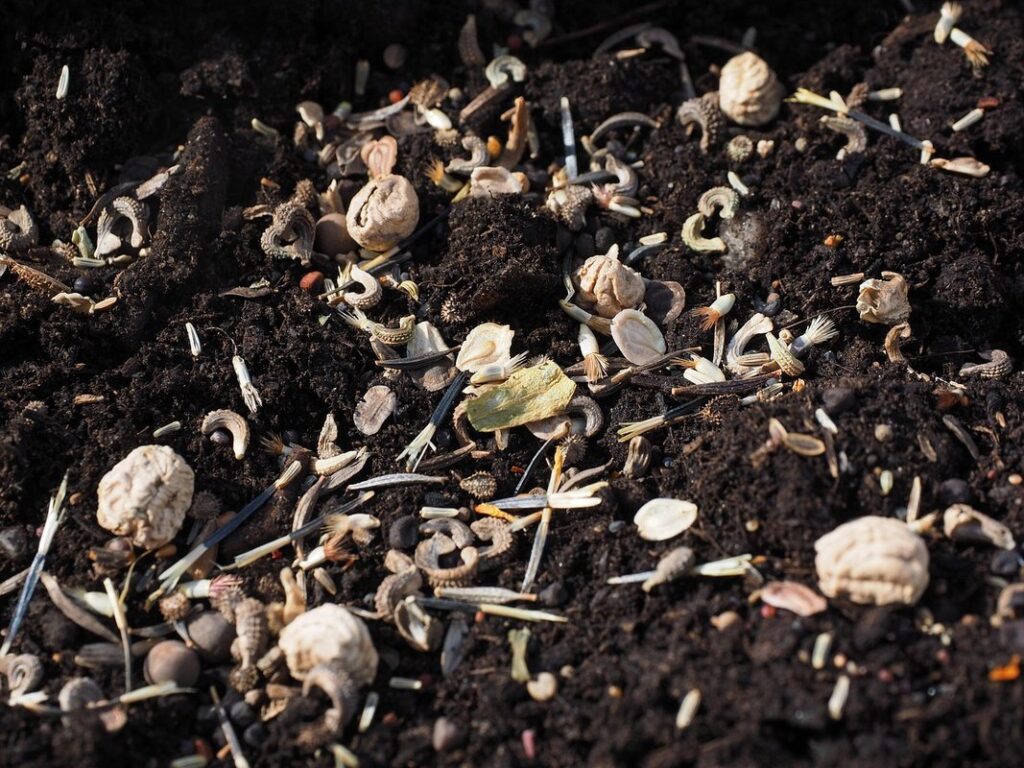
What is Soil Blocking Mix?
Soil blocking mix is a specially designed blend of peat moss, vermiculite, and perlite that serves as an alternative to traditional seed starting mixes. Let’s dive into what makes it so unique and beneficial.
Definition and Purpose
Soil blocking mix is a specialized blend of ingredients designed to help gardeners and nursery professionals create uniform, compact blocks of soil for seed starting and transplanting. At its core, the purpose of soil blocking mix is to provide a solid foundation for young plants to thrive, while minimizing waste and excess water.
Unlike other potting mixes on the market, soil blocking mix is specifically formulated to have the right balance of moisture retention and drainage. This unique blend typically includes ingredients such as peat moss, vermiculite, or perlite, which help regulate water absorption and prevent root rot.
The history of soil blocking mix dates back to the 1970s, when nursery professionals in California began experimenting with different combinations of materials to create a more efficient seed starting method. Today, soil blocking mix is widely used in greenhouse settings, where precision and control are crucial for producing healthy plants.
By using a high-quality soil blocking mix, gardeners can achieve remarkable results, including faster germination rates and healthier root systems.
Types of Soil Blocking Mix
There are several types of soil blocking mix available in the market, each with its unique characteristics and benefits. For gardeners who prioritize sustainability, organic soil blocking mixes are an excellent option. These mixes typically consist of natural ingredients like peat moss, vermiculite, and perlite, which are free from synthetic fertilizers and pesticides. Examples of popular organic brands include E.B. Stone Organics and Pro-Mix Organic.
On the other hand, inorganic mixes are often cheaper and more widely available. They usually contain a combination of lime, dolomitic limestone, and sand, which provide a sterile environment for plant growth. However, some gardeners may be concerned about the environmental impact of these mixes, as they can alter the soil’s pH levels.
Specialty mixes cater to specific needs, such as high-temperature tolerance or fast drainage. Brands like Promix and Miracle-Gro offer mixes designed for propagation, seed starting, and transplanting. When choosing a soil blocking mix, consider your plants’ requirements and select a mix that aligns with their unique needs.
Benefits of Using Soil Blocking Mix
Now that you know what soil blocking mix is and how it works, let’s dive into its benefits, including improved water retention and reduced transplant shock.
Improved Root Growth
Soil blocking mix is not just about getting plants off to a good start; it’s also crucial for promoting healthy root growth. When roots are given the right conditions from the beginning, they grow strong and resilient, making them better equipped to handle the stresses of transplanting.
Studies have shown that soil blocking mix can increase water retention in young seedlings by up to 30% compared to traditional potting mixes (Source: Journal of Environmental Science and Health). This is because the mix has a higher water-holding capacity due to its unique blend of peat moss, perlite, and vermiculite. With improved water retention comes reduced transplant shock, as seedlings are less likely to experience stress from sudden changes in moisture levels.
By using soil blocking mix, you can give your seedlings the best chance at developing robust root systems. To maximize the benefits, be sure to water gently but thoroughly after planting, and maintain consistent moisture levels until the seedling is established. With a solid foundation of healthy roots, your plants will thrive, even under challenging conditions.
Reduced Water Consumption
Using soil blocking mix can have a significant impact on reducing water consumption for plants. This is due to its unique blend of ingredients and structure, which allows it to hold moisture better than traditional growing mediums. The specific combination of peat moss, perlite, and vermiculite in soil blocking mix provides excellent water retention capabilities while also ensuring good drainage.
In a study conducted by the University of California, researchers found that plants grown in soil blocking mix required up to 30% less watering compared to those grown in traditional potting mixes. This is because the ingredients in soil blocking mix are designed to release moisture slowly over time, reducing the need for frequent watering.
When using soil blocking mix, it’s essential to water your plants correctly to take full advantage of its water-conserving benefits. Start by allowing the top 1-2 inches of the medium to dry out between waterings. This will help prevent root rot and ensure that the roots receive the right amount of moisture.
How to Make Your Own Soil Blocking Mix
Now that you have a solid understanding of what soil blocking mix is, it’s time to get hands-on and learn how to make your own custom blend at home. In this section, we’ll walk through the steps.
Ingredients and Ratios
To make an effective soil blocking mix at home, you’ll need to combine three essential ingredients: peat moss, perlite, and vermiculite. These components work together to provide the perfect balance of moisture retention, drainage, and aeration.
Start with 70-80% peat moss, which serves as the primary water-holding agent. Peat moss is an excellent choice due to its high cation exchange capacity, allowing it to retain nutrients while releasing them gradually to your plants. This ensures that your seedlings receive a steady supply of essential micronutrients.
Next, add 10-15% perlite, which helps with drainage and prevents waterlogging. Perlite’s unique structure allows excess moisture to escape, preventing the formation of anaerobic conditions that can lead to root rot. Mix in 5-10% vermiculite, which enhances aeration and promotes healthy root growth.
When combining these ingredients, remember to mix thoroughly to avoid any clumping or uneven distribution. A well-balanced soil blocking mix will provide optimal growing conditions for your seedlings, promoting strong root development and minimizing transplant shock.
Tips for Proper Mixing and Application
To achieve optimal results with your homemade soil blocking mix, it’s crucial to mix and apply it correctly. Start by measuring out the ingredients accurately, using a large bucket or container to combine them thoroughly. Begin by adding the perlite or vermiculite first, followed by the peat moss or coconut coir, and finally, the compost or worm castings. Mix everything together until you achieve a uniform texture.
When applying the mix, make sure to fill your soil blockers about 2/3 full of the mix. This allows for the seedlings’ roots to grow freely while providing sufficient support. To maintain consistency in the mix’s density and moisture levels, it’s essential to mix small batches regularly rather than preparing a large batch at once.
Common mistakes to avoid include overmixing the ingredients, which can lead to a dense or compacted mixture, or undermixing, resulting in uneven distribution of the components. Regularly checking the mix’s consistency and adjusting the water content as needed will help you achieve a smooth, workable texture that’s perfect for soil blocking.
Soil Blocking Mix vs. Other Potting Mixes: Key Differences
While it’s easy to assume all potting mixes are created equal, there are significant differences between soil blocking mix and other blends on the market that can impact your results. Let’s break down what sets them apart.
Comparison with Seed Starting Mix
When it comes to soil blocking mix vs. seed starting mix, there are several key differences that set them apart. One of the main distinctions is the ingredients used in each type of mix.
Seed starting mix typically contains peat moss or coconut coir, which helps retain moisture and suppress diseases. It also often includes perlite or vermiculite to improve drainage and aeration. On the other hand, soil blocking mix usually consists of a blend of composted organic matter, perlite, and sometimes sand. This combination allows for better water retention and structure.
In terms of usage, seed starting mixes are designed specifically for germinating seeds, providing optimal conditions for sprouting. They are generally finer in texture to facilitate good contact between the seed and the mix. Soil blocking mix, on the other hand, is formulated for creating small blocks or cubes of soil that can be used for transplanting seedlings into larger containers.
While both mixes serve their purposes well, the advantages of using each become apparent when considering specific growing needs. For instance, seed starting mix excels at providing a sterile environment for sensitive seeds, whereas soil blocking mix’s robust structure makes it an excellent choice for creating durable blocks that can withstand handling and transplanting. By understanding these differences, gardeners can choose the right mix for their unique requirements.
Comparison with General-Purpose Potting Mix
When it comes to potting mixes, many gardeners and growers reach for general-purpose blends. However, these mixes aren’t always the best choice for soil blocking. One key difference between soil blocking mix and general-purpose potting mixes lies in their ingredient ratios.
Soil blocking mix is specifically designed with a higher proportion of peat moss or coconut coir to improve water-holding capacity and reduce drying out. This results in a more consistent moisture level, which is crucial for the soil-blocking process. In contrast, general-purpose potting mixes may have a lower ratio of these ingredients, making them less suitable for this technique.
As a result, plants grown in soil blocking mix tend to perform better due to the optimal water-holding capacity and reduced risk of over-drying. In fact, studies have shown that using a high-quality soil blocking mix can lead to improved root development, increased yields, and enhanced overall plant health. If you’re planning to try soil blocking, it’s essential to choose a mix specifically designed for this purpose. This will give your plants the best chance of thriving in their new environment.
Best Practices for Using Soil Blocking Mix in Different Situations
Whether you’re a seasoned gardener or just starting out, knowing when to use soil blocking mix and how can make all the difference in your growing success. Let’s dive into real-world applications and best practices for using this versatile tool effectively.
Outdoor Gardening
When using soil blocking mix in outdoor gardens, it’s essential to consider the unique challenges that come with varying weather conditions and soil types. In areas with high temperatures and intense sunlight, such as deserts or Mediterranean climates, soil blocking mix can be prone to drying out. To combat this, add an extra layer of mulch or straw around plants to retain moisture and regulate soil temperature.
In regions with heavy rainfall or flooding, choose a water-repellent soil blocking mix to prevent erosion and root rot. This will help ensure that the structural integrity of your plants remains intact.
Regardless of weather conditions, using a high-quality soil blocking mix can significantly improve plant growth in poor soil types. Incorporate compost or well-rotted manure into the mix for enhanced nutrient availability and improved soil structure.
When preparing outdoor gardens, always assess local climate conditions and adjust the soil blocking mix accordingly. By taking these factors into account, you can achieve optimal results from your soil blocking mix and enjoy a thriving, vibrant garden all season long.
Indoor Gardening and Hydroponics
When it comes to using soil blocking mix indoors or in hydroponic systems, you’ll encounter unique challenges that require special consideration. Unlike traditional gardening, these environments often have limited space and controlled conditions, which can impact the performance of your soil mix.
Indoor gardens, for instance, may experience temperature fluctuations, humidity variations, and reduced light exposure. Hydroponics, on the other hand, involves growing plants in a nutrient-rich solution rather than soil. In both cases, the soil blocking mix must be tailored to these specific conditions.
To adapt your soil blocking mix for indoor or hydroponic use, start by selecting a mix specifically designed for these environments. Look for mixes with high water-holding capacity and good aeration properties. You may also need to adjust the pH levels of your mix to suit the requirements of your plants. Consider using a mix with built-in fertilizer or nutrient-rich additives to optimize growth in hydroponic systems. By making these adjustments, you can create an ideal growing environment for your plants in even the most challenging conditions.
Troubleshooting Common Issues with Soil Blocking Mix
You’ve encountered a stubborn blockage, and the mix just isn’t cooperating – don’t worry, we’re here to help you troubleshoot common issues. Let’s tackle them together!
Over- or Under-Mixing
When working with soil blocking mix, it’s not uncommon for gardeners to encounter issues related to over- or under-mixing. Over-mixing can result in a dense, hard mixture that prevents roots from growing properly, while under-mixing may lead to inconsistent texture and crumbling.
To adjust the ratio of ingredients and reconstitute the mix if necessary, start by checking the proportion of water to dry ingredients. If the mix is too wet, reduce the amount of water added or add more peat moss or perlite to absorb excess moisture. Conversely, if the mix is too dry, increase the water content gradually until you achieve a smooth consistency.
If your mix has become too dense due to over-mixing, try rehydrating it by adding small amounts of water and mixing well between each addition. This will help restore the mix’s original texture and balance. On the other hand, if your mix is too crumbly or inconsistent, you may need to re-blend it entirely.
When in doubt, consult the recipe guidelines for soil blocking mix and adjust accordingly. It’s also essential to work with fresh ingredients and store unused mix in airtight containers to prevent drying out.
Plant Performance Problems
When using soil blocking mix, it’s not uncommon to encounter issues that hinder plant growth. One of the most common problems is slow development. This can be caused by inadequate aeration, which prevents roots from growing properly. To address this issue, ensure that the mix has sufficient perlite or vermiculite content to promote airflow.
Another potential problem is yellow leaves, often a sign of overwatering. When using soil blocking mix, it’s easy to get carried away with watering, but this can lead to root rot and other issues. To prevent overwatering, check the mix’s water-holding capacity and adjust your watering schedule accordingly. A general rule of thumb is to water thoroughly until water drains out of the bottom tray.
To mitigate the risk of root rot, make sure to provide adequate drainage in your blocking setup. Use a well-draining soil mixture and ensure that excess water can escape. By taking these precautions, you can create an optimal environment for plant growth and avoid common issues associated with soil blocking mix. Regularly monitor your plants’ health and adjust your techniques as needed to achieve the best results.
Advanced Applications and Innovations in Soil Blocking Mix
In this next step, we’ll delve into the advanced applications and innovations that are taking soil blocking mix to the next level, from improved yields to sustainable practices.
Commercial Production
In large-scale agriculture and horticulture, soil blocking mix is revolutionizing commercial production with its efficiency and cost-effectiveness. This innovative technique involves mixing a specific blend of ingredients to create a uniform, dense block that can be easily planted and grown into mature plants.
One of the primary benefits of using soil blocking mix in commercial production is reduced labor costs. With traditional seed starting methods, farmers often need to spend hours transplanting delicate seedlings from small pots to larger containers. Soil blocks eliminate this tedious process, allowing for direct planting into the field or container.
Large-scale farms and nurseries are also incorporating soil blocking mix into their operations due to its water retention properties. This reduces watering needs by up to 50% compared to traditional potting mixes, saving farmers valuable resources and reducing waste.
Innovative applications of soil blocking mix include using it as a substrate for vertical farming systems, where space is limited. By using blocks that can be stacked vertically, farmers can maximize yields in urban environments while minimizing land use.
Research and Development
Research into improved formulations and applications of soil blocking mix is ongoing, with several notable breakthroughs and discoveries emerging in recent years. For instance, scientists have successfully developed a new type of soil blocking mix that incorporates beneficial microorganisms, which have been shown to improve plant growth rates by up to 25%. These “bio-enhanced” mixes are particularly well-suited for use in container gardens and indoor growing operations.
Researchers have also made significant strides in optimizing the pH levels of soil blocking mix. By carefully calibrating the mix’s acidity or alkalinity, growers can create an environment that is more conducive to healthy root development and nutrient uptake. This has led to increased crop yields and improved overall plant health.
One notable example of this research in action comes from a study conducted by a team of horticulturists at a leading agricultural university. They developed a custom soil blocking mix that incorporated locally-sourced organic matter, which resulted in a significant reduction in water usage among the treated plants compared to controls. This breakthrough has far-reaching implications for sustainable agriculture practices and water conservation efforts worldwide.
Frequently Asked Questions
Can I use soil blocking mix for seed starting directly from seeds, or is it best suited for transplanting?
Yes, you can use soil blocking mix for direct seeding, but keep in mind that the blocks may not break apart as easily. For direct seeding, a slightly coarser mix might be more suitable to allow for easier block breakdown.
How do I store my homemade soil blocking mix long-term without it breaking down or becoming too dry?
To maintain the quality of your homemade mix, store it in an airtight container in a cool, dry place. You can also add a small amount of bentonite clay to help retain moisture and prevent drying out.
Can I use any type of perlite in my soil blocking mix, or are there specific characteristics I should look for?
When selecting perlite, choose a high-quality product that is designed specifically for horticultural applications. Look for products with consistent particle sizes and minimal dust content to ensure optimal performance.
How do I adjust the ratio of peat moss to vermiculite in my soil blocking mix if I’m using a specific type of seed or plant?
The general 2:1:1 ratio (peat moss:vermiculite:perlite) can be adjusted based on the specific needs of your seeds or plants. For example, if you’re working with delicate seedlings, you may want to increase the peat moss content for added moisture retention.
What are some common mistakes to avoid when creating my own soil blocking mix, and how can I troubleshoot issues that arise?
Some common pitfalls include over-mixing or under-mixing the ingredients, leading to inconsistent block strength. To troubleshoot issues, inspect your blocks regularly for signs of weakness or unevenness, and adjust your mixing ratios accordingly.