
Growing poppies can be a thrilling experience, but it requires careful consideration of your local climate zone. The ideal conditions for these stunning flowers vary greatly depending on where you live. If you’re eager to grow a bountiful harvest of vibrant poppies in your garden, understanding the specific needs of these plants is crucial. In this article, we’ll guide you through the process of selecting the perfect variety for your climate zone, preparing the soil, and implementing expert planting techniques. You’ll also learn essential tips on winter care to ensure your poppy plants thrive even during the harshest months. Whether you’re a seasoned gardener or a newcomer to the world of flower cultivation, this comprehensive guide will help you grow stunning poppies in your area with ease.
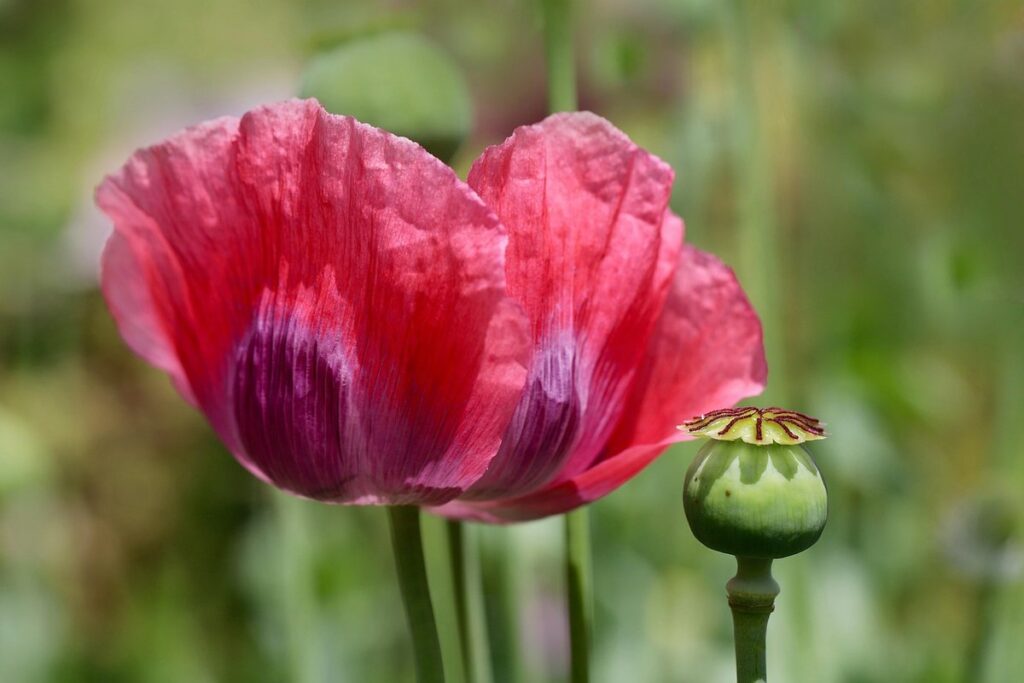
Understanding Poppies’ Hardiness Zones
When it comes to growing poppies, understanding their hardiness zones is crucial for success. Let’s dive into the specific regions where these beautiful flowers thrive best.
What are USDA Hardiness Zones?
When growing poppies, it’s essential to understand the concept of USDA hardiness zones. These zones are designated by the United States Department of Agriculture (USDA) and represent different areas with unique temperature ranges and climate conditions.
There are 11 zones in total, ranging from Zone 1 (the coldest) to Zone 11 (the warmest). Your zone is determined by your location’s average annual extreme minimum temperature. This is crucial when growing poppies because it directly affects their growth and survival. For example, if you’re in a colder zone, your poppy plants may need protection from frost, while those in warmer zones may require more frequent watering.
Understanding your USDA hardiness zone helps you choose the right varieties of poppies for your area. Some popular types, like the Shirley Poppy (Papaver rhoeas), thrive in cooler climates and are ideal for zones 3-8. In contrast, the California Poppy (Eschscholzia californica) excels in warmer zones 7-9. By knowing your zone, you can select the perfect poppy species to match your local conditions, ensuring a successful and thriving garden.
Interpreting Zone Maps and Their Limitations
When it comes to growing poppies, understanding their hardiness zones is crucial for success. Zone maps provide valuable information on which regions are suitable for these delicate flowers. However, it’s essential to approach zone maps with a critical eye, recognizing both their usefulness and limitations.
A well-crafted zone map typically displays a numerical system representing the average annual extreme minimum temperature in your area. Poppies generally thrive in zones 3-8, but this can vary depending on the specific species. For instance, California poppies prefer warmer climates (zones 7-9), while some species like the Oriental poppy are more tolerant of cooler temperatures.
Despite their value, zone maps may not always be entirely accurate. Local microclimates, elevation, and soil quality can significantly impact a plant’s ability to thrive in its designated hardiness zone. For example, an area with mild winters might experience frost pockets that could damage even the most resilient poppy varieties. To mitigate this risk, consider consulting local nurseries or gardening experts who are familiar with your region’s specific conditions. By doing so, you can make more informed decisions about which species will perform best in your area and develop strategies to address potential limitations.
Climate Considerations Beyond Hardiness Zones
While understanding poppies’ hardiness zones is essential for planting success, other climate factors can significantly impact their growth. Temperature fluctuations, for instance, can be detrimental to poppy health. Sudden drops in temperature can cause damage or even kill the plants, especially if they’re not properly hardened off before being exposed to outdoor conditions.
Rainfall patterns also play a crucial role in poppy cultivation. While these flowers are relatively drought-tolerant, prolonged periods of wet soil can lead to root rot and other problems. On the other hand, areas with limited rainfall may require supplemental watering to ensure adequate moisture levels.
Sunlight exposure is another critical aspect to consider when growing poppies. These plants generally thrive in full sun, but extreme heat can cause them to become scorched or discolored. Providing some afternoon shade can help mitigate this issue, especially in warmer climates.
Consider the specific climate conditions of your region and plan accordingly to create a thriving environment for your poppy plants.
Choosing the Right Poppies for Your Zone
When it comes to growing poppies, understanding your region’s climate and choosing the right varieties is crucial. Let’s explore how to select the perfect poppy species for your local zone.
Selecting Varieties Suitable for Your Region
When selecting poppy varieties for your garden, it’s essential to choose ones that are well-suited to your region’s climate and growing conditions. With over 100 species of poppies to choose from, you’ll want to consider factors like hardiness zone, soil type, and moisture levels.
For example, the popular Shirley poppy (Papaver rhoeas) is a great choice for cooler climates with moderate winters. It prefers well-drained soil and full sun, making it ideal for zones 4-8. In contrast, the Icelandic poppy (Papaver nudicaule) thrives in warmer zones (5-9), tolerating some drought but requiring well-draining soil.
To choose the right variety for your zone, start by checking the plant label or seed packet for specific growing requirements. You can also research online resources or consult with local nurseries to determine which varieties have performed well in your area. By selecting poppies that are adapted to your region’s conditions, you’ll be more likely to enjoy a vibrant and healthy crop of these beautiful flowers.
Factors Affecting Poppy Performance in Specific Zones
When growing poppies in specific hardiness zones, it’s essential to consider several factors that can impact their performance. Temperature tolerance is one such factor, as poppies are sensitive to extreme temperatures. In areas with intense heat or frost, they may require protection or special care to thrive.
Moisture levels also play a crucial role in poppy growth. Poppy seeds need consistent moisture to germinate and establish themselves, but overwatering can lead to root rot and other issues. In zones with high humidity, be cautious not to create an environment that fosters fungal diseases.
Another critical factor is pest and disease susceptibility. Poppies are susceptible to aphids, whiteflies, and spider mites in warmer climates, while cool-season poppies may be vulnerable to powdery mildew and leaf spot. To mitigate these risks, choose resistant varieties or implement integrated pest management strategies.
To determine the best approach for your region, consider consulting local nurseries, gardening experts, or online resources specific to your hardiness zone. This will help you make informed decisions about planting times, soil preparation, and maintenance practices tailored to your poppies’ unique needs in their new environment.
Preparing Your Soil for Poppies
Before you can enjoy a vibrant poppy bloom, it’s essential to prepare your soil for these delicate flowers. This means creating a well-draining environment that’s rich in nutrients.
Testing and Understanding Your Soil Type
When it comes to growing poppies, understanding your soil type is crucial for their optimal growth and development. Soil testing may seem like a daunting task, but it’s essential to determine the pH level, nutrient content, and other characteristics of your soil.
Start by purchasing a DIY soil testing kit or sending a sample to a lab for analysis. This will give you an idea of your soil’s pH level, which poppies prefer a slightly acidic to neutral range (around 6.0-7.0). You can also use vinegar or baking soda to adjust the pH level, but be cautious not to overdo it.
In addition to pH, test for nutrient content, including nitrogen, phosphorus, and potassium levels. Poppies require well-draining soil with moderate fertility, so aim for a balanced mix of nutrients. Also, check for contaminants like heavy metals or pesticides that can harm your plants.
Once you have the results, tailor your fertilization and care routine accordingly. For example, if your soil is deficient in phosphorus, add some compost or bone meal to promote healthy root growth. By understanding your soil type and making adjustments as needed, you’ll be well on your way to growing vibrant, thriving poppies.
Amendments for Improving Poppy Growth in Different Soils
When it comes to growing poppies, soil fertility and structure play a crucial role. If you live in an area with poor soil quality, don’t worry – there are several amendments that can help improve conditions for optimal poppy growth.
One of the most effective organic options is adding compost to your soil. Compost rich in nutrients like nitrogen, phosphorus, and potassium will provide poppies with the essential building blocks they need to thrive. To incorporate compost into your existing soil, mix 2-3 inches of it into the top 6-8 inches of soil before planting.
Another organic choice is bone meal, a slow-release fertilizer that adds phosphorus to the soil. This nutrient promotes healthy root development and flower production in poppies. Sprinkle 1-2 cups of bone meal around each plant when transplanting or after 4-6 weeks of growth.
Chemical options like ammonium sulfate and urea can also improve soil fertility, but be cautious not to over-fertilize, as this can damage your plants. Start with small amounts (about 10-15 pounds per 100 square feet) and monitor your poppies’ response before adding more.
In regions with heavy clay or sandy soils, using mulch can help stabilize the ground and retain moisture. Apply a 2-inch layer of organic mulch around each plant to protect the roots from extreme temperatures and reduce soil erosion.
It’s essential to test your soil pH levels before applying any amendments, as some products may alter the soil’s acidity or alkalinity. Based on the specific needs of your poppies, incorporate these adjustments to create an optimal growing environment.
Planting Poppies: Timing and Techniques
When it comes to planting poppies, timing is everything – knowing when to sow your seeds and how to care for them will make all the difference in achieving a successful bloom. Let’s dive into the best techniques.
Best Times for Planting in Various Zones
When it comes to planting poppies, timing is everything. The ideal time for planting varies depending on the hardiness zone you’re in, as well as factors like temperature and rainfall. In general, spring is a great time to plant poppies, as the soil has had a chance to warm up from winter and the risk of frost has passed.
In Zone 3-5, where winters are cold and snowy, it’s best to wait until late April or early May when the soil can be worked. This allows the seedlings to establish themselves before the hot summer sun sets in. In contrast, Zones 6-8 have a longer growing season, making spring (March to May) an ideal time for planting.
In warmer zones like 9 and above, it’s best to plant in fall or early winter (September to November), as this gives the poppies a chance to establish themselves before the heat of summer. Avoid planting during periods of intense rainfall or extreme temperatures, as this can lead to poor germination and weak growth. By considering your hardiness zone and local climate conditions, you can give your poppy plants the best possible start in life.
Tips for Effective Poppy Planting
When it comes to planting poppies, proper technique is essential for healthy growth and blooming. To begin, choose a spot with well-draining soil and full sun, as poppies require at least six hours of direct sunlight per day.
For sowing seeds, start by preparing the soil in early spring or fall, when the weather is cooler. Sow seeds directly into the ground, about 1/4 inch deep and 6-8 inches apart. This spacing will allow for proper air circulation and prevent overcrowding, which can lead to disease and pests.
Alternatively, you can sow seeds indoors 2-3 weeks before transplanting outside. Keep the soil consistently moist during germination, but avoid overwatering, as this can cause roots to rot. Thin seedlings to 12 inches apart once they reach 4-6 inches tall, ensuring a strong, healthy stem for blooming.
Remember, poppies have taproots that prefer to grow deep into the soil, so avoid cultivating or tilling too close to the plants. By following these tips, you’ll be well on your way to growing vibrant, beautiful poppy blooms in your garden.
Common Challenges and Solutions for Poppies in Your Zone
Growing poppies can be a challenge, especially when your garden faces specific issues such as poor soil quality or unpredictable weather patterns that hinder their growth. Let’s tackle these common obstacles together and explore practical solutions for each one.
Dealing with Temperature Extremes
When dealing with temperature extremes, it’s essential to protect your poppies from both heatwaves and frost damage. In regions prone to intense sunlight, such as California, poppy leaves can become scorched if not provided with sufficient shade during the hottest part of the day.
To combat this issue, consider using a trellis or other support to create a canopy that filters the sun’s rays. This will not only prevent scorching but also promote healthy growth by reducing soil temperature. Additionally, mulching around the plants can help retain moisture and regulate soil temperature, keeping it cooler in summer and warmer in winter.
If you live in an area with occasional frosts, such as parts of Europe or North America, be prepared to protect your poppies from damage. Bring potted plants indoors during prolonged periods of frost, or use row covers to shield the ground-level foliage. For gardeners in zones where frost is a more frequent occurrence, consider planting varieties that are bred for their cold hardiness.
When choosing poppy varieties, research those specifically developed for your region’s climate and temperature fluctuations. This will ensure you’re planting species that can withstand local conditions, minimizing the need for excessive protection measures.
Managing Moisture Levels for Optimal Growth
Managing moisture levels is crucial for poppy growth. Overwatering can lead to root rot and other problems, while underwatering can cause stunted development. To strike the right balance, check soil moisture by inserting a finger into the soil up to the knuckle. If it feels dry, water lightly but thoroughly.
A general rule of thumb is to provide about 1 inch of water per week through rainfall or irrigation. However, this can vary depending on your specific climate and region. For instance, in areas with high humidity like the Pacific Northwest, you may need to adjust your watering schedule accordingly.
Poppies are also sensitive to extreme temperature fluctuations. Avoid getting water on the leaves to prevent fungal diseases from taking hold. Instead, water at soil level or use a drip irrigation system if possible. By being mindful of these factors and making adjustments as needed, you can create an optimal environment for poppy growth in your zone.
Keep in mind that different varieties of poppies have varying moisture requirements. Research the specific needs of your chosen variety to ensure you’re providing the right conditions.
Encouraging Repeat Bloom and Winter Care
To ensure a vibrant display year after year, let’s dive into the essential steps for encouraging repeat bloom and caring for your poppies during the winter months successfully.
Techniques for Promoting Continuous Blooming
To encourage repeat blooming in your poppies, it’s essential to understand their natural growth cycle and respond accordingly. Deadheading is a crucial technique that involves removing the spent flowers from the plant as soon as they fade. This will not only maintain the plant’s appearance but also direct the energy towards producing new blooms. Simply snip off the faded flower head at the stem, just above a leaf node.
Another technique for promoting continuous blooming is pruning. Prune your poppies in late summer or early fall to encourage fresh growth and new flowering stems. Cut back the stalks to about one-third of their height, making sure to remove any dead or damaged tissue. This will help stimulate root growth, which in turn will promote more vigorous flowering.
Proper fertilization is also vital for repeat blooming. Feed your poppies with a balanced fertilizer during the growing season, following the manufacturer’s instructions. Avoid over-fertilizing, as this can lead to weak, leggy growth and fewer blooms. By combining deadheading, pruning, and proper fertilization, you’ll be well on your way to enjoying a continuous display of beautiful poppy flowers throughout the growing season.
Preparing Your Poppies for Winter Survival
As winter approaches, it’s essential to prepare your poppy plants for the harsh weather conditions. This is crucial if you want them to thrive and come back strong next spring. Cut back the stems of your poppies to about 6-8 inches from the ground after the first frost. This will help protect the crown of the plant from damage caused by freezing temperatures.
Mulching around the base of your poppy plants can also provide extra protection against extreme cold. Apply a layer of organic mulch, such as straw or wood chips, to retain moisture and regulate soil temperature. Avoid piling mulch directly against the stems, as this can cause rotting.
Another important step is to divide and replant any overgrown clumps of poppies in the fall. This will give them room to breathe and prevent overcrowding, which can lead to disease and pest issues. Dig up the entire clump, gently separate the roots, and replant the new divisions about 12-18 inches apart.
By following these simple winter care steps, you’ll be ensuring your poppy plants remain healthy and resilient throughout the cold months, setting them up for a vibrant comeback next spring.
Conclusion and Additional Resources
Now that you’ve learned how to grow poppies in your ideal climate and region, let’s summarize what we’ve covered so far.
Recap of Key Takeaways
In recap, growing poppies requires careful consideration of their ideal climate and regions. As we’ve discussed, these beautiful flowers thrive in temperate climates with moderate temperatures and adequate moisture. When choosing a location for growing poppies, make sure it receives full sun to partial shade, depending on the specific variety.
It’s essential to understand that different types of poppies have varying requirements, so be sure to research the specific needs of your chosen variety. For example, Oriental poppies prefer well-drained soil and full sun, while Himalayan blue poppies require more moisture and partial shade.
To ensure success when growing poppies, remember to plant them in a location with good air circulation to prevent disease. Also, be mindful of their sensitivity to extreme weather conditions such as intense heat or cold temperatures.
By following these key takeaways, you’ll be well on your way to cultivating stunning poppy blooms in your garden. Whether you’re a seasoned gardener or just starting out, growing poppies can be a rewarding and enjoyable experience with the right knowledge and preparation.
Recommended Reading and Further Research
If you’re interested in learning more about growing poppies, I recommend checking out the following books and online resources. “The New Seed Starter’s Handbook” by Nancy Bubel is an excellent resource for anyone looking to start seeds indoors or outdoors, including poppy varieties.
For those interested in specific regional guidelines, I suggest consulting “Regional Vegetable Gardening: The Essential Guide to Growing What’s Best Where You Are” edited by John A. Forti and David Mello. This book provides detailed information on climate zones and growing conditions for various regions across North America.
If you’re looking for articles or online forums with specific advice on poppy cultivation, I recommend checking out websites like GardenWeb, Reddit’s r/Gardening community, or the Royal Horticultural Society (RHS) website. These resources offer a wealth of information from experienced gardeners and horticulturists who have extensive knowledge about growing various types of plants, including poppies.
Additionally, you can also check out online seed libraries like Seed Savers Exchange, which provides access to heirloom varieties and expert advice on propagation and cultivation techniques.
Frequently Asked Questions
What if I’m unsure of my USDA hardiness zone?
If you’re not sure of your local hardiness zone, you can visit the USDA’s Plant Hardiness Zone Map website or consult with a local nursery or gardening expert for guidance. They can help you determine your zone and provide recommendations for poppy varieties that will thrive in your area.
How do I choose between different types of poppies for my garden?
With so many stunning varieties to choose from, selecting the right type of poppy can be overwhelming. Consider factors like bloom size, color, and growth habits when making your decision. For example, if you want a dramatic statement piece, look for tall, showy varieties like ‘Papaver somniferum’. If you prefer something more compact, opt for dwarf or semi-dwarf varieties.
Can I still grow poppies in areas with poor soil quality?
Yes, while poppies do best in well-draining, fertile soils, they can adapt to less-than-ideal conditions. To improve growth and bloom size in poor soils, add organic matter like compost or manure to enrich the soil and improve drainage. You may also need to amend your soil regularly to maintain optimal growing conditions.
How do I ensure my poppies survive extreme temperature fluctuations?
Poppies are generally hardy but can be sensitive to sudden temperature changes. To protect your plants from damage, mulch around the base of the stems to insulate the soil and prevent moisture loss. You can also provide protection during extreme cold snaps by covering the area with a frost blanket or tarp.
What if I notice pests or diseases affecting my poppy plants?
Common issues like aphids, powdery mildew, and root rot can be detrimental to your poppies. Monitor your plants regularly for signs of infestation or infection, and take action promptly by using organic pest control methods or fungicides as needed. Practice good garden hygiene, such as removing weeds and debris, to prevent the spread of disease.