
If you’re an avid gardener or nature enthusiast, chances are you’ve spotted those striking cones hanging from the branches of mature magnolia trees. But have you ever stopped to consider what they really are and why they matter? Those large, cone-like seed pods are a crucial part of the tree’s reproductive cycle, producing seeds that will eventually grow into new magnolias. Understanding how these seed pods work is essential for effective garden design and wildlife attraction. In this article, we’ll delve into the structure and importance of magnolia tree seed pods, exploring their role in plant reproduction, and discover some creative ways to use them in your garden or landscape design.
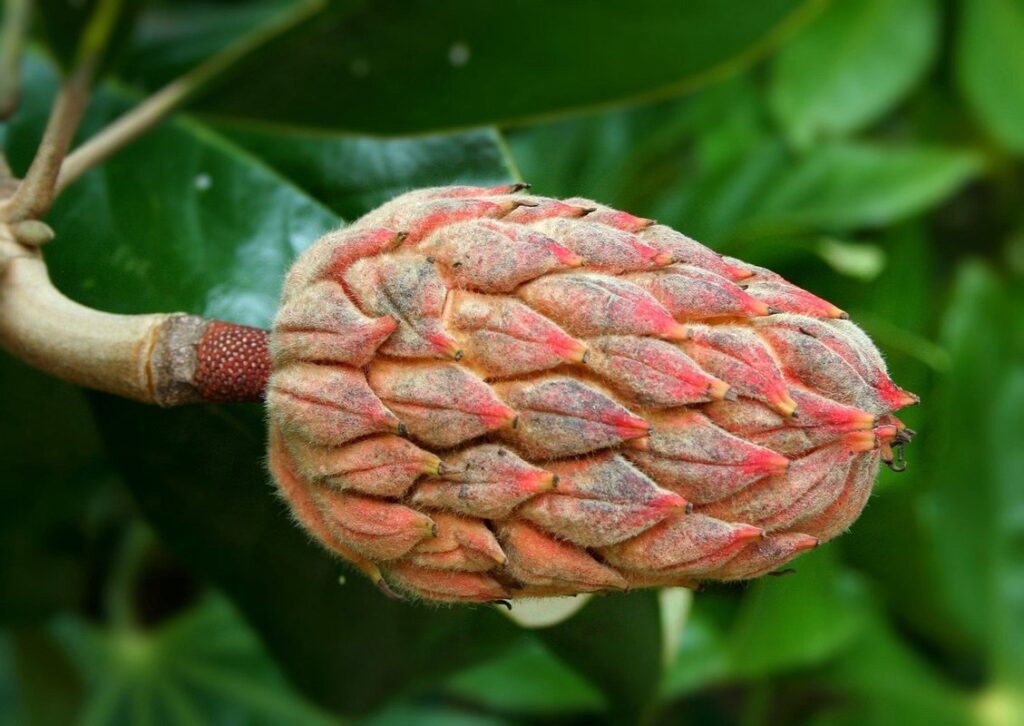
What are Magnolia Tree Seed Pods?
Magnolia tree seed pods, also known as cones, play a crucial role in the reproduction of magnolia trees. Let’s take a closer look at what they are and their unique characteristics.
Definition and Purpose
Magnolia tree seed pods are an essential part of the plant’s life cycle and play a crucial role in its reproduction. In simple terms, seed pods are the protective casings that contain the seeds produced by magnolia trees. These pods serve as a shield for the delicate seeds, safeguarding them from environmental stressors such as extreme temperatures, drought, and diseases.
The primary function of magnolia tree seed pods is to facilitate the dispersal of seeds. Within each pod, there are typically 2-6 seeds, depending on the species. When mature, the pod splits open, releasing the seeds, which then fall to the ground, carrying with them a portion of the parent plant’s genetic material.
For magnolia trees, seed pods serve as a vital means of reproduction and propagation. As they grow and mature, the trees invest significant energy into producing these pods, which are essential for ensuring the continuation of their lineage. By understanding the role of seed pods in the life cycle of magnolia trees, gardeners and enthusiasts can better appreciate the complexity and beauty of these remarkable plants.
Anatomy of a Seed Pod
When you take a closer look at a magnolia tree seed pod, you’ll notice it’s made up of several distinct parts. The outer covering, also known as the exocarp, is typically brown or tan in color and slightly leathery to the touch. This protective layer helps shield the seeds from damage and drying out.
Inside the pod, you’ll find multiple seeds arranged in a spiral pattern, often nestled among a fleshy pulp called the endosperm. The seeds themselves are usually large and oval-shaped, with a ridged or warty texture on their surface. Each seed contains an embryo that will eventually grow into a new magnolia tree.
The pod’s internal structure also includes several fibrous strands that connect the seeds to each other and to the pulp. These strands help support the developing seeds as they mature and prepare for dispersal. As you examine the seed pod, pay attention to its overall shape and size – it can give you clues about the type of magnolia tree it came from.
Types of Magnolia Tree Seed Pods
As you delve into the fascinating world of magnolia tree seed pods, let’s take a closer look at the different types that can be found in nature. From cone-like to follicle-shaped, each type is unique and interesting.
Deciduous vs. Evergreen Varieties
When it comes to magnolia tree seed pods, not all trees are created equal. Deciduous and evergreen varieties have distinct differences in seed production, influenced by climate, soil quality, and geographic location.
Deciduous magnolias, which shed their leaves seasonally, tend to produce smaller, more dispersed seed pods. This is because they focus energy on producing a single, large flower or foliage display each year. In contrast, evergreen magnolias, with their constant greenery, can generate numerous smaller flowers and seeds throughout the growing season.
Climate plays a significant role in determining seed production. Evergreen trees in mild winter climates can produce an abundance of small seeds, while deciduous trees in cooler regions may only produce a few large seeds per pod. Soil quality also affects seed pod size and quantity – well-drained soil with adequate nutrients can support healthy tree growth and larger seed pods.
When choosing a magnolia species for your garden or landscape, consider the local climate, soil conditions, and geographic location to ensure optimal seed production. This will help you appreciate the beauty of these fascinating trees and enjoy their unique characteristics.
Large vs. Small Seed Pods
When it comes to magnolia tree seed pods, one of the most striking differences is their size and shape. Some species produce large, conical seed pods that can grow up to 30 inches long, while others have much smaller, ovoid pods that are only a few inches in length.
In terms of color, seed pods can range from a deep brown to a light tan or even a reddish-brown hue. The number of seeds per pod also varies greatly between species, with some producing dozens of seeds and others having as few as 5-10.
For example, the Southern Magnolia (Magnolia grandiflora) produces large, conical seed pods that are typically around 6-8 inches long and contain numerous small seeds. In contrast, the Sweetbay Magnolia (Magnolia virginiana) has smaller, ovoid seed pods with only a few dozen seeds per pod.
When identifying magnolia species based on their seed pods, it’s essential to consider these characteristics as well as other factors such as leaf shape and size, flower color and arrangement, and bark texture. By taking the time to observe and record these details, you can develop a more nuanced understanding of the diversity within the Magnolia genus.
How to Identify Magnolia Tree Seed Pods
Identifying magnolia tree seed pods can be a fun and rewarding experience, especially if you’re new to gardening. In this next step, we’ll guide you through what to look for.
Characteristics for Identification
When identifying magnolia tree seed pods, there are several key characteristics to look out for. One of the most distinctive features is their shape, which can vary depending on the specific species of magnolia. For example, some magnolia trees produce cones that resemble tiny footballs or ovals, while others have elongated seed pods with a more pointed tip.
Texture is another important identifier, as magnolia tree seed pods are often slightly sticky to the touch due to their high oil content. This texture can be quite distinctive compared to other types of seed pods. Size is also a good indicator, as magnolia trees tend to produce relatively large seeds, typically ranging from 2-6 inches in length.
To help you identify magnolia tree seed pods with confidence, here are some tips: pay close attention to the shape and texture of the seed pod, and look for the distinctive ridges or furrows that run along its surface. Also, check the size and weight of the seed pod – magnolias tend to produce relatively heavy seeds due to their high oil content. By paying attention to these characteristics, you should be able to confidently identify magnolia tree seed pods in your garden or on a nature walk.
Similar Looking Seed Pods
When out foraging or simply strolling through nature, it’s easy to get confused about which seed pods belong to a magnolia tree and which ones don’t. Some species of trees, like oak, maple, and cherry, produce seed pods that can resemble those of the beautiful magnolia tree.
For example, white oak (Quercus alba) produces samaras – two winged seeds attached together by a small stalk. These look almost identical to some types of magnolia seed pods, especially from trees like Magnolia grandiflora or Magnolia virginiana. To identify these correctly, take note that the wings on an oak’s samara are usually slightly larger and more deeply lobed compared to those found on magnolia seeds.
Another similar-looking seed pod comes from the red maple (Acer rubrum). These seeds also grow in pairs, with long, slender stalks connecting them. The shape is somewhat like a miniature helicopter blade – a characteristic that’s also present on some types of magnolia seeds. However, maple seeds tend to be lighter and more delicate than those produced by magnolias.
Lastly, the seed pods from cherry trees (Prunus serrulata) can sometimes be mistaken for magnolia seeds as well. Cherry seeds are typically red or yellow when mature and grow attached to a long stem. They resemble tiny lanterns hanging on thin stalks – an appearance that might initially lead one to believe they belong to the beautiful magnolia tree.
It’s essential to know your trees correctly, especially if you’re planning to cultivate new ones in your garden or foraging expedition. Take the time to observe and study the distinguishing features of different seed pods before identifying them as belonging to a specific species.
Propagation Using Magnolia Tree Seed Pods
If you’re eager to multiply your beloved magnolias, propagation using seed pods is a viable and exciting method. We’ll walk through the process step by step.
Germination Rates and Challenges
Germinating magnolia tree seeds can be a delicate process, and understanding the factors that affect germination rates is crucial for successful propagation. The quality of the seed itself plays a significant role, as poor-quality seeds may have lower germination rates or not germinate at all.
Soil moisture levels are also critical, as either too little or too much water can hinder germination. Magnolia tree seeds typically require consistent moisture to break dormancy and initiate growth. Aim for soil that is moist but not waterlogged, as this will help prevent fungal infections that can harm the seedling.
Temperature is another important factor, with most magnolia species requiring a cool period of around 30-40°F (1-4°C) to induce germination. Be cautious not to expose the seeds to extreme temperatures, which can damage the embryo and reduce germination rates.
In ideal conditions, with good-quality seeds and optimal temperature and moisture levels, you can expect germination rates ranging from 50% to 90%. However, it’s essential to be patient and monitor your seed pods regularly, as some species may take longer than others to germinate.
Planting Tips and Tricks
When it’s time to plant your magnolia tree seedlings, you’ll want to make sure they get off to a strong start. Let’s go over some essential planting tips and tricks.
First, choose a location with well-draining soil that receives full sun to partial shade. Make sure the area is clear of any debris or weeds that could compete with your new seedling for water and nutrients. Plant your magnolia tree in the early spring or fall, when the weather is cooler, as this will help reduce transplant shock.
When spacing your magnolias, keep in mind that they can grow quite large – some varieties can reach up to 80 feet tall! A good rule of thumb is to plant them at least 15-20 feet apart from one another. Water your seedlings regularly during their first growing season, providing about 1 inch of water per week.
As for fertilizing, a balanced fertilizer (10-10-10) will provide the necessary nutrients for healthy growth. However, avoid over-fertilizing as this can damage the tree’s roots and lead to weak or stunted growth.
Uses for Magnolia Tree Seed Pods in Garden Design
Magnolia tree seed pods offer a wealth of creative possibilities, and one way to incorporate them into your garden design is by repurposing their unique shapes and textures. You can use them as decorative accents in planters or vases.
Ornamental Value
Magnolia tree seed pods are often overlooked as a decorative element in garden design, but they have an undeniable ornamental value. Their unique shape and texture can add visual interest to any space, making them a great addition to your garden or indoor arrangements.
The intricate details on the surface of magnolia seed pods, such as ridges and bumps, give them a tactile appeal that invites exploration. They come in a range of colors from creamy white to deep brown, offering versatility for various design schemes. For instance, pale-colored pods can complement delicate flowers like hydrangeas or roses, while darker-hued ones can blend seamlessly with bold foliage.
When using magnolia seed pods as decorative elements, consider the following tips: combine them in small groups with other natural materials like branches and stones to create a visually appealing vignette; use them as bookends or vases for flowers; or arrange them in a shallow bowl to add texture to your coffee table. By incorporating these fascinating seed pods into your garden design, you can add an extra layer of depth and interest that will leave onlookers wondering about the story behind their unique beauty.
Wildlife Attraction
Magnolia tree seed pods can be a treasure trove for attracting wildlife to your garden. These large, cone-shaped structures are not only visually striking but also provide a vital source of food and shelter for various animals.
Birds, in particular, are drawn to the seed pods’ rich supply of seeds, which are an essential component of their diet. Many species, such as woodpeckers, blue jays, and titmice, visit magnolia trees during peak fruiting seasons to feed on the seeds. You can encourage these visitors by placing a few seed pods in strategic locations throughout your garden or near bird feeders.
Squirrels are also known to inhabit magnolia tree seed pods, using them as nesting sites or storing seeds for later consumption. If you’re concerned about squirrel populations in your area, consider adding some native plants that provide alternative food sources and shelter. By incorporating magnolia tree seed pods into your garden design, you’ll not only add visual interest but also create a haven for local wildlife to thrive.
Landscaping Ideas
Magnolia tree seed pods can be more than just a decorative element in your garden design. They offer numerous possibilities for creating stunning landscapes that not only add visual appeal but also provide benefits to local wildlife.
One of the most striking ways to incorporate magnolia trees into your landscape is through mass plantings. Imagine a sprawling lawn covered with vibrant flowers and towering trees, their branches swaying gently in the breeze. This is exactly what you can achieve by planting multiple magnolia trees together. The key is to choose varieties that have similar growth habits and bloom times so they create a cohesive look.
Specimen trees are another excellent way to showcase your magnolia tree seed pods. Choose a single, mature tree with striking characteristics such as unique bark patterns or an impressive canopy. This will become the focal point of your garden, drawing attention from passersby and creating a sense of grandeur.
If you’re looking for something more structured, consider using magnolia trees to create hedges. Not only do they provide a natural barrier against noise and wind, but their evergreen foliage also adds year-round interest to your garden.
Conclusion
Now that we’ve explored the fascinating world of magnolia tree seed pods, let’s summarize the key takeaways and highlight the importance of these remarkable structures.
Recap of Key Points
In reviewing the world of magnolia tree seed pods, it’s clear that these unique structures play a vital role in the life cycle of the magnolia tree. We’ve explored various aspects of these seeds, from their distinctive shape and size to their role as a food source for wildlife.
One key takeaway is that understanding the different types of magnolia tree seed pods can be beneficial for gardeners and nature enthusiasts alike. By recognizing the characteristics of each type, you can better identify and care for magnolia trees in your area. Additionally, appreciating the intricate details of these seeds can foster a deeper connection with nature.
From a horticultural perspective, it’s essential to note that not all magnolia tree seed pods are created equal. Some species produce large, fleshy pods, while others have smaller, more elongated ones. Understanding these variations can help you choose the right magnolia tree for your garden or landscaping project.
Ultimately, exploring the fascinating world of magnolia tree seed pods has shown us the importance of respecting and understanding these natural wonders. By doing so, we can appreciate their beauty and significance in our ecosystem.
Final Thoughts and Recommendations
As you’ve learned about the unique characteristics and potential uses of magnolia tree seed pods, we hope you’re now inspired to explore this fascinating aspect of these magnificent trees. In conclusion, it’s essential to acknowledge the importance of preserving and utilizing these seed pods.
Consider incorporating magnolia tree seed pods into your home decor or garden design as a beautiful and functional feature. You can use them as a unique container for small plants or herbs, add them to wreaths and centerpieces, or even use them as a decorative accent in your interior spaces.
Additionally, don’t overlook the potential health benefits of magnolia tree seed pods. Some species have been used in traditional medicine for centuries, and they may also offer antioxidant and anti-inflammatory properties when used in skincare products or teas.
If you’re feeling crafty, consider using magnolia tree seed pods as a creative medium for art projects or jewelry-making. The intricate patterns and shapes can add an extra layer of uniqueness to your creations. Whatever your approach, we encourage you to experiment and find innovative ways to appreciate these remarkable seed pods.
Frequently Asked Questions
Can I propagate magnolia tree seed pods indoors?
Yes, you can propagate magnolia tree seed pods indoors, but it’s crucial to provide them with the right conditions for germination. Make sure the seeds are planted about 1 inch deep in a well-draining mix and kept moist but not waterlogged. Keep the area warm (around 70-80°F) and provide indirect sunlight. It may take several months for the seeds to germinate.
How do I identify magnolia tree seed pods in winter?
Identifying magnolia tree seed pods during winter can be challenging due to their dormant state. However, look for any remaining leaves or branches with cones attached. These cones will often persist on the tree even after leaf drop. If you’re still unsure, consult a field guide or seek advice from a local gardening expert.
Are all magnolia tree seed pods suitable for ornamental use?
Not all magnolia tree seed pods are suitable for ornamental use. Some species produce seed pods that are too large or have an unpleasant odor, making them less desirable in garden design. For example, the Southern Magnolia (Magnolia grandiflora) produces relatively small and aromatic cones, which can add to their ornamental value.
Can I collect magnolia tree seed pods from nearby trees?
Yes, you can collect magnolia tree seed pods from nearby trees, but ensure that the trees are healthy and not diseased. Also, check local regulations regarding seed pod collection, as some areas may have restrictions in place to protect native plant species.
How long do magnolia tree seed pods typically stay on the tree?
The duration that magnolia tree seed pods stay on the tree varies depending on the species and environmental conditions. Generally, they can persist for several months after leaf drop, but it’s not uncommon for them to fall off or be dislodged by strong winds.