
Are you tired of staring at seed catalogs, wondering when to bring your gardening dreams to life? Starting seeds indoors can be both an exciting and intimidating process, especially if you’re new to gardening. With so many factors to consider, such as climate, plant type, and specific region conditions, it’s no wonder you might be unsure where to begin.
In this article, we’ll break down the basics of seed starting, including choosing the perfect time for your area, mastering temperature control, and learning expert tips for a successful indoor growing experience. Whether you’re a seasoned gardener or just starting out, understanding how to select the right moment to start seeds indoors will help ensure a bountiful harvest and save you from frustration come springtime. By following our simple guide, you’ll be well on your way to growing healthy, thriving plants that will bloom all season long!
Understanding Seed Starting Basics
To grow healthy seedlings, you need a solid grasp of the basics: how and when to sow, what type of seeds work best for indoor starting.
What is Seed Starting?
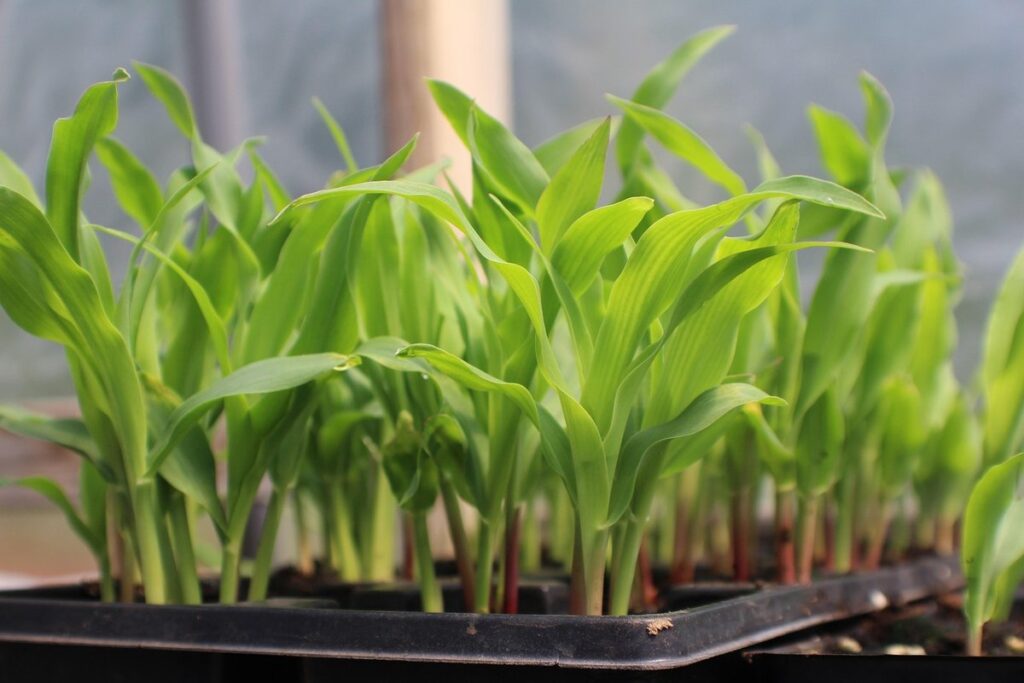
Seed starting is an essential skill for any gardener to master, and it’s exactly what it sounds like: starting seeds indoors before transplanting them outside. This technique allows you to get a head start on the growing season, giving your plants a boost of health and a jumpstart on growth.
When done correctly, seed starting can be a game-changer for your garden. Not only does it provide an opportunity to control the environment and ensure optimal conditions for germination, but it also helps to reduce transplant shock when the seedlings are eventually transplanted outside. According to expert recommendations, seeds should be started indoors 4-6 weeks before the last frost date in your area.
For instance, if you live in a region with a last frost date of May 15th, you would start seeds for warm-season crops like tomatoes and peppers around April 1st. This allows them to get established and hardened off before being transplanted outside. Remember, seed starting is not just about getting a head start; it’s also about creating healthy plants that will thrive in their new environment.
Types of Plants Suitable for Indoor Seeding
When it comes to indoor seeding, not all plants are created equal. While some can thrive in the warmth and light of a sunny windowsill, others may struggle to survive. As an indoor seed starter, you’ll want to focus on plants that are well-suited for this environment.
Flowers like petunias, begonias, and geraniums make excellent choices for indoor seeding. They’re relatively easy to grow from seed and can tolerate the cooler temperatures of a north-facing window. Tomatoes, peppers, and eggplants are also popular options for indoor seeding, as they can be started 4-6 weeks before the last frost date in your area.
Herbs like basil, mint, and cilantro are another great option for indoor seeding. They’re fast-growing and can be harvested in as little as 2-3 weeks after sowing. When choosing plants for indoor seeding, look for varieties that are compact or dwarf, as they’ll require less space and light to grow.
Keep in mind that some plants, like lettuce and spinach, do best when started outdoors in a cold frame or under a cloche. This allows them to get the chill they need to develop their flavor and texture. By choosing the right plants for indoor seeding, you can enjoy a bountiful harvest from your indoor garden.
Determining the Right Time to Start Seeds Indoors
Deciding when to start seeds indoors can be a crucial decision, especially for beginners. This section will help you determine the right time to begin your indoor seed-starting journey.
Climate Considerations
Climate plays a significant role in determining when to start seeds indoors. Temperature is one of the most crucial factors to consider. If it’s too cold, seedlings may struggle to grow and may even get damaged by frost. In regions with mild winters, like zones 9-11, you can start seeds as early as December or January. However, in areas with harsher winters, such as zones 3-5, it’s best to wait until late winter to early spring.
Daylight hours also impact seed starting. Most vegetables and flowers require at least 12 hours of daylight to photosynthesize and grow. If you’re living in a region with short winter days, you may need to invest in grow lights to provide your seedlings with sufficient light. Weather conditions, such as heavy rainfall or intense heatwaves, can also affect the optimal time for seed starting.
To determine the right time to start seeds indoors, check the average temperature and daylight hours for your specific region. Look up the last frost date for your area, which will give you a general idea of when it’s safe to transplant seedlings outdoors.
Factors Affecting Seed Germination Rates
The success of indoor seed starting depends on various factors that can impact germination rates. Soil quality is one crucial aspect to consider. Seeds need a well-draining and fertile soil mix to sprout evenly. A general-purpose potting soil may not provide the necessary nutrients, leading to delayed or failed germination.
Moisture levels also play a significant role in seed germination. While seeds require adequate water to germinate, excessive moisture can be detrimental. Overwatering can cause roots to rot before the seedling emerges, resulting in reduced germination rates. Check the soil’s moisture by sticking your finger into it up to the first knuckle; if the soil feels dry, it’s time to water.
Light exposure is another critical factor that affects seed germination. Some seeds require darkness to germinate, while others need light to initiate growth. For example, lettuce and herbs like basil typically require light to break dormancy, whereas seeds like tomatoes and peppers prefer darker conditions until they emerge.
To ensure optimal germination rates, provide your seeds with the right environment. Check the specific requirements for each type of seed you’re starting indoors.
Calculating the Ideal Time to Start Seeds Indoors
To determine when to start seeds indoors, you’ll need to calculate the ideal time based on your location and the specific plant varieties you’re growing. This section will guide you through that process.
Using a Seed Starting Chart or Calendar
Using a seed starting chart or calendar can be an incredibly valuable tool when it comes to determining the ideal time to start seeds indoors. These charts take into account various factors such as climate, plant type, and growing season length, making them a more accurate method than simply relying on last year’s results.
To use a seed starting chart or calendar effectively, you’ll first need to determine your specific region and climate zone. This information will help the chart provide personalized recommendations for when to start seeds indoors based on factors like average frost dates and soil temperature. For example, if you live in an area with a long growing season, you may be able to start seeds 6-8 weeks before the last frost date. However, if your region has a shorter growing season, it’s best to start seeds closer to the last frost date.
Some popular seed starting charts and calendars include those offered by the National Gardening Association and the Old Farmer’s Almanac. These resources provide specific guidance for various plant types, including vegetables, fruits, and flowers.
Adjusting for Your Specific Region and Climate
When starting seeds indoors, it’s essential to consider your region’s climate and weather patterns. This will help you adjust the ideal time to start seeds for optimal growth. In areas with mild winters, such as Southern California, you can start seeds 8-10 weeks before the last frost date. However, in regions like New England, where winters are harsh, it’s best to wait until 12-14 weeks before the last frost date.
To determine your region’s climate and weather patterns, check online resources like the USDA Plant Hardiness Zone Map or consult with local nurseries. These sources will provide information on average temperatures, frost dates, and weather extremes specific to your area.
Consider factors such as soil temperature, daylight hours, and precipitation when adjusting your seed-starting schedule. In areas with hot summers, it’s better to start seeds indoors 2-4 weeks earlier than in cooler climates. This allows the seedlings to mature before being transplanted outdoors, where they’ll face more challenging conditions.
Keep an eye on local weather forecasts to make adjustments as needed. For example, if a late frost is predicted, you may need to delay transplanting your seedlings until the danger has passed. By taking these regional climate and weather factors into account, you can ensure successful indoor seed starting and a head start on the growing season.
Preparing the Perfect Indoor Seed Starting Environment
To successfully start seeds indoors, you need a controlled environment that replicates outdoor conditions to give your seedlings a strong head start. This means creating an ideal space for growth and development.
Creating an Optimal Temperature Zone
Maintaining a consistent temperature zone is crucial for successful seed starting. Different plant types have specific optimal temperature ranges that can impact germination rates and growth. For example, warm-season crops like tomatoes and peppers thrive in temperatures between 70-80°F (21-27°C), while cool-season crops like lettuce and broccoli prefer temperatures between 60-65°F (16-18°C).
To create an optimal temperature zone for seed starting, you can use a heating mat or a propagation tray with built-in heat to maintain consistent warmth. However, be cautious not to overheat, as this can lead to poor germination rates or even root rot.
Some plants are sensitive to extreme temperatures and require more precise control. For instance, orchids typically require warmer temperatures between 75-85°F (24-29°C), while sensitive species like African violets prefer cooler temperatures around 65-70°F (18-21°C).
When selecting a location for your seed starting station, consider factors like proximity to heating or cooling sources and the natural temperature fluctuations in your home. By maintaining a consistent temperature zone within a few degrees of the optimal range, you can ensure healthy germination and promote strong growth for your indoor seeds.
Providing Sufficient Light and Watering
Providing adequate light and watering conditions is crucial for indoor-seeded plants to develop properly. When it comes to lighting, most seedlings require a lot of indirect light, especially during the germination stage. You can place them near an east- or west-facing window, which provides gentle, consistent light. However, if natural light isn’t an option, consider investing in grow lights – they’re inexpensive and come in various intensities to suit different needs.
Adequate watering is equally essential for seedling development. Overwatering is a common mistake that can lead to root rot and poor growth. Water your seeds gently but thoroughly once the soil feels dry to the touch. Check the moisture level daily, as seedlings are more susceptible to drying out. Keep in mind that different types of plants have varying watering needs – some require consistent moisture, while others prefer dry spells.
Humidity also plays a significant role in seedling development. Indoor environments tend to be drier than outdoors, which can hinder germination and growth. To maintain optimal humidity levels, you can place the seed tray on a tray filled with water and pebbles or use a humidifier nearby. This will help keep the environment at an ideal 40-60% relative humidity, promoting healthy seedling development.
Transferring Seedlings to Outdoor Conditions
Once you’ve successfully germinated your seeds indoors, it’s time to introduce them to the great outdoors by learning how to transfer seedlings to outdoor conditions safely and effectively. This process requires some planning and care to ensure a smooth transition.
Gradual Acclimation to Outdoor Weather
Gradually acclimating seedlings to outdoor weather conditions is essential for their survival and success. When transferring seedlings from indoors to outdoors, it’s common for them to experience shock due to temperature fluctuations, excessive sunlight exposure, or strong winds. This can lead to damage, disease, or even death.
To avoid this, begin the acclimation process 7-10 days before moving seedlings outside. Start by gradually increasing their exposure to direct sunlight over a period of 1-2 weeks. Begin with a few hours of indirect light and gradually increase the duration and intensity. You can also simulate outdoor conditions indoors by using grow lights or shading devices.
Additionally, adjust your seedlings’ temperature tolerance by placing them in an area that experiences fluctuations similar to those outdoors. This will help them adapt to the varying temperatures they’ll encounter outside. Finally, be mindful of wind resistance, especially for delicate plants. Protect them from harsh winds by providing a sheltered spot or using windbreaks like trellises or row covers.
By following this gradual acclimation process, you can reduce the risk of seedling shock and give your plants the best chance to thrive in their new outdoor environment.
Techniques for Successful Seedling Transfer
Transferring seedlings from indoor conditions to outdoor environments can be a delicate process. However, with the right techniques, you can ensure a smooth transition for your seedlings. One of the most crucial steps is hardening off, which involves gradually acclimating your seedlings to outdoor temperatures and light conditions.
This process typically takes 7-14 days, depending on the weather and climate in your area. Start by moving seedlings outdoors to a shaded area for 1-2 hours a day, gradually increasing the duration over the next few days. Monitor their response closely and adjust the schedule as needed.
Pruning is also essential when transferring seedlings. Remove any weak or spindly growth to promote healthy root development and prevent disease. Trim back seedlings that have become leggy from indoor grow lights, but avoid cutting too much at once.
Repotting your seedlings into larger containers may be necessary if they’ve outgrown their original pots. Use a well-draining potting mix and transplant them at the same depth as before to minimize shock. Water thoroughly after repotting to prevent moisture stress. By following these techniques, you can ensure a successful transfer of your seedlings from indoor to outdoor conditions.
Common Mistakes to Avoid When Starting Seeds Indoors
When starting seeds indoors, it’s easy to make mistakes that can harm your seedlings and hinder their growth. This section highlights common pitfalls to watch out for as you begin.
Overcrowding and Underwatering
Starting seeds indoors can be a daunting task, and it’s easy to make mistakes that can lead to poor germination rates and struggling seedlings. Two common pitfalls to avoid are overcrowding the seed tray and underwatering the plants.
Overcrowding occurs when you plant too many seeds in a small area, which can lead to competition for light, water, and nutrients. This can result in weak or deformed seedlings that may not make it past the germination stage. To avoid this, start with smaller batches of seeds and use a seed tray with cells designed for individual planting.
On the other hand, underwatering can be just as detrimental to seedlings. Seeds need consistent moisture to germinate, but overwatering is also a problem. Check the soil daily by sticking your finger into it – if it feels dry to the touch, water sparingly. A general rule of thumb is to water when the top inch of soil feels dry.
By avoiding these common mistakes, you’ll be well on your way to raising healthy, robust seedlings that will give you a head start in the growing season.
Incorrect Temperature Control
Maintaining a stable temperature zone is crucial for optimal seedling growth and development. Most seeds germinate within a specific temperature range, usually between 65°F to 75°F (18°C to 24°C). However, some seeds require warmer or cooler temperatures to break dormancy.
For instance, tomatoes and peppers thrive in warmer conditions, typically above 70°F (21°C), while lettuce and other greens prefer it cooler. Failing to provide the correct temperature range can lead to poor germination rates, stunted growth, or even seedling death.
To create a stable temperature zone, ensure that your growing area is away from drafts, radiators, and air conditioning vents. Use thermal mass materials like concrete or brick to absorb excess heat during the day, releasing it at night when temperatures tend to drop. You can also use heating mats, grow lights with built-in thermostats, or a propagation mat to maintain consistent temperatures. Monitor your seedlings closely and adjust the temperature as needed to prevent stress and promote healthy growth.
Additional Tips and Tricks for Successful Indoor Seed Starting
Now that you’ve mastered when to start seeds indoors, let’s dive into some valuable tips and tricks to ensure your seedlings thrive in their indoor environment.
Using Propagation Trays and Grow Lights
When starting seeds indoors, utilizing propagation trays and grow lights can significantly boost success rates. These tools allow you to provide seeds with the optimal environment for growth, increasing germination rates and overall plant health.
Propagation trays are designed to promote even water distribution, reducing the risk of overwatering or underwatering. They typically feature a series of small cells or compartments that hold individual seedlings, allowing for precise control over soil moisture levels. This is particularly beneficial when working with delicate seeds or those requiring specific temperature and humidity conditions. For instance, if you’re starting tomatoes indoors, using propagation trays can help prevent fungal diseases that thrive in damp environments.
Grow lights are another essential component of indoor seed starting. They provide the necessary light spectrum for seed germination and early growth stages. Choose a grow light with adjustable intensity settings to accommodate different types of seeds or growing conditions. A 20-40 watt LED grow light is sufficient for small-scale indoor seed starting, while larger setups may require more powerful lights.
When combining propagation trays and grow lights, ensure that the lighting system is placed at an optimal distance from the seedlings (typically 6-12 inches). This will prevent burning or scorching of leaves. You can also consider using a timer to regulate light exposure and simulate natural daylight patterns. By incorporating these tools into your indoor seed starting routine, you’ll enjoy higher success rates and healthier seedlings ready for transplanting outdoors when the time is right.
Frequently Asked Questions
How can I choose the right seeds for indoor starting if I’m not sure what type of plants thrive indoors?
When selecting seeds, consider factors like maturity days, growth habits, and light requirements. For example, tomato and pepper plants require more light than lettuce or herbs. Research specific varieties that are known to perform well indoors and have a shorter maturation period (around 50-60 days) for optimal results.
Can I start seeds indoors if my region has very cold winters?
Yes, many regions experience harsh winter conditions, but with proper planning, you can still successfully start seeds indoors. Research specific temperature requirements for your chosen plants and maintain an optimal temperature zone between 70-80°F (21-27°C). Use grow lights to supplement natural light and ensure seedlings receive sufficient light.
What if I don’t have a lot of space for indoor seed starting? Can I still do it effectively?
Yes, even with limited space, you can start seeds indoors. Consider using propagation trays or small containers to maximize your space. Choose compact or dwarf varieties that are specifically bred for indoor growing. This will not only save space but also reduce the need for extensive light and ventilation.
How long should I keep my seedlings under grow lights before transferring them outside?
The duration of grow lighting depends on the type of plant, its growth stage, and external weather conditions. As a general rule, start with 12-14 hours of artificial light per day and adjust according to your plants’ needs. Monitor their response and gradually decrease lighting time as they approach the outdoor transfer date.
Can I still use seeds that are past their expiration date for indoor starting?
No, it’s generally not recommended to use old or expired seeds. Seed viability decreases over time, and older seeds may have lower germination rates. If you’re unsure about seed quality, test a small batch before investing in larger quantities. Consider purchasing fresh seeds from reputable suppliers for the best results.