
Growing your own cucumbers at home can be a delightful experience, not to mention incredibly rewarding. Not only do you get to enjoy fresh produce right from your backyard, but it’s also an excellent way to teach yourself about gardening and self-sufficiency. However, cucumber growing can be intimidating for beginners, especially when it comes to choosing the right variety and ensuring a healthy harvest. In this article, we’ll guide you through the process of growing delicious cucumbers at home, from selecting the perfect seeds to harvesting and storing your crop. We’ll also cover expert tips on soil preparation, watering, and pest management to help you avoid common mistakes and achieve a bountiful cucumber harvest. With these insider secrets, you’ll be enjoying crunchy, flavorful cucumbers in no time!
Choosing the Right Variety
When growing delicious cucumbers at home, selecting the right variety is crucial for optimal flavor and performance. Let’s explore some factors to consider when making your choice.
Understanding Cucumber Types
When it comes to growing cucumbers at home, choosing the right variety is crucial for achieving success. There are several types of cucumbers, each with its unique characteristics and uses. Let’s break down some of the most common varieties:
Slicing cucumbers are one of the most popular types of cucumbers, prized for their refreshing crunch and sweet flavor. They’re ideal for snacking, salads, and sandwiches. Look for varieties like ‘Marketmore’ or ‘Sour Pickling’, which produce long, slender fruits perfect for slicing.
Pickling cucumbers, on the other hand, are smaller and more compact than slicing varieties. They have a thicker skin and a more acidic taste, making them perfect for pickling and preserving. Try growing ‘Dill Pickling’ or ‘Kosher Dill’ varieties for their distinctive flavor and crunchy texture.
English cucumbers are long and slender, with a tender skin and sweet flavor. They’re great for slicing and serving as is, or using in salads and sandwiches. If you want to grow English cucumbers at home, look for varieties like ‘Tasty Green’ or ‘Hothouse’.
Selecting Disease-Resistant Varieties
When selecting cucumber varieties for your home garden, it’s essential to consider disease resistance. Common diseases like powdery mildew and downy mildew can significantly impact your crop’s health and yield.
To ensure a healthy harvest, look for varieties that have built-in resistance to these common issues. Check the seed packet or consult with local nurseries to find disease-resistant options suitable for your region. For example, ‘Suyo’ and ‘Marketmore’ are popular varieties known for their powdery mildew resistance.
Some other characteristics to consider when choosing a variety include growth habits (vining, bush, or compact), fruit size and shape, and maturity days. However, disease resistance should be your top priority if you’re struggling with recurring issues in your garden.
Keep in mind that even disease-resistant varieties may still require some care and maintenance to prevent infection. Regular watering, pruning, and air circulation can all help minimize the risk of disease. By selecting a resistant variety and taking preventative measures, you’ll be well on your way to growing delicious cucumbers at home.
Preparing the Soil
Before planting cucumber seeds, it’s essential to prepare your garden soil properly by loosening and aerating it to ensure optimal drainage and root growth. This step can make all the difference in a successful harvest!
Testing and Amending Your Soil
Before you start planting your cucumber seeds, it’s essential to test and amend your soil for optimal growth. A simple pH test kit can help you determine if your soil is too acidic (low pH) or alkaline (high pH). Most cucumbers thrive in a slightly acidic to neutral soil pH, ranging from 6.0 to 7.0.
To test your soil nutrient levels, you can purchase a soil testing kit or send a sample to a laboratory for analysis. This will reveal any nutrient deficiencies that may hinder cucumber growth. For example, if your soil lacks nitrogen, phosphorus, or potassium, you’ll need to amend it accordingly.
Commonly, cucumbers require well-draining, fertile soil with adequate organic matter. To improve your soil’s structure and fertility, mix in 2-3 inches of compost or well-rotted manure. This will also help suppress diseases and attract beneficial microorganisms. For specific nutrient deficiencies, you can apply targeted fertilizers like fish emulsion for nitrogen or bone meal for phosphorus.
Keep in mind that it may take a few months to see significant improvements after amending your soil. Be patient, as this investment will pay off in the long run with healthier and more productive cucumber plants.
Creating a Cucumber-Friendly Soil Environment
To create a soil environment that’s perfect for cucumbers, you need to focus on adding organic matter and improving drainage. Start by testing your soil pH level, as cucumbers prefer a slightly acidic to neutral soil pH between 6.0 and 7.0. If your soil is too alkaline or acidic, add lime or sulfur according to the test results.
Add a 2-3 inch layer of compost or well-rotted manure to improve soil structure and fertility. You can also mix in some worm casting for extra nutrients. Compost not only adds organic matter but also helps retain moisture, reducing the need for frequent watering. To improve drainage, create a raised bed with a slight slope to allow excess water to flow away.
Another tip is to incorporate perlite or vermiculite into your soil mix to enhance its ability to drain and retain moisture. This will prevent waterlogged soil conditions that can lead to root rot and other diseases. Remember to mulch around the cucumber plants once they’re a few inches tall to retain moisture, suppress weeds, and regulate soil temperature.
Sowing Seeds and Transplanting
When sowing seeds directly into your garden bed or transplanting seedlings, timing is everything to ensure a bountiful harvest of delicious cucumbers. Let’s explore the best practices for each method.
When to Sow Cucumber Seeds Indoors or Outdoors
When deciding when to sow cucumber seeds indoors or outdoors, it’s essential to consider your climate and region. In general, it’s best to start sowing seeds 2-3 weeks before the last frost date for your area. This allows seedlings to develop strong roots before being transplanted outside.
If you live in a cooler climate with short growing seasons, it may be beneficial to sow cucumber seeds indoors in seed starting mix, about 6-8 weeks before the expected transplanting date. This way, you can provide young seedlings with optimal temperatures (around 70°F) and light conditions until they’re strong enough for outdoor conditions.
For warmer climates or regions with a long growing season, direct sowing into well-draining soil is often possible as soon as the soil has warmed up to at least 60°F. Simply sow seeds about 1 inch deep and 6-8 inches apart, keeping in mind that cucumbers prefer full sun and consistent moisture.
Keep in mind that these are general guidelines and specific weather conditions may require adjustments. Be sure to check your local forecast before sowing cucumber seeds, both indoors or directly into the garden.
Transplanting Seedlings into Larger Containers
When it’s time to transplant seedlings into larger containers, make sure you’re doing so with care. This is a critical step in the cucumber-growing process, as it allows the roots of your plants to spread out and absorb more nutrients.
First, choose containers that are at least 6-8 inches deep to give the roots plenty of room to grow. Make sure they have good drainage holes to prevent waterlogged soil. Next, gently remove the seedling from its original container, taking care not to disturb the roots. If the seedling is pot-bound (the roots have filled the entire container), use a blunt instrument like a chopstick or pencil to loosen them.
Place the seedling in the new container and fill with a well-draining potting mix. Water gently but thoroughly, making sure the soil is moist but not waterlogged. In terms of spacing, make sure to give each plant about 12-18 inches of space on either side. This will allow for proper air circulation and prevent fungal diseases from spreading.
In a 4×4 foot bed, you can fit around 6-8 cucumber plants. Remember that cucumber vines are climbing plants and need something to climb on – provide a trellis or other support system for each plant to promote healthy growth.
Watering and Irrigation Techniques
Proper watering and irrigation are crucial for cucumber growth, so let’s dive into the best techniques to keep your plants well-hydrated. We’ll cover everything from frequency to methods.
Understanding Cucumber Water Requirements
Cucumbers need consistent moisture to thrive, especially when they’re producing fruit. The key is to understand their unique water requirements and provide them with the right amount at the right time.
A cucumber plant can use up to 2 gallons of water per week, depending on its size, climate, and soil type. To determine how much water your cucumbers need, check the soil daily by inserting a finger into it about an inch deep. If the soil feels dry, it’s time for watering. Aim to provide about 1-2 inches of water per week, either through rainfall or irrigation.
Avoid overwatering, which can lead to fungal diseases and root rot. Instead, focus on providing a steady supply of moisture throughout the day. You can also use mulch around the plants to retain soil moisture and reduce evaporation. For example, using a 2-inch layer of organic mulch like straw or bark chips can help retain up to 80% of soil moisture.
As cucumbers are sensitive to drought stress, it’s essential to monitor their water needs closely during hot weather. Check the plants’ leaves for signs of stress, such as yellowing or droopy leaves. If you notice any of these symptoms, increase watering accordingly. By understanding your cucumbers’ unique water requirements and providing them with consistent moisture, you’ll be well on your way to growing delicious homegrown cucumbers.
Implementing Efficient Irrigation Systems
Implementing efficient irrigation systems is crucial for growing delicious cucumbers at home. When it comes to watering your cucumber plants, you want to make sure they’re getting the right amount of water without wasting a single drop. One effective way to do this is by using drip irrigation or soaker hoses.
Drip irrigation delivers water directly to the roots of the plant through a network of fine tubes and emitters. This approach reduces evaporation and runoff, ensuring that your cucumber plants receive exactly what they need. For example, you can place the drip irrigation system near the base of each plant, allowing them to absorb the water as needed.
Soaker hoses, on the other hand, release water slowly along their length, creating a gentle mist that seeps into the soil. This method is perfect for areas with poor drainage or where you want to reduce erosion. To use soaker hoses effectively, start by soaking the surrounding soil thoroughly and then adjusting the flow rate as needed.
Both drip irrigation and soaker hoses can be used in combination with traditional watering methods to create a more efficient system. By implementing these techniques, you’ll not only conserve water but also promote healthy growth and fruit production – resulting in delicious homegrown cucumbers!
Managing Pests and Diseases
Now that you’ve got your cucumber plants thriving, let’s talk about how to keep them healthy and pest-free: managing pests and diseases is crucial for a bountiful harvest.
Common Cucumber Pests and How to Manage Them
Aphids, whiteflies, and spider mites are three of the most common pests that target cucumbers. These tiny insects can cause significant damage to your plants, leading to curled leaves, yellowing stems, and reduced yields.
Aphids, for example, feed on plant sap, weakening the plant’s defenses and making it more susceptible to disease. They also excrete a sticky substance called honeydew that attracts ants and promotes fungal growth. To control aphid infestations, spray your plants with water to dislodge them, or use neem oil to kill them.
Whiteflies are another common pest that can decimate cucumber crops. These tiny flying insects feed on plant sap, causing curled leaves and stunted growth. To manage whitefly populations, introduce natural predators like ladybugs or lacewings into your garden.
Spider mites, meanwhile, are tiny arachnids that feed on plant sap, causing yellowing leaves and bronzing of the stem. They thrive in dry conditions, so ensure you’re providing adequate moisture to your plants.
To manage these pests effectively, maintain a clean garden by removing weeds, debris, and infested plants. Use physical barriers like fine mesh or fine-netted row covers to prevent them from reaching your crops. And always monitor your plants regularly for signs of pest activity.
Organic and Chemical Controls for Cucumber Diseases
Controlling cucumber diseases is an essential part of growing delicious cucumbers at home. Both organic and chemical methods can be effective, depending on the severity of the outbreak and your personal preferences.
Organic controls are a great way to start, as they’re gentle on the environment and can be just as effective as their chemical counterparts. One popular option is neem oil, which can be used to prevent powdery mildew and downy mildew from taking hold. Simply mix neem oil with water according to the label instructions and spray it on your cucumber plants when they’re most susceptible to disease.
Another organic method is copper-based fungicides. These work by creating an environment that’s toxic to fungal pathogens, preventing them from spreading. Look for products that contain 50% or more copper, as these tend to be most effective. When using chemical controls, always follow the instructions carefully and take necessary safety precautions to avoid exposure.
To prevent disease in the first place, make sure your cucumber plants are receiving good air circulation and are not overcrowded. Remove any infected leaves or stems, and dispose of them immediately to prevent the spread of disease.
Harvesting and Storing Your Cucumbers
Now that your cucumber plants are thriving, it’s time to learn how to harvest them at their peak freshness and store them for a longer shelf life. This section will guide you through the process.
When to Harvest Cucumbers for Optimal Flavor and Texture
When it comes to harvesting cucumbers for optimal flavor and texture, timing is everything. You want to pick them at the peak of freshness, when they’re still young and tender. So, how do you know when that is?
Start by checking the color and size of the cucumber. For slicing varieties, look for a dark green color with a slight sheen. They should be around 6-8 inches long and about 1 inch in diameter. For pickling cucumbers, they’re usually smaller, around 4-5 inches long.
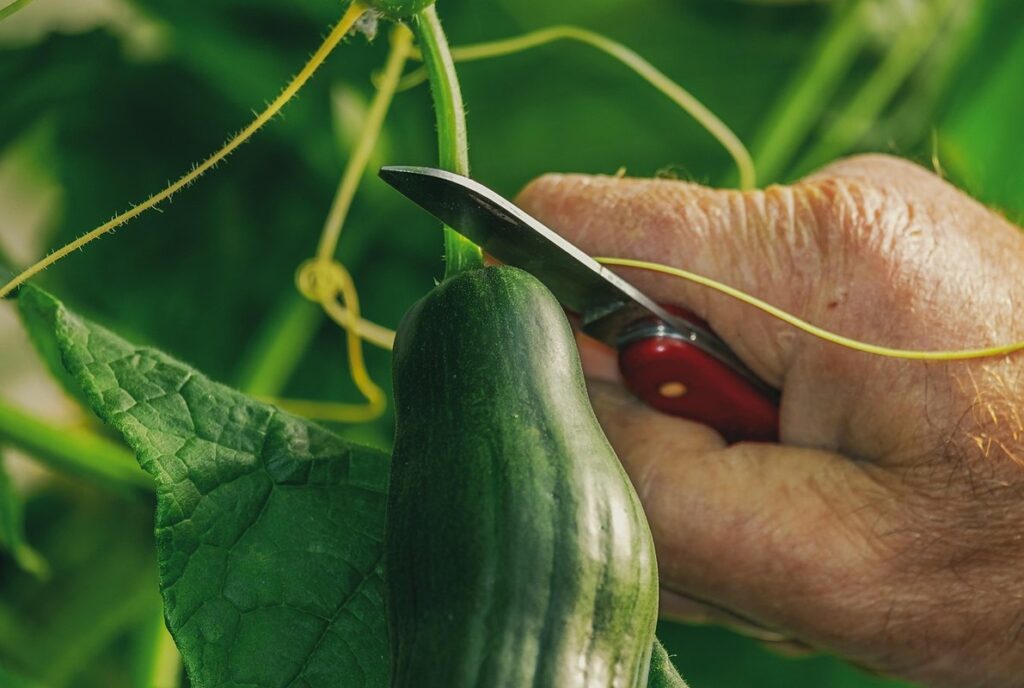
Another way to determine if your cucumbers are ready is by checking the stem end. Gently twist it; if it comes off easily, the cucumber is ripe and ready to harvest. Be careful not to damage the fruit or the plant.
For best flavor, pick cucumbers in the morning, after the dew has dried but before the heat of the day sets in. This helps preserve their natural sweetness and crunchiness. Once picked, cucumbers will continue to ripen off the vine, so be sure to check on them regularly to catch them at their peak!
Storing and Preserving Cucumbers
Proper storage and preservation of cucumbers are essential to enjoy them throughout the growing season. When it comes to storing cucumbers, temperature plays a crucial role. Keep them away from direct sunlight and heat sources, as this can cause spoilage.
Refrigeration is an excellent way to store cucumbers for up to 2 weeks. Store them in a sealed container or plastic bag with some ventilation to maintain humidity. You can also wrap individual cucumbers in a damp cloth to keep them fresh.
Freezing is another great option, but it’s essential to slice or chop the cucumbers first. Blanching them in boiling water for 2-3 minutes helps preserve their texture and flavor. Then, let them cool before freezing them in an airtight container or freezer bag.
Pickling is a popular way to preserve cucumbers, as it creates a brine that inhibits bacterial growth. You can make your own pickling solution using vinegar, salt, and spices. Slice the cucumbers thinly and soak them in the pickling liquid for at least 24 hours before refrigerating or freezing. This method allows you to enjoy your cucumbers throughout the year.
Frequently Asked Questions
Can I grow cucumbers in containers or do they require a lot of space?
Yes, cucumbers can thrive in containers as long as you provide them with enough room to spread out. A minimum container size of 12-14 inches deep and 24-36 inches wide is recommended for slicing cucumber varieties.
How often should I water my cucumber plants, especially during hot weather?
Cucumber plants require consistent moisture, especially when they’re producing fruit. Water your cucumbers deeply once or twice a week, depending on weather conditions. Check the soil daily by inserting your finger into the soil up to the knuckle; if it feels dry, it’s time to water.
What are some common pests that target cucumber plants and how can I prevent them?
Common cucumber pests include aphids, whiteflies, and spider mites. To prevent infestations, use physical barriers like fine mesh or row covers to keep these pests away from your plants. Also, practice good hygiene by removing weeds and debris that may harbor pests.
Can I grow cucumbers in areas with poor soil quality?
While cucumbers prefer well-draining, rich soil, they can still thrive in poorer conditions. To improve soil fertility, add organic matter like compost or well-rotted manure to your soil. Test your soil regularly and amend it as necessary to ensure optimal growing conditions.
How long do cucumber seeds take to germinate, and what’s the best way to speed up the process?
Cucumber seeds typically take 7-10 days to germinate in ideal conditions (around 75°F/24°C). To promote faster germination, sow your seeds indoors 2-3 weeks before the last frost date, or use a seed starting mix that contains fungicides and fertilizers. Keep the soil warm and moist during this period to encourage healthy growth.