
The Kuril Islands, located in the Pacific Ocean between Japan and Russia, are home to an incredibly diverse range of vegetation that has adapted to the harsh marine climate. From towering coniferous forests to tiny lichens and mosses that cling to rocky outcrops, the unique flora of these islands is a testament to nature’s ingenuity. But with human impact on the environment increasing, conservation efforts are underway to protect this delicate ecosystem. In this article, we’ll take you on a journey through the Kuril Islands’ vegetation, exploring its fascinating characteristics and highlighting the challenges it faces due to human activity. We’ll also delve into ongoing conservation initiatives aimed at preserving these incredible natural habitats for future generations.
Geographical Context and Climate
The Kuril Islands’ unique geography and climate play a significant role in shaping their vegetation, so let’s dive into the geographical context that makes them so fascinating.
Introduction to the Kuril Island Chain
The Kuril Island Chain stretches for over 1,300 kilometers (800 miles) along the Pacific coast of Russia’s Kamchatka Peninsula and Honshu Island of Japan. Geographically, this archipelago can be divided into three main sections: the southernmost islands, which are part of Japan; the northern islands, known as the Chishima Tō or Karafuto in Japanese, but referred to as the Kurils by Russia; and the central islands, often called the Habomai or Iturup Islands. This chain is a product of volcanic activity, with numerous islands formed from volcanic mountains, including active volcanoes.
The unique geographical characteristics of the Kuril Island Chain play a crucial role in determining its vegetation patterns. The islands’ mountainous terrain and varied climate create diverse habitats that support a wide range of plant species. From lush rainforests to scrublands and meadows, each island’s vegetation reflects adaptations to its specific environment and microclimate. Understanding these geographical characteristics is essential for appreciating the rich biodiversity found on the Kuril Islands and informing efforts to conserve and manage their unique ecosystems.
Located in one of the most seismically active regions of the world, the Kuril Island Chain is also characterized by high levels of volcanic activity and associated hazards such as tsunamis. This dynamic environment poses significant challenges for both human habitation and conservation efforts, highlighting the importance of careful planning and consideration when interacting with these ecosystems.
The geographical isolation and limited accessibility of the Kuril Islands have contributed to their relatively pristine state and unique biodiversity. However, this isolation has also led to a lack of comprehensive research on certain aspects of the islands’ vegetation. As we delve into the specifics of the Kurils’ vegetation patterns in subsequent sections, it’s essential to keep these geographical characteristics in mind.
The Kuril Islands are part of the larger Pacific Ring of Fire and the Volcanic Belt of Japan. This region is characterized by subduction zones where tectonic plates move beneath one another, resulting in the formation of volcanoes and mountain ranges. The northern islands, specifically, are a result of this geological process.
The unique combination of geology, climate, and geography creates diverse environments that support various plant species. Some of these species are found nowhere else on Earth, making the Kuril Islands an important destination for botanists and ecologists seeking to discover new species or study rare ones.
Climate Variations Across the Kurils
The Kuril Islands are characterized by a unique climate pattern that is shaped by their location on the intersection of several major climate systems. Temperature fluctuations across the archipelago are significant, with the northern islands experiencing subarctic conditions and the southern islands having a more temperate maritime climate.
In terms of precipitation, the Kurils receive most of their rainfall during the summer months, with the peak amount falling in July and August. However, this is not evenly distributed, and some areas experience significantly higher levels of precipitation than others. For example, Kunashir Island receives an average of 1,200 mm per year, while Iturup Island has a more moderate climate with around 800 mm annually.
Seasonal changes also play a crucial role in shaping the climate across the Kurils. Winters are typically cold and snowy, while summers are mild and wet. Spring and autumn are characterized by rapid temperature fluctuations, making it essential to be aware of these seasonal shifts when planning vegetation management or conservation efforts. Understanding this unique climate pattern is key to appreciating the remarkable diversity of vegetation that exists across the Kuril Islands.
Native Flora: Endemic and Introduced Species
The Kuril Islands are home to a unique array of native flora, including endemic species that can’t be found anywhere else in the world. Let’s take a closer look at these fascinating plant life.
Coniferous Forests Dominance
The Kuril Islands are home to vast expanses of coniferous forests, which dominate the landscape and play a crucial role in shaping the islands’ ecosystems. Among the most prevalent species found in these forests are spruce (Picea glehnii), fir (Abies nephrolepis), and pine (Pinus pumila). These trees thrive in the harsh, coastal climate, where strong winds and limited soil nutrients would be expected to hinder growth.
However, the Kuril Islands’ unique geography has created a microclimate that supports an astonishing array of plant life. The spruce and fir forests are particularly notable for their density and diversity, with some areas boasting upwards of 20 species per square kilometer. These forests serve as vital habitats for numerous animal species, including the island’s iconic brown bear population.
If you’re planning a trip to the Kuril Islands, consider exploring the coniferous forests on foot or by kayak. Not only will you have the opportunity to witness these majestic trees up close, but you’ll also get to experience the tranquil atmosphere of these natural wonders firsthand. Be sure to respect local regulations and guidelines to minimize your impact on this fragile ecosystem.
Deciduous Tree Species and Understory Vegetation
The Kuril Islands are home to a diverse range of deciduous tree species and understory vegetation. Native species such as Quercus mongolica (Mongolian oak), Acer ginnala (Amur maple), and Betula ermanii (Ermans birch) thrive in the islands’ temperate climate. These trees provide crucial habitat for various wildlife, including birds, insects, and mammals.
When exploring the understory vegetation of the Kuril Islands, you’ll notice a variety of shrubs, grasses, and wildflowers that inhabit the forest floor. Species like Cornus kousa (Korean dogwood) and Viburnum opulus (guelder-rose) are common companions to the deciduous trees. To fully appreciate these understory plants, take a closer look at their adaptations, such as their ability to withstand shade and tolerate dry conditions.
Incorporating native species into your garden or landscaping project is not only beneficial for local biodiversity but also helps maintain the islands’ unique ecosystem balance. By selecting plant species that are well-suited to the Kuril Islands’ climate and soil conditions, you can create a thriving and resilient habitat for native wildlife.
Unique Plant Adaptations to the Kuril Environment
As you explore the rugged landscapes of the Kuril Islands, you’ll discover some remarkable plant species that have adapted to thrive in this harsh environment, showcasing incredible resilience and diversity. Let’s take a closer look at these unique adaptations.
Wind Resistance and Salt Tolerance in Island Plants
When navigating the rugged terrain of the Kuril Islands, one cannot help but notice the incredible resilience of its plant species. Island plants have evolved unique adaptations to withstand the harsh conditions that come with living on a remote, windswept archipelago. A critical aspect of these adaptations is their ability to resist strong winds and high salt concentrations.
The salty sea spray and fierce gusts can be unforgiving for many plant species, but island flora has adapted in remarkable ways. Some plants have developed waxy or hairy coatings on their leaves to protect themselves from salt damage. These specialized structures help to prevent water loss and maintain the delicate balance of electrolytes within the plant cells.
Other adaptations include deep-rooted systems that anchor the plants firmly into place, preventing them from being uprooted by strong winds. Some species have even developed flexible stems or branches that bend and flex in response to gusts, reducing the risk of damage. By examining these remarkable adaptations, we can gain a deeper appreciation for the intricate relationships between plants, wind, and salt on the Kuril Islands.
The Role of Lichens and Mosses in Island Ecosystems
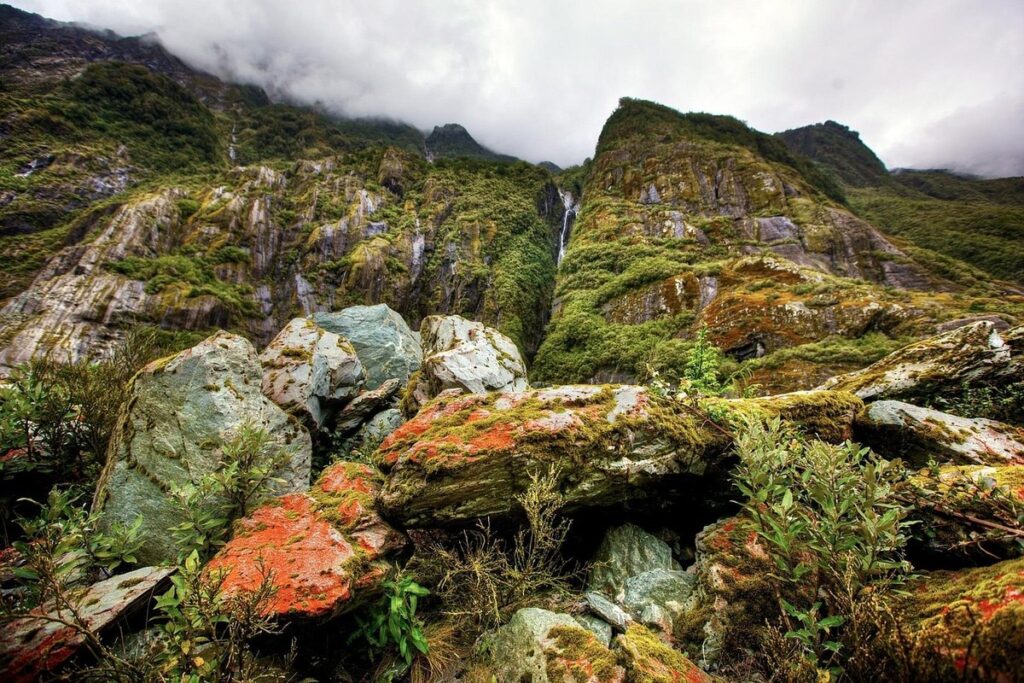
Lichens and mosses play a vital role in maintaining the delicate balance of island ecosystems like those found on the Kuril Islands. These non-vascular plants thrive in areas with high humidity and low soil pH, making them perfectly adapted to the island’s harsh environment. Their unique adaptations allow them to survive in conditions where other plants would perish.
One of the most significant roles lichens and mosses play is in nutrient cycling. They are able to absorb nutrients from the air and release them slowly into the soil as they grow, creating a nutrient-rich environment for other plants to thrive. This process is especially important on islands with thin soil, where nutrients can quickly become depleted.
As an example, lichens have been observed growing on rocks in areas where no other vegetation would be able to survive. By colonizing these rocky outcroppings, lichens create microhabitats for insects and small animals to live and breed, adding to the overall biodiversity of the island ecosystem.
Human Impact on the Kuril Islands’ Vegetation
As we explore the rich ecosystem of the Kuril Islands, it’s essential to understand how human activities are affecting their delicate vegetation, from deforestation to invasive species. Let’s examine the complex relationships between humans and the islands’ unique plant life.
Deforestation and Land Use Changes
The Kuril Islands’ vegetation has been significantly impacted by human activities, particularly deforestation and land use changes. The effects of these actions have led to a substantial loss of biodiversity and alterations in the islands’ ecosystems.
One of the primary causes of deforestation on the Kuril Islands is logging for timber. This has resulted in widespread clearance of forests, primarily coniferous species like spruce and fir. According to a study, between 1970 and 2005, approximately 30% of the Kuril Islands’ forest cover was lost due to logging.
Moreover, the Kuril Islands have seen an increase in agricultural activities, such as farming and livestock grazing. This has led to further deforestation and land use changes, primarily for rice cultivation and potato farming. The introduction of non-native species like sheep and cattle has also had a profound impact on native vegetation and soil quality.
In addition to these direct impacts, climate change is exacerbating the effects of deforestation and land use changes. Rising temperatures are altering plant growth patterns and increasing the risk of wildfires, further threatening the islands’ ecosystems. To mitigate these effects, efforts should focus on sustainable forestry practices and conservation strategies that prioritize native species and preserve biodiversity.
Conservation Efforts and Sustainable Practices
The Kuril Islands’ unique vegetation is not only a treasure to behold but also requires careful protection and conservation. Ongoing efforts are being made by local communities and authorities to preserve the islands’ natural beauty.
One of the most notable conservation initiatives is the establishment of protected areas, such as national parks and wildlife reserves. These sanctuaries provide a safe haven for native plant species to thrive and allow visitors to experience the islands’ unique flora firsthand. For instance, the Kurilskoye Lake National Park on Iturup Island protects the islands’ temperate rainforests, including towering spruce and fir trees.
Local communities are also playing a crucial role in conservation efforts. Many residents have adopted sustainable practices, such as reducing plastic waste and using eco-friendly materials for building and fishing gear. For example, some villagers have started using reusable mesh bags instead of plastic nets to catch fish, minimizing the harm to marine life and keeping the waters clean.
Visitors can contribute to these efforts by adopting responsible tourism practices, such as not removing any plant material from the islands and staying on designated trails. By working together, we can ensure that the Kuril Islands’ breathtaking vegetation remains intact for future generations to appreciate and enjoy.
Conclusion: The Future of Vegetation in the Kuril Islands
As we conclude our journey through the unique vegetation of the Kuril Islands, let’s examine what the future may hold for these incredible ecosystems. We’ll explore emerging trends and potential impacts on the islands’ delicate balance.
Recap of Key Points and Findings
In reviewing our comprehensive guide to the vegetation of the Kuril Islands, it’s clear that several key points stood out. Notable plant species mentioned throughout this article include the Japanese black pine, which has adapted to thrive on the island’s volcanic soils, and the Manchurian ash, which is capable of tolerating salt spray from the ocean.
We’ve also highlighted human impacts on the island’s vegetation, such as deforestation and overgrazing by introduced livestock. These activities have led to a loss of biodiversity and disruption of delicate ecosystems.
Additionally, we explored unique adaptations among plant species in the Kuril Islands, including those that utilize fog collection to conserve water. This is particularly evident in the case of certain succulent plants found on the islands’ higher elevations.
In conclusion, this article has provided a nuanced understanding of the complex relationships between vegetation, human activity, and adaptation in the Kuril Islands ecosystem. As we move forward with conservation efforts, it’s essential to prioritize preserving these unique plant species and their habitats, as well as mitigating human impacts on the island’s environment.
Recommendations for Further Research and Action
As we conclude our comprehensive guide to the vegetation of the Kuril Islands, it’s essential to emphasize the importance of continued research and conservation efforts. The unique ecosystems found on these islands are still not fully understood, and further exploration is necessary to uncover their secrets. For instance, the discovery of new plant species or adaptations in existing ones could lead to breakthroughs in fields like medicine, agriculture, or environmental science.
To contribute to this ongoing research, we recommend that scientists and researchers collaborate with local communities and governments to develop sustainable conservation strategies. This can be achieved through initiatives such as:
* Establishing protected areas and nature reserves
* Conducting regular monitoring and inventory of plant species
* Educating the public about the importance of preserving native vegetation
* Supporting indigenous communities in their efforts to manage and protect their traditional lands
By working together, we can ensure the long-term preservation of these unique ecosystems and the biodiversity they support.
Frequently Asked Questions
How can I contribute to conservation efforts in the Kuril Islands?
If you’re interested in supporting the preservation of the Kuril Islands’ unique vegetation, consider volunteering with organizations focused on environmental conservation or donating to reputable initiatives. You can also spread awareness about the importance of protecting these ecosystems by sharing articles and educational materials on social media.
Are there any specific plants native to the Kuril Islands that are particularly vulnerable to human impact?
Yes. The Kuril Islands’ flora is home to several endemic species, such as the Japanese angelica tree (Aralia japonica) and the Kuril fir (Abies nephrolepis). These unique plants are highly susceptible to deforestation and habitat destruction due to human activities like logging and development.
How can I get involved in research projects focused on the Kuril Islands’ vegetation?
To participate in research initiatives, look for opportunities with institutions or organizations conducting field studies or surveys on the Kuril Islands. You can also reach out to researchers directly to inquire about potential collaboration or volunteer opportunities. Keep an eye on academic publications and online forums related to environmental science and conservation.
Can I visit the Kuril Islands to see their unique vegetation firsthand?
While it is possible to visit some of the Kuril Islands, access may be restricted due to geopolitical tensions between Japan and Russia. Additionally, tourism can have a negative impact on the fragile ecosystem. Before planning a trip, research local regulations and consider supporting eco-tourism initiatives that promote responsible travel practices.
What are some sustainable practices I can adopt in my daily life to help reduce human impact on the Kuril Islands’ vegetation?
Start by reducing your carbon footprint through environmentally friendly habits such as reducing energy consumption, using public transportation or carpooling, and recycling. You can also support businesses and organizations committed to sustainability and eco-friendliness. By making these changes, you’ll contribute to a broader effort to minimize human impact on the Kuril Islands’ unique vegetation.