
When it comes to growing healthy seedlings, choosing the right soil is key. But with so many options available, it can be overwhelming to decide which one to use. You might have heard about peat-based soils, coconut coir, and organic mixes, but what’s the best choice for your needs? The type of soil you choose can make all the difference in giving your seedlings a strong start in life.
In this article, we’ll break down the top soil types and characteristics for successful seed starting. We’ll explore the benefits and drawbacks of peat-based soils, coconut coir, organic mixes, and inorganic options. By the end of it, you’ll have a clear understanding of what works best for your plants and how to mix it just right. Whether you’re a seasoned gardener or a beginner, this guide will give you the knowledge you need to grow thriving seedlings every time.
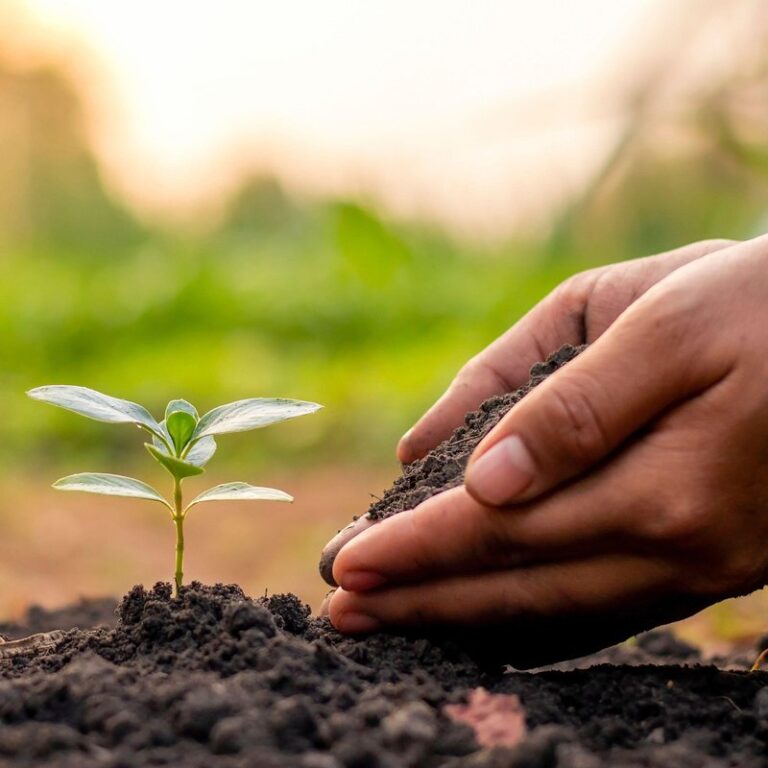
Understanding Seed Starting Soils
When it comes to seed starting, choosing the right soil is crucial for healthy root development and optimal growth. In this next part, we’ll break down the key factors to consider when selecting a seed starting mix.
Key Characteristics of Seed Starting Soils
A suitable seed starting soil should have excellent drainage to prevent waterlogged conditions that can lead to root rot and other issues. Look for a mix with perlite or vermiculite, which help improve air circulation and prevent moisture from accumulating. A well-draining seed starting mix can be identified by its texture – it should crumble easily when pressed, indicating good structure.
pH levels are also crucial, as they affect nutrient availability to the seeds. Most seeds prefer a slightly acidic to neutral soil pH between 6.0 and 7.0. If you’re unsure about your soil’s pH level, consider getting a test kit or consulting with local nurseries for advice on suitable mixes.
Nutrient content is another key characteristic. Seed starting soils should have balanced fertilizers that provide essential micronutrients without overloading the seeds with nitrogen. Avoid generic potting mixes as they may contain too much fertilizer, which can burn seedlings. Opt for a mix specifically formulated for seed starting or one containing organic matter like peat moss or compost, which releases nutrients slowly and supports healthy growth.
Common Mistakes to Avoid When Choosing Seed Starting Soils
When choosing a seed starting soil, it’s easy to fall into common pitfalls that can harm your young plants. One mistake is over-fertilizing the mix, which can lead to weak and leggy seedlings. This happens when the fertilizer is too concentrated or is applied too early in the process. To avoid this, look for soils specifically labeled as “seed starting mixes” or “starter soils,” which are formulated with lower fertility levels.
Another issue to watch out for is poor drainage, which can cause seeds to rot and roots to become waterlogged. Check the soil mix’s pH level, which should be slightly acidic (around 6.0-6.5) to promote healthy root growth. Also, inspect the ingredients list for added fertilizers or perlite, which can improve drainage.
Be cautious of soils with excessive amounts of compost or manure, as these can create a “wet and soggy” environment. Instead, opt for mixes that contain peat moss or coconut coir, which retain moisture but drain excess water efficiently.
Soil Types for Seed Starting
Let’s get into the specifics of soil, because not all potting mixes are created equal. We’ll explore the different types of soil that are best suited for seed starting.
Peat-Based Soils: Pros and Cons
When it comes to seed starting, many gardeners reach for peat-based soils due to their reputation as a reliable and effective choice. However, it’s essential to consider the pros and cons of using these types of soils.
One significant benefit of peat-based soils is that they retain moisture well, reducing the need for frequent watering and ensuring seedlings receive consistent moisture levels. This can be especially useful in indoor growing conditions where maintaining humidity can be challenging. Additionally, peat-based soils tend to have a high acidity level, which can aid in breaking down nutrients and making them available to young seedlings.
Despite these benefits, there are some significant drawbacks to using peat-based soils for seed starting. For one, they often contain high levels of sodium, which can harm seedling growth over time. Furthermore, peat itself is a non-renewable resource that’s harvested from bogs and can contribute to environmental degradation if not sourced sustainably. As a result, many gardeners are now opting for alternative, more eco-friendly options such as coconut coir or organic potting mixes instead.
Coconut Coir-Based Soils: A Sustainable Alternative
When it comes to seed starting, choosing the right soil is crucial for optimal growth and health of your seeds. One sustainable alternative that’s gaining popularity is coconut coir-based soils. These soils offer several advantages over traditional potting mixes.
One significant benefit of coconut coir-based soils is their improved water retention capabilities. Coconut coir has a unique ability to absorb and hold onto moisture, reducing the need for frequent watering. This is especially beneficial during the germination phase when seeds are most vulnerable. A study by the University of California found that coconut coir retained up to 10 times more water than peat moss.
Another advantage of coconut coir-based soils is their reduced waste generation. Unlike traditional potting mixes, which often contain high amounts of peat moss and perlite, coconut coir-based soils minimize environmental impact. Plus, they’re biodegradable and can be composted at the end of their life cycle. This makes them an attractive option for gardeners looking to reduce their carbon footprint.
When using coconut coir-based soils, it’s essential to mix them with other ingredients to create a balanced growing medium. Aim for a blend that contains 10-20% coconut coir, along with perlite or vermiculite for improved drainage and nutrients.
Organic vs. Inorganic Seed Starting Soils
When it comes to seed starting, choosing between organic and inorganic soils is a crucial decision that affects your seeds’ health and growth potential directly. We’ll explore both options here.
The Benefits of Organic Seed Starting Soils
When it comes to seed starting, using an organic soil can make all the difference. Organic seed starting soils are made from natural ingredients and contain no synthetic fertilizers or additives. This not only makes them a more environmentally friendly option but also provides a nutrient-rich growing medium for your young plants.
One of the key benefits of organic seed starting soils is their natural nutrient content. Unlike inorganic soils, which can become depleted of nutrients over time, organic soils are constantly replenished with beneficial microbes and microorganisms that break down organic matter into available plant food. This means your seedlings will receive a steady supply of essential nutrients as they grow.
Another advantage of using an organic soil is its biodegradable nature. Unlike inorganic soils, which can persist in the environment for centuries, organic soils will eventually decompose, reducing waste and minimizing their impact on the environment. Plus, many organic seed starting soils are made from recycled materials, making them a great choice for gardeners who prioritize sustainability.
Incorporating organic seed starting soils into your gardening routine is easier than you think. Simply choose a reputable brand that uses natural ingredients and follows sustainable practices. Look for certifications like OMRI (Organic Materials Review Institute) or USDA Organic to ensure the product meets your standards. With a little research, you can find an organic soil that will give your seedlings the best possible start in life.
The Drawbacks of Inorganic Seed Starting Soils
While inorganic seed starting soils may be widely available and affordable, they can pose some significant drawbacks. One of the primary concerns is chemical contamination. These soils often contain high levels of fertilizers, pesticides, and other synthetic chemicals that can leach into the soil and potentially harm plants.
These chemicals can also affect the quality of your seeds. When you use inorganic seed starting soils, you may notice poor seed germination rates or stunted plant growth. This is because the chemicals in these soils can alter the pH level of the soil, making it less conducive to healthy root development.
Furthermore, inorganic seed starting soils tend to lack the beneficial microorganisms that are essential for plant growth and health. These soils can also compact easily, causing water to become trapped and leading to root rot.
If you’re concerned about these potential drawbacks, consider opting for organic seed starting soils or making your own potting mix using natural ingredients like peat moss, perlite, and vermiculite.
Soil Mix Ratios for Seed Starting
When it comes to seed starting, getting the soil mix just right is crucial. In this next part, we’ll explore the ideal ratios of peat moss, perlite, and vermiculite for optimal results.
General Guidelines for Mixing Seed Starting Soils
When mixing seed starting soils, it’s essential to strike the right balance between ingredients. The general guidelines for creating an optimal blend are as follows: aim for a mix that’s 40-50% peat moss or coconut coir, which provide moisture retention and acidity. Add 20-30% perlite or vermiculite to improve drainage and prevent waterlogging.
Next, incorporate 10-20% compost or well-rotted manure to add nutrients and beneficial microbes. Finally, include a small amount (5-10%) of grit or sand for root development and aeration. Avoid overmixing the blend, as this can compact the soil and hinder seedling growth.
For a basic recipe, combine 40% peat moss, 20% perlite, 15% compost, and 25% grit. This mix will provide an excellent balance of moisture retention, drainage, and nutrients for most seeds. Feel free to adjust ratios based on specific seed types or climate conditions. For example, if you’re starting succulents, reduce the peat moss content to promote better drainage.
Sample Soil Mix Recipes for Different Crops
When it comes to seed starting, using the right soil mix can make all the difference. But did you know that different crops have unique requirements when it comes to their soil mix? That’s why we’ve put together some sample soil mix recipes tailored to specific crops.
For example, tomatoes require a well-draining mix with a slightly acidic pH. A recipe of 40% peat moss, 30% perlite, and 30% vermiculite will provide the necessary aeration and moisture retention for healthy root growth. Herbs like basil and mint prefer a slightly more alkaline soil mix with plenty of organic matter to retain moisture. Try combining 50% composted manure, 20% peat moss, and 30% perlite.
Leafy greens like lettuce and kale do best in a lightweight, well-draining mix with a pH close to neutral. A recipe of 60% coconut coir, 20% worm castings, and 20% perlite will provide the necessary structure and nutrient support for optimal growth. Remember to adjust your soil mix recipe based on your specific climate and region, as local conditions can greatly impact seedling success.
DIY vs. Store-Bought Seed Starting Soils
When it comes to seed starting, you have two main options for soil: creating your own DIY mix or purchasing a store-bought blend. Which one is best?
Making Your Own Seed Starting Soils
Creating your own seed starting soil mix can be a cost-effective and customizable way to ensure optimal growing conditions for your seeds. To make a homemade seed starting soil mix, you’ll need some basic ingredients like peat moss, vermiculite, perlite, and a nutrient-rich compost or fertilizer.
Start by mixing 1 part of each of the main ingredients (peat moss, vermiculite, and perlite) together in a large bucket. You can adjust this ratio to suit your specific needs – for example, if you’re using seeds that prefer well-draining conditions, you may want to add more perlite.
Add a 1/4 part of nutrient-rich compost or fertilizer to the mix, which will provide essential nutrients for seedling growth. A good quality fish bone meal or alfalfa meal can work well in this capacity. Avoid over-fertilizing at this stage, as seeds are sensitive to high nitrogen levels.
Some additional tips to keep in mind: make sure your peat moss is not too compacted, which can cause poor drainage and root rot; use a gentle mixing technique to avoid creating lumps or air pockets in the soil; and consider adding a small amount of calcium carbonate (about 1 tablespoon per gallon) to adjust the pH if necessary.
Advantages and Disadvantages of Using Store-Bought Seed Starting Soils
When considering seed starting, it’s essential to weigh the pros and cons of using store-bought seed starting soils. On one hand, these pre-mixed soils offer convenience and consistency. They’re often specifically designed for seedlings, with a blend of ingredients that provide optimal nutrition for germination and early growth.
This is particularly beneficial for beginners who may not have experience creating their own mixes or are short on time. Store-bought options can be readily available at most gardening stores or online retailers, making it easy to get started with seed starting right away.
However, there are also some significant drawbacks to using store-bought soils. For one, they can be expensive, especially if you’re starting a large number of seeds. Additionally, the ingredients may not be entirely organic or sustainable, which could be a concern for environmentally conscious gardeners.
Furthermore, these commercial mixes often lack the customization and control that creating your own seed starting mix allows. If you know what specific nutrients your seeds require, you can tailor your own blend to provide exactly what they need for optimal growth.
Conclusion
In conclusion, choosing the right soil for seed starting can be a crucial step towards a successful gardening experience. By understanding the characteristics of different types of soils and their suitability for seedlings, you can make an informed decision that suits your needs. For example, if you’re looking to start seeds indoors, a sterile potting mix with excellent water-holding capacity will do the trick. However, for outdoor seed starting, a well-balanced soil with good drainage properties is essential. By applying these guidelines and being mindful of your specific climate and seedling requirements, you’ll be on track to growing healthy and robust plants.
Now that you’ve learned about the best soils for seed starting, it’s time to get planting! Remember, the right soil can make all the difference in ensuring your seeds germinate and grow into strong, thriving plants.
Frequently Asked Questions
Can I use leftover potting soil for seed starting?
Yes, you can repurpose leftover potting soil for seed starting, but it’s essential to check its quality first. Look for signs of degradation, such as mold or a sour smell, and mix the old soil with fresh ingredients like perlite or vermiculite to ensure good drainage.
How do I know if my homemade seed starting mix is suitable?
To determine if your DIY seed starting mix is suitable, perform a simple water test. Mix 1 part of your blend with 2 parts of water and let it sit for an hour. If the mixture drains well within this time frame, you’re good to go; otherwise, adjust the ratios or ingredients accordingly.
What’s the ideal pH range for seed starting soils?
While most seedlings can tolerate a slightly acidic to neutral pH (around 6.0-7.0), some plants like azaleas and blueberries require more acidic conditions. Always research the specific pH requirements of your chosen crop and adjust your soil mix accordingly.
How often should I water seedlings in different climates?
Seedling watering frequency largely depends on climate and temperature. In warm, humid environments (above 70°F), seedlings need less frequent watering (every 2-3 days). Conversely, cooler temperatures (below 60°F) may require more regular watering (every 1-2 days).
Can I use a combination of peat-based and organic soils for seed starting?
Yes, you can mix different soil types to create an optimal blend. Combining peat-based and organic components can provide the best of both worlds – improved drainage from the peat moss and enhanced fertility from the organic matter. Just be aware that this may change the overall pH and nutrient profile of your soil mix.