
We’ve all been there: you meticulously plant your garden, only to have weeds sprout up days later. It can be frustrating and time-consuming to keep them under control. One common solution is mulching, but does it really prevent weeds from growing? The answer isn’t a straightforward yes or no. Mulch can indeed block weed growth, but it’s not a magic bullet. In this article, we’ll explore the impact of different types of mulch on weeds and provide you with effective strategies for selecting the right material to suit your needs. We’ll also examine the various benefits of mulching beyond just weed prevention, including moisture retention and soil health improvement. By the end of this article, you’ll have a better understanding of how to use mulch to keep your garden looking its best.
Understanding Mulch and Weed Dynamics
Mulching can both suppress weeds and create ideal growing conditions for them, depending on several key factors that affect weed growth. Let’s explore what influences mulch’s impact on weeds.
What is Mulch and Its Purpose?
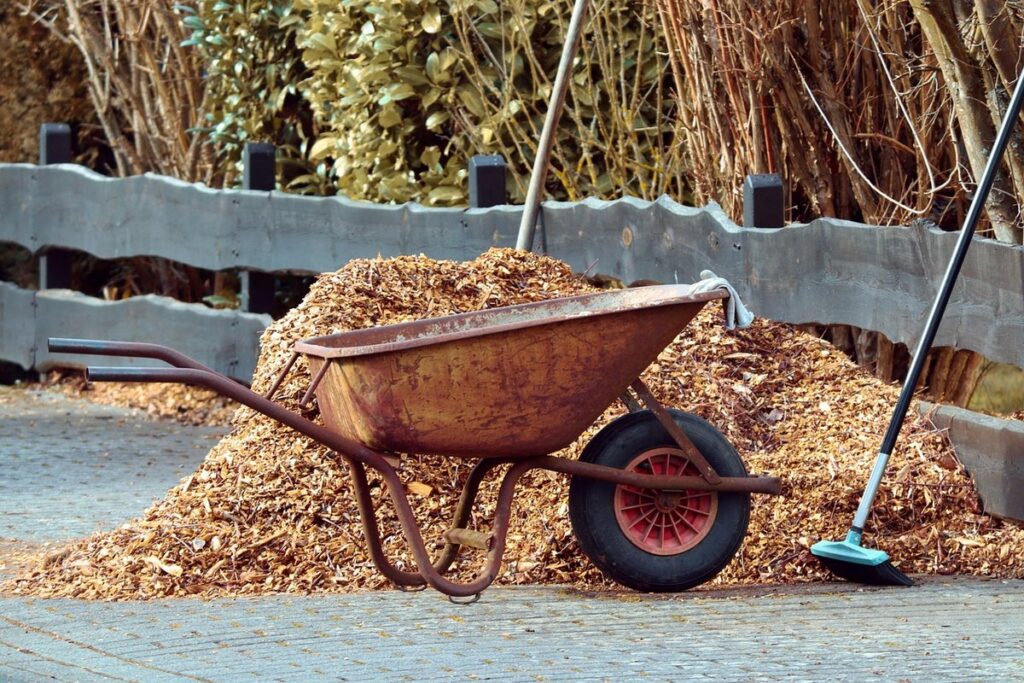
Mulch is a natural or synthetic material used to retain moisture, suppress weeds, and regulate soil temperature. Its benefits are numerous, making it an essential component of gardening practices. Mulch helps reduce water loss through evaporation, thereby minimizing the need for frequent watering. It also inhibits weed growth by blocking sunlight and preventing seeds from germinating.
In addition, mulch maintains a stable soil temperature, which is beneficial for plant growth. Organic materials like wood chips or bark decompose over time, enriching the soil with nutrients. When selecting mulch, consider factors such as durability, color, and type to ensure it complements your garden’s aesthetic.
To use mulch effectively, apply a 2-3 inch layer around plants, keeping it a few inches away from the base. Replenish the mulch periodically as it breaks down. By incorporating mulch into your gardening routine, you’ll enjoy healthier plants, reduced weed growth, and minimized maintenance.
Types of Mulch: Organic vs. Inorganic
When it comes to mulch, you have two primary options: organic and inorganic. Organic mulches are made from natural materials like wood chips, bark, leaves, or grass clippings. They decompose over time, adding nutrients to the soil as they break down. This process helps improve soil structure, increasing its ability to retain water and support plant growth.
Some pros of organic mulch include their eco-friendliness and versatility. For example, you can use branches, leaves, or straw to create a weed-suppressing barrier around your plants. However, organic mulches also have some cons – they require frequent replenishment as they decompose quickly. This can be time-consuming and costly in the long run.
Inorganic mulches, on the other hand, are made from synthetic materials like plastic sheeting or landscape fabric. These products do not break down naturally and can last for several years without needing replacement. Some benefits of using inorganic mulch include their durability and low maintenance requirements. However, they also have significant drawbacks: they can retain heat, increasing soil temperature and potentially harming plant roots; they don’t improve soil health; and they may require additional labor to install.
Ultimately, your choice between organic and inorganic mulches will depend on your specific needs and preferences. Consider factors like the types of plants you’re growing, the climate where you live, and your budget when deciding which type of mulch is right for you.
The Effectiveness of Mulching in Weed Suppression
As we dive deeper into the world of mulching, let’s examine its effectiveness in suppressing weeds and see how it stacks up against other methods.
How Mulch Blocks Weed Growth
Mulch acts as a physical barrier between weeds and sunlight, effectively blocking light from reaching weed seeds. This prevents them from germinating and growing. Mulch can be made from organic materials such as wood chips, bark, or leaves. When applied evenly over the soil surface, it creates an impenetrable layer that blocks 95-99% of sunlight.
Weeds typically require direct sunlight to germinate and grow. Without sufficient light, they are unable to undergo photosynthesis, a crucial process for their growth. By blocking light, mulch reduces weed pressure and allows desired plants to thrive. The effectiveness of mulch in suppressing weeds also depends on its depth, with thicker layers providing better results.
To maximize the light-blocking properties of mulch, ensure it’s at least 2-3 inches thick and evenly spread over the soil surface. Regular reapplication may be necessary, especially after heavy rainfall or when new weed seeds germinate. By utilizing mulch as a physical barrier, gardeners can significantly reduce weed growth and maintain a healthy, weed-free environment for their plants to flourish.
Mulch’s Impact on Soil Conditions
Mulch plays a significant role in creating conditions that discourage weed growth by affecting soil temperature, moisture, and fertility. When applied thickly, mulch can retain moisture in the soil, reducing evaporation and minimizing the need for frequent watering. This consistent moisture level inhibits weed seeds from germinating, as they often require dry periods to sprout. Mulch also regulates soil temperature, keeping it cooler during hot summer months and warmer during cold winter months.
As a result of these environmental changes, mulch encourages healthy microbial activity in the soil. Microorganisms thrive in the nutrient-rich environment created by decomposing organic matter, further suppressing weed growth. This synergy between mulch and beneficial microbes fosters a balanced ecosystem that discourages weeds from taking hold. In practice, applying 2-3 inches of organic mulch can effectively regulate soil conditions, reducing weed pressure and promoting desirable plant growth.
Regularly replenishing mulch also ensures continued soil health benefits, making it an ongoing process rather than a one-time task.
Other Factors Influencing Mulching’s Effectiveness
Beyond mulch depth and type, several other factors can significantly impact how effectively it suppresses weeds. We’ll explore these often-overlooked variables in detail.
Mulch Depth and Maintenance
Maintaining optimal mulch depth is crucial to ensure its effectiveness in preventing weeds. As a general rule of thumb, aim for a mulch layer of 2-3 inches deep. This depth allows the mulch to suppress weed growth while also allowing water and air to penetrate the soil.
If you apply too little mulch, it may not be sufficient to prevent weeds from germinating. For instance, if you only apply 1 inch of mulch, it’s unlikely to stop weeds like clover or creeping thyme from growing through. On the other hand, applying too much mulch can lead to a buildup of excess moisture and create an environment conducive to weed growth.
To maintain optimal mulch depth, reapply mulch as needed – typically after each rainfall or irrigation event. You can also use a garden fork to gently loosen and aerate the soil beneath the mulch layer, promoting healthy root growth and discouraging weeds from taking hold.
Mulch Material Selection for Weed Control
When selecting mulch for weed control, it’s essential to choose materials that are more than just aesthetically pleasing. Opting for mulches with inherent herbicidal properties can significantly enhance their ability to suppress weeds.
Some popular options include cypress and redwood mulch, which contain oils that can inhibit seed germination and root growth. Bark and cocoa hull mulch also contain tannins that help prevent weed seeds from sprouting. These materials are particularly effective for controlling broadleaf weeds like dandelions and clover.
On the other hand, organic matter-rich mulches like straw or wood chips tend to attract weeds by providing a nutrient-rich environment for them to thrive in. If you’re using these types of mulch, be sure to apply them at least 3-4 inches thick to prevent weed seeds from reaching the soil surface.
When selecting mulch for weed control, consider your specific climate and garden conditions. Research local mulch options that are known to perform well in your region and incorporate them into your gardening strategy for optimal results.
Common Misconceptions About Mulching and Weeds
Let’s set the record straight: there are several misconceptions about mulching and weeds that might be holding you back from using it effectively in your garden. We’ll tackle some of these common myths head-on.
The “Mulch Will Smother All Plants” Myth
One of the most common misconceptions about mulching is that it will smother all plants. This myth likely originated from observing how mulch can suppress weeds and other unwanted vegetation. However, the reality is more nuanced: while mulch can indeed prevent weed growth, it’s not a guarantee that all plants will be harmed.
The key to successful mulching lies in selecting plants that are suitable for the conditions created by the mulch. Some plants thrive in the shaded, moist environment provided by a thick layer of organic matter, while others may struggle or even die under these conditions. For example, ferns and hostas love the cool, dark environment created by a deep layer of wood chips or bark, but may not fare as well if planted alongside more sun-loving species.
To avoid inadvertently killing off your plants, choose varieties that are known to tolerate or prefer shaded, moist conditions. Research the specific needs of each plant before mulching, and consider creating separate areas for different types of plants based on their individual requirements. By selecting the right plants for your mulched environment, you can enjoy a lush, weed-free garden without sacrificing any of your favorite flowers or foliage.
Over-Mulching: A Recipe for Disaster?
When it comes to mulching, many of us assume that more is better. We add layer upon layer of mulch, convinced that we’re doing the right thing for our gardens. However, over-mulching can actually be a recipe for disaster. Waterlogging is one of the most common issues associated with excessive mulching. When there’s too much moisture trapped beneath the surface, roots begin to rot, and plants start to suffocate.
Nutrient deficiencies are another potential problem. Mulch can act as a barrier, preventing vital nutrients from reaching plant roots. This can lead to weak growth, yellowing leaves, and reduced yields. In extreme cases, over-mulching can even be lethal to desirable plants. I recall a client who lost an entire bed of perennials due to excessive mulch application. The plants literally died from suffocation.
To avoid these pitfalls, it’s essential to apply mulch judiciously. Aim for a 2-3 inch layer, replenishing as needed to maintain this depth. Regularly inspect your gardens, removing excess mulch and aerating the soil to prevent waterlogging. By striking the right balance, you can reap the many benefits of mulching while avoiding its downsides.
Case Studies: Real-World Examples of Mulching’s Impact
Let’s take a look at real-world examples where mulching has made a significant difference in weed suppression, and how it can be applied to your garden.
Residential Landscaping Projects
Mulching has proven to be an effective solution for reducing weed growth in residential landscaping projects. Consider the case of Sarah and her family, who embarked on a backyard renovation project in their suburban home. As part of their design, they chose to use a combination of mulch and plants that thrive in shaded areas. By applying a 3-inch layer of organic mulch around trees and garden beds, Sarah noticed a significant decrease in weed growth.
A similar success story comes from the Smiths’ property, where they applied a mulching solution to their entire yard. Before mulching, weeds accounted for nearly 50% of their lawn’s coverage. After implementing a regular mulching schedule, the Smiths reported a drastic reduction in weeds, with only 10% remaining.
These examples demonstrate the effectiveness of mulching in residential landscaping projects. By choosing the right type and application method, homeowners can enjoy a weed-free yard without relying on harsh chemicals.
Agricultural and Horticultural Applications
Farmers and gardeners are increasingly turning to mulch as a natural and effective method for controlling weeds in large-scale agricultural and horticultural settings. Mulching works by suppressing weed growth through physical barrier, blocking light from reaching the soil surface, and preventing seed germination.
For example, a study conducted on a California vineyard found that applying 4 inches of organic mulch significantly reduced weed pressure by 70%. Similarly, a large-scale strawberry farm in Oregon achieved an impressive 90% reduction in hand-weeding time after implementing a mulching program. These results demonstrate the potential of mulching to save labor and reduce chemical herbicide use.
To implement effective mulching practices in agricultural or horticultural settings, consider the following: choose the right type of mulch for your specific needs (e.g., wood chips for long-term weed suppression), maintain a 3-4 inch layer throughout the growing season, and replenish as needed to maintain coverage. Regular monitoring is also essential to ensure that weeds are not growing through gaps in the mulch layer.
Frequently Asked Questions
Can I use mulch in areas where I already have weeds, or should I clear them first?
It’s best to remove existing weeds before applying mulch. However, if the weed growth is minimal and you’re using a thick layer of organic mulch (at least 4-6 inches), it can help suppress further weed growth. But be cautious not to spread seeds from the removed weeds into your newly mulched area.
What’s the best type of mulch for preventing weeds in my garden?
The effectiveness of mulch in suppressing weeds depends on several factors, including its thickness, material, and maintenance. Organic mulches like wood chips or bark are generally more effective than inorganic ones like plastic sheeting. Additionally, a mix of 1-2 inches of organic mulch with other weed-suppressing materials can enhance its effectiveness.
How often should I replenish the mulch in my garden to maintain its weed-suppressing properties?
The frequency of replenishing mulch depends on various factors such as climate, soil type, and usage. As a general rule, you may need to replenish organic mulches every 1-3 years, while inorganic ones can last longer (5-10 years). Monitor your garden’s specific needs and adjust accordingly.
Can I use mulch around plants with different watering requirements?
Yes, but it requires careful planning. Thicker layers of mulch can help retain moisture for plants that prefer consistent soil moisture. However, plants requiring drier conditions may benefit from thinner layers or a more permeable mulching material to prevent waterlogging.
How do I maintain the effectiveness of my mulched garden beds during periods of drought?
During droughts, it’s essential to monitor your mulched garden closely. If you notice drying out or discoloration, consider watering lightly but frequently to avoid washing away beneficial microorganisms and nutrients. You can also apply additional layers of organic mulch or use a cover crop to protect the soil from erosion.