
Are you ready to discover one of nature’s hidden gems? The luffa sponge plant is a game-changer for your skincare routine, home cleaning needs, and even medicinal purposes. Not only does it have an impressive range of health benefits, but its versatility will make you wonder how you ever lived without it. From exfoliating and soothing skin irritations to creating natural cleaning products, the luffa sponge plant is a must-have for anyone looking for an eco-friendly alternative to harsh chemicals.
In this comprehensive guide, we’ll dive into the world of luffa sponge plants, covering everything from how to grow and harvest them, to their medicinal uses and skincare benefits. We’ll explore the many ways you can incorporate these amazing plants into your daily life, from face masks and scrubs to natural soaps and cleaning solutions. Whether you’re a seasoned gardener or just starting out on your wellness journey, this ultimate guide has something for everyone.
What is a Luffa Sponge Plant?
The luffa sponge plant, also known as Luffa cylindrica, is a unique and fascinating species that’s often mistaken for an ordinary houseplant. In this section, we’ll dive into its characteristics and what sets it apart from other plants.
Botanical Classification and Origins
The luffa sponge plant (Luffa cylindrica) is a fascinating species that has been cultivated for centuries. As part of the Cucurbitaceae family, it’s closely related to other popular gourds and cucumbers. Native to Asia, this annual vine thrives in warm climates with plenty of sunlight.
One of the key characteristics of the luffa sponge plant is its ability to grow rapidly. Given its tropical origins, it requires temperatures above 60°F (15°C) to germinate and reach maturity. As a result, it’s perfect for gardeners living in regions with mild winters or those who can provide protection from frost.
When grown outdoors, the luffa sponge plant can spread quite extensively, requiring support as it climbs upwards. Its long, cylindrical stems are covered in soft, hair-like fibers that give it its signature texture and appearance. With proper care, this versatile plant can produce an abundance of fruit, which can be harvested for both culinary and medicinal purposes.
By understanding the botanical classification and origins of the luffa sponge plant, you’ll be better equipped to provide the best conditions for growth and maximize its potential as a valuable addition to your garden or indoor space.
Characteristics of the Plant
The luffa sponge plant is an annual vining plant that exhibits some distinct physical characteristics. The leaves of this plant are typically 2-3 inches long and have a pointed tip, with a hairy underside and a wavy edge. The stems are slender and twining, allowing the plant to climb up other supporting structures like trellises or fences.
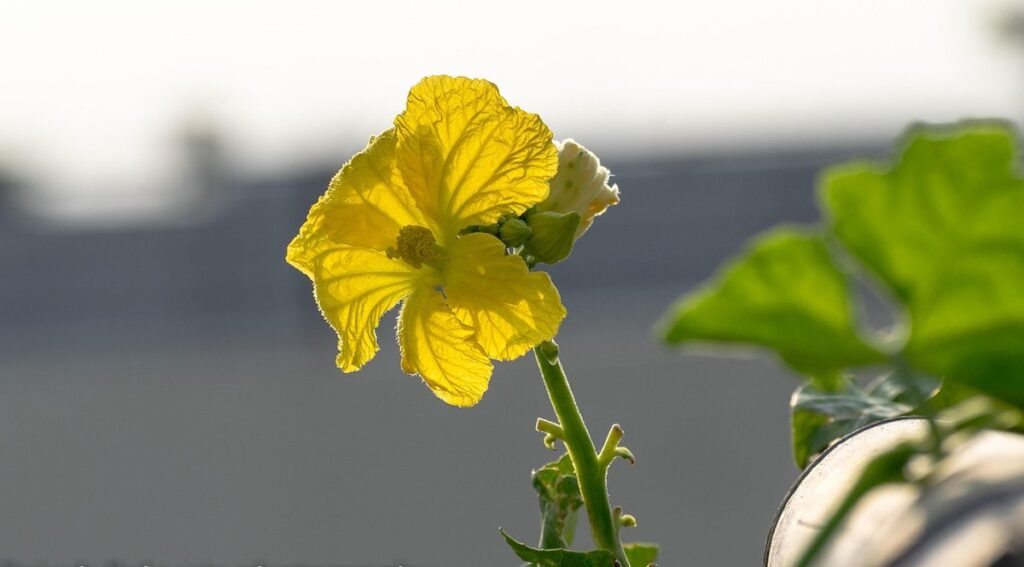
One notable feature of the luffa sponge plant is its small yellow flowers that appear in clusters on the axils of the leaves. These flowers are usually around 1-2 inches long and have a star-shaped appearance with five petals. When the flowers bloom, they emit a pleasant fragrance that attracts pollinators like bees and butterflies.
As the luffa sponge plant grows, it can become quite vigorous, producing numerous branches and stems that spread out in different directions. This characteristic makes it an excellent choice for gardeners who want to create a natural screen or provide shade in their outdoor spaces.
Growing Luffa Sponge Plants: Tips and Tricks
Growing luffa sponge plants can be a rewarding experience, but it requires some specific care and attention to thrive. Let’s dive into the key tips and tricks for growing these unique plants successfully.
Choosing the Right Location
When it comes to growing luffa sponge plants, choosing the right location is crucial for their optimal growth and production. As a tropical plant native to Asia, luffa sponge plants require specific conditions to thrive.
In terms of sunlight, luffa sponge plants need full sun to partial shade. They can tolerate direct sunlight for 4-6 hours a day, but it’s essential to provide some afternoon shade during the hottest summer months. If you’re growing luffa sponge plants in a container, place them near an east-facing window or on a sunny balcony.
Temperature-wise, luffa sponge plants prefer warm temperatures between 65°F and 85°F (18°C and 30°C). Avoid placing them in areas with drafts or where the temperature drops below 55°F (13°C), as this can damage the plant. If you live in an area with cold winters, consider growing your luffa sponge plants in a container that can be moved indoors during the winter months.
Keep in mind that luffa sponge plants are sensitive to frost and cannot tolerate temperatures above 90°F (32°C). Monitor the temperature and adjust the location of your plant accordingly to ensure optimal growth. By providing the right amount of sunlight and warmth, you’ll be well on your way to growing healthy and productive luffa sponge plants.
Soil Preparation and Fertilization
When it comes to growing luffa sponge plants, soil preparation is crucial for optimal growth. These plants thrive in well-draining soil with a pH between 6.0 and 7.0, slightly acidic to neutral. If your soil’s pH is too high or low, it can affect nutrient availability, leading to stunted growth or poor fruit production.
To prepare the soil, start by testing its pH level using a DIY kit or sending a sample to a lab for analysis. Based on the results, add lime to raise the pH or sulfur to lower it. Luffa sponge plants require a balanced fertilizer with equal amounts of nitrogen (N), phosphorus (P), and potassium (K). A 10-10-10 N-P-K ratio is ideal.
To create a nutrient-rich mix, combine 2 parts of compost, 1 part of perlite or vermiculite, and 1 part of well-draining potting soil. You can also add a 5-10% organic matter like worm castings to improve soil structure and fertility. Before planting, rake the soil gently to loosen it, creating a smooth surface for seedlings to grow.
Some key nutrients that luffa sponge plants require include calcium and magnesium. These minerals are essential for cell wall development and fruit growth. If your soil lacks these nutrients, consider adding a balanced fertilizer or a specific supplement rich in calcium and magnesium.
As you prepare the soil, keep in mind that luffa sponge plants prefer a slightly acidic to neutral pH, with good drainage and air circulation. Avoid over-fertilizing, as this can lead to weak fruit growth and poor plant performance.
Watering and Pruning Techniques
Watering luffa sponge plants is crucial for their growth. Overwatering can lead to root rot, while underwatering causes stunted growth and poor fruit production. To avoid these issues, check the soil moisture daily by inserting your finger into the soil up to the first knuckle. Water only when the top inch of soil feels dry.
Pruning is another essential technique for promoting healthy growth in luffa sponge plants. Remove any weak or spindly stems at the base, as they can suck energy from the rest of the plant. Cut back leggy branches by one-third to encourage bushy growth and prevent them from flopping over. After harvesting, cut back the entire plant to about six inches above the ground to encourage new growth.
Some luffa sponge varieties are more sensitive to moisture than others. ‘Gourd’ types tend to require less water, while ‘Sponge’ types need consistent moisture levels. Keep this in mind when watering your specific variety to ensure optimal results.
Using Luffa Sponges: Benefits and Applications
Now that you’re familiar with the benefits of growing a luffa sponge plant, let’s dive into how to effectively use these versatile sponges in your daily life. From cleaning to skincare, we’ll explore all the wonderful applications.
Skincare and Bath Products
Luffa sponges have been used for centuries in traditional skincare routines, particularly in Asia and Mediterranean regions. These gentle exfoliants are a game-changer for maintaining healthy, glowing skin. When used correctly, luffa sponges can effectively remove dead skin cells, smooth out rough patches, and unclog pores.
One of the key benefits of using luffa sponges is their ability to provide a gentle yet effective exfoliation experience. Unlike harsh chemical-based scrubs or loofahs that can strip the skin of its natural oils, luffa sponges work with your skin’s natural rhythm to reveal smoother, brighter complexions.
To incorporate luffa sponges into your skincare routine, start by wetting the sponge thoroughly and gently massaging it onto your skin in circular motions. Focus on areas like elbows, knees, and heels that tend to be dry and rough. For added benefits, mix a small amount of your favorite cleanser or body wash with the luffa sponge for an extra-deep cleanse.
Some popular bath products incorporating luffa sponges include sugar scrubs, salt baths, and luxurious body wraps. Consider making your own luffa-based skincare concoctions at home using simple ingredients like coconut oil, olive oil, and honey to nourish and protect your skin.
When choosing a luffa sponge for skincare use, opt for ones that are specifically labeled as “skin-safe” or “cosmetic-grade.” Always rinse the sponge thoroughly after each use and allow it to air-dry to prevent bacterial growth.
Household Cleaning and Organization
When it comes to household cleaning and organization, luffa sponges prove to be an incredibly useful tool. Not only do they provide a natural alternative to harsh chemicals, but they can also help keep kitchen utensils tidy.
One of the most significant advantages of using luffa sponges as a cleaning agent is their ability to tackle tough stains and grime without leaving any residue behind. Their gentle yet effective scrubbing action makes them perfect for wiping down countertops, sinks, and faucets. To use a luffa sponge for cleaning, simply wet it under running water, add a small amount of mild soap or dish soap, and wring it out thoroughly.
In addition to their cleaning prowess, luffa sponges can also be used as a tool for organizing kitchen utensils. Simply place the sponge in a designated holder near your sink, and use it to store frequently used items like sponges, scrubbers, or even dish towels. This not only keeps your countertops clutter-free but also makes it easy to access what you need when washing dishes.
By incorporating luffa sponges into your household routine, you’ll not only be reducing waste but also creating a more efficient and organized cleaning process.
Medicinal and Aromatic Properties
Luffa sponges have been utilized for centuries due to their medicinal and aromatic properties. Traditionally, they were used to treat various ailments such as skin conditions, wounds, and even snake bites. The sponge’s high silica content makes it an excellent exfoliating agent, while its antibacterial properties help combat infections. You can use luffa sponges to create a homemade face scrub by mixing the dried sponge with olive oil and sugar.
In addition to their medicinal uses, luffa sponges are also prized for their fragrance. The plant’s flowers and leaves emit a sweet, floral scent that is often used in aromatherapy. To harness this aroma, you can dry luffa flowers and use them in potpourri or sachets. Another creative way to utilize the sponge’s fragrance is by infusing it in carrier oils like coconut or jojoba oil.
You can also make fragrant crafts with dried luffa sponges, such as wreaths or decorative mobiles. The possibilities are endless when it comes to incorporating this versatile plant into your daily life and crafting projects.
Harvesting and Preparing Luffa Sponges
Now that your luffa sponge plants are mature, it’s time to harvest their highly sought-after sponges. Learn how to properly dry and prepare these natural wonders for use in your home.
Identifying the Right Stage for Harvest
To determine when your luffa sponge plant is ready for harvest, look out for signs of maturity. The most obvious indication is the change in color and texture of the sponge-like gourd. As it matures, the skin will turn from green to a light brown or yellowish hue. You’ll also notice that the ridges on the gourd will become more pronounced.
Check the size as well – mature luffa sponges typically measure between 6-12 inches in length and about 4-5 inches in diameter. The weight of the gourd is another indicator; it should be heavy for its size. Gently twist the stem to check if the gourd comes off easily, which is a sign that the luffa sponge has reached full maturity.
It’s essential to harvest your luffa sponges at the right stage, as over-maturity can cause the skin to become too hard and brittle. Harvesting when the gourd is mature but still tender will ensure you get the best results for cleaning and drying.
Drying and Processing Techniques
After harvesting luffa sponges from your plant, it’s essential to dry and process them for use in various products. The drying process is crucial as it helps remove excess moisture, preventing mold and bacterial growth. There are two primary methods of drying: air drying and mechanical drying.
Air drying involves hanging the luffa sponges on a string or twine, allowing them to dry naturally over several days or weeks. This method is ideal for small batches and can help preserve the natural texture and appearance of the luffa. However, it may take longer and requires more space.
Mechanical drying uses specialized equipment, such as dehydrators or ovens, to speed up the process. This method is faster and more efficient but may damage the luffa’s fibers if not done correctly.
Regardless of the method chosen, it’s crucial to dry the luffa sponges to a moisture level of 10% or lower before processing. Excess moisture can lead to mold growth, making the luffa unusable. Once dry, you can proceed with cutting and shaping the luffa for use in craft projects, exfoliating products, or other applications.
When processing your dried luffa sponges, remember to handle them gently to avoid damaging the fibers. You can also add essential oils or fragrances to give them a pleasant scent.
Health Benefits and Nutritional Value
Rich in vitamins, minerals, and antioxidants, luffa sponge plant offers a wealth of health benefits when consumed or used topically. Let’s explore its impressive nutritional profile.
Antioxidant and Anti-Inflammatory Properties
Luffa sponge plants are not only visually appealing but also offer numerous health benefits due to their rich antioxidant and anti-inflammatory properties. These compounds have been shown to neutralize free radicals, which can damage cells and contribute to chronic diseases.
The antioxidant content in luffa sponge plants includes flavonoids, phenolic acids, and saponins, among others. These plant-based compounds are responsible for protecting the body from oxidative stress, inflammation, and cell damage. In addition, luffa sponge plants contain anti-inflammatory agents that can help alleviate symptoms associated with conditions such as arthritis, gout, and other inflammatory diseases.
To harness these benefits, you can consume luffa sponge leaves in salads or infuse them in teas. You can also use the plant’s extracts topically to soothe skin irritations and reduce inflammation. However, it is essential to note that excessive consumption of luffa sponge plants may cause allergic reactions or interact with certain medications.
When incorporating luffa sponge plants into your diet, start by adding a small amount to your meals and monitor any potential side effects. Also, consult with a healthcare professional before using luffa sponge extracts for therapeutic purposes.
Nutritional Content and Digestive Health
Luffa sponge plants are not only a visually appealing addition to your indoor space but also a nutritious one. The plant’s edible gourds and leaves are rich in essential nutrients that support digestive health. One of the standout nutritional benefits of luffa is its high fiber content, which can help regulate bowel movements and prevent constipation.
In fact, according to a study published in the Journal of Food Science, luffa contains a higher amount of dietary fiber than many other commonly consumed vegetables, including carrots and broccoli. The plant’s leaves are also rich in vitamins A and C, as well as minerals like potassium and iron. These nutrients play a crucial role in maintaining healthy digestion and preventing conditions like bloating and gas.
To incorporate luffa into your diet, try sautéing the leaves with garlic and olive oil or adding them to soups and stews. You can also boil the gourds and serve as a side dish.
Conclusion: Embracing the Versatility of Luffa Sponge Plants
In conclusion, embracing the versatility of luffa sponge plants can bring numerous benefits to your home and garden. Not only are they low-maintenance and easy to care for, but they also provide a natural exfoliating experience and help to clean surfaces without chemicals. Whether you use them in the shower or as a household cleaning tool, luffa sponge plants prove to be an innovative solution for everyday needs. By incorporating these amazing plants into your lifestyle, you can enjoy their multifaceted advantages while contributing to a more sustainable environment.
To maximize the full potential of luffa sponge plants, remember to prune them regularly and provide adequate support as they grow. This will ensure that you can continue to harvest new sponges throughout the year, making it an even more rewarding experience. With a little creativity and experimentation, the possibilities for using luffa sponge plants are endless. So go ahead and give these incredible plants a try – your skin, surfaces, and the environment will thank you!
Frequently Asked Questions
Can I use luffa sponges from my local garden as a substitute for commercial exfoliants?
Yes, you can definitely repurpose luffa sponges from your garden for skincare purposes. However, ensure they’re thoroughly cleaned and sanitized before using them on your skin. Also, keep in mind that the quality and texture of homegrown luffa sponges might vary compared to commercially available products.
How often should I harvest my luffa sponge plant to maintain its health and productivity?
Harvesting at the right stage is crucial for maintaining a healthy luffa sponge plant. Aim to pick the sponges when they’re fully mature but still tender, usually around 6-8 inches in length. Regular harvesting will encourage the plant to produce new growth, promoting overall health and productivity.
Can I use dried or processed luffa sponges for medicinal purposes?
While dried or processed luffa sponges can be used for various applications, their medicinal properties might be reduced compared to fresh ones. For optimal benefits, it’s recommended to use fresh, high-quality luffa sponges for medicinal purposes.
How do I store and preserve my harvested luffa sponges for future use?
To keep your harvested luffa sponges fresh for an extended period, dry them thoroughly in a warm, well-ventilated area. You can also store them in airtight containers or bags to maintain their texture and quality.
Can I grow luffa sponge plants indoors year-round with proper care and maintenance?
Yes, it’s possible to grow luffa sponge plants indoors year-round if you provide the right conditions. Ensure your plant receives sufficient sunlight (at least 4-6 hours of direct light), maintain a warm temperature between 65°F to 75°F (18°C to 24°C), and keep the soil consistently moist but not waterlogged. With proper care, your indoor luffa sponge plant should thrive throughout the year.