
If you’re a fan of vibrant flowers that add a pop of color to your space, then growing ranunculus in pots is definitely worth exploring. These gorgeous blooms are not only easy on the eyes but also relatively low-maintenance, making them perfect for gardeners of all skill levels. However, getting them to thrive in containers can be a bit tricky, which is why we’ve put together this comprehensive guide to help you achieve long-term success.
In the following article, we’ll cover everything from choosing the right soil and pot size to providing optimal care and troubleshooting common issues that may arise. With our expert tips and tricks, you’ll be well on your way to growing stunning ranunculus in pots that will add a touch of elegance to any room or outdoor space.
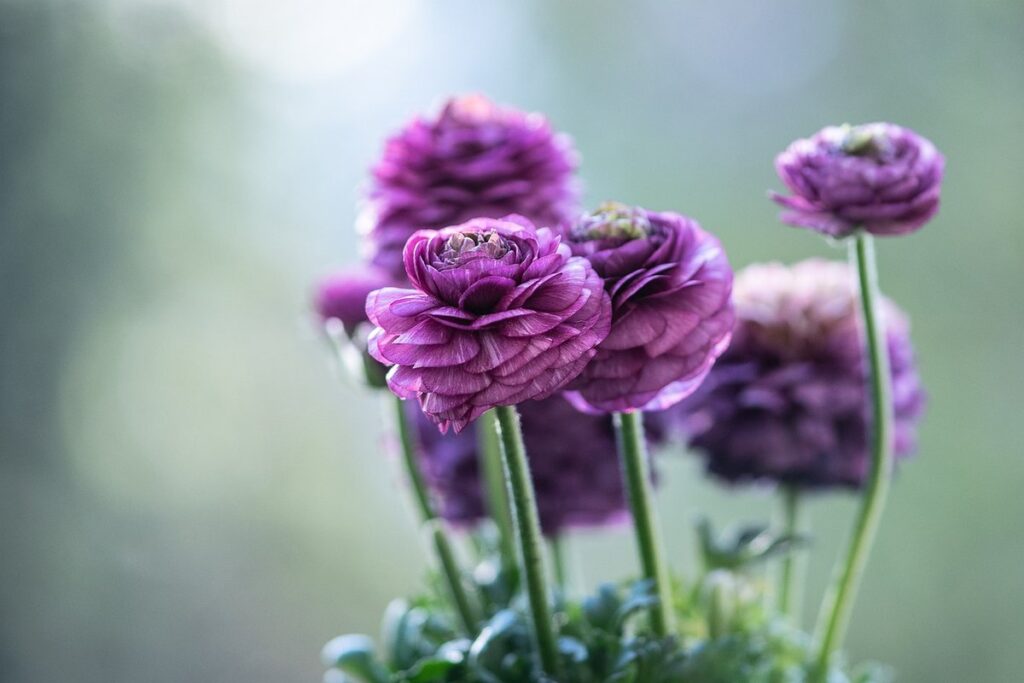
Understanding Ranunculus Basics
To grow ranunculus successfully in pots, you need to start by understanding their fundamental needs and characteristics. This includes learning about their light requirements and ideal temperature ranges.
Ranunculus Plant Overview
Ranunculus plants are native to Asia and Europe, but their adaptable nature has made them a favorite among gardeners worldwide. These charming flowers come in an array of vibrant colors, including pinks, reds, oranges, yellows, and whites. With over 600 varieties, you can choose from a range of shapes, sizes, and growth habits to suit your container gardening needs.
Some popular varieties include the double-flowered ‘Double Romance’, ‘Queen Anne’ with its delicate white blooms, and ‘Butterfly Kisses’ featuring soft pastel shades. When choosing a variety for potting, consider factors like mature plant size, blooming period, and light requirements to ensure optimal growth in your container.
Ranunculus plants typically thrive in well-draining soil and full sun to partial shade conditions. They have a moderate growth rate, reaching heights of 10-24 inches, making them an excellent choice for smaller pots or hanging baskets. By understanding the characteristics and features of these beautiful flowers, you’ll be better equipped to provide the right environment for your ranunculus plants to flourish in their containers.
Choosing the Right Variety for Containers
When growing ranunculus in pots, it’s essential to choose a variety that’s specifically bred for container gardening. Compact or dwarf varieties are perfect for potting because they have a more manageable size and growth habit, making them ideal for small spaces.
To identify compact or dwarf varieties, look for keywords like “compacta,” “dwarf,” or “mini” in the plant name. Some popular types of ranunculus that thrive in containers include ‘Petite’, ‘Snowball’, and ‘Cancan’. These varieties typically grow to be around 6-12 inches tall and wide, making them perfect for small pots.
When selecting a variety, consider factors like bloom size, color, and duration. If you want a ranunculus that will bloom continuously throughout the growing season, look for types with a longer blooming period. For example, ‘Petite’ produces dainty white blooms from spring to fall, making it an excellent choice for containers.
Some other things to keep in mind when choosing a compact variety are the pot size and depth. Make sure your pot is at least 6-8 inches deep to accommodate the roots of your ranunculus. This will help prevent root bound issues and ensure your plant thrives in its container.
Preparing the Perfect Potting Mix
When growing ranunculus in pots, a well-balanced potting mix is crucial for healthy roots and vibrant blooms. Let’s dive into the essential steps to prepare the perfect potting mix for your ranunculus plants.
Soil Requirements for Ranunculus
When it comes to growing ranunculus in pots, creating the right soil composition is crucial for their optimal growth. Ranunculus thrives in well-draining mix with a pH range between 6.0 and 7.0. A slightly acidic to neutral soil pH is ideal, as this allows for healthy nutrient uptake.
To achieve this, you can create a potting mix specifically designed for ranunculus by combining equal parts of peat moss or coconut coir and perlite. This blend provides excellent drainage while retaining some moisture. You can also add compost or worm castings to enrich the soil with nutrients, but be cautious not to overdo it – too much fertilizer can lead to weak stems and poor root development.
A good rule of thumb is to mix in about 1-2 tablespoons of balanced fertilizer (10-10-10 NPK) per gallon of potting mix. This will provide your ranunculus with the necessary nutrients without burning their roots. Remember, ranunculus plants are heavy feeders and require regular fertilization, especially during the blooming period.
Additives and Amendments for Optimal Growth
When it comes to creating an ideal potting mix for ranunculus, incorporating additives and amendments can make all the difference. Organic matter, such as peat moss or coconut coir, is a great addition as it helps retain moisture and suppresses soil-borne diseases. Fertilizers like balanced fertilizers (10-10-10 NPK) or slow-release fertilizers are also essential for promoting root growth and blooming.
By adding these supplements to the potting mix, you can prevent common issues like root rot that often plague potted plants. For instance, adding a small amount of sulfur to the potting mix can help prevent fungal diseases, while perlite or vermiculite can improve drainage and reduce waterlogged soil conditions.
Consider the following tips when selecting additives for your ranunculus potting mix:
* Use slow-release fertilizers that release nutrients gradually over time.
* Add a balanced fertilizer (10-10-10 NPK) at the beginning of the growing season to promote root growth.
* Include organic matter like peat moss or coconut coir to retain moisture and suppress diseases.
Planting Ranunculus in Pots
When planting ranunculus in pots, it’s essential to choose a container that is at least 6-8 inches deep and has good drainage holes to accommodate their long taproots. This will ensure healthy growth and blooms.
Selecting the Right Container Size and Type
When selecting a container for growing ranunculus, it’s essential to consider the mature size of the plant. Ranunculus can grow quite large, with some varieties reaching up to 12 inches in diameter and 6-8 inches deep. To ensure proper growth, choose a container that provides sufficient depth and width.
A general rule of thumb is to select a container that is at least 6-8 inches deep and 8-10 inches wide. This will give the roots of the ranunculus enough room to grow without becoming waterlogged or pot-bound. Ceramic, plastic, and wood containers are all suitable options, but keep in mind that ceramic and wooden containers may require more maintenance due to their porosity.
Consider the specific needs of your plant when choosing a material. For example, if you live in an area with high temperatures or intense sunlight, a lighter-colored container like plastic or ceramic can help reflect heat and prevent scorching. On the other hand, wooden containers offer natural insulation and can be more resistant to extreme temperatures.
When selecting a container, also think about drainage. A saucer or tray under the pot can help catch excess water and prevent it from accumulating in the soil. This is especially important for ranunculus, which prefers well-draining soil to prevent root rot.
Planting Techniques for Success
When planting ranunculus bulbs or seedlings in pots, proper technique is essential for success. Start by selecting a container with good drainage holes to prevent waterlogged soil. Fill the pot about 1/3 full of well-draining potting mix, leaving enough space for the bulb or seedling to grow.
Plant the bulb or seedling at the same depth it was previously growing, making sure not to cover the crown (where the stem meets the roots). Space bulbs at least 6-8 inches apart, and seedlings about 12-18 inches apart. This will give them room to spread out and receive adequate sunlight.
Water thoroughly after planting, then keep the soil consistently moist but not waterlogged. A general rule of thumb is to water when the top inch of soil feels dry to the touch. Mulch around the plants to retain moisture and suppress weeds. By following these simple steps, you’ll be well on your way to growing healthy, vibrant ranunculus in pots.
Providing Optimal Care for Ranunculus Pots
When growing ranunculus in pots, providing optimal care is crucial to encourage healthy blooms and prevent common issues. This includes regular watering, fertilizing, and pruning techniques.
Lighting Requirements for Container-Grown Ranunculus
Ranunculus plants require adequate sunlight to bloom well, and this is especially true when grown in pots. Insufficient light can result in weak stems, reduced flower size, and delayed blooming. To ensure optimal flowering, it’s essential to provide your ranunculus with the right amount of direct or indirect sunlight.
When choosing a location for your potted ranunculus, consider the direction the pot will face. East- or west-facing areas receive gentle, indirect light throughout the day, making them ideal for ranunculus. South-facing spots get direct sunlight, but be cautious not to scorch the leaves by providing some shade during the hottest part of the day.
To determine the right amount of light for your specific container arrangement, observe your plants’ response to different lighting conditions. If you notice stems stretching towards a brighter area or flowering is delayed, it’s likely that the pot needs more direct sunlight. Conversely, if the leaves are scorched or flowers are droopy, consider moving the pot to a shadier location. Aim for at least 4-6 hours of direct sunlight per day, adjusting as needed based on your plant’s response.
Watering Strategies for Healthy Growth
When it comes to providing optimal care for ranunculus pots, watering is one of the most crucial factors. Overwatering can lead to root rot and other problems, while underwatering can cause the flowers to wilt and drop petals. To get it just right, consider the climate you’re in.
In hot and dry climates, you may need to water your ranunculus pots every 2-3 days, depending on the container size and soil mix. A well-draining potting mix can help prevent waterlogged soil, but it’s still essential to check the moisture levels regularly. For example, if you’re using a large container with a deep root system, you may need to water more frequently than in smaller pots.
In cooler climates, you might be able to get away with watering every 4-5 days. However, this can vary depending on the specific conditions and how quickly the soil drains. To avoid overwatering, stick your finger into the soil up to the first knuckle. If it feels dry, it’s time to water. Water thoroughly until you see water coming out of the drainage holes.
Troubleshooting Common Issues in Ranunculus Pots
We’ve covered the basics of growing ranunculus in pots, but what happens when things go wrong? Let’s tackle some common issues you might encounter.
Identifying and Addressing Root Rot and Other Problems
One of the most common issues you may encounter when growing ranunculus in pots is root rot. This occurs when the soil becomes waterlogged and the roots begin to decay. To prevent this, make sure not to overwater your plants, allowing the top inch of soil to dry out between waterings. Check for signs of root rot by gently removing the plant from its pot and inspecting the roots.
If you do find that your ranunculus has developed root rot, don’t worry – it’s an easy problem to fix! Simply trim away any affected roots with sterile scissors or pruning shears, and repot the plant in fresh, well-draining soil. To prevent this issue from occurring again in the future, consider using a potting mix specifically designed for cuttings or cacti.
Another common issue is yellowing leaves, which can be caused by a variety of factors including overwatering, underwatering, or nutrient deficiencies. To address this problem, take a closer look at your care routine and make adjustments as needed. For example, if you’re noticing that your leaves are turning yellow due to underwatering, try increasing the frequency of your waterings.
Poor blooming can also be a problem for ranunculus grown in pots. This may be caused by inadequate light, insufficient fertilization, or even too much fertilizer. To promote healthy blooms, make sure your plants are receiving at least six hours of direct sunlight per day and provide a balanced fertilizer during the growing season.
Reviving Wilting or Stressed Plants
If you notice your ranunculus plant is wilting or showing signs of stress due to overwatering, underwatering, or other factors, don’t worry – it’s not too late to revive it. The key is to identify the cause and make adjustments accordingly.
First, assess whether the issue is related to watering. If the soil feels waterlogged or soggy, your plant may be suffering from root rot caused by excessive moisture. Conversely, if the soil appears parched, underwatering might be the culprit. Prune back the plant to about one-third of its original size to promote new growth and prevent further decline.
Next, inspect the roots for signs of decay. Gently remove any dead or damaged roots with sterile scissors or a sharp knife. This will help your plant redirect its energy towards producing fresh foliage.
Re-establish optimal growing conditions by repotting your ranunculus in well-draining soil with sufficient sunlight and temperature control. Monitor your watering schedule closely to prevent future overwatering or underwatering issues. Keep an eye out for pests, such as aphids or whiteflies, which can further stress the plant.
Encouraging Ranunculus Blooms in Pots
To encourage ranunculus blooms in your potted plants, follow these essential tips to create an optimal environment for maximum flowering potential. This includes selecting the right soil mix and providing adequate light.
Fertilizing for Abundant Blooming
When it comes to encouraging abundant blooming of ranunculus in pots, providing the right nutrients is crucial. Ranunculus plants thrive on a balanced diet of essential nutrients that promote healthy growth and development. A balanced fertilizer with a ratio of 10-10-10 (nitrogen-phosphorus-potassium) will provide your ranunculus with the necessary building blocks to produce an abundance of blooms.
However, if you want to take your blooming to the next level, consider using bloom-enhancing fertilizers specifically formulated for cut flowers. These fertilizers typically contain higher levels of phosphorus and potassium, which are essential for flower production. When choosing a fertilizer, read the label carefully and look for products containing bone meal or fish emulsion, as these provide slow-release nutrients that promote root growth and flowering.
For optimal results, apply a balanced fertilizer at planting time, followed by a bloom-enhancing fertilizer once the plant has reached 6-8 inches in height. Water thoroughly after application to prevent burning the roots. By providing your ranunculus with the right nutrients at the right time, you’ll be rewarded with an abundance of vibrant blooms that will add beauty and charm to your pots.
Deadheading and Pruning Strategies
Deadheading and pruning are crucial techniques to encourage repeat flowering of ranunculus in pots. By removing spent blooms, you signal the plant to focus energy on producing new flowers rather than seed production. To deadhead effectively, simply pinch off the faded flower stem just above a leaf node, taking care not to damage the delicate stems.
Pruning also plays a vital role in maintaining the plant’s shape and promoting healthy growth. After flowering has finished, cut back the plant by about one-third to encourage new shoots and blooms. This technique is called “tip pruning.” By removing the spent flower stalks, you’ll direct the plant’s energy towards producing more flowers rather than foliage.
Timing your fertilization carefully can also impact repeat blooming. Apply a balanced, water-soluble fertilizer at half strength once a month after flowering has finished. This will provide essential nutrients for the plant to produce new buds and blooms. By combining these techniques – deadheading, pruning, and post-bloom fertilization – you’ll be well on your way to enjoying an extended ranunculus bloom period in your potted plants.
Conclusion: Tips for Long-Term Success with Container-Grown Ranunculus
Now that you’ve successfully grown ranunculus in pots, it’s time to think about long-term success. To keep your container-grown ranunculus blooming from season to season, make sure to choose a pot that is at least 6-8 inches deep and has good drainage holes. This will give the roots room to grow and prevent waterlogged soil. Also, consider using a high-quality potting mix specifically designed for containers.
As you continue to care for your ranunculus, remember to deadhead regularly to encourage more blooms. Fertilize lightly but frequently, as container-grown plants tend to need more nutrients than those in the ground. Keep an eye out for pests and diseases, and take action promptly if you notice any issues. By following these tips, you can enjoy beautiful ranunculus blooms all season long, year after year.
Frequently Asked Questions
How do I know if my ranunculus plants are receiving enough light?
Ranunculus plants typically require at least 6 hours of direct sunlight per day to bloom well. If your container is placed in a shaded area, you can consider using grow lights to supplement the natural light. However, be cautious not to overdo it, as excessive heat from direct sunlight or grow lights can cause damage to the leaves.
Can I use regular potting mix for growing ranunculus in pots?
While regular potting mixes can work, they may not provide the optimal nutrients and structure that ranunculus plants need to thrive. A well-draining mix specifically designed for flowering plants will help ensure your ranunculus gets the right balance of nutrients.
How often should I water my container-grown ranunculus plants?
Water your ranunculus plants when the top 1-2 inches of soil feels dry to the touch, usually every 3-4 days during hot summer months. However, avoid overwatering, as this can lead to root rot and other problems. Keep an eye on the moisture levels in the potting mix.
Can I propagate ranunculus from seed, or do I need to purchase new plants?
Yes, you can grow ranunculus from seeds! Sow them indoors 6-8 weeks before the last frost date in your area. Transplant the seedlings into larger pots once they have two sets of leaves. This method can be a bit more challenging than buying established plants, but it’s a cost-effective way to propagate new varieties.
How long does it take for ranunculus to bloom after planting?
The time it takes for ranunculus to bloom varies depending on the variety and growing conditions. Generally, you can expect blooms within 60-90 days of planting. Make sure to provide optimal care, including enough light, water, and nutrients, to encourage healthy growth and blooming.