
If you’ve ever reached for a loofah in the shower, you’re likely familiar with its gentle exfoliating powers. But did you know that loofah plants have so much more to offer beyond just skincare? Not only are they a sustainable alternative to synthetic exfoliants, but they also boast impressive medicinal benefits and unique environmental advantages. From reducing inflammation and improving skin health to providing natural fiber for crafts and textiles, the uses of loofah plants are incredibly versatile. In this article, we’ll delve into the wonderful world of loofah plants, exploring their many benefits, creative applications, and ways to incorporate them into your daily life. Whether you’re a skincare enthusiast or an eco-conscious crafter, you won’t want to miss out on the fascinating uses of these incredible plants!
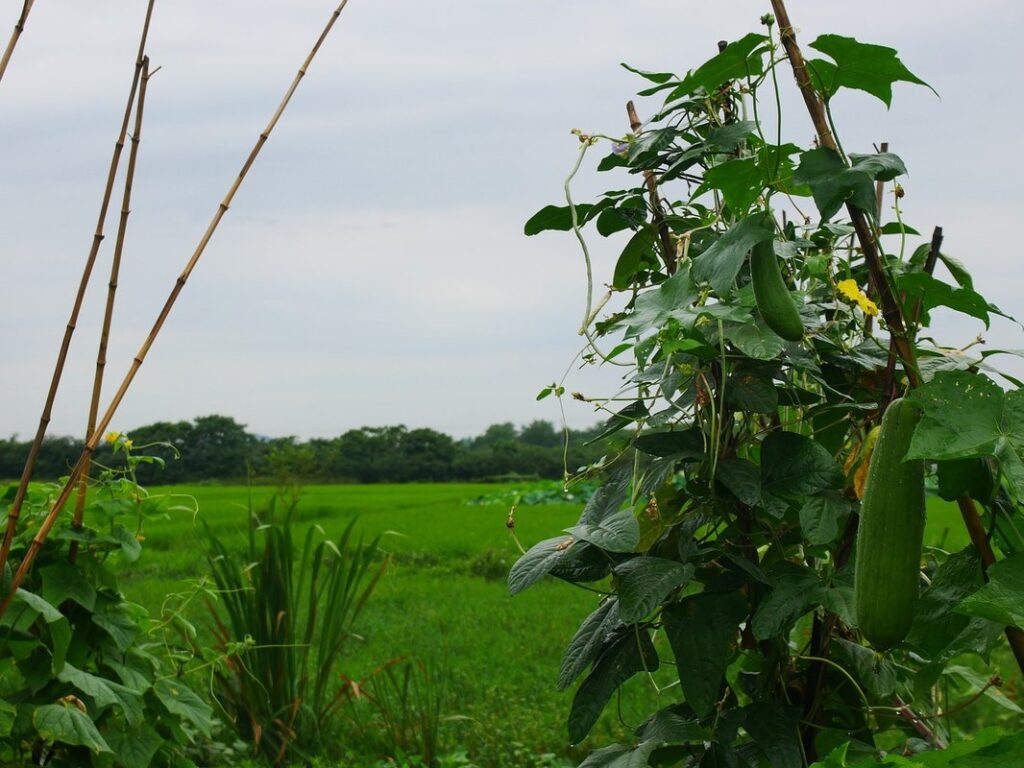
What is a Loofah Plant?
If you’re curious about loofah plants, let’s start at the beginning: what exactly is a loofah plant and where does it come from? It may surprise you!
Definition and Origin
Loofah plants are often misunderstood, but they have a fascinating history that spans across continents. Native to Africa, specifically in tropical and subtropical regions, loofah plants were first domesticated by the ancient Egyptians for their unique properties. Today, they’re widely cultivated in many parts of the world due to their adaptability and versatility.
The Cucurbitaceae family is a large and diverse group of plants that includes cucumbers, melons, squash, and gourds. Loofah plants are a part of this family, making them closely related to other popular vegetables and fruits. Their ability to thrive in different climates has made them an attractive crop for farmers worldwide.
Interestingly, the term “loofah” is often associated with the dried fruit of the plant, which resembles a sponge due to its unique cellular structure. However, the loofah plant itself is a vining plant that requires support as it grows, much like other members of the Cucurbitaceae family. Its ability to climb up trellises or other supports allows it to spread and produce more fruit.
As we delve deeper into the wonderful world of loofah plants, it’s essential to understand their origins and characteristics. By doing so, you’ll be better equipped to care for these amazing plants and unlock their full potential.
Types of Loofah Plants
Loofah plants come in various species, each with its unique characteristics and uses. One of the most common types is Luffa cylindrica, a tropical vine native to Asia that thrives in warm climates. This variety is widely cultivated for its long, cylindrical fruits, which are harvested when mature and dried to create natural exfoliating loofahs.
Another notable species is Luffa aegyptiaca, also known as the Egyptian cucumber or dishcloth gourd. This type of loofah plant produces smaller, more spherical fruit with a softer texture than Luffa cylindrica. The fruits are often used in traditional medicine and cooking in some parts of the world.
In addition to these two main types, there are other species like Luffa echinata and Luffa operculata, which have their own distinct features and applications. When selecting a loofah plant for cultivation or use, it’s essential to consider factors such as climate, soil type, and desired outcome. For instance, if you’re looking to grow loofahs for their fruit, Luffa cylindrica might be the better choice due to its larger, more abundant produce.
Benefits of Growing Loofah Plants
Growing loofah plants comes with a multitude of benefits, including easy care and a natural way to exfoliate. By learning more about these advantages, you can start enjoying the rewards of gardening.
Medicinal Properties
Loofah plants have been utilized for centuries in traditional medicine to treat various health issues. The plant’s medicinal properties are primarily attributed to its high content of vitamin C, antioxidants, and other beneficial compounds.
Research has shown that loofah extracts can exhibit anti-inflammatory properties, which may help alleviate symptoms associated with skin conditions such as eczema, acne, and rosacea. For instance, a study published in the Journal of Ethnopharmacology found that a topical cream made from loofah extract significantly reduced inflammation and improved skin health in patients with atopic dermatitis.
Loofah plants are also known to have digestive benefits due to their high fiber content. Drinking tea made from dried loofah flowers or consuming loofah-infused water can help regulate bowel movements, alleviate constipation, and soothe digestive issues such as irritable bowel syndrome (IBS).
When using loofah for medicinal purposes, it’s essential to dry the plant thoroughly after harvesting to preserve its potency. You can also combine loofah with other herbs to create a customized remedy for specific health concerns.
To reap the benefits of loofah in your daily life, consider incorporating dried loofah flowers into your tea routine or using loofah-infused oil as a natural skincare product.
Environmental Benefits
Loofah plants are more than just a unique addition to your garden – they’re also an excellent choice for environmentally conscious gardeners. One of the key benefits of growing loofahs is their ability to attract beneficial insects, such as bees and butterflies. These pollinators play a crucial role in maintaining a healthy ecosystem, transferring pollen between plants and allowing them to reproduce.
In addition to attracting beneficial insects, loofah plants can also help improve soil health. As they grow, they absorb nutrients from the soil, but more importantly, their roots break up compacted soil, making it easier for air and water to reach plant roots. This, in turn, creates a healthier environment for other plants nearby. If you’re practicing organic gardening, loofahs are an excellent choice. They don’t require pesticides or synthetic fertilizers, allowing your garden to thrive without harming the surrounding ecosystem.
By incorporating loofahs into your garden, you can promote biodiversity and create a more balanced ecosystem, all while enjoying the benefits of a low-maintenance crop.
Uses in Skincare and Cosmetics
Loofah plant fibers have been a staple in skincare routines for their impressive exfoliating properties. In fact, it’s one of the most popular uses of loofah plants, and for good reason! The gentle yet effective way they remove dead skin cells leaves skin feeling smooth and refreshed.
One of the primary reasons skincare companies love incorporating loofah fibers into their products is that they’re incredibly gentle. Unlike harsh exfoliating beads or rough scrubs, loofah fibers won’t strip your skin of its natural oils or cause micro-tearing, which can lead to irritation and dryness. This makes them an excellent choice for sensitive skin types.
You can also use dried loofah sponges as a gentle face wash or body scrub at home. Simply wet the sponge, massage it onto your skin in circular motions, and rinse off for a smooth finish. For a more intense exfoliating experience, try combining loofah fibers with a nourishing sugar or salt scrub for an indulgent spa treatment right in the comfort of your own home!
How to Grow Loofah Plants
To successfully grow loofah plants, you’ll need to provide them with the right amount of water, sunlight, and nutrients, as well as learn how to train their unique vines.
Climate and Soil Requirements
When it comes to growing loofah plants, understanding their climate and soil requirements is crucial for their success. Loofah plants prefer warm temperatures, typically above 65°F (18°C), making them ideal for tropical and subtropical regions. In fact, they thrive in conditions with high humidity and full sun, which can be a challenge to replicate in cooler climates.
To create an environment conducive to loofah growth, choose a location with well-draining soil that’s rich in organic matter. Loofah plants don’t like waterlogged soil, so ensure the area drains excess moisture quickly. A slightly acidic to neutral pH (5.5-7) is also suitable for their growth.
In regions where temperatures fluctuate significantly, provide loofah plants with some protection during colder months or use containers that can be moved indoors during winter. This will help them survive and thrive in areas with limited warm weather.
Some gardeners have successfully grown loofah plants in containers using a mix of compost and perlite for optimal drainage. This approach allows you to control the soil quality and ensure it remains well-draining, even when growing in pots.
Propagation Methods
When it comes to growing loofah plants, propagation is an essential step that can either speed up or slow down the growth process. Fortunately, you have two methods at your disposal: seeds and cuttings.
Using seeds for propagation is a common method, but it requires patience as it takes longer for the seedlings to mature. Sow the seeds about ¼ inch deep in a well-draining seed starting mix, water gently, and maintain temperatures between 70-85°F (21-29°C) until germination occurs. However, this process can take anywhere from two to four weeks.
For a faster method of growth, you can opt for propagation through cuttings. Cut sections of the mother plant, around 6-8 inches long, just above a node using sharp pruning shears or scissors. Remove lower leaves and place the cutting in a pot filled with a well-draining mix. Water thoroughly and maintain temperatures between 70-85°F (21-29°C). With proper care, cuttings can develop roots within a few weeks and begin to vine within two months.
To increase your chances of successful propagation through cuttings, make sure to choose healthy sections of the mother plant with plenty of nodes for optimal root development.
Support and Training
When growing loofah plants, it’s essential to provide them with support to help them grow upright and thrive. As vining plants, they can spread quite wide if left unchecked, so a trellis or other structure is necessary to contain their growth and encourage vertical development.
To create the perfect support system for your loofah plant, start by installing a sturdy trellis in a location where it can receive direct sunlight. Make sure the trellis is tall enough to accommodate the expected height of your plant – some varieties can grow up to 10 feet or more. For smaller spaces, you can also use a bamboo stake or a tomato cage to provide support.
As your loofah plant grows, gently tie its stems to the trellis using soft ties like twine or Velcro strips. This will help keep the plant upright and promote even growth. Remember to prune any weak or spindly branches regularly to encourage bushy growth and prevent disease from entering through damaged areas.
Loofah Plant Care
Caring for your loofah plant is relatively easy, but there are a few things to keep in mind to ensure it thrives and produces plenty of those amazing flowers. Let’s dive into the basics of loofah plant care.
Watering and Humidity
When it comes to watering your loofah plant, consistency is key. Loofah plants thrive in moist environments but are prone to root rot if the soil is too wet for an extended period. To strike the right balance, check the top 1-2 inches of soil daily to ensure it’s not waterlogged. Water your loofah plant when the soil feels dry to the touch.
Water thoroughly until you see a slight trickle of water coming out of the drainage holes in the pot. However, make sure not to overwater, as this can lead to root rot and other problems. A good rule of thumb is to water your loofah plant when the top 1-2 inches of soil feels dry.
Maintaining a humid environment around your loofah plant can also promote healthy growth. You can place the pot on a tray filled with water and pebbles to create a microclimate that retains moisture. Alternatively, use a humidifier nearby to maintain an ideal humidity level between 40-60%. Monitor your loofah plant’s response to these measures and adjust accordingly to ensure it receives just the right amount of moisture.
Fertilization and Pruning
When it comes to maintaining the health and appearance of your loofah plant, fertilization and pruning are essential practices to master. Regular feeding will provide the necessary nutrients for your plant to thrive, while pruning will help control its shape and promote new growth.
Fertilize your loofah plant during the growing season, which typically spans from spring to fall. Use a balanced fertilizer that is rich in nitrogen, phosphorus, and potassium (NPK). You can also add a boost of magnesium and sulfur to enhance the plant’s overall health. For example, a 20-20-20 NPK fertilizer would provide an excellent balance of nutrients for your loofah plant.
Pruning should be done regularly to maintain the plant’s shape and encourage bushy growth. Remove any dead or damaged stems, as well as weak and spindly branches. This will help direct the plant’s energy towards producing more robust and healthy shoots. When pruning, make clean cuts using a pair of sharp scissors or pruning shears, and disinfect your tools between cuts to prevent the spread of disease.
By fertilizing and pruning your loofah plant regularly, you’ll be rewarded with a thriving and productive plant that will continue to provide you with an abundance of loofahs.
Pest and Disease Management
Regular monitoring is essential to catch pests and diseases early on before they can cause significant damage to your loofah plant. Start by inspecting your plant regularly, checking for signs of pests such as white powdery patches, sticky residue, or actual insects like mealybugs, spider mites, or scale.
If you notice any issues, treat the problem promptly using organic pest control methods whenever possible. For example, neem oil is a natural fungicide and insecticide that can be used to control a wide range of pests. Spray it on the affected areas according to the product’s instructions.
When it comes to diseases, look out for signs such as yellowing leaves, black spots, or powdery mildew. Fungal diseases like powdery mildew are more common in humid environments. To prevent this, ensure good air circulation around your plant and avoid overwatering. If you do notice any disease symptoms, remove the affected areas to prevent the spread of the disease and treat with a fungicide specifically designed for loofah plants.
Harvesting Loofah Plants
Now that you’ve nurtured your loofah plants, it’s time to harvest them at the right moment for optimal quality and quantity. Learn how to identify when they’re ready and safely cut them from the vine.
When to Harvest
When it comes to harvesting loofah plants, timing is everything. If you want to ensure that your loofahs remain intact and retain their fibers, you’ll need to pluck them at the right moment.
Typically, loofah plants are ready for harvest when the fruit is mature but still green. This might seem counterintuitive, as you might expect the loofahs to be fully ripe or even slightly yellowed before picking. However, harvesting too late can cause the fibers to break down and become brittle, rendering them unusable.
A good rule of thumb is to check your loofah plants regularly for signs of ripeness. You can do this by gently twisting a few of the gourds – if they come off easily, it’s likely that they’re ready to be harvested. Keep in mind that over-ripeness can also occur if you harvest too early, so patience is key.
To avoid damaging your loofahs during the harvesting process, make sure to cut them from the vine carefully, leaving about an inch of stem attached to each gourd. This will help preserve their integrity and ensure they remain usable for crafting and other purposes.
How to Harvest
When it’s time to harvest your loofah plant, you’ll want to do so carefully to ensure that you get the best possible fruit while also protecting the stem and vine. The first step is to inspect the loofah for its optimal ripeness – a ripe one will be firm but slightly yielding to pressure, with a pleasant brown color.
Once you’ve confirmed it’s ready, use sharp, clean pruning shears or scissors to carefully cut the fruit from the vine, making sure not to damage the stem. You can also gently twist and pull the loofah away from the plant if it’s close enough to do so. To encourage continued growth and prevent disease, make sure to disinfect your cutting tools between cuts.
Be mindful of the time of day when harvesting – ideally, morning is best as it allows for a full day of drying before nightfall. Harvesting in the morning also minimizes the risk of fungal diseases that can thrive in warm, moist conditions. By following these simple steps and harvesting at the right time, you’ll be able to enjoy your loofahs for months to come.
Creative Uses for Loofah Plant Fibers
Beyond their humble roots, loofah plant fibers have a multitude of creative uses that can elevate your home decor and DIY projects to the next level. Get inspired by these innovative ideas.
Natural Exfoliants and Scrubs
One of the most exciting applications for loofah plant fibers is in homemade exfoliating products. Their gentle yet effective properties make them a popular ingredient for scrub recipes. When used in natural scrubs, loofah fibers help remove dead skin cells without stripping the skin of its natural oils.
You can easily create your own exfoliating scrubs using loofah fibers by combining them with natural ingredients like coconut oil, sugar, or salt. For instance, try mixing 2 tablespoons of coconut oil with 1 tablespoon of granulated sugar and 1 teaspoon of dried loofah powder for a nourishing foot scrub.
Loofah plant fibers can also be used in face masks to gently exfoliate the skin and remove impurities. Mix 1 tablespoon of loofah powder with your favorite face mask ingredients, such as honey or yogurt, for a soothing and effective treatment. The possibilities are endless when it comes to using loofah fibers in homemade beauty products.
When selecting a natural scrub made from loofah plant fibers, look for products that are free from harsh chemicals and artificial fragrances.
Crafts and Decorations
One of the most exciting aspects of working with loofah plant fibers is their versatility in crafting unique and beautiful decorations for your home. The fibers can be woven into baskets, adding a natural and earthy touch to your living room or kitchen. You can also use them to create wall hangings, such as macrame wall art, which can add a bohemian flair to any room.
To get started with crafting loofah plant fiber decorations, you’ll need to gather the necessary materials, including the fibers themselves, some twine or string, and any other embellishments you’d like to use. For example, you could add shells or beads to give your wall hanging a more polished look. One of the benefits of using loofah plant fibers is that they’re incredibly durable and long-lasting, making them perfect for pieces that will be handled frequently.
If you’re new to working with natural fibers, don’t worry – it’s easy to learn the basics of weaving or knotting. There are plenty of online tutorials and resources available to guide you through the process. With a little patience and practice, you can create stunning loofah plant fiber crafts that will add a personal touch to any space.
Compost Material
When you’ve harvested the fruit of your loofah plant, don’t discard the remaining plant material just yet. This byproduct can be repurposed to create nutrient-rich soil for your garden through composting.
Compost piles require a mix of “green” materials like kitchen scraps and grass clippings, as well as “brown” materials such as dried leaves or shredded newspaper. The loofah plant material falls into the latter category, providing carbon-rich nutrients that help balance out the nitrogen content of your compost.
To incorporate your loofah plant waste into a compost pile, simply shred it into smaller pieces and add it in moderation. A general rule of thumb is to maintain a 2/3 “brown” to 1/3 “green” material ratio. This will help create a healthy balance of microorganisms that break down the organic matter.
As your compost pile matures, it will transform into a rich, dark soil amendment perfect for fertilizing your loofah plant and other garden favorites.
Conclusion
In conclusion, loofah plants are truly one of nature’s wonders. Not only do they provide us with an eco-friendly alternative to synthetic exfoliants, but they’re also incredibly easy to care for and can be grown in even the smallest of spaces. With regular pruning and a well-draining potting mix, you’ll be enjoying the benefits of loofahs for months to come. And as we’ve discussed throughout this post, there are countless ways to use these versatile plants – from creating homemade soap and lotion to using them as natural pest control in your garden.
By incorporating loofah plants into your daily routine and gardening practices, you’ll be taking a significant step towards living a more sustainable lifestyle. So don’t be afraid to get creative and experiment with different uses for your loofah plant – we’re sure you’ll come up with some amazing ideas!
Frequently Asked Questions
Can I grow loofah plants indoors, even if I don’t have a large garden space?
Yes, you can successfully grow loofah plants indoors with the right conditions. They prefer bright light and warm temperatures above 65°F (18°C), making them ideal for sunny windows or indoor growing containers. Be sure to provide adequate ventilation and maintain humidity levels between 50-70% for optimal growth.
How long does it take to harvest loofah plant fibers, and what’s the best time of year?
The harvesting period typically ranges from 3-5 months after planting, depending on factors like climate, soil quality, and growing conditions. The best time to harvest is when the fruit starts to turn yellow or orange, indicating that the inner pith is mature and ready for use.
Can I use loofah plant fibers as a natural pest control method?
While loofah plants are not typically used as a standalone pest control solution, their fibers can be used in combination with other organic methods to repel pests. For example, you can mix dried loofah fibers into compost tea or use them to make natural barriers against slugs and snails.
How do I preserve loofah plant fibers for long-term storage and reuse?
Proper preservation is key to maintaining the quality of loofah fibers. You can dry the fibers thoroughly in a warm, well-ventilated area before storing them in airtight containers or resealable bags. To extend shelf life, consider adding a natural desiccant like silica gel or baking soda to absorb excess moisture.
Can I use loofah plant fibers for craft projects without any additional processing?
While you can use raw loofah fibers in some crafts, they may not be suitable for all applications due to their coarse texture and potential for shedding. For smoother results, consider processing the fibers by hand or using a mechanical device to soften and clean them before crafting.