
Pineapples have always been a fascinating fruit, but have you ever stopped to think about how they actually grow? Many people assume that pineapples sprout from trees like apples or bananas, but the truth is quite different. In fact, pineapples are technically not even a tree fruit at all – they’re a type of herbaceous perennial! But don’t worry, we won’t get too technical here. What’s more interesting is why this misconception exists in the first place and how it’s led to some common misconceptions about pineapple cultivation.
In this article, we’ll delve into the fascinating world of pineapple growth habits and debunk some common myths along the way. We’ll explore what makes pineapples unique and how they’re cultivated by farmers around the world. So, let’s get stuck in and discover the truth behind these prickly yet delicious fruits!
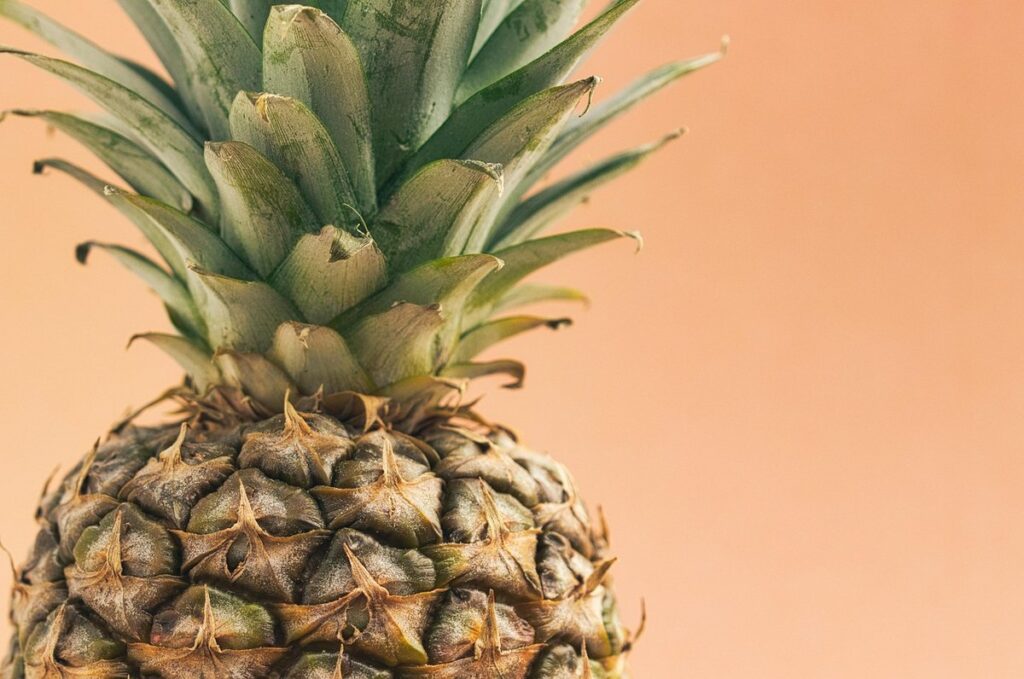
Understanding Pineapple Botany
Let’s dive into the fascinating world of pineapple botany, where we’ll explore how these sweet fruits grow and thrive on plants that aren’t quite trees. You might be surprised at what you learn!
What is a Pineapple?
Pineapples are often misunderstood as growing on trees, but they’re actually tropical plants that belong to the bromeliad family. This family includes over 3,000 species of plants, many of which are epiphytes – meaning they grow on other surfaces without harming them.
But what exactly makes a pineapple a plant? For one, it’s not a tree because it doesn’t have a single main trunk or branches that grow upwards towards the sun. Instead, pineapples have long, stiff leaves that grow from the center of the plant, which can reach up to 6 feet tall. The tough, waxy leaves are actually modified stems that store water and nutrients, allowing the pineapple plant to thrive in dry environments.
Pineapple plants also don’t produce a single fruit; each plant produces multiple fruits, which are technically speaking, not even true fruits. They’re formed from the merged bracts of flowers on the plant’s stem. So, when you bite into a juicy pineapple, remember that it’s actually the modified leaves and stems of a bromeliad plant that have come together to create this delicious tropical treat!
Types of Pineapple Plants
When it comes to growing pineapples, most people assume they grow on trees. But did you know there are two main types of pineapple plants? These varieties are not only interesting but also play a significant role in determining the characteristics and taste of the fruit.
The smooth-cayenne type is by far the most widely cultivated variety, responsible for producing the majority of commercial pineapples. This type has larger leaves with sharp spines, which protect the plant from pests and diseases. Smooth-cayenne plants are known for their high yield and are often grown on large plantations.
On the other hand, the Red Spanish type is prized for its sweeter flavor and smaller size. This variety produces fruit that’s rich in antioxidants and has a unique, sweet-tart taste. Red Spanish plants have smaller leaves with fewer spines, making them more compact and easier to grow in small spaces.
While both types are delicious, they cater to different tastes and growing conditions. If you’re looking to grow pineapples at home, choosing the right variety is crucial. Consider your space constraints, climate, and personal preferences when deciding between these two popular types of pineapple plants.
The Life Cycle of a Pineapple Plant
Let’s dive into how pineapple plants grow and thrive, from sprouting to ripening, and dispel some common misconceptions along the way. We’ll explore their unique life cycle.
Germination and Seedling Stage
The germination and seedling stage of a pineapple plant is a critical period that sets the foundation for its future growth. After a pineapple fruit has matured, it produces hundreds of seeds. However, pineapple plants are sterile, meaning they cannot produce viable seeds. Instead, farmers propagate pineapples through crowns or suckers, which are cut from mature plants.
To germinate pineapple seeds, they need to be treated with a process called scarification. This involves scratching the seed coat to help it absorb water and initiate growth. The seeds are then planted in a well-draining potting mix and kept warm, around 75-85°F (24-29°C), to promote germination.
Proper care during this stage is crucial for healthy growth. Seedlings need bright indirect light, consistent moisture, and adequate nutrients to develop strong roots and stems. Farmers typically use a balanced fertilizer to provide essential nutrients during this period. By providing the right conditions, you can encourage your pineapple seedling to thrive and grow into a mature plant.
Maturation Stage
As your pineapple plant enters its maturation stage, it will undergo significant changes. Initially, you’ll notice new leaves emerging from the crown of the plant. These will grow longer and develop into sturdy stems that support the weight of the fruit.
About 12-20 months after planting, you can expect to see the first sign of flowers. These will be small, yellowish-green buds that appear at the base of each leaf. As they mature, the leaves will start to turn a reddish tint, signaling that the plant is getting ready to produce its fruit.
It’s essential to note that pineapples take approximately 12-20 months to reach maturity after flowering. During this period, you’ll need to provide optimal growing conditions, including sufficient sunlight, water, and nutrients.
As your pineapple plant continues to mature, it will start to produce multiple crowns, which can be separated from the main stem and replanted. This is a great way to propagate new plants, allowing you to enjoy the fruits of your labor for years to come.
Keep in mind that regular pruning and fertilization will help promote healthy growth and maximize fruit production. By carefully monitoring your plant’s progress and providing the right care, you’ll be rewarded with delicious pineapples from your very own garden.
Pineapple Plant Structure
Let’s take a closer look at how pineapples grow, starting from their roots and moving up to their unique leaves that distinguish them from other tropical plants.
Leaves and Stems
Pineapple leaves and stems are truly remarkable structures that have adapted to help the plant thrive in dry environments. The leaves of a pineapple plant can grow up to 3 feet long, with tough, waxy blades that act as a shield against water loss through transpiration. These adaptations allow pineapples to conserve precious moisture, especially during times of drought.
But what’s even more impressive is how these structures work together to store nutrients and water. The stems of the pineapple plant are thick and fleshy, with nodes that contain stored starches and sugars. This unique storage system allows the plant to survive for extended periods without rain or irrigation. In fact, a mature pineapple plant can go weeks without water due to its ability to draw moisture from the stored water in its leaves.
This remarkable adaptation enables pineapples to grow in areas with limited rainfall, making them an ideal crop for farmers in arid regions. By understanding how pineapple plants store nutrients and water, we can appreciate the clever design of these incredible fruits – and maybe even grow our own pineapples at home!
Roots and Rhizomes
Deep beneath the surface of a pineapple plant lies an intricate network of underground structures that play a vital role in its growth and development. Unlike trees, pineapples don’t have taproots to anchor them deep into the soil, but they do have a unique system consisting of roots and rhizomes.
Roots in a pineapple plant are primarily responsible for absorbing water and nutrients from the surrounding soil. They can extend up to 24 inches or more from the base of the plant, allowing it to access essential resources. However, it’s worth noting that pineapple plants don’t have extensive root systems like trees do. Their roots tend to be shallow and spread out horizontally.
Rhizomes, on the other hand, serve as storage organs for the plant. They store carbohydrates produced during photosynthesis, providing energy reserves for the plant when needed. This system is particularly beneficial in tropical regions where pineapple plants experience dry spells or fluctuations in temperature. By storing nutrients underground, the plant can survive and thrive even with limited access to water.
Understanding these subterranean structures helps clarify why pineapples don’t grow on trees – they have a distinct architecture that allows them to grow in a different environment altogether.
Pineapple Growth Habits
Let’s dive into the fascinating world of pineapple growth habits, where we’ll explore how these prickly fruits develop and mature over time.
Epiphytic vs. Terrestrial Plants
Pineapples are often mistakenly believed to grow on trees due to their unique growth habit. However, they don’t actually thrive on tree trunks like some other epiphytic plants do. Instead, pineapples are classified as epiphytes, which means they grow on other plants or surfaces without deriving nutrients from the host plant.
As epiphytes, pineapples naturally develop in a slightly different way compared to terrestrial plants that grow directly in soil. For instance, their leaves and roots adapt to absorb moisture and nutrients from the air and surrounding environment rather than from the ground. This unique growth habit is crucial for pineapple development as it allows them to thrive in environments where nutrient-poor soil might be a hindrance.
The epiphytic nature of pineapples plays a significant role in shaping their overall growth patterns. They tend to grow more slowly and have a longer maturation period compared to terrestrial plants due to the need to constantly search for essential nutrients. This distinctive characteristic is what sets pineapples apart from other types of fruit-bearing plants, making them an interesting topic to explore.
In fact, many tropical regions where pineapples are native often support their growth by providing a mesh or netting structure that allows for better air circulation and moisture absorption. By mimicking these natural conditions in a controlled environment, gardeners can successfully cultivate pineapples, even in areas with less-than-ideal soil quality.
It’s essential to understand the unique needs of pineapple plants, particularly when it comes to their epiphytic growth habit. By providing the right conditions and addressing their specific requirements, you’ll be well on your way to growing a healthy and productive pineapple plant.
Climatic Factors
When it comes to growing pineapples, climatic factors play a significant role in determining their growth habits. Temperature is one of the most critical factors, as pineapples thrive in tropical and subtropical regions with average temperatures ranging from 64°F to 90°F (18°C to 32°C). If temperatures drop below 55°F (13°C), pineapple plants may suffer damage or even die.
Humidity also has a considerable impact on pineapple growth. Pineapple plants prefer a humid environment, typically between 60% and 80% relative humidity. However, if the humidity is too high, it can lead to fungal diseases such as crown rot. To mitigate this risk, gardeners should ensure good air circulation around the plants.
Light exposure is another crucial factor in pineapple growth. While pineapple plants require some direct sunlight to produce sugars through photosynthesis, excessive sunlight can cause scorching and reduced fruit quality. Ideally, pineapples should receive partial shade, especially during peak summer months. By understanding these climatic requirements, gardeners can provide optimal growing conditions for their pineapple plants, resulting in healthier and more productive growth.
Pineapple Cultivation Practices
If you’re curious how pineapple farmers bring these tropical fruits from seed to shelf, let’s take a closer look at some of the cultivation practices involved.
Commercial Pineapple Production
In commercial pineapple production, farmers often adopt monoculture farming practices to increase yields and efficiency. This means planting large areas with a single crop, in this case, pineapples. Monoculture farming allows for easier management and control over pests and diseases that can affect the crop. However, it also increases the reliance on chemical pesticides and fertilizers.
Mechanized harvesting is another key aspect of commercial pineapple cultivation. Machines are used to uproot the mature plants, making the process faster and more efficient than manual labor. This method also reduces labor costs and allows for a higher yield per acre. Some farms may still use manual labor for pruning and weeding, but mechanized harvesting has become the norm in large-scale pineapple production.
Farmers who adopt these commercial practices can expect to see significant increases in productivity and profits. For example, a study by the Food and Agriculture Organization (FAO) found that mechanized farming increased pineapple yields by up to 30% compared to traditional manual labor methods. However, it’s essential for farmers to weigh the benefits against potential environmental costs and consider more sustainable practices as an alternative.
Home Gardening Tips
Growing pineapples at home can be a rewarding experience, but it requires careful attention to detail. Before planting, prepare your soil by mixing in compost or well-rotted manure to improve drainage and fertility. Pineapples prefer slightly acidic soil with a pH between 5.5 and 6.5, so test your soil regularly.
When choosing a location for your pineapple plant, ensure it receives bright, indirect light and is protected from strong winds. Water your pineapple plant regularly, but avoid overwatering which can lead to root rot. Mulch around the base of the plant to retain moisture and suppress weeds.
As pineapples grow, keep an eye out for pests like mealybugs, scales, and spider mites. Regularly inspect your plants and treat any infestations promptly with insecticidal soap or neem oil. With proper care and attention, you can enjoy fresh pineapple fruit right in your own backyard. Consider using a containerized system to control soil-borne diseases and pests that might be prevalent in your area.
To ensure healthy growth, fertilize your pineapple plant every 1-2 months with a balanced fertilizer. This will promote strong leaf growth and support the development of delicious fruit. With these tips, you’ll be well on your way to growing juicy pineapples in your home garden.
Debunking the “Pineapple Grows on Trees” Myth
Let’s set the record straight: pineapples don’t grow on trees, but where exactly do they come from and why does this common misconception persist?
Origins of the Misconception
The notion that pineapples grow on trees likely stems from a mix of historical accounts and cultural exchange. In the 17th century, European colonizers brought back exotic fruits, including pineapples, from tropical regions to their homelands. The fruit’s unfamiliar appearance may have led to misunderstandings about its growth habits.
Popular media has also contributed to the misconception. Some films and literature depict pineapples growing on trees or vines. These depictions can perpetuate false information, especially for those unfamiliar with the fruit’s origins. For example, in the 1960s television show “Gilligan’s Island,” pineapples are shown growing on a tree.
A possible source of confusion lies in the fact that some plants with edible fruits do grow on trees or vines. Fruits like figs and grapes come to mind. This similarity might have led people to assume that pineapples, too, grow on trees. However, it’s essential to understand that pineapples are a type of herbaceous plant that grows in tropical regions.
Correcting Common Misconceptions
Another misconception that needs to be addressed is that pineapples are somehow related to bananas and plantains. Some people assume that since both fruits grow on long stems and have a tropical origin, they must belong to the same family or share similar growth habits. However, this couldn’t be further from the truth.
Pineapples (Ananas comosus) belong to the Bromeliaceae family, which is distinct from the banana (Musa acuminata) and plantain (Musa paradisiaca) families. While pineapples do grow on a stem, it’s actually a false stem called a “suckers” or “skirt,” which is made up of tough, waxy leaves that resemble a skirt.
To correct this misconception, simply remember that pineapple plants are unique in their growth habit and require specific care to thrive. They need full sun, well-draining soil, and temperatures between 65°F to 80°F (18°C to 27°C) to grow successfully. This is quite different from bananas and plantains, which prefer shadier conditions and more moisture.
By understanding the true nature of pineapple growth habits, you’ll be better equipped to provide these plants with the care they need to flourish.
Conclusion: Pineapple Facts and Fun
Now that we’ve explored where pineapples actually grow, let’s wrap up with some fun facts and surprises that’ll make you love this tropical fruit even more!
Recap of Key Points
In this article, we’ve explored the fascinating world of pineapples and their relationship with trees. To recap, let’s revisit some key points that will stick with you long after finishing reading.
Pineapples are actually a type of herbaceous perennial plant, belonging to the bromeliad family, which is commonly found in tropical regions. Unlike what many people assume, they don’t grow on trees! In fact, pineapples can thrive in a variety of environments, from being grown indoors to being cultivated commercially on large farms.
Some interesting facts include that pineapple plants can produce multiple stems and flowers over the course of their lifespan, typically taking about 12-20 months to reach maturity. They also require specific growing conditions, including plenty of sunlight, water, and well-draining soil.
To take away from this article, consider these practical tips: if you’re a gardener or enthusiast, experiment with cultivating pineapple plants in pots or containers; for farmers, look into optimizing your agricultural practices to increase yields and minimize waste. By understanding the unique needs and characteristics of pineapples, we can appreciate their remarkable adaptability and resilience even more!
Interesting Pineapple Facts
Pineapples are more than just a sweet and tangy fruit – they’re also packed with unique flavor compounds and have been used for centuries in various ways. One interesting fact about pineapples is that they contain an enzyme called bromelain, which is responsible for their tenderizing properties. This makes them a popular ingredient in marinades and sauces for grilled meats.
In terms of historical uses, pineapples were highly valued by the Incas and other pre-Columbian civilizations in South America, who used them as currency and gifts to royalty. The fruit was also brought back from the New World by European explorers, who cultivated it on plantations in the Caribbean and Hawaii. Today, you can find pineapple leaves being used in traditional Hawaiian leis, a symbol of hospitality and friendship.
Interestingly, pineapples have even been used for medicinal purposes – the juice has anti-inflammatory properties and is often consumed as a digestive aid. So next time you slice into a fresh pineapple, remember that you’re not just enjoying a tasty snack, but also tapping into centuries of history and cultural significance!
Frequently Asked Questions
Can I grow pineapples at home if I live in a non-tropical climate?
Yes, with proper care and protection from frost, you can still grow pineapples in containers indoors or outdoors in warmer regions. However, ensure your variety is suitable for container growing and provide adequate light and humidity.
What are the ideal conditions for pineapple cultivation on a small farm or homestead?
Pineapple plants require well-draining soil with pH between 5.5 and 6.5, full sun to partial shade, and moderate watering. They also benefit from mulching and fertilizing regularly, especially during the fruiting stage.
Can I propagate pineapples using leaves or other parts of the plant?
Yes, pineapple plants can be propagated using leaves (crown cuttings) or slips, but this method is less common and requires specialized equipment. The most reliable method for large-scale cultivation remains tissue culture.
How do I determine if my pineapple plant is healthy enough to produce fruit?
Check your plant’s overall appearance: look for signs of pests, diseases, or nutrient deficiencies. Make sure the plant has at least two growing seasons before harvesting, and provide optimal growing conditions for the best results.
Can I use a pineapple as an ornamental plant in my garden even if it doesn’t produce fruit?
Absolutely! Pineapple plants can add a unique and tropical touch to your landscape. Even without fruiting, they still have attractive foliage and can thrive in containers or as a border plant in warmer climates.