
As a gardener, there’s nothing more frustrating than watching your carefully nurtured vegetables get devoured by unwanted critters. Pests can be a major headache in any garden, but vegetable gardens are particularly vulnerable due to their high nutrient value. Identifying common pests is the first step towards effective management and control. Unfortunately, many gardeners struggle with recognizing early warning signs of infestation, which can lead to reduced yields or even total crop loss. In this comprehensive guide, we’ll walk you through the visual signs of pest infestation, provide tips on identifying common vegetable garden pests, and share practical control methods to help you keep your crops safe. With these insights, you’ll be well-equipped to tackle even the most pesky of invaders and enjoy a healthy, thriving harvest.
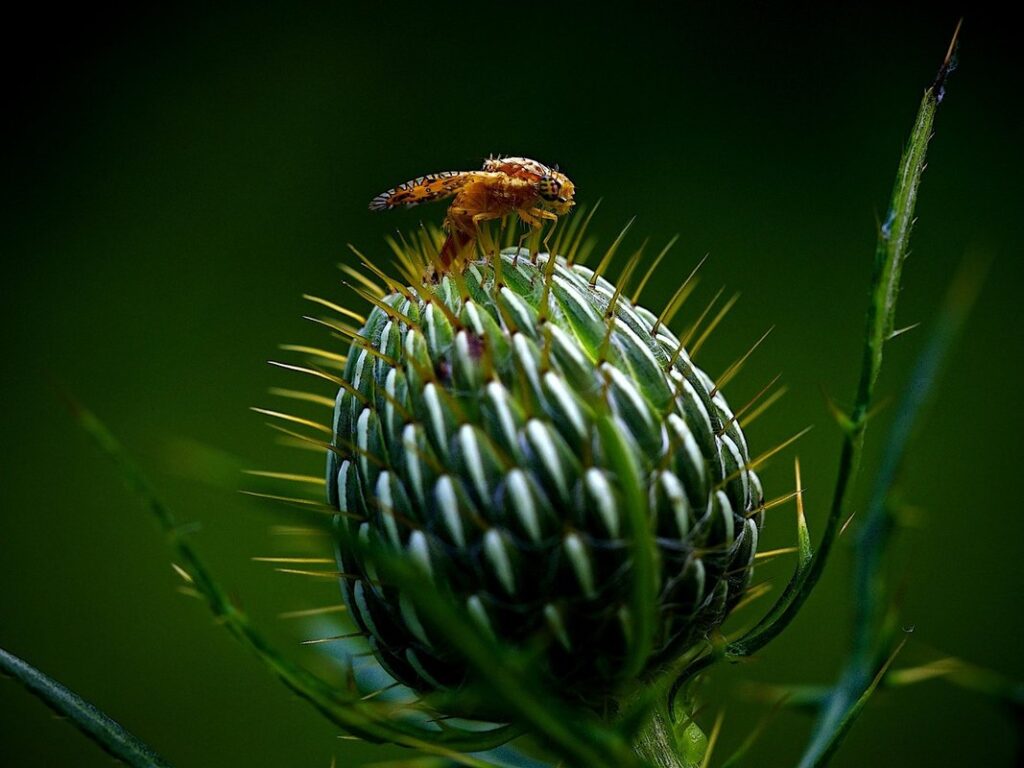
Understanding Common Vegetable Pests
When it comes to vegetable gardening, identifying common pests is crucial to preventing damage and maintaining a healthy crop. Let’s take a closer look at some of the most common pests you’ll encounter in your garden.
Identifying Visual Signs of Infestation
When inspecting your vegetable garden for pests, it’s essential to keep an eye out for visual signs of infestation. These can be subtle at first, but as the pest population grows, so do the damage and visible symptoms.
Some common pests and their characteristics include:
* Aphids: small, soft-bodied insects with a pear-shaped body and long legs that can cause curled or distorted leaves
* Whiteflies: tiny flying insects that feed on plant sap, leaving behind sticky honeydew residue
* Slugs and snails: slimy garden pests that leave behind trails of slime and eat through leaf tissues
To identify visual signs of pest infestation:
* Look for holes or tears in leaves, flowers, or fruits
* Check for egg clusters, larvae, or adult insects on plants
* Inspect soil and plants for sticky honeydew residue or fine webbing
* Monitor plant growth, looking for stunted or distorted leaves, stems, or fruits
Regularly inspecting your garden can help you catch pest infestations early, making it easier to control the population before significant damage occurs.
Recognizing Early Warning Signs
As you tend to your vegetable garden, it’s essential to recognize early warning signs of pest infestation before it’s too late. Damaged leaves or stems can be a clear indication that pests are present, but how do you identify these subtle changes? Start by inspecting your plants regularly, looking for telltale signs such as holes in leaves, chewed edges, or discolored patches.
Pests like aphids, whiteflies, and spider mites often leave behind a sticky substance called honeydew, which can attract ants and promote the growth of sooty mold. Check the undersides of leaves and stems for these pests, as well as eggs or eggshells, which are often hidden in crevices or folds.
If you notice any of these signs, take action immediately by pruning infested areas to prevent the pest from spreading. Use a magnifying glass to examine affected plants more closely, and consider using organic pest control methods like neem oil or insecticidal soap to manage the problem. By recognizing early warning signs, you can catch pest infestations before they get out of hand and protect your garden’s health and productivity.
Common Vegetable Pests in Your Garden
As you tend to your garden, it’s essential to know the common pests that can damage your vegetables, such as aphids, slugs, and caterpillars. Let’s identify them together in this section.
Aphids: The Sugar-Loving Pest
Aphids are one of the most common and destructive pests found in vegetable gardens. These small, soft-bodied insects feed on plant sap, causing curled or distorted leaves, stunted growth, and reduced yields. Aphid colonies can grow rapidly, with some species producing multiple generations in a single growing season.
To understand how to manage aphids effectively, it’s essential to grasp their life cycle. Aphids typically begin as eggs laid on plant stems or leaves, which hatch into wingless nymphs after 7-10 days. As the nymphs mature, they develop wings and become reproductive adults, capable of producing live young.
To manage aphid populations, inspect your plants regularly for signs of infestation, such as sticky honeydew droplets or ants attracted to these sugary secretions. Use physical barriers like fine-mesh screens or fine-netted row covers to prevent adult aphids from reaching your plants. For organic control methods, spray soapy water, neem oil, or insecticidal soap directly on infested areas, making sure to follow the product’s instructions and taking necessary safety precautions.
Some popular natural predators of aphids include ladybugs, lacewings, and parasitic wasps. Encourage these beneficial insects in your garden by planting nectar-rich flowers that attract them.
Slugs and Snails: The Nocturnal Pests
Slugs and snails are notorious nocturnal pests that can wreak havoc on your vegetable garden. These slimy creatures feed on a wide range of plants, leaving behind a trail of damage that can be difficult to repair. To understand how to control them, it’s essential to know their habits and habitats.
Slugs and snails thrive in moist environments with high humidity, making them common in gardens with poor drainage or overwatering. They are most active at night, feeding on plants during this time. Their diet consists of leaves, stems, flowers, and fruits, but they tend to focus on tender shoots and new growth.
To control slug and snail populations, start by removing any debris, weeds, and mulch that can provide them with shelter. Implement physical barriers like copper tape or crushed eggshells around affected plants. Use organic baits containing iron phosphate or beer traps to lure and kill them. Regularly inspect your garden at night, using a flashlight to spot these pests. By understanding their habits and taking proactive measures, you can minimize the damage caused by slugs and snails in your vegetable garden.
Methods for Identifying Pest Species
To accurately identify pest species, you’ll want to examine key characteristics such as their physical appearance and behavior. This includes noting any distinguishing features.
Visual Identification
When it comes to identifying pest species in your vegetable garden, visual identification is often the most straightforward and effective method. To get started, you’ll want to consult field guides specific to your region, which can be found at local nurseries or online. These guides typically feature detailed photographs and descriptions of common pests, allowing you to narrow down the possibilities.
Online resources such as pest management websites, gardening forums, and social media groups can also be incredibly valuable in helping you identify pest species. Many experts and experienced gardeners share their knowledge and experiences on these platforms, providing firsthand accounts of how to recognize specific pests.
Ultimately, combining field guides with online research and expert knowledge will give you the best chance at accurately identifying pest species in your garden. Take a close look at the pest’s physical characteristics, such as its size, shape, color, and any distinctive markings or patterns. Use this information to cross-reference with the resources mentioned above, and don’t be afraid to seek advice from local gardening experts if you’re still unsure.
Laboratory Testing
Laboratory testing plays a crucial role in confirming pest identification, especially when visual inspection is inconclusive or when the pest’s damage patterns are unclear. This method involves collecting and analyzing samples from affected areas to determine the presence of pests and their type. The process typically begins with collecting plant material, soil, or water samples using sterile equipment to prevent contamination.
The collected samples are then sent to a laboratory where they undergo various tests to identify the pest species. Techniques used in these labs include morphological examination, molecular analysis (such as PCR), and biochemical assays. For example, DNA barcoding, which involves sequencing a short gene region, can quickly identify pests by comparing their genetic signature with a reference database.
If you suspect an infestation but are unsure of the type of pest involved, consider taking plant material or other samples to a laboratory for analysis. Keep in mind that laboratory testing may take several days to weeks, depending on the availability of resources and the complexity of the tests required.
Managing Pest Populations in Your Garden
Now that you’ve identified those pesky pests, it’s time to learn effective methods for managing their populations and keeping your garden thriving. We’ll walk you through the best strategies to keep them under control.
Integrated Pest Management (IPM)
Integrated Pest Management (IPM) is a holistic approach to managing pest populations in your garden. It’s about adopting a multi-faceted strategy that minimizes the use of chemical pesticides and promotes a balanced ecosystem. At its core, IPM involves using physical barriers, crop rotation, and biological control agents to manage pests.
Physical barriers can be as simple as fine mesh or fine netting that keeps insects from reaching your crops. For example, you can cover your plants with row covers to prevent whiteflies, aphids, and other flying pests from landing on them. Crop rotation is another effective technique where you move different types of vegetables to the same bed each season. This makes it difficult for pests to adapt and ensures that they don’t build up immunity.
Biological control agents are organisms like ladybugs or lacewings that prey on pest insects, naturally controlling their populations without harming the environment. You can also use beneficial nematodes to attack grubs and other underground pests. By combining these methods, you’ll reduce your reliance on chemical pesticides and promote a healthy balance in your garden ecosystem.
Organic and Chemical Control Methods
When it comes to managing pest populations in your vegetable garden, you have two primary options: organic and chemical control methods. While both approaches have their advantages and disadvantages, understanding the pros and cons of each will help you make an informed decision that suits your gardening needs.
Organic control methods involve using natural substances or techniques to repel pests, such as neem oil, garlic spray, and introducing beneficial insects like ladybugs or lacewings. These methods are generally safer for humans, pets, and the environment compared to chemical pesticides. However, they may require more time and effort to implement effectively.
Chemical control methods involve using synthetic pesticides that can be effective in quickly eliminating pest infestations. Some common types of chemical pesticides include insecticides, fungicides, and rodenticides. While these methods provide rapid results, they can also have significant drawbacks, such as harming beneficial insects, contaminating soil and water, and even posing health risks to humans.
Ultimately, the choice between organic and chemical control methods depends on your personal preferences, garden size, and level of pest infestation. A combination of both approaches might be the most effective strategy for managing pest populations in your vegetable garden.
Prevention and Early Detection Strategies
Knowing how to prevent pest infestations from happening in the first place can save you a lot of trouble, which is why prevention strategies are crucial. We’ll cover some effective methods for preventing and detecting pests early on.
Crop Selection and Rotation
Crop selection and rotation play a crucial role in preventing pest infestations in vegetable gardens. By choosing the right crops to plant together, you can create an environment that is less appealing to pests, thereby reducing the likelihood of infestation. For instance, planting marigolds alongside tomatoes can deter nematodes, a microscopic worm that feeds on tomato roots.
Crop rotation, on the other hand, involves changing the location where specific crops are grown from year to year. This technique not only depletes pest populations but also improves soil fertility and structure. By rotating your vegetables, you break the life cycle of pests that target specific crops, giving you a chance to replenish the ecosystem with beneficial organisms.
Consider this: planting legumes like beans or peas can fix nitrogen in the soil, making it more difficult for pests to thrive. Similarly, rotating Brassica family members (broccoli, cauliflower, etc.) with other vegetables can reduce the risk of cabbage moths and aphids.
When selecting crops for your garden, consider their growth habits, space requirements, and pest vulnerabilities. This thoughtful approach will not only save you from costly pesticides but also create a balanced ecosystem that promotes healthy plant growth.
Monitoring and Record Keeping
Monitoring and record keeping are critical components of early detection and prevention strategies for pest management in vegetable gardens. Regular monitoring enables you to stay ahead of pest infestations by identifying potential threats before they become severe. Set aside time each week to inspect your garden, looking for signs of pests such as holes in leaves, chewed stems, or eggs on plant surfaces.
Keep a detailed record of your observations, including the date, time, and location of any infestations you encounter. Note the type of pest, its severity, and any treatments applied. This information will help you track patterns and trends over time, allowing for more targeted prevention strategies in the future.
For instance, if you notice a recurring problem with aphids on your tomato plants every summer, you can adjust your pruning schedule or use neem oil to prevent infestations next season. By combining monitoring with record keeping, you’ll be able to refine your approach and develop a tailored plan for managing pests in your garden.
Regularly reviewing your records will also help you stay up-to-date on new pest threats and identify areas where your current strategies may need improvement.
Frequently Asked Questions
How do I know if my pest control methods are effective?
Concise answer:
Effective pest control requires ongoing monitoring and assessment. Regularly inspect your garden for signs of infestation, and adjust your management strategies accordingly. Keep records of your methods and note any changes in pest populations or damage levels. This will help you refine your approach and ensure that your efforts are paying off.
What if I’m not sure which pest is causing the problem?
Helpful answer:
If you’re unsure about the identity of a pest, consider consulting with local gardening experts or taking samples to a laboratory for analysis. You can also try using online resources or mobile apps that help with visual identification. Remember, accurate identification is key to choosing the right control methods.
Can I use a single solution for all my pest problems?
Practical answer:
Unfortunately not! Different pests require different management approaches. What works for aphids might not be effective against slugs and snails, for example. Take into account the specific needs of each pest species when selecting your control methods. Consider factors like their life cycle, feeding habits, and resistance to certain treatments.
How can I prevent pest infestations in the first place?
Preventive answer:
Integrate multiple strategies into your gardening practice to minimize the risk of pest infestations. These include crop rotation, selection of resistant varieties, and maintaining a balanced ecosystem through companion planting and organic amendments. Regular monitoring will also help you catch potential problems early on.
What if I don’t have access to laboratory testing or expert advice?
Yes answer:
You can still effectively manage pests without these resources. Start by following the guidelines provided in this guide for visual identification and common management practices. Additionally, many gardening communities offer online forums and local support groups where you can share knowledge and learn from others with similar experiences.