
Are you struggling to keep your rosemary plant thriving indoors? Do you find yourself confused about the right amount of sunlight, water, or fertilization for this fragrant herb? You’re not alone! Many people love growing rosemary indoors, but it can be a bit tricky to get it just right. In fact, with the right care and attention, your indoor rosemary plant can become a beautiful and aromatic addition to any room.
That’s why we’ve put together a comprehensive guide on how to care for your rosemary plant indoors. From selecting the perfect variety to troubleshooting common problems, we’ll cover everything you need to know to keep your rosemary healthy and happy. Whether you’re a seasoned gardener or just starting out, our expert tips will help you master the art of indoor rosemary care.
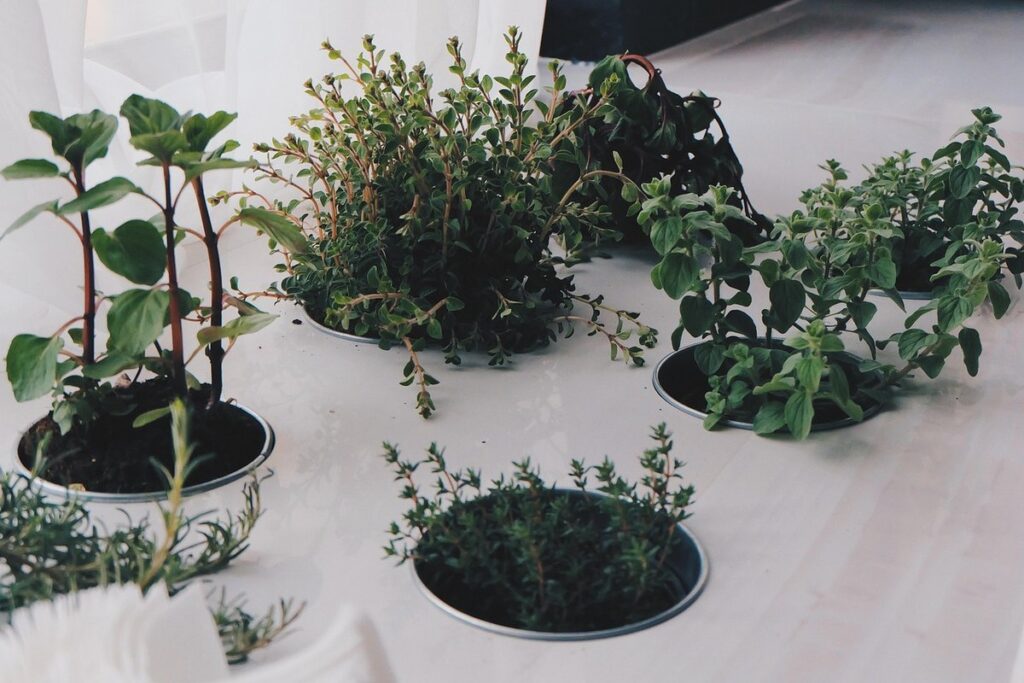
Choosing the Right Rosemary Variety
When it comes to growing rosemary indoors, selecting the right variety is crucial for optimal health and flavor. Let’s explore the top options that thrive in indoor conditions.
Understanding Different Types of Rosemary
When it comes to choosing the right rosemary variety for indoor growth, there are numerous options available. Compact varieties like ‘Hill Hardy’ and ‘Blue Boy’ are ideal for small spaces, as they grow up to 12-18 inches tall but still pack a punch with their fragrance and flavor. If you’re looking for a more vibrant foliage color, consider ‘Aureus’, which boasts bright yellow leaves with green edges, or ‘Prostratus’, which has delicate blue-green leaves.
For those who prefer a stronger scent, ‘Miss Jessop’s Upright’ is a great option, producing highly fragrant flowers that are perfect for cooking. On the other hand, if you want a rosemary plant with a milder aroma, opt for ‘Tuscan Blue’, which has smaller leaves and a more delicate fragrance.
When selecting a rosemary variety for indoor growth, consider factors like space constraints, desired foliage color, and scent intensity to ensure you find the perfect fit for your needs.
Factors to Consider When Selecting a Rosemary Variety
When selecting a rosemary variety for indoor growing, several key factors come into play. Climate is one of the most critical considerations. If you live in a region with high humidity, such as the southeastern United States, choose a rosemary variety that’s resistant to moisture-related issues like root rot. On the other hand, if your climate is dry, select a more drought-tolerant variety.
Soil type is also essential when choosing a rosemary variety for indoor growing. Some rosemary varieties prefer acidic soils with a pH between 6.0 and 7.0, while others can tolerate slightly alkaline conditions. Consider the soil type in your potting mix and choose a variety that will thrive in those conditions.
Another crucial factor is available light. If your indoor space receives direct sunlight for only four to six hours a day, choose a rosemary variety that’s more tolerant of low light conditions, such as ‘Barbeque’ or ‘Hill Hardy’. For spaces with full sun exposure, you can opt for varieties like ‘Miss Jessop’s Upright’ or ‘Blue Boy’, which require minimal maintenance.
Preparing the Perfect Environment for Your Indoor Rosemary Plant
To grow a thriving indoor rosemary plant, you’ll want to create an environment that mimics its natural Mediterranean habitat. This means replicating warm temperatures and well-draining soil.
Lighting Requirements for Indoor Rosemary Plants
When it comes to rosemary plant care indoors, providing sufficient lighting is crucial for healthy growth. Rosemary plants thrive in bright light conditions, making them ideal for sunny windowsills or south-facing rooms. However, if you don’t have access to a spot with direct sunlight, don’t worry – there are artificial lighting options available.
To determine if your rosemary plant is receiving sufficient light, observe its growth and appearance. A well-lit rosemary plant will have sturdy stems, vibrant green leaves, and may even produce tiny blue flowers in the right conditions. If your plant appears leggy or has yellowing leaves, it might not be getting enough light.
If you’re using artificial lighting, consider investing in grow lights that emit a full spectrum of light, including UV and IR rays. These can be placed 6-8 inches above the plant and adjusted to provide the right intensity. Alternatively, use LED lights with a blue or daylight tone, which are specifically designed for plant growth. Experiment with different lighting setups to find what works best for your indoor rosemary plant.
Temperature and Humidity Considerations
When it comes to keeping your indoor rosemary plant thriving, understanding temperature and humidity levels is crucial. Aim for a comfortable temperature range of around 65-75°F (18-24°C), as this will promote healthy growth and prevent stress on the plant.
Keep in mind that temperatures above 80°F (27°C) can cause the leaves to become scorched, while temperatures below 55°F (13°C) may slow down growth or even lead to root rot. To maintain a stable temperature, consider keeping your rosemary plant away from heating vents, radiators, and drafty windows.
In terms of humidity, a relative level of 40-50% is ideal for indoor rosemary plants. You can use a hygrometer to monitor the humidity levels in your home. If the air is too dry (below 30%), you may need to mist the leaves with water occasionally to keep them healthy and prevent wilting.
By keeping your rosemary plant within these temperature and humidity guidelines, you’ll be well on your way to enjoying a lush, fragrant addition to your indoor space for months to come.
Potting Mix and Container Requirements
When it comes to growing rosemary indoors, selecting the right potting mix and container is crucial for your plant’s health. Choose a well-draining mix specifically designed for herbs.
Soil Selection for Indoor Rosemary Plants
When it comes to growing rosemary indoors, selecting the right potting mix is crucial for the plant’s health and well-being. Regular garden soil is not suitable for indoor rosemary plants, as it can lead to a range of problems, including root rot and waterlogged soil.
This is because garden soil tends to be too dense and doesn’t drain excess water quickly enough, causing roots to sit in waterlogged conditions that foster fungal growth. Additionally, garden soil often has a high pH level, which can hinder rosemary’s ability to absorb essential nutrients.
A well-draining potting mix specifically designed for indoor plants is the way to go. Look for mixes that contain ingredients like perlite, vermiculite, or sand, which help to improve drainage and prevent waterlogging. A pH-balanced potting mix with a slightly acidic to neutral pH (around 6.0-7.0) will also provide an optimal environment for your rosemary plant to thrive.
When shopping for a potting mix, read the label carefully and opt for one that’s labeled as “well-draining” or “indoor plant mix.” You can also create your own blend using a combination of peat moss, perlite, and vermiculite.
Container Options and Considerations
When it comes to growing rosemary indoors, choosing the right container is crucial for its health and well-being. For rosemary plants, a container that is at least 6-8 inches deep and has good drainage holes is essential. This allows the roots to grow deeply and helps prevent waterlogged soil.
You can choose from a variety of materials, including ceramic, plastic, or terra cotta pots. Ceramic pots are an excellent option as they retain moisture but also allow for airflow. Plastic containers are lightweight and inexpensive but may not provide enough drainage. Terra cotta pots are a good choice if you want a more rustic look.
When repotting your rosemary plant, choose a pot that is only one to two sizes larger than the current one. This will prevent the soil from becoming too wet or dry. Make sure to gently remove the plant from its old container and handle the roots with care. Use fresh potting mix specifically designed for herbs, and water thoroughly after repotting.
Remember, rosemary plants prefer well-draining containers, so avoid using self-watering pots or those with built-in reservoirs.
Watering and Fertilization Habits
To keep your rosemary plant thriving indoors, it’s essential to establish a consistent watering schedule and fertilize at the right times. We’ll break down these habits for you below.
Understanding Rosemary’s Water Requirements
When it comes to watering your rosemary plant indoors, getting it just right can be a challenge. Overwatering and underwatering are two common mistakes that can have serious consequences for your plant’s health. To prevent these issues, it’s essential to understand the factors that impact your rosemary’s water needs.
The climate in which you live plays a significant role in determining how much water your rosemary plant requires. For example, if you reside in a humid environment, your rosemary might need less water compared to someone living in a dry climate. Additionally, the type of potting mix used can also affect the water absorption rate. A well-draining potting mix will prevent waterlogged soil and root rot.
A good rule of thumb is to check the soil moisture by sticking your finger into the soil up to the first knuckle. If the soil feels dry, it’s time for a drink. However, if it’s still damp, wait another day or two before watering again. Aim to provide about 1-2 cups of water per week during the spring and summer months when rosemary is actively growing. During the winter months, reduce the amount to about half a cup every 10-14 days.
Nutrient-Rich Soil: The Secret to Lush Greenery
To achieve lush greenery and optimal plant health, nutrient-rich soil is crucial. Regular fertilizing plays a significant role in maintaining this balance. You can choose between organic and synthetic options to meet your rosemary plant’s needs.
Organic fertilizers are a great choice for indoor gardening due to their environmentally friendly nature. Compost tea is an excellent option as it provides beneficial microorganisms that promote healthy root development and improve soil structure. Worm castings, also known as vermicompost, are rich in nutrients and can help reduce the need for synthetic fertilizers.
Synthetic fertilizers can provide quick results but may harm your plant if overused or improperly applied. Balanced fertilizers with an NPK ratio of 10-10-10 are suitable for rosemary plants during their growth phase. However, it’s essential to follow the instructions carefully and not over-fertilize, as this can lead to burning the roots.
When selecting a fertilizer, consider your plant’s specific needs and choose a product that is water-soluble or has a slow release formula to avoid over-fertilization.
Common Problems and Solutions
As you care for your rosemary plant indoors, you may encounter some common issues that can be easily resolved. We’ll address these problems and provide practical solutions to keep your herb thriving.
Identifying Pests and Diseases in Your Indoor Rosemary Plant
As you tend to your indoor rosemary plant, it’s essential to be aware of common pests and diseases that can affect its health. Pests like spider mites, mealybugs, and aphids are attracted to the soft growth and sap of your rosemary plant, leaving behind sticky honeydew trails and causing damage.
To identify these pests, inspect your plant regularly for tiny eggs, white cottony patches, or small, moving dots on the leaves and stems. For prevention, maintain good air circulation around your plant, keep it away from direct sunlight, and avoid overwatering. Treat infestations promptly by spraying the affected areas with a mild soap solution or neem oil.
Diseases like root rot and fungal infections can also harm your rosemary plant. Root rot is caused by excessive watering, leading to soft, mushy roots. To prevent this, ensure proper drainage in your potting mix and avoid letting the soil get waterlogged. Fungal infections, on the other hand, are often triggered by overwatering or high humidity. Treat fungal infections by pruning infected areas and applying a fungicide specifically designed for indoor plants.
Remember to monitor your plant’s health closely, and take action as soon as you notice any issues. Regular inspections will help you catch problems early, saving your rosemary plant from significant damage.
Addressing Lacking Growth or Wilting Leaves
If you notice that your indoor rosemary plant is struggling with stunted growth or wilted leaves, there could be several reasons behind this issue. One common culprit is inadequate light. Rosemary plants require at least 4-6 hours of direct sunlight per day to thrive, but if they’re placed in a room with limited natural light, it can lead to weak and spindly growth. To address this problem, consider relocating your plant to a brighter spot or supplementing with grow lights.
Watering issues are another potential cause for stunted growth or wilted leaves. Overwatering can be detrimental to rosemary plants, causing roots to rot and leaves to turn yellow. On the other hand, underwatering can also stress out your plant, leading to weak and brittle stems. To strike a balance, check the soil moisture by sticking your finger into it up to the first knuckle – if it’s dry, it’s time for a drink.
Nutrient deficiencies are another common issue that can affect indoor rosemary plants. Fertilize your plant regularly with a balanced fertilizer during the growing season (spring and summer) to ensure it gets all the necessary nutrients.
Propagation Methods for Indoor Rosemary Plants
To successfully grow new indoor rosemary plants, you’ll need to learn a few effective propagation methods that bring healthy cuttings into bloom. We’re breaking down these techniques in detail below.
Taking Cuttings: The Easiest Method of Propagation
Taking cuttings from mature rosemary plants is one of the most efficient and reliable methods of propagation. This process allows you to multiply your favorite rosemary varieties with ease, making it a gardener’s delight. To take cuttings, start by selecting healthy, robust stems from your mature rosemary plant. Look for those that are around 4-6 inches long and have at least two sets of leaves.
Cut the selected stem just below a node using a sharp, sterile knife or pruning tool. Make sure each cutting has a few leaves, as this will promote rooting. For best results, take multiple cuttings to increase your chances of successful propagation. Once you’ve prepared your cuttings, place them in a glass of water or a propagation tray filled with water until roots develop.
After 1-2 weeks, transfer the rooted cuttings to well-draining soil and continue caring for them as you would a mature rosemary plant. This method is perfect for indoor growers who want to multiply their rosemary plants quickly and easily. With proper care, your new rosemary plants will thrive and provide you with fragrant herbs throughout the year.
Division and Grafting: Alternative Propagation Techniques
Division and grafting are alternative propagation techniques that can be used to multiply rosemary plants. These methods are ideal for more experienced gardeners who have a good understanding of plant care and want to try something new.
When it comes to division, the best time to do this is during the spring or fall when the plant is dormant. This allows you to gently separate the roots without causing too much damage. To divide your rosemary plant, start by carefully removing the soil from around the base of the plant. Gently wash away any excess soil and examine the root system. Look for a natural division point where the roots are separated, or use a sharp knife to make a clean cut. Replant the divided sections in well-draining potting mix, making sure not to compact the soil.
Grafting involves joining a piece of stem from one plant onto the root system of another. This method can be more challenging and requires some skill and patience. The best time for grafting rosemary is during the early spring when new growth begins. Use a sharp knife or scalpel to cut a 45-degree angle on the stem, then insert the grafted section into a small hole made in the root system of the other plant. Secure with twine or tape and water well.
Note: These methods are more advanced techniques that require some experience and skill. If you’re new to rosemary care, it’s best to stick with more straightforward propagation methods like stem cuttings.
Frequently Asked Questions
How often should I repot my indoor rosemary plant?
You’ll want to repot your rosemary every 6-12 months, as it outgrows its container. Choose a slightly larger pot with well-draining soil and maintain the same temperature and humidity conditions.
What’s the best way to prevent pests from infesting my indoor rosemary plant?
Regularly inspect your plant for signs of pests like spider mites, mealybugs, or scale. Use neem oil or insecticidal soap to treat any infestations promptly. Maintain good air circulation around the plant and avoid overwatering.
Can I grow rosemary in a low-light indoor space?
While rosemary generally prefers bright light, compact varieties like ‘Hill Hardy’ can tolerate some shade. However, keep in mind that low light may affect flavor and fragrance development.
How do I propagate my rosemary plant using stem cuttings?
To take cuttings, choose healthy stems with plenty of growth nodes. Trim the leaves from the lower two-thirds of the cutting, then dip it in rooting hormone powder. Plant the cutting 2-3 inches deep in a pot filled with well-draining soil.
Can I grow rosemary indoors year-round without any issues?
While indoor conditions can be ideal for rosemary, you may still encounter challenges like low humidity or overwatering. Regularly inspect your plant and adjust its environment accordingly to prevent common problems like pests, diseases, or nutrient deficiencies.