
Pruning your basil plants can be intimidating, especially when you want them to grow bushy and strong. But did you know that proper pruning techniques can actually boost yields and encourage new growth? By learning how to prune basil correctly, you’ll be able to enjoy a continuous supply of fresh leaves and prevent your plants from becoming leggy or sparse. In this article, we’ll walk you through the step-by-step process of pinching, tip pruning, and stem tipping to maximize your basil’s potential. You’ll also learn how to troubleshoot common mistakes that can hinder growth. By the end of this post, you’ll be a pro at pruning basil for bushy growth, and your kitchen will thank you!
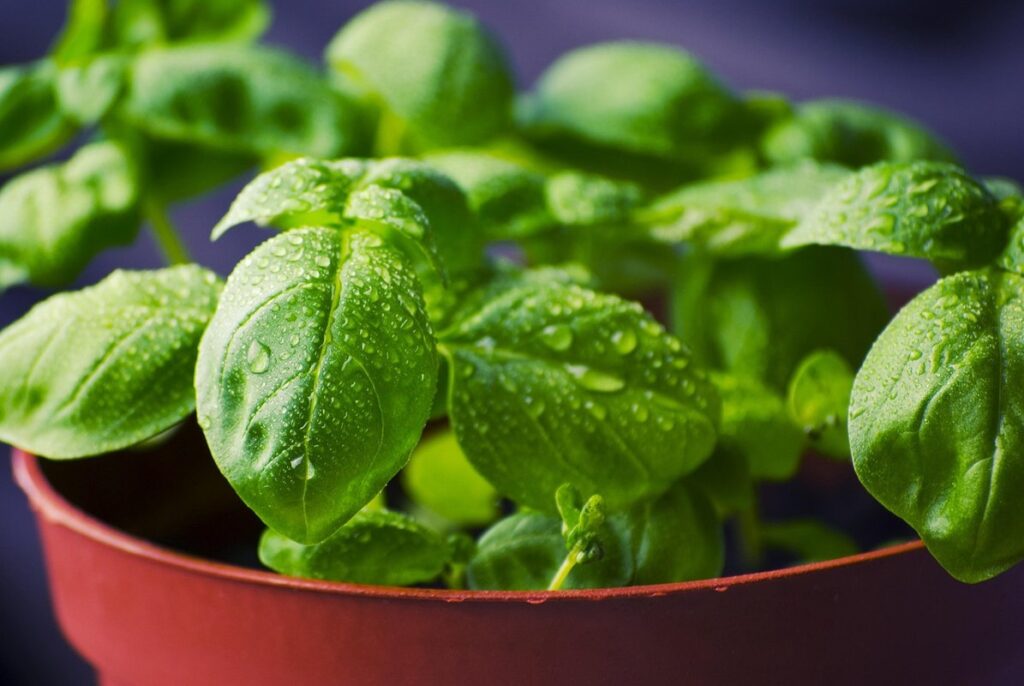
Understanding Basil Growth Patterns
Basil plants grow quite differently depending on pruning, and understanding these patterns is key to achieving that perfect bushy shape you’re aiming for. Let’s dive into the growth habits of basil.
The Importance of Regular Pruning
Regular pruning is a crucial step in promoting bushy growth in basil plants. By removing spent flowers and trimming back leggy stems, you’re sending a signal to the plant that it’s time to focus on producing new growth rather than expending energy on seed production.
When done regularly, pruning encourages your basil plants to become fuller and more productive. For instance, pruning back the tips of long stems can stimulate branching, resulting in a bushier appearance. Moreover, removing lower leaves as they yellow and die helps to prevent the spread of disease and promotes better air circulation around the plant.
As you develop your pruning routine, remember that consistency is key. Set aside time each week to inspect your plants and remove any dead or dying foliage. This will not only maintain their health but also encourage bushy growth over time. By incorporating regular pruning into your basil care routine, you’ll be rewarded with fuller, more productive plants that are perfect for harvesting in the kitchen.
Identifying the Right Time to Prune
To ensure your basil plant grows bushy and healthy, it’s essential to prune at the right time. Typically, this occurs when your basil reaches 6-8 inches in height and begins to develop a leggy appearance. You’ll know it’s time to prune when you notice the stems becoming longer than the leaves. This is usually around 7-10 days after transplanting or when you’ve reached the desired pot size.
Keep an eye on your plant’s growth rate, as this can vary depending on factors like light exposure and soil quality. If you’re unsure, start by checking for a few signs: look for weak stems, sparse foliage, or if new leaves are not developing evenly. These indicators signal that it’s time to prune and promote bushy growth.
When pruning, focus on removing the top sets of leaves or the tips of the longest stems. This encourages lateral branching and promotes a fuller appearance. By prunning at the right time, you’ll maintain your basil plant’s compact shape while maximizing yields and flavor.
Basic Pruning Techniques for Bushy Growth
To prune basil for bushy growth, it’s essential to learn the basics of pruning techniques that help control the plant’s shape and promote healthy foliage. Let’s dive into some simple methods to get you started.
Pinching for Compact Growth
When you’re cultivating basil, one of the most effective techniques for encouraging bushy growth is pinching off the top sets of leaves. This process redirects energy towards lateral branches, promoting a fuller and more robust plant. It’s particularly beneficial to employ this method during the early stages of basil growth.
To implement pinching, simply use your fingers or a pair of scissors to gently remove the topmost set of leaves from each stem. You can target either the individual sets that have reached their maximum size or pinch off an entire stem section. By redirecting energy towards lower nodes, you’re stimulating lateral branching and encouraging a bushier appearance.
Keep in mind that regular pinching will help control the plant’s height while preventing it from becoming leggy. This technique is especially useful if you’re growing multiple plants side by side, as it promotes even growth patterns and allows for better air circulation. By incorporating pinching into your pruning routine, you’ll be able to cultivate a lush, compact basil specimen that will add visual appeal to any kitchen garden or herb bed.
Tip Pruning for Encouraging Side Shoots
When it comes to pruning basil for bushy growth, tip pruning is an essential technique to master. This method involves removing the tips of stems to encourage side shoots and promote a fuller plant shape. By doing so, you’ll create more opportunities for leaf production.
To implement tip pruning effectively, identify the longest stem on your basil plant and cut off about 1-2 inches from its tip using a pair of sharp scissors or pinchers. This will stimulate the plant to produce new growth from the nodes located just below the cut area. As these side shoots develop, you can further trim them back to encourage branching and prevent the plant from becoming leggy.
By regularly pinching off the tips of your basil stems, you’ll be able to control the plant’s shape and promote a more compact, bushy growth habit. This technique is particularly useful for container-grown basils that tend to become leggy if left unpruned. With tip pruning, you can enjoy a continuous supply of fresh leaves from your basil plant, making it perfect for regular harvesting and cooking.
Advanced Pruning Techniques for Maximizing Yield
Now that you’ve mastered basic pruning, it’s time to take your basil game to the next level with advanced techniques that will maximize yield and create a stunning display of bushy growth.
Bottom Pinching for Increased Leaf Production
When you’re aiming to promote bushy growth and increase yields from your basil plants, one technique that can be particularly effective is bottom pinching. This involves carefully removing the lower leaves of your basil plant to direct its energy towards producing more upper growth points.
By eliminating the lower leaves, you’re essentially telling your plant to focus on developing a fuller canopy rather than investing energy in leaf production at the base. This is especially useful during the peak growing season when your basil plants require maximum yields. Think of it like redirecting traffic flow – by removing congestion at the lower levels, more resources can be channeled towards the areas that need them most.
To implement this technique effectively, simply pinch off the lower leaves with your fingers or a pair of scissors, taking care to leave enough leaf tissue above to photosynthesize and continue supporting growth. This will help your basil plants produce an abundance of bushy stems and a robust canopy, all while maximizing their potential for leaf production.
Stem Tipping for Enhanced Aroma and Flavor
When it comes to promoting bushy growth and enhancing the aroma and flavor of basil leaves, stem tipping is an essential technique to master. By removing select stem tips, you encourage the plant to focus its energy on producing more lateral shoots, resulting in a fuller and more compact plant.
To practice effective stem tipping, start by identifying the longest stems on your basil plant. Pinch or cut off about 1-2 inches of the tip, making sure not to damage any leaves or nodes. This technique stimulates the plant’s natural response to produce new growth from the remaining stem tips. Repeat this process every 7-10 days to maintain a bushy shape and promote even harvesting.
By regularly removing select stem tips, you’ll also enhance the overall flavor and aroma of your basil. As the plant focuses its energy on producing more leaves, the resulting foliage will be more concentrated with oils and flavor compounds, making it perfect for adding to pesto sauces or other Italian dishes.
Maintaining Healthy Basil Plants Through Pruning
Proper pruning is essential for encouraging bushy growth and preventing your basil plants from becoming leggy and sparse. Let’s dive into the specific techniques for maintaining healthy, thriving basil plants through regular pruning sessions.
Monitoring Watering and Nutrient Levels
Monitoring watering and nutrient levels is crucial to maintaining healthy basil plants. Regular pruning alone isn’t enough; it needs to be complemented by a well-planned fertilization schedule and adequate hydration.
Start by checking the soil moisture daily, sticking your finger into the top inch of soil up to the first knuckle. If it feels dry, it’s time for watering. But don’t overdo it – basil prefers well-draining soil and can quickly become waterlogged.
For optimal growth, fertilize your basil plants every 1-2 weeks with a balanced, water-soluble fertilizer (20-20-20). You can also use a fertilizer high in nitrogen to promote leaf growth. Avoid overfertilizing, as this can lead to weak stems and reduced flavor. For example, if you’re using a slow-release fertilizer, make sure to follow the package instructions for optimal application rates.
Additionally, keep an eye out for nutrient deficiencies like yellowing leaves or stunted growth, which may indicate a lack of essential micronutrients. To avoid this, rotate your fertilizers and consider using organic options like compost tea or fish emulsion. Regular monitoring will help you identify any issues before they become severe, ensuring your basil plants remain healthy and productive throughout the growing season.
Managing Pests and Diseases
As you work on maintaining healthy basil plants through regular pruning, it’s essential to be vigilant about potential pest and disease issues. Regular inspections are crucial to catch problems early on, preventing them from spreading and harming your entire crop.
When inspecting your basil plants, look for signs of pests like aphids, whiteflies, or spider mites. Check the undersides of leaves, stems, and soil for tiny eggs, larvae, or actual insects. Also, be aware of diseases such as powdery mildew, leaf spot, or root rot, which can appear as yellowing leaves, black spots, or soft, mushy stems.
To maintain plant hygiene during pruning, use clean, sterile tools to prevent the spread of pests and diseases. Disinfect your pruning shears with a mixture of 1 part bleach to 9 parts water between each cut. Remove any infected or infested plants immediately to prevent further damage. By staying on top of potential issues and taking proactive measures, you can enjoy healthy, bushy basil plants all season long.
Troubleshooting Common Pruning Mistakes
We’ve all been there – pruning your basil only to end up with a sad, sparse plant. Let’s tackle some common mistakes that can sabotage your bushy basil growth.
Over-Pruning: A Guide to Recovery
When you’ve over-pruned your basil plants, it can be disheartening to see them struggling to recover. However, with a well-planned recovery strategy, you can help your plants regain their natural growth patterns and produce bushy foliage once again.
Firstly, stop pruning immediately to prevent further stress on the plant. This will give your basil a chance to start rebuilding its energy reserves. Next, provide optimal growing conditions for your plants, including plenty of light, water, and nutrients. Make sure the soil isn’t too wet or dry, as this can exacerbate the problem.
To promote healthy growth, trim back any damaged or overgrown tips, but avoid removing more than one-third of the plant’s foliage at a time. This will help prevent further shock to the system. Additionally, consider using a balanced fertilizer to give your basil an extra boost. With patience and proper care, your plants should start to show signs of recovery within 1-2 weeks, eventually producing lush, bushy growth that’s perfect for harvesting.
Under-Pruning: Encouraging Bushy Growth
When it comes to pruning basil for bushy growth, under-pruning can actually do more harm than good. If you’re not providing enough stimulation through pruning, the plant may become weak and leggy instead of developing a compact, dense shape.
To avoid this problem, look for signs that your basil is being under-pruned. Are there long stretches between prunings? Is the plant looking more like a thin stick than a lush, green bush? If so, it’s likely that you’re not providing enough pruning to encourage bushy growth.
A good rule of thumb is to prune at least one-third to one-half of the basil plant every week or two. This will give the plant the stimulation it needs to produce new growth and develop its characteristic compact shape. Simply snip off the top set of leaves, making sure to cut just above a node (where the leaf meets the stem) with clean scissors or pruning shears.
By providing regular and consistent pruning, you can encourage your basil plants to grow bushy and full, producing an abundance of fresh, fragrant leaves for your cooking needs.
Conclusion and Next Steps
Now that you’ve mastered pruning basil for bushy growth, let’s review what you’ve learned and explore next steps to take your gardening skills to the next level.
Recap of Pruning Best Practices
Now that you’ve mastered the art of pruning basil for bushy growth, it’s time to recap the best practices outlined in this article. By following these guidelines, you’ll be well on your way to cultivating robust, bushy basil plants that thrive throughout the growing season.
To ensure continued bushy growth, remember to prune your basil regularly – ideally every 7-10 days during the active growing season. This will encourage new growth and prevent legginess. When pruning, focus on removing individual leaves and stems at the base of the plant, rather than cutting back the entire stem. This technique, known as “pinching,” stimulates the production of new growth from the leaf nodes.
Additionally, be sure to prune your basil in the morning, when the plant is at its highest moisture content. This will help prevent shock to the plant and promote healthy recovery. By incorporating these pruning best practices into your routine, you’ll enjoy a bountiful harvest of lush, flavorful basil all season long.
Expanding Your Basil Growing Knowledge
As you master the art of pruning basil for bushy growth, it’s time to expand your knowledge and take your cultivation skills to the next level. Successful basil growing involves more than just regular pruning – it also requires understanding optimal sowing times and techniques for harvesting and preserving those luscious leaves.
When it comes to sowing basil seeds, timing is everything. In temperate climates, spring and early summer are ideal times to sow basil seeds directly into the ground. However, in regions with hot summers, consider planting basil in the fall or even indoors 6-8 weeks before the last frost date. Make sure to choose a variety that thrives in your local climate.
To ensure maximum flavor and fragrance, harvest individual leaves or stems as needed, rather than cutting off the entire plant at once. For longer-term preservation, tie multiple stems together and hang them upside down in a warm, dry place. You can also store basil leaves in airtight containers or freeze them for future use in soups, sauces, and salads.
Frequently Asked Questions
How often should I prune my basil plants to achieve optimal bushy growth?
Prune your basil plants every 7-10 days, or when you notice they’re producing flowers. Regular pruning will encourage new growth and prevent the plants from becoming leggy.
Can I still get a good harvest if I missed pruning sessions in the past?
Yes, you can still recover and get a good harvest by adjusting your pruning schedule to match your plant’s current needs. Focus on removing weak or damaged stems, and trim back any overgrown sections to promote new growth.
How do I know which basil varieties respond well to pinching for compact growth?
Most sweet basil and Thai basil varieties respond well to pinching, but some popular choices include ‘Genovese’, ‘Napoletano’, and ‘African Blue’. Check the specific growing requirements of your plant variety to determine the best pruning method.
What if I accidentally over-prune my basil plants? Can they recover?
Yes, over-pruned basil plants can still recover. Pinch back any remaining stems about 1-2 inches from the node, and provide optimal growing conditions, including sufficient light, water, and nutrients. Monitor your plant’s progress closely to avoid further setbacks.
Are there any specific tools I need to get started with pruning my basil plants?
You’ll need a pair of sharp, clean scissors or pruning shears for efficient pruning. Make sure the blades are at least 1/4 inch (6 mm) apart to prevent crushing the stems and promote healthy growth.