
Are you tired of letting your beautiful rose petals go to waste? Think again! The truth is, these delicate flowers have so much more to offer than just their stunning beauty. From enhancing garden designs to adding a touch of elegance in cooking and medicine, rose petals are a treasure trove of creative possibilities.
In this article, we’ll explore the multifaceted uses of rose petals in various aspects of gardening, health, and crafts. We’ll delve into ways to incorporate them into your home decor, as well as their potential benefits for our bodies and well-being. Whether you’re an avid gardener or a DIY enthusiast, get ready to discover new ideas on how to harness the power of these gorgeous flowers.
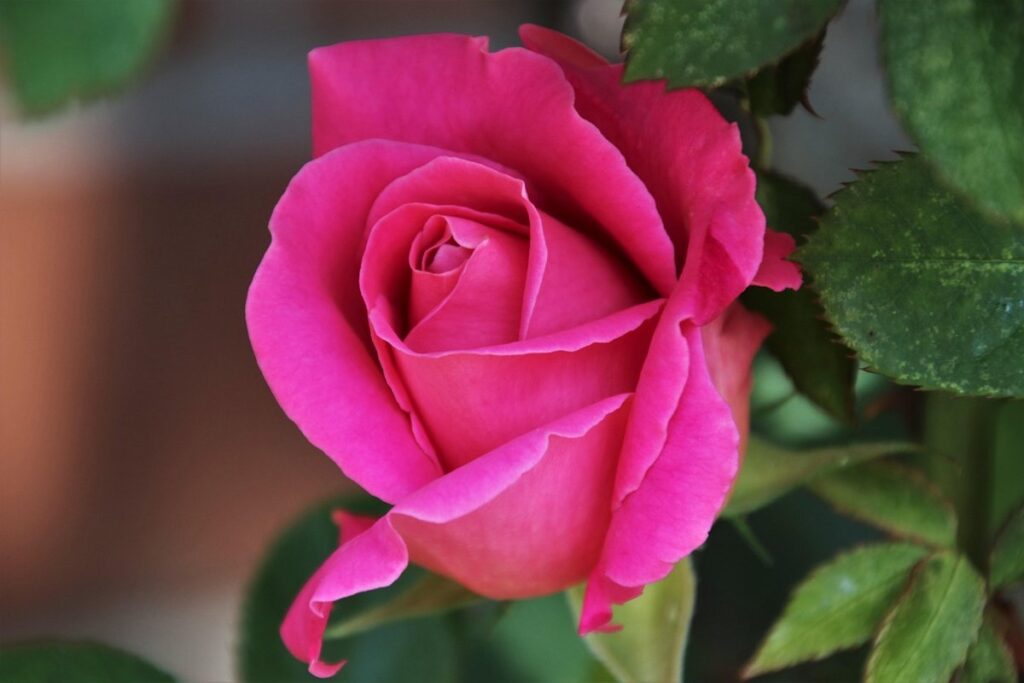
Introduction to Rose Petal Uses
Let’s dive into the various ways you can use rose petals in your garden, from mulch and fertilizers to fragrant teas and beautiful potpourri.
What Are Rose Petals Good For?
Rose petals have been a staple in garden design for centuries, not just for their aesthetic appeal but also for their numerous uses. Not only do they add a pop of color and fragrance to floral arrangements and perfumes, but they also hold potential health benefits when used as herbal remedies.
In the realm of garden design, rose petals are often used as a natural dye for fabrics and other materials, creating soft pastel hues that evoke a sense of serenity. They can also be used to repel pests and attract beneficial insects, making them an eco-friendly alternative to chemical-based pesticides.
From a health perspective, rose petals have been traditionally used in herbal medicine to calm digestive issues, reduce inflammation, and even alleviate menstrual cramps. When dried and infused in hot water, they make for a soothing tea that can be enjoyed on its own or as part of a relaxing bath soak.
One simple way to incorporate the benefits of rose petals into your daily routine is by making a homemade rose petal face mask using dried rose petals and honey. The antioxidants and vitamins present in the rose petals can help to nourish and rejuvenate the skin, leaving it feeling soft and supple.
History of Rose Petal Utilization
Rose petals have been treasured across cultures for centuries, not just for their beauty but also for their medicinal, culinary, and decorative properties. In ancient China, rose petals were used in traditional medicine to treat a range of ailments, from fever to digestive issues. The Greeks and Romans prized them for their fragrance and used them in perfumes and wreaths.
In the Middle East, rose petals are still considered a symbol of love and passion, often used in wedding ceremonies and as a decorative element in mosques. In India, rose water, made by infusing rose petals in water, is an essential ingredient in many traditional dishes, including curries and desserts. Meanwhile, in Europe, rose petals have been used to create fragrant potpourri blends and floral arrangements.
As we explore the multifaceted uses of rose petals in garden design and beyond, it’s clear that their appeal lies not just in their aesthetic value but also in their versatility and cultural significance. By incorporating rose petals into our gardens and homes, we can tap into a rich history of tradition and create something truly beautiful and meaningful.
Ornamental Uses: Adding Beauty to Your Garden
Rose petals add a romantic touch to any garden, and when used as an ornamental feature, they can completely transform your outdoor space into a serene oasis. Consider using them in decorative arrangements or as a beautiful border.
Rose Petal Arrangements and Floral Decor
Rose petals are not only stunning in their beauty but also incredibly versatile. When it comes to ornamental uses, incorporating rose petals into floral arrangements is a great way to add a touch of elegance and sophistication to your garden decor.
You can use fresh or dried rose petals to create beautiful bouquets, wreaths, and other floral arrangements that will add a romantic charm to any space. To make the most of this beauty, try combining rose petals with other flowers like lavender, baby’s breath, or eucalyptus for a stunning look. For example, a simple yet elegant bouquet can be created by tying fresh rose petals around a wooden dowel or a vintage brooch.
For dried rose petals, you can use them to create stunning wreaths that will last all year round. Simply tie the dried petals together with floral wire or twine and shape into a circle or a heart. To give it an extra touch, add some greenery like ferns or lemon leaves for a pop of color.
When working with rose petals, remember that their beauty lies in their delicate nature, so handle them gently to avoid bruising or damaging the petals. With a little creativity and experimentation, you can create breathtaking floral arrangements that will be the centerpiece of any garden party or wedding.
Using Dried Rose Petals in Garden Design
Dried rose petals can add an extra layer of beauty to your garden design. One creative way to incorporate them is as a natural mulch for garden beds. This method not only adds color but also helps retain moisture and suppress weeds. To use dried rose petals as a mulch, simply scatter them around plants, or create a layered look by mixing them with other materials like bark chips or straw.
You can also use dried rose petals to create decorative borders or pathways in your garden. Simply sprinkle the petals along the desired path or edge of a bed for a delicate, romantic touch. This is especially effective when paired with other ornamental plants or flowers that complement the soft pink hue of the rose petals.
For an added pop of color, try using dried rose petals to create a focal point in your garden design. Fill a small container or vase with the dried petals and place it among a grouping of plants for a stunning display.
Culinary Uses: Rose Petal Recipes and Teas
When it comes to cooking and sipping, rose petals add a unique flavor and aroma to various dishes and beverages, making them an essential ingredient in many cuisines. From teas to desserts, explore some of our favorite recipes below.
Infused Oils and Vinegars with Rose Petals
Making infused oils and vinegars with rose petals is an easy and rewarding process that can add a unique touch to various dishes. To make rose petal oil, you’ll need dried rose petals, a clean glass jar, and a neutral-tasting oil such as grapeseed or sunflower oil. Combine the rose petals and oil in the jar, making sure they’re completely submerged, and let it sit in a cool, dark place for 2-3 weeks, shaking the jar every few days.
After the infusion process is complete, strain the mixture through a cheesecloth into another container, discarding the solids. Your rose petal oil is now ready to use as a finishing oil or added to salad dressings and marinades. For example, mix 1 tablespoon of rose petal oil with 2 tablespoons of olive oil, lemon juice, and honey for a delicious vinaigrette.
To make rose petal vinegar, follow similar steps using white wine vinegar instead of oil. Combine dried rose petals and vinegar in the jar, letting it infuse for 4-6 weeks. Strain the mixture through cheesecloth into another container, discarding the solids. Your homemade rose petal vinegar is now perfect for salad dressings or as a marinade for chicken or fish.
Traditional Rose Petal Tea and its Health Benefits
Rose petal tea has been savored for centuries, not just for its delicate flavor but also for its potential health benefits. This ancient tradition is rooted in the Middle East and India, where rose petals are steeped in boiling water to create a soothing brew. The aromatic liquid is said to possess anti-inflammatory properties, which can help alleviate symptoms of menopause, such as hot flashes and mood swings.
Drinking rose petal tea may also promote relaxation and improve sleep quality due to its calming effects on the nervous system. Studies suggest that the flavonoids present in rose petals may even have antioxidant and antimicrobial properties, making it a natural remedy for digestive issues and skin problems.
You can easily make your own rose petal tea at home by steeping dried rose petals in boiling water for 5-7 minutes. Add a touch of honey or lemon to taste. For an extra boost, try combining rose petal tea with other herbal infusions like peppermint or chamomile. Experiment with different ratios and brewing times to find your perfect blend.
Some popular recipes include adding rose petal jam to your favorite desserts or using dried rose petals as a garnish for cocktails. You can also make rose petal syrup by steeping the petals in water and sugar, then straining the mixture through a cheesecloth. This sweet syrup is a delicious addition to lemonades, iced teas, and sparkling waters.
Medicinal Uses: Rose Petal Remedies
Rose petals have been a trusted remedy for various health issues, and their medicinal uses are just as impressive as their beauty in garden design. From skincare to soothing digestive issues, we’ll explore some of these remarkable remedies.
Skin Care and Aromatherapy Applications
Rose petals have been used for centuries in traditional medicine to promote skin health and beauty. When it comes to skin care, rose petal remedies are a treasure trove of natural ingredients that can be used to create nourishing products. One of the most popular applications is in face masks, where the antioxidant properties of rose petals help to reduce inflammation and soothe irritated skin.
You can make your own rose petal face mask by infusing dried rose petals in a carrier oil like coconut or olive oil. Mix 1 tablespoon of infused oil with 2 tablespoons of honey and apply it to your face for 15-20 minutes before rinsing off with warm water. Another way to harness the power of rose petals is through aromatherapy blends.
Rose essential oil, which can be extracted from dried rose petals, has a calming effect on the mind and body. Add a few drops of rose essential oil to your bathwater or mix it with a carrier oil for a relaxing massage blend. Rose petal remedies are not only effective but also gentle on the skin, making them an excellent choice for those with sensitive skin types.
Inflammation Reduction and Antioxidant Properties
Rose petals have long been cherished for their beauty and fragrance, but did you know they also possess potent anti-inflammatory properties? The key player behind this effect is a compound called 6-methyl-5-hepten-2-one, which has been shown to reduce inflammation by inhibiting the production of pro-inflammatory cytokines. This makes rose petal extracts an attractive ingredient in natural remedies for conditions such as arthritis and skin irritations.
Studies have also highlighted the antioxidant properties of rose petals, with high levels of gallic acid and ellagic acid contributing to their ability to neutralize free radicals. This is particularly beneficial in combating oxidative stress, a known contributor to chronic diseases like cancer and heart disease. To harness these benefits, you can infuse dried rose petals into hot water or oil for a soothing tea or topical treatment.
When using rose petal extracts for inflammation reduction and antioxidant properties, be sure to choose organic and pure products to avoid any potential contaminants. Additionally, consult with a healthcare professional before incorporating them into your health routine, especially if you have underlying medical conditions or allergies.
DIY Crafts: Repurposing Rose Petals
Let’s get creative and repurpose rose petals into beautiful, unique items for your home and garden, from potpourri to decorative accents. We’ll show you how!
Natural Dyeing with Rose Petal Extracts
Creating natural dyes using rose petal extracts is a delightful way to repurpose these delicate flowers. To get started, you’ll need dried rose petals and a solvent such as water or vinegar. You can make a strong extract by steeping 1 cup of rose petals in 2 cups of hot water for several hours. Strain the mixture and discard the solids.
To create a dye, combine your extracted rose petal liquid with other natural ingredients like lemon juice or alum to enhance the color and stability. For instance, adding 1 tablespoon of lemon juice to every 4 oz of water can create a soft pastel shade on silk fabrics. Alternatively, mixing 1 teaspoon of alum with the extract will produce a deeper, richer hue.
Here’s a simple recipe for rose petal fabric dye:
* 2 cups strong rose petal extract
* 1 cup lemon juice or vinegar
* 1 tablespoon alum (optional)
* Fabric of choice
Immerse your fabric in the mixture and let it sit for several hours before rinsing with cold water. The resulting colors can range from soft pinks to deep berry tones, making this process perfect for crafting unique textiles or repurposing old clothing.
Homemade Potpourri and Sachets Using Rose Petals
Rose petals are not only a delight to behold in the garden, but they also have numerous uses beyond their ornamental value. One of the simplest and most creative ways to repurpose dried rose petals is by making homemade potpourri blends and sachets.
To start making your own potpourri blend, you’ll need some dried rose petals, along with other dried flowers, herbs, and spices that complement their fragrance. Some popular choices include lavender, rosemary, and cinnamon sticks. Simply combine the ingredients in a bowl and mix well. You can also add a few drops of essential oil to enhance the scent.
For sachets, you’ll need small muslin bags or cotton pouches, which can be found at most craft stores. Fill each bag with about 1-2 tablespoons of your potpourri blend, and tie the top with a ribbon or twine. These fragrant little packets are perfect for freshening up closets, drawers, or even car interiors.
You can also get creative by adding other ingredients like dried citrus peel, cloves, or star anise to create unique scents. The possibilities are endless, and it’s amazing how something as simple as a few dried rose petals can be transformed into something so lovely and fragrant.
Growing Your Own Roses: Tips for Maximizing Rose Petal Harvests
To get the most out of your rose garden, consider these expert tips for cultivating a bounty of fragrant, long-lasting petals that can be used in various ways. Whether you’re looking to dry them for potpourri or use them as decorations.
Choosing the Right Rose Variety for Maximum Petal Yield
When it comes to maximizing rose petal yields, choosing the right variety is crucial. Not all roses are created equal when it comes to producing an abundance of large, fragrant flowers. To ensure a bountiful harvest, look for varieties that are known for their high petal production and fragrance.
Some popular rose varieties that fit the bill include Hybrid Tea roses, which can produce blooms with up to 60 petals each. Other options include Floribunda and Grandiflora roses, which often produce clusters of fragrant flowers. When selecting a variety, be sure to check its growth habit and disease resistance, as these factors can impact petal yield.
To get the most out of your rose selection, plant multiple varieties that bloom at different times to ensure a continuous harvest throughout the growing season. This will not only provide a steady supply of fresh petals but also add visual interest to your garden with a range of colors and bloom sizes.
Tips for Pruning and Caring for Healthy Rose Plants
Pruning and caring for rose plants is essential to promote healthy growth, encourage blooming, and ultimately maximize rose petal harvests. When it comes to pruning, timing is everything – typically, late winter or early spring is the best time to prune, as this allows new growth to emerge before the heat of summer.
To prune your roses effectively:
* Remove any dead, diseased, or damaged branches
* Cut back canes that have finished blooming by about one-third to encourage new growth
* Thin out stems to allow for good air circulation and prevent fungal diseases
When it comes to caring for rose plants, regular watering, fertilization, and mulching are key. Make sure your soil has a pH between 6.0 and 6.5, as roses prefer slightly acidic conditions.
For example, in areas with high rainfall or clay soils, consider adding organic matter like compost or well-rotted manure to improve drainage and structure. This will help prevent root rot and ensure your rose plants receive the right amount of moisture.
By following these pruning tips and providing regular care, you’ll be rewarded with healthy, vibrant roses that produce an abundance of beautiful blooms – perfect for snipping off those gorgeous petals for use in garden design and beyond!
Frequently Asked Questions
Can I Use Rose Petals as a Natural Pest Repellent for My Entire Garden?
Yes, rose petals have been shown to repel pests like aphids and whiteflies when used as a natural pesticide. To use them effectively, you can either plant roses near your other plants or dry the petals and sprinkle them around the affected areas.
How Long Do Dried Rose Petals Last for Use in Crafts and Decor?
Dried rose petals can last for up to 2 years if stored properly. Make sure to keep them away from direct sunlight and moisture to preserve their color and fragrance.
Can I Mix Rose Petal Infused Oil with Other Essential Oils for Different Uses?
Yes, you can mix rose petal infused oil with other essential oils to create unique blends for skin care, aromatherapy, or perfumes. Just be sure to use high-quality, pure essential oils and follow proper dilution ratios.
How Do I Harvest Rose Petals Without Damaging the Plant?
To harvest rose petals without harming the plant, gently snip off the entire bloom at the base of the stem with scissors or pinch off individual petals as needed. This will encourage the plant to produce more blooms and prevent damage to the delicate flower.
Can I Use Rose Petal Extracts for Natural Dyeing on a Large Scale?
Yes, you can use rose petal extracts for natural dyeing on a larger scale by creating a concentrated extract and mixing it with water or other natural dyes. However, be aware that large-scale production may require additional equipment and safety precautions to handle the quantities involved.