
Garden slugs can be a frustrating pest for any gardener. They sneak in under the cover of night, leaving behind a trail of damage to your precious plants. But don’t worry, you’re not helpless against these slimy critters. Effective garden slug control is possible, and it’s all about understanding their behavior and using the right strategies. In this article, we’ll delve into the life cycle, habits, and characteristics of garden slugs, helping you identify them before they cause harm. We’ll also cover organic and non-toxic controls, chemical controls, and integrated pest management strategies to protect your plants from damage. Whether you’re a seasoned gardener or just starting out, this guide will give you the tools you need to take control of those pesky slugs and enjoy a healthier garden.
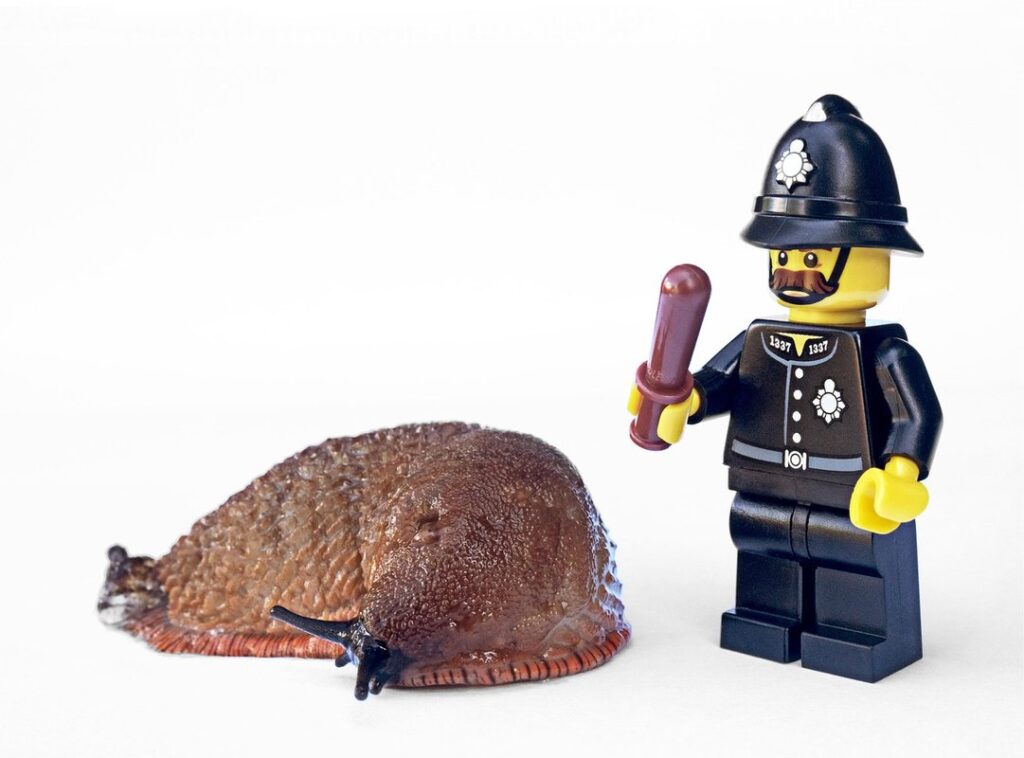
Understanding Garden Slugs and Their Impact
To tackle garden slugs effectively, it’s essential to first understand what they are, how they behave, and why they’re such a nuisance in our gardens. Let’s take a closer look at these slimy critters.
What are Garden Slugs?
Garden slugs are nocturnal, soft-bodied mollusks that belong to the phylum Mollusca. They have a long history of being a nuisance for gardeners worldwide. These slimy creatures have a unique life cycle that begins with eggs laid in protected areas such as under debris or within plant growths. The eggs hatch into tiny slugs, which then grow and mature over several months.
Garden slugs are most active at night when they emerge to feed on plant leaves, stems, and flowers. They are voracious eaters and can cause significant damage to garden crops in a short amount of time. Adult garden slugs can grow up to 10 inches in length and have a distinctive mantle, which is the raised portion of their body that protects their internal organs.
Identifying garden slug characteristics is essential for effective control. Look for dark spots or patches on leaves, as these are often signs of slug damage. Also, keep an eye out for the silvery trail left behind by slugs as they move through your garden. Understanding the habits and life cycle of garden slugs will help you develop targeted strategies to prevent and manage their impact on your garden.
Types of Garden Slugs and How to Identify Them
Garden slugs come in various shapes and sizes, each with unique characteristics that can help you identify them. The most common species found in gardens are the Garden Slug (Arion hortensis), the Black Slug (Arion ater), and the Leopard Slug (Limax maximus).
The Garden Slug is the most widely distributed species, recognized by its brown or gray coloration with two pairs of respiratory pneumostomes on either side of its body. It has no stripes or patterns, making it relatively easy to identify.
The Black Slug, as its name suggests, has a shiny black body and is often found in damp environments. It has four pairs of respiratory organs and lacks stripes.
The Leopard Slug, also known as the Great Grey Slug, is one of the largest slug species, growing up to 20 cm in length. It features vibrant yellow or orange spots on its grey background and has six pairs of respiratory pneumostomes.
Identifying these slugs can be crucial for effective garden slug control, as some species are more destructive than others.
The Devastating Effects of Garden Slugs on Plants
Garden slugs can be a major threat to plant health, causing significant economic losses for gardeners and farmers alike. When it comes to crop damage, garden slugs are notorious for their voracious appetites, devouring leaves, stems, and flowers with ease. This widespread feeding behavior not only weakens plants but also reduces yields, ultimately affecting the bottom line.
According to a study published in the Journal of Economic Entomology, slug damage can result in yield losses ranging from 10% to 50% or more. For example, a gardener might lose up to half their crop value due to repeated slug attacks on their prized tomato plants. In commercial settings, such losses can be staggering, with estimates suggesting that slugs cause annual economic damages exceeding $1 billion.
To put these numbers into perspective, consider the fact that a single garden slug can consume up to 40 times its body weight in plant matter each day. With thousands of slugs present in a single garden or field, the cumulative damage can be devastating. To mitigate this risk, it’s essential for gardeners and farmers to adopt effective garden slug control strategies, which we’ll discuss in more detail later in this guide.
Causes and Contributing Factors of Garden Slug Infestations
To effectively tackle garden slug infestations, it’s essential to understand what drives these pests into your garden in the first place. This section delves into common causes and contributing factors.
Moisture-Related Issues in Gardens
Garden slugs thrive in environments with high humidity and moisture levels. When excess water accumulates in gardens, it creates an ideal breeding ground for these slimy pests. Excess moisture can come from various sources, including heavy rainfall, irrigation systems, and poor drainage.
As a result, garden slugs are drawn to areas with standing water or consistent moisture levels. They feed on plant sap, decaying organic matter, and other nutrient-rich substances found in damp environments. To prevent moisture-related issues that contribute to slug infestations, ensure your garden has proper drainage systems in place. Regularly inspect your garden’s soil and remove any debris or obstructions that can impede water flow.
Consider installing a French drain or a porous groundcover to improve soil ventilation and reduce moisture accumulation. By addressing excess moisture in your garden, you can create an environment less conducive to slug infestations.
Soil pH and Nutrient Levels Affecting Slugs
Soil pH and nutrient levels play a significant role in attracting or repelling garden slugs. While it’s often overlooked, understanding this connection can help you develop an effective slug control strategy. Slugs prefer acidic to neutral soil pH, typically between 5.5 and 7.0. If your soil pH is too high (alkaline), slugs may be less inclined to inhabit the area.
On the other hand, nutrient levels can either attract or repel slugs. High levels of nitrogen, particularly ammonia, can entice slugs to feed on your plants. Conversely, a balanced fertilizer with moderate nitrogen levels and adequate potassium can help deter them. Organic matter, like compost, also plays a crucial role in maintaining optimal soil health.
To adjust your soil pH and nutrient levels, consider the following:
* Test your soil regularly to determine its pH level.
* Add lime or sulfur to lower or raise the pH accordingly.
* Fertilize with a balanced, slow-release fertilizer to maintain optimal nutrient levels.
* Incorporate organic matter into your soil to promote healthy microbial activity.
Nearby Habitat and Wildlife Contributions
When it comes to garden slug infestations, understanding the role of nearby wildlife and habitat features is crucial for effective control. Birds, in particular, play a significant part in influencing garden slug populations. Some bird species, such as robins and blackbirds, feed on slugs, helping to keep their numbers in check. However, other birds like pigeons and doves may inadvertently contribute to slug infestations by eating fruit and berries, which can attract these pests.
Your garden’s surrounding landscape also has a significant impact on its slug population. For instance, nearby forests or woodpiles can serve as slug refuges, allowing them to escape from your garden and re-infest it later. Similarly, gardens with tall vegetation, leaf litter, or overgrown plants provide shelter for slugs, making it easier for them to survive and thrive.
To minimize the impact of nearby wildlife and habitat features on your garden slug infestation:
* Consider attracting bird species that feed on slugs, like robins or hedgehogs.
* Regularly clean up fallen fruit and berries to prevent attracting slugs.
* Trim back overgrown plants, leaf litter, and tall vegetation to reduce shelter for slugs.
Effective Methods for Garden Slug Control
Now that you know why slugs are a problem, let’s dive into effective methods for garden slug control, covering both natural and chemical deterrents to protect your plants.
Organic and Non-Toxic Controls
When it comes to controlling garden slugs without harming the environment, there are several effective and non-toxic methods you can try. Physical barriers are a great starting point – copper tape, for instance, is an excellent deterrent against slugs as they don’t like the taste of copper. Place the tape around plant stems or along the edge of your garden bed to keep these pests at bay.
Another option is using traps. Beer traps, for example, can be effective in catching and removing slugs from your garden. Simply place a shallow container filled with beer near affected areas, as slugs are attracted to the smell of yeast and will fall into the trap. However, it’s essential to check and dispose of the trapped slugs humanely.
You can also try using organic repellents such as garlic, hot pepper spray, or soap solutions. These can be sprayed around your plants to deter slugs without harming them. Additionally, hand-picking slugs at night with a flashlight and removing them from your garden is another manual method you can adopt.
Chemical Controls: A Last Resort
Chemical controls can be an effective last resort for garden slug control, but it’s essential to understand their potential risks and limitations. Many chemical pesticides and baits available on the market contain metaldehyde or methiocarb, which are toxic to slugs but also pose a risk to other wildlife and human health.
When using chemical controls, make sure to follow the manufacturer’s instructions carefully and take necessary precautions to avoid exposure. However, it’s crucial to note that repeated use of these chemicals can lead to slug populations developing resistance, rendering them less effective in the long run.
If you still decide to use chemical controls, consider using iron phosphate-based baits as a safer alternative. These baits are non-toxic to humans and pets but still lethal to slugs. Always monitor your garden’s health closely after applying these chemicals, as they can also harm beneficial insects like bees and butterflies.
Keep in mind that chemical controls should be used as a last resort, and it’s always best to try integrated pest management (IPM) strategies first, which include cultural, physical, and biological methods.
Integrated Pest Management (IPM) Strategies
Integrated Pest Management (IPM) Strategies for Effective Garden Slug Control
To achieve optimal garden slug control, it’s essential to adopt a holistic approach that combines multiple methods. Integrated Pest Management (IPM) is just what you need – a comprehensive strategy that considers the entire ecosystem and addresses the root causes of the problem. By combining physical barriers, cultural controls, biological controls, and chemical controls in a strategic way, you can create a robust defense against these slimy pests.
Start by creating an environment that’s less appealing to garden slugs. Remove weeds and debris, which provide them with food and shelter. Use copper tape or crushed eggshells around plant stems to deter them from feeding on your plants. Encourage beneficial nematodes, which attack and kill slug larvae, and introduce natural predators like hedgehogs or toads. If necessary, use targeted baits containing iron phosphate or Bt (Bacillus thuringiensis) as a last resort. By employing these IPM strategies in harmony, you’ll reduce the reliance on chemical pesticides and create a more balanced ecosystem – the key to effective garden slug control.
Preventing Future Garden Slug Infestations
Now that you’ve successfully eliminated slugs from your garden, let’s talk about how to prevent them from coming back and causing damage. We’ll cover some effective strategies for long-term slug control.
Long-Term Maintenance Strategies
To prevent future garden slug infestations, it’s essential to adopt long-term maintenance strategies that promote a healthy and balanced ecosystem. Mulching is an excellent practice for reducing slug populations, as it creates an inhospitable environment for slugs to thrive. Apply a 2-3 inch layer of organic mulch around plants, avoiding the crown area where water can collect and create a humid microclimate.
Crop rotation is another crucial strategy for preventing slug infestations. By rotating crops seasonally or annually, you break the life cycle of pests like slugs, which can lead to a significant reduction in their populations over time. For example, if you have a history of severe slug damage on your lettuce crop, consider planting something else in that area the following season.
Regularly monitoring your garden for signs of slugs and adjusting your maintenance strategies accordingly is also crucial. Keep an eye out for slimy trails, holes in leaves, or damaged plants, and be prepared to take action if you notice any of these symptoms. By implementing these long-term maintenance strategies, you can create a more resilient and slug-resistant garden that requires less chemical intervention over time.
Slime-Free Mulches and Barriers
When it comes to preventing future garden slug infestations, creating slime-free environments around plants is an effective approach. Slimes attract slugs, and by eliminating this attraction point, you can significantly reduce the likelihood of them visiting your garden.
To achieve a slime-free environment, consider using mulches that repel or trap moisture. Examples include cypress mulch, pine straw, or bark chips. These materials help to dry out the soil surface, making it less appealing to slugs. Another option is to use physical barriers such as copper tape or crushed eggshells around plant stems.
For those who prefer a more natural approach, try planting slug-repellent herbs like mint, chamomile, or lemongrass alongside your vulnerable plants. These herbs release oils that deter slugs and help create an unfriendly environment for them to inhabit. Remember to combine these methods with other garden slug control strategies for optimal results.
Encouraging Beneficial Wildlife in the Garden
Attracting beneficial wildlife to your garden can be a game-changer when it comes to controlling slug populations. These animals are natural predators of slugs and can help keep their numbers under control. One example is the hedgehog, which feeds on slugs and other insects at night. To encourage hedgehogs in your garden, provide a source of water and food, such as a shallow dish with milk or a fruit feeder.
Birds, particularly thrushes and blackbirds, are also slug-eaters. They can be attracted to your garden by providing a bird-friendly environment with native plants that produce berries and seeds. Consider installing a birdhouse or a nesting box to provide a safe haven for these birds.
Another beneficial animal is the toad. Toads feed on slugs and other invertebrates, and can be encouraged in your garden by creating a toad-friendly environment with rocks, logs, and a shallow dish of water. By welcoming these animals into your garden, you’ll not only reduce the need for slug control methods but also create a more balanced ecosystem that promotes biodiversity.
Conclusion: Effective Garden Slug Control is Within Reach
Now that you’ve learned various methods for controlling garden slugs, it’s time to put your new knowledge into practice. Remember, effective slug control requires patience and persistence. Don’t expect overnight results, but with consistent effort, you’ll start seeing improvements in no time. For example, by combining physical barriers like copper tape or crushed eggshells with organic controls like beer traps and nematodes, you can create a multi-faceted defense against these slimy pests.
As you continue to monitor your garden’s slug activity and adjust your control methods accordingly, you’ll develop a keen eye for spotting early signs of infestation. This proactive approach will allow you to nip problems in the bud, preventing extensive damage to your plants. With time and practice, you’ll become more confident in your ability to manage slugs effectively, enjoying healthier, more thriving gardens as a result.
Frequently Asked Questions
What are the most effective times to apply integrated pest management (IPM) strategies for garden slug control?
The best time to implement IPM strategies is just before or during peak slug activity, usually around dusk or nightfall when slugs are most active. This allows you to target them effectively and prevent damage to your plants.
Can I use essential oils as a non-toxic repellent against garden slugs?
Yes, certain essential oils like peppermint, tea tree, and lavender oil have been shown to repel slugs due to their strong scents. Mix these oils with water and spray them around the affected area to deter slugs.
How can I prevent re-infestation by garden slugs after implementing control measures?
To prevent re-infestation, focus on long-term maintenance strategies such as removing debris, maintaining a balanced soil pH, and encouraging beneficial wildlife in your garden. Regularly inspect your plants for signs of slug damage and adjust your control methods accordingly.
Are there any specific plant species that are naturally resistant to garden slugs?
Yes, certain plants like garlic, chives, and marigolds have natural chemicals that repel or deter slugs. Incorporating these plants into your garden can help reduce slug damage. You can also use these plants as a border around vulnerable areas.
Can I use homemade traps for capturing garden slugs, or are commercial traps more effective?
While homemade traps can be effective in small-scale infestations, commercial traps tend to work better due to their design and materials. Look for sticky traps or pitfall traps that capture slugs alive, allowing you to release them away from your garden without causing harm.