
The sight of slimy slugs ravaging your garden can be frustrating, to say the least. As a gardener, you know that these pests can quickly destroy your hard work and leave you with nothing but despair. But fear not! Effective slug repellents are available to help you protect your garden from these sneaky critters. From organic solutions like copper tape and garlic sprays to synthetic options and homemade concoctions, there’s a solution out there for every gardener. In this article, we’ll explore long-term strategies for sustainable slug control that will have you saying goodbye to those pesky slugs for good. Whether you’re looking for an eco-friendly or DIY approach, we’ve got you covered with expert tips and tricks on how to repel slugs and snails from your garden once and for all.
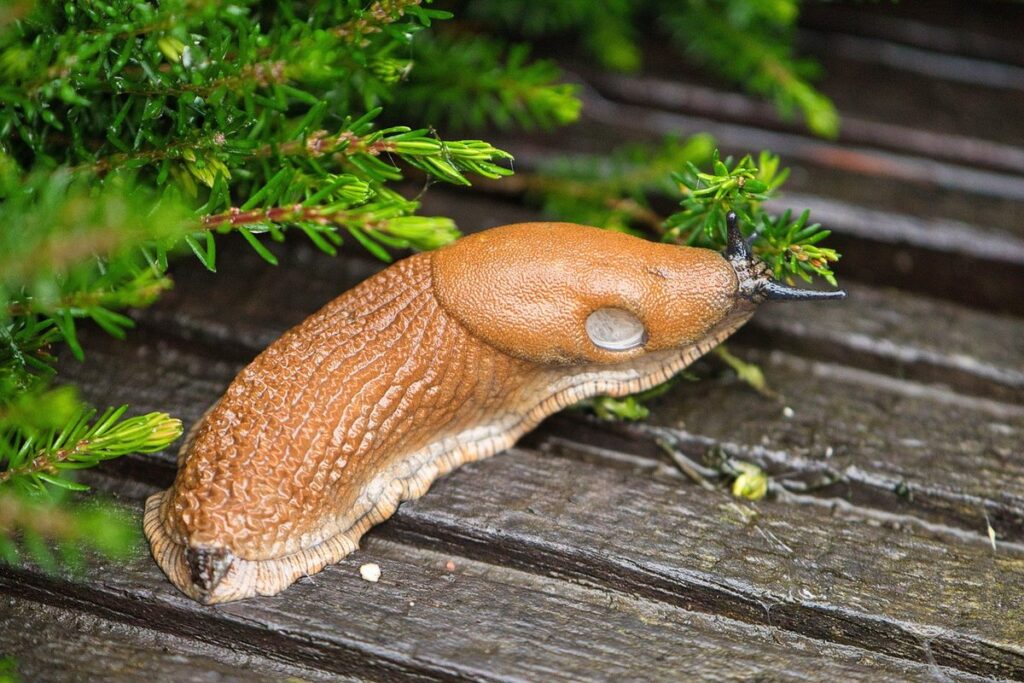
Understanding the Problem of Slugs and Snails in Gardens
Slugs and snails can be a significant threat to your garden’s health, causing damage to plants and flowers that can be frustrating to repair. Let’s explore why they’re such a problem in gardens like yours.
The Impact of Slugs and Snails on Plant Health
Slugs and snails can cause significant damage to plants, resulting in lost yields and reduced quality. Plants with soft leaves, such as lettuce, hostas, and marigolds, are particularly susceptible to slug and snail attacks. These pests feed on the tender shoots and leaves of these plants, often leaving behind a trail of slime and holes.
In severe cases, slugs and snails can reduce crop yields by up to 50%. For example, a study in the UK found that slug damage resulted in losses of £100 million annually in the agricultural sector. This highlights the importance of protecting your garden from these pests.
To put this into perspective, consider the following common plants affected by slugs and snails:
• Lettuce – can be decimated overnight
• Hostas – leaves eaten leaving only stalks behind
• Marigolds – flowers and foliage damaged
• Tomatoes – stems and fruit attacked
Regularly inspect your garden for signs of slug and snail activity, and take action to prevent them from causing damage. This will help you enjoy a healthy and productive garden season.
Common Places Where Slugs and Snails Infest
Slugs and snails are notorious for their ability to infest even the most meticulously maintained gardens. When it comes to understanding where they tend to congregate, it’s essential to be aware of the common places they like to hide. These sneaky pests often take advantage of hidden crevices and sheltered spots to lay low during the day.
Under rocks, stones, and other landscape features, slugs and snails can be found lurking in wait for their next meal. Their slimy trails often lead from these areas to nearby plant bases, where they feast on tender shoots and leaves. A close inspection of your garden’s soil and mulched areas may reveal the presence of these unwanted visitors.
Near plant bases is another area where slugs and snails tend to congregate. The damp soil and rich nutrients surrounding plants provide a perfect environment for them to thrive. To protect your garden from infestation, be sure to inspect these areas regularly and keep them free from debris and clutter that may harbor these pests.
Types of Slug Repellents Available
Now that you’ve learned about the benefits and how to use slug repellents effectively, let’s take a closer look at the different types available for your garden.
Organic Slug Repellents: Chemical-Free Solutions
When it comes to protecting your garden from slugs and snails without resorting to chemicals, there are several natural deterrents you can use. One of the most popular organic slug repellents is copper tape. Slugs don’t like the taste or texture of copper, so they tend to avoid areas where it’s present. Simply wrap copper tape around your plants’ stems or place it along the edges of your garden beds.
Crushed eggshells are another natural deterrent that can be used to repel slugs and snails. These pests don’t like to crawl over sharp surfaces, so crushing up some eggshells and sprinkling them around your plants can help keep them at bay. You can also use certain plants that naturally repel slugs and snails, such as garlic and mint. Planting these species alongside your more vulnerable plants can create a barrier against slug and snail damage.
Some other natural options include diatomaceous earth and vinegar-based solutions, but copper tape and crushed eggshells are often the most effective and easiest to use methods.
Synthetic Slug Repellents: Chemical-Based Options
Chemical-based slug repellents are effective at deterring slugs from entering your garden. One common type is iron phosphate-based products, which work by altering the soil’s pH and making it unpalatable for slugs. These products are generally considered safe for pets and humans but can be toxic to aquatic life if not used correctly.
Another option is metaldehyde-based repellents. These contain a compound that disrupts slug movement and can be effective at repelling large numbers of pests. However, they can also pose risks to pets and humans who ingest them, as well as being toxic to beneficial insects in the soil.
When using chemical-based repellents, it’s essential to follow the instructions carefully and take necessary precautions to avoid accidental ingestion or exposure. Always read the label and ensure you’re applying the product at the correct time of day and in accordance with local regulations.
Homemade Slug Repellent Recipes
Now that you’ve learned how to make your own slug and snail deterrents, let’s dive into three easy-to-make homemade recipes for effective slug repellents.
Natural Deterrents Using Household Items
When it comes to keeping slugs at bay without breaking the bank or harming the environment, natural deterrents using household items are a great place to start. One of the simplest and most effective recipes is a garlic spray made from crushed garlic cloves mixed with water. The pungent smell of garlic repels slugs and snails, making it an excellent natural deterrent.
Another clever way to use household items is by incorporating hot peppers into your repellent recipe. Jalapenos or cayenne peppers can be chopped and added to a mixture of soap and water. When applied to plants, the capsaicin in these peppers will deter slugs from crossing over.
To make this soap-based spray, mix 1 tablespoon of liquid soap with 1 quart of water and add 2-3 finely chopped hot peppers. The acidity in the soap helps break down the slug’s protective mucus, while the pepper’s heat repels them from feeding on your plants.
Creating a Barrier with Diatomaceous Earth
When it comes to protecting your garden from slugs and snails, there are many effective homemade repellent recipes you can try. One of these is creating a barrier with diatomaceous earth, a non-toxic powder that can be sprinkled around plants to deter these pests.
Diatomaceous earth, often abbreviated as DE, is made up of the fossilized remains of tiny aquatic organisms called diatoms. It’s a natural substance that is safe for use in gardens and won’t harm your plants or pets. When slugs and snails come into contact with DE, it dehydrates them by absorbing their bodily fluids, causing them to leave the area.
To use DE as a barrier repellent, sprinkle it around the base of your plants, making sure to cover all areas where slugs and snails might hide. You can also mix it with water to create a spray, but be careful not to get any on your plants’ leaves or stems. The key is to maintain a consistent layer of DE around your plants, replenishing it as needed to ensure its effectiveness.
By using diatomaceous earth as part of your integrated pest management strategy, you can keep slugs and snails under control without resorting to chemical pesticides. This not only protects your garden but also the environment and beneficial wildlife that call it home.
Commercial Slug Repellent Products
If you’re looking for a hassle-free way to keep slugs away, commercial repellent products are definitely worth considering. We’ll take a closer look at some popular options available in the market.
Evaluating Effectiveness and Safety
When evaluating the effectiveness and safety of commercial slug repellent products, it’s essential to consider their ingredients, application methods, and user reviews. Some popular commercial slug repellents on the market contain ingredients like iron phosphate, which is a non-toxic and environmentally friendly option. However, some users have reported skin irritation and respiratory issues when using these products.
Others may opt for products containing predator urine or scent-based deterrents, but their effectiveness can be inconsistent and may not provide long-term protection. Application methods also vary greatly, with some products requiring repeated spraying or granule spreading, while others offer more convenient options like granules that can be sprinkled around plants once a month.
When choosing a commercial slug repellent product, read user reviews to get an idea of how well it performs in real-world conditions. Look for products with high ratings from multiple sources and consider the specific needs of your garden when making a decision.
Comparing Prices and Availability
When it comes to choosing the right commercial slug repellent for your garden, one of the most important factors to consider is cost. Different products can vary significantly in price, ranging from under £10 to over £50 per packet or bottle.
To give you a better idea, here are some examples of popular commercial slug repellents and their approximate prices:
* Copper tape strips (£5-£15)
* Iron phosphate-based pellets (£20-£30)
* Nematode treatments (£30-£40)
When comparing prices, consider not only the initial cost but also the long-term effectiveness of each product. Some products may be more expensive upfront but provide longer-lasting protection against slugs and snails.
You can find these commercial slug repellents at various online retailers, such as Amazon or eBay, or in-store at your local garden center. When shopping online, be sure to check for reviews and compare prices across different sellers to ensure you get the best deal.
Some popular online retailers also offer bulk discounts, which can be a cost-effective option if you need to protect a large area of your garden. Always read the product labels carefully and follow the instructions for use to ensure maximum effectiveness.
Long-Term Strategies for Slug Control
To truly safeguard your garden, it’s essential to implement long-term strategies that prevent slug and snail populations from getting out of hand. We’ll explore effective methods to achieve lasting results.
Integrated Pest Management Techniques
When it comes to minimizing slug infestations, implementing integrated pest management (IPM) strategies is crucial. One effective approach is crop rotation, where you switch between different types of plants in the same spot to break the slug’s life cycle. For example, if you grow lettuce or other leafy greens in a particular area, try rotating it with flowers like marigolds or nasturtiums that slugs tend to avoid.
Companion planting is another technique worth considering. Certain plants, such as basil and mint, repel slugs naturally, so plant them alongside your favorite vegetables. Some gardeners swear by the effectiveness of mulching as a slug deterrent. By covering the soil with a thick layer of organic matter like wood chips or bark, you create an environment that’s inhospitable to slugs. This method not only repels slugs but also retains moisture and suppresses weeds.
When combining these techniques, remember that it’s all about creating a balanced ecosystem in your garden. By rotating crops, planting slug-repellent companions, and mulching, you’ll be well on your way to reducing the risk of slug infestations and protecting your garden from damage.
Encouraging Beneficial Wildlife in the Garden
Attracting beneficial wildlife to your garden is an effective long-term strategy for slug control. By creating a welcoming environment for hedgehogs, toads, and other natural predators, you can encourage them to visit your garden regularly, feeding on slugs and snails in the process.
Hedgehogs are particularly valuable assets when it comes to controlling slug populations. These prickly creatures are naturally drawn to gardens with an abundance of insects, worms, and other small invertebrates – all potential food sources for slugs. By creating a hedgehog-friendly habitat, you can encourage them to visit your garden regularly, reducing the number of slugs present.
To attract these beneficial animals, consider incorporating native plants and features into your garden design. These should include dense shrubs or trees that provide shelter and protection from predators, as well as shallow water sources for drinking and bathing.
Frequently Asked Questions
Can I use slug repellents around pets or children?
When using any type of slug repellent, it’s essential to ensure they’re pet- and child-friendly. Most commercial products are safe when used as directed, but always read the label carefully and take necessary precautions. For example, if you have young children who like to play in the garden, consider using organic or homemade repellents that don’t contain harsh chemicals.
How long do slug repellents last, and do I need to reapply them frequently?
The longevity of slug repellents depends on various factors, including the type of product used, environmental conditions, and pest density. Generally, commercial products can provide protection for several weeks or even months. However, if you notice a significant increase in slug activity, you may need to reapply the repellent as directed.
Can I combine different types of slug repellents for better effectiveness?
While it’s possible to use multiple methods together, be cautious when combining organic and synthetic products. This can lead to unnecessary exposure to chemicals or create an unpleasant environment for your garden. Stick with one type of repellent that suits your needs and gardening style.
How do I know which type of slug repellent is best for my garden?
The ideal repellent depends on your specific situation, including the types of plants you have, pest density, and personal preferences. Consider factors like ease of use, cost, and effectiveness when choosing a product or method. If you’re unsure, start with an organic solution and adjust as needed.
Can I use slug repellents during peak season (spring and summer) only, or do I need to apply them year-round?
Slug activity can occur throughout the growing season, not just during peak times. To maintain effective protection, consider applying repellents regularly, especially after heavy rainfall or extreme weather conditions that may attract slugs.