
Are you tired of feeling like your pool area is lacking a personal touch? Want to create an inviting space that not only boosts your property value but also reduces stress levels? One of the easiest ways to achieve this is by choosing the right plants for around your pool. But with so many options available, it can be overwhelming to decide which ones are safe, low-maintenance, and budget-friendly. In this article, we’ll explore the best plants for surrounding your pool area, considering factors like safety, maintenance requirements, and affordability. From lush greenery to vibrant flowers, we’ll cover a range of ideas that will help you create a beautiful outdoor space that’s perfect for relaxation and entertainment.
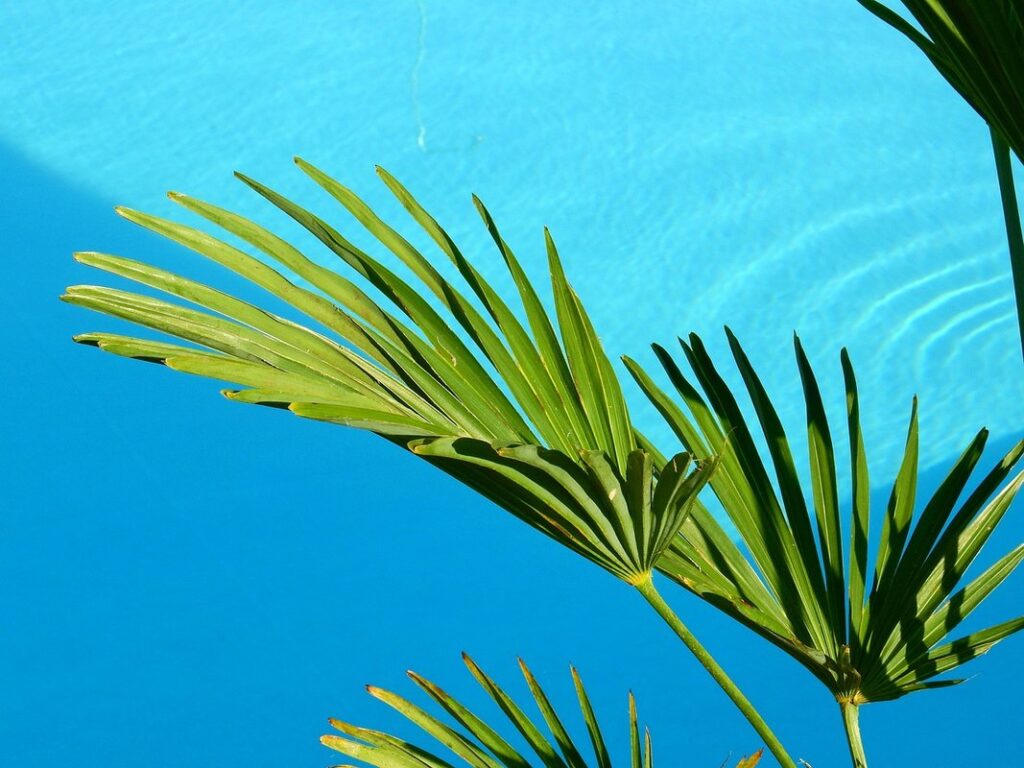
Choosing the Right Plants for Your Pool Area
When selecting plants for your pool area, it’s essential to choose varieties that thrive in sun-kissed conditions and can withstand splashing water. Let’s explore some top picks that fit the bill!
Considerations Before Planting
Before you start planting around your pool area, it’s essential to consider a few key factors to ensure that your chosen plants thrive and don’t pose any risks to your family’s safety. First and foremost, think about the amount of sun exposure your pool area receives. If it’s a sunny spot, choose plants that can tolerate full sun or partial shade. On the other hand, if it’s a shaded area, select plants that prefer dappled light.
Another crucial consideration is the type of soil in your pool area. Different plants have varying soil requirements, so make sure to match your plant selection with the existing soil conditions. For example, if you have alkaline soil, choose plants that can tolerate high pH levels.
Water requirements are also a vital factor to consider. Some plants require frequent watering, while others are drought-tolerant. Be mindful of the water table in your area and avoid planting species that may lead to water accumulation around the pool.
It’s also wise to research local regulations regarding plant growth near pools. Some areas have specific guidelines to prevent excessive foliage growth that can obstruct pool equipment or compromise safety features. By taking these factors into account, you’ll be well on your way to creating a beautiful and safe poolside garden.
Understanding Pool Safety Regulations
When choosing plants for around your pool area, it’s essential to consider local regulations and safety guidelines. This will not only ensure that your pool is a safe space for family and friends but also avoid potential fines or penalties.
In the US, the American Society for Testing and Materials (ASTM) sets standards for pool safety, including plant selection. According to the ASTM, plants should be selected based on their ability to prevent slipping hazards around the pool area. This includes plants with shallow roots or smooth leaves that can reduce tripping risks.
Some local regulations also require a minimum distance between certain types of plants and the pool itself. For instance, in California, plants like bamboo are prohibited within 10 feet of the pool due to their invasive nature and potential for root damage. Be sure to check your local government’s website or contact your local building department to determine specific requirements.
Before planting around your pool area, always inspect local regulations and safety guidelines to ensure that you’re not inadvertently creating a hazard.
Popular Pool-Friendly Plant Species
When it comes to choosing plants for your pool area, you’ll want to select species that can thrive in sun-drenched spots while also being low-maintenance and safe for splashing. Fortunately, there are many pool-friendly plant species that fit the bill.
Some popular options include succulents like aloe vera and agave, which are perfect for areas with full sun and minimal watering needs. These plants are not only visually appealing but also have medicinal properties and can help purify the air around your pool area.
For more lush, greenery, consider planting species like lantana or hibiscus, which are heat-tolerant and produce vibrant flowers that attract pollinators. These plants require minimal upkeep and can thrive in a variety of soil types, making them ideal for areas with diverse microclimates.
When selecting pool-friendly plants, be sure to choose species that have compact growth habits to prevent overgrowth and obstructing your view or creating maintenance issues.
Low-Maintenance Plants for Busy Homeowners
If you’re short on time but still want a lush look around your pool area, don’t worry – low-maintenance plants are here to save the day! We’ve got some top picks that fit the bill.
Drought-Tolerant Options
When it comes to pool areas, finding drought-tolerant options can be a challenge. However, there are plenty of beautiful and low-maintenance plants that thrive with minimal watering. For busy homeowners who want to keep their pool surrounds looking lush without the hassle, consider these options.
The Succulent Family: These water-storing wonders come in a variety of shapes, sizes, and colors. Perfect for hot, sunny spots around the pool, succulents are nearly impossible to kill and can survive with just an occasional soak. Try incorporating different types like Aloe Vera, Echeveria, or Agave into your landscape.
Creeping Thyme (Thymus serpyllum): This fragrant, spreading groundcover is a great choice for areas with poor soil or limited watering schedules. It tolerates foot traffic and can be walked on, making it an excellent option for high-traffic pool surrounds. Simply plant creeping thyme around the perimeter of your pool area and enjoy its sweet aroma.
Remember to water these plants sparingly during their first year to encourage deep root growth. This will help them become even more drought-tolerant over time.
Succulents and Cacti
If you’re looking to add some low-maintenance charm to your pool area without sacrificing style, succulents and cacti are an excellent choice. These drought-tolerant plants thrive in sunny conditions, making them perfect for poolside landscaping.
One of the biggest advantages of using succulents and cacti around your pool is their ability to withstand extreme temperatures and humidity fluctuations. This means you don’t have to worry about them wilting or dying during the hot summer months when the pool area gets a lot of sun. Plus, they’re relatively small in size, making it easy to fit them into tight spaces.
When choosing succulents and cacti for your pool area, consider species like Aloe vera, Echeveria, and Agave. These plants not only add visual interest but also provide benefits like air purification and pest control. To ensure their longevity, water them sparingly – allowing soil to dry out completely between waterings. This will help prevent root rot and other issues associated with overwatering.
By incorporating succulents and cacti into your pool landscaping design, you’ll not only save time on maintenance but also create a beautiful and resilient outdoor space that can withstand the elements.
Air Plant Care and Maintenance
Air plants are perfect additions to pool areas due to their low-maintenance requirements. However, proper care and maintenance are still essential to keep them thriving around the water feature.
When it comes to air plant care near pools, make sure they receive bright, indirect light but avoid direct sunlight as this can cause fading of leaves. Watering is also a crucial aspect, but unlike other plants, air plants don’t need soil. Mist your air plants 2-3 times a week with distilled water or rainwater. Submerge them in a bowl of water for 1-2 hours once a month to provide sufficient hydration.
Keep in mind that high humidity and moisture levels from the pool area can sometimes cause overhydration, so monitor the air plant’s condition closely and adjust your watering schedule accordingly. Also, be cautious when spraying mist around pets or children playing near the pool area.
Regularly inspect your air plants for signs of pests or diseases and gently remove any dead or dying leaves to maintain their appearance and prevent the spread of disease. With these simple care tips in mind, you can enjoy the unique beauty of air plants while keeping them thriving and healthy around your pool.
Plants to Avoid Around Pool Areas
When choosing plants for around your pool, it’s just as important to know which ones to avoid as it is to select the best options for a safe and beautiful space. Some plants can pose a hazard near water.
Invasive Species
When it comes to choosing plants for around pool areas, it’s essential to be aware of invasive species that can cause problems. These plants may seem harmless at first, but they can lead to issues like algae growth, equipment damage, and even safety hazards.
For example, the Brazilian Waterweed (Egeria densa) is a highly invasive aquatic plant that can quickly take over pool areas, clogging filters and pipes. Its dense foliage also provides a perfect environment for algae to grow, which can stain pool surfaces and increase maintenance costs. Another example is the Parrot Feather (Myriophyllum aquatile), a flowering plant that can release seeds into the water, creating an infestation that’s difficult to control.
Before selecting plants, research their invasive potential in your area. Check with local authorities or gardening organizations for information on non-invasive alternatives. Some good options include native aquatic plants like cattails or duckweed, which are well-suited to pool environments and don’t pose a risk of becoming invasive. By choosing wisely, you can enjoy beautiful and safe surroundings around your pool while minimizing the risks associated with invasive species.
Allergic Reactions and Irritation
When it comes to choosing plants for around pool areas, there are some important considerations to keep in mind. While many plants can thrive near pools and add beauty to the space, others may cause problems due to their allergenic properties or skin-irritating sap.
Some plants that are commonly known to cause allergic reactions or skin irritation include poison ivy (Toxicodendron radicans), poison oak (Toxicodendron pubescens), and poison sumac (Rhus vernix). These plants contain urushiol, an oil that can cause severe itching, redness, and blisters on the skin. If you have a family member with allergies or sensitive skin, it’s best to avoid these plants altogether.
Other plants, such as succulents like Aloe vera and Euphorbia, may also cause irritation in some individuals due to their sap, which can be toxic if ingested. However, with proper handling and precautions, these plants can still thrive near pools without causing harm. Always research the specific needs and characteristics of a plant before bringing it home to ensure it’s safe for your family and pool area.
Be sure to inspect any new plant thoroughly for signs of sap or other allergenic properties before introducing it to your pool area. If you experience any symptoms after exposure to a plant, be sure to wash the affected area immediately with soap and water, and seek medical attention if necessary.
Fire Hazards and Flammable Plants
When it comes to choosing plants for around pool areas, it’s essential to consider fire hazards. Flammable plants can increase the risk of fires, especially during hot summer months when temperatures soar and dry vegetation is more prone to igniting. Some examples of flammable plants that should be avoided near pools include lavender, rosemary, and eucalyptus.
These plants have high oil content, which makes them highly combustible. If a spark or flame were to accidentally ignite one of these plants, the consequences could be devastating. In fact, according to the National Fire Protection Association (NFPA), outdoor fires caused by vegetation are responsible for an estimated 7,000 structure fires and 310 civilian injuries in the United States each year.
To avoid this risk, opt for non-flammable or low-maintenance plants like succulents, cacti, or ornamental grasses. These plants are not only fire-resistant but also require less water and care, making them perfect for busy pool owners. Some popular alternatives include aloe vera, agave, and blue oat grass. By choosing the right plants for your pool area, you can enjoy a safe and beautiful outdoor space all season long.
Pool Landscaping Ideas on a Budget
Creating a beautiful poolside landscape doesn’t have to break the bank, and we’ve got some budget-friendly ideas to get you started. From low-maintenance plants to clever DIY projects.
DIY Planters and Containers
When it comes to creating planters and containers for pool landscaping on a budget, there are many DIY-friendly options available. One of the most cost-effective ways is to upcycle old items like wooden crates, plastic buckets, or terra cotta pots. Simply add some drainage holes and decorative touches like paint or ribbons to give them a fresh new look.
Another idea is to repurpose materials from around the house or garden, such as old brick planters, metal tubs, or even an old birdbath. You can also get creative with everyday items like colanders, boots, or suitcases. Add some potting soil and your favorite pool-friendly plants, and you’ll have a unique and budget-friendly planter.
Some other options include using affordable materials like fiberglass planters, which are lightweight and durable, or using recycled plastic containers, such as old tubs or buckets. When choosing a material, consider factors like durability, maintenance needs, and the overall aesthetic you want to achieve for your pool area. With a little creativity and elbow grease, you can create beautiful and functional planters that complement your pool landscaping without breaking the bank.
Repurposing Old Items
Repurposing old items can breathe new life into your pool area without breaking the bank. You’d be surprised at what treasures you can transform into unique planters and decorations. For instance, consider upcycling an old birdbath or a wooden pallet as a planter for your favorite succulents or cacti.
An old stone fountain or a metal lantern can add a touch of elegance to your pool area when repurposed as a decorative centerpiece. Even an old boot or a vintage watering can can become a quirky and eye-catching planter for a small herb garden or a few sprigs of rosemary.
When repurposing, remember to clean and disinfect the item thoroughly before using it as a planter or decoration. Add some fresh paint or varnish to give it a new look. Get creative with the materials you already have at home – an old ladder can become a trellis for your climbing vines, while a wooden wheelbarrow can be transformed into a charming planter for your poolside plants.
Remember, repurposing is all about giving old items a new purpose and reducing waste. By doing so, you’ll not only save money but also create a unique and environmentally friendly space around your pool area.
Seasonal Decorating Tips
When it comes to pool landscaping on a budget, seasonal decorating is key to keeping your area looking fresh and inviting. As the seasons change, so should your decor. Here are some easy and affordable ways to update your pool area with plants:
In spring, swap out winter-harvested plants for vibrant blooms like azaleas or petunias that thrive in the warmer weather. Add a pop of color by planting bright flowers like marigolds or zinnias around the pool deck.
Summer is all about relaxation, so keep your decor light and airy. Bring in some greenery with potted palms or ferns to create a natural ambiance. Don’t forget to add some floating candles or lanterns for a warm glow after sunset.
As fall arrives, transition your plants to warm-toned mums or asters that complement the changing foliage. Add some seasonal flair with pumpkins or cornstalks around the pool area to get into the autumnal spirit.
In winter, focus on evergreen plants like boxwood or holly that provide year-round interest. Use them to create a festive look by topping them with snow-kissed pinecones or ribbons.
Benefits of Planting Around Your Pool
Planting around your pool can not only enhance its visual appeal but also provide a number of practical benefits, such as reduced chemical use. This section explores these advantages in more detail.
Environmental Benefits
Planting around your pool not only enhances its aesthetic appeal but also provides numerous environmental benefits. One of the significant advantages is reducing the heat island effect, which occurs when built-up surfaces absorb and retain heat from the sun, causing temperatures to rise. Plants act as natural temperature regulators by providing shade, evaporating water through transpiration, and cooling the air through a process called evapotranspiration.
By strategically placing plants around your pool, you can create a microclimate that cools the surrounding area. This not only makes your pool more comfortable for use but also reduces the need for air conditioning, saving energy and lowering your carbon footprint. Furthermore, plants help improve air quality by absorbing pollutants and releasing oxygen through photosynthesis. Choose low-maintenance, drought-tolerant species like succulents or shrubs to minimize water consumption and upkeep.
When selecting plants for around your pool, consider those with broad leaves or dense foliage, such as bushes or evergreen trees, which provide maximum shade and cooling benefits.
Property Value Increase
When you invest time and effort into landscaping around your pool area with beautiful plants, it can have a significant impact on your property’s value. Not only does it enhance the aesthetic appeal of your outdoor space, but it also adds functionality and creates a more inviting atmosphere for relaxation and entertainment.
According to a study by the National Association of Realtors, 82% of homebuyers consider the outdoor living spaces when making purchasing decisions. Well-manicured landscaping with plants can make a significant difference in how potential buyers perceive your property’s value. For instance, a lush greenery surrounding your pool area can boost your property’s curb appeal by up to 20%, increasing its marketability and desirability.
When selecting plants for around your pool area, consider low-maintenance options like succulents or flowering shrubs that require minimal upkeep but provide maximum visual impact. Not only will these plants enhance the beauty of your outdoor space, but they’ll also save you time and money on maintenance costs.
Stress Relief and Aesthetic Appeal
Having a well-planted pool area can do wonders for both your mental and visual well-being. Research has shown that being surrounded by nature can significantly reduce stress levels and even lower blood pressure. When you step out of the water and into a lush, green oasis, it’s hard not to feel a sense of calm wash over you.
But beyond its stress-relieving benefits, a beautifully planted pool area also adds to your home’s aesthetic appeal. A well-manicured landscape can increase your property value, making it more attractive to potential buyers if you ever decide to sell. Plus, it creates an inviting atmosphere that encourages you and your family to spend time outdoors.
To reap these benefits, consider incorporating a mix of low-maintenance plants like succulents or grasses into your pool area design. Not only do they require less upkeep, but their unique textures and colors add visual interest without needing constant pruning or watering.
Frequently Asked Questions
How often should I water my pool-friendly plants, especially during hot summer months?
Water your pool-friendly plants when the top 1-2 inches of soil feel dry to the touch. Avoid overwatering, as this can lead to root rot and other issues. During hot summer months, you may need to water more frequently, but make sure not to drown your plants.
Can I plant succulents and cacti directly in my pool area’s gravel or sand?
While succulents and cacti are low-maintenance options for pool areas, they don’t thrive in loose soil like gravel or sand. Plant them in well-draining pots filled with a mix specifically designed for cacti and succulents.
What if I have pets that love to dig around my pool area? Are there any plants safe from their digging?
Some pet-friendly options include ornamental grasses, creeping juniper, and creeping thyme. These plants can withstand light foot traffic and some digging, but be sure to supervise your pets and ensure they don’t over-dig.
How do I choose between different types of pool-friendly plants when considering factors like space constraints and sunlight?
Assess the amount of sunlight your pool area receives and choose plants that match this condition. If you have limited space, opt for compact or trailing plants like lantana or sweet potato vine.
Can I use regular gardening soil around my pool area, or do I need a specific type of soil mix?
Regular gardening soil can be too dense for pool areas with poor drainage. Instead, choose a well-draining potting mix specifically designed for outdoor containers or pool-friendly plants to prevent waterlogging and root rot.