
Growing your own nasturtiums can be a delightful experience, but it requires some know-how to bring in a successful crop. Nasturtium seeds are easy to plant and require minimal maintenance, making them an excellent choice for gardeners of all skill levels. Not only do these beautiful flowers add a pop of color to your garden, but they also provide edible leaves and blooms that can be used in salads, as garnishes, or even pickled.
In this article, we’ll explore the world of nasturtium seeds in depth, covering topics such as different varieties, companion planting tips, and expert advice on seed care. Whether you’re a seasoned gardener or just starting out, this guide will walk you through everything you need to know to grow and harvest your own nasturtiums successfully. From preparing the soil to enjoying your fresh harvest, we’ll cover it all – giving you the confidence to cultivate these beautiful flowers in no time.
Understanding Nasturtium Seeds
To grow beautiful nasturtiums, it’s essential to understand the characteristics of their seeds, including germination rates and optimal planting depths for healthy growth. Let’s dive into the specifics of nasturtium seeds.
What are Nasturtium Seeds?
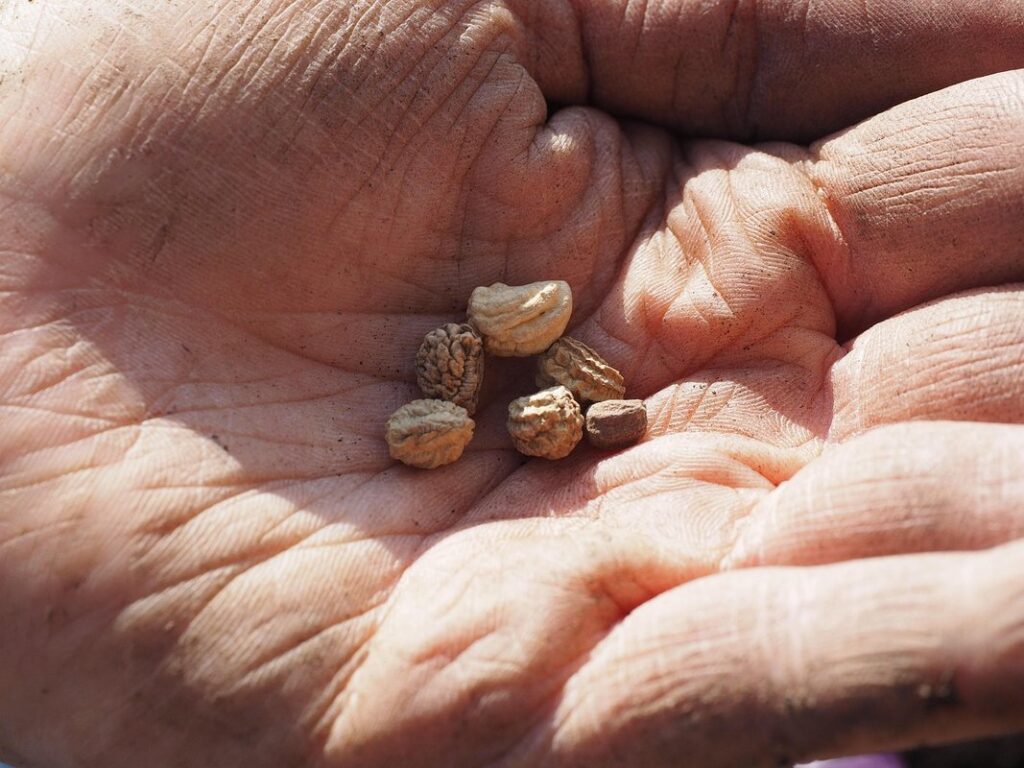
Nasturtium seeds are the tiny, yet mighty starting point for one of the most versatile and colorful flowers you can grow in your garden. Botanically known as Tropaeolum majus, these seeds have been a favorite among gardeners for centuries due to their ease of cultivation and numerous uses.
As a gardener, you might be surprised by just how much you can do with nasturtium seeds. Not only can they be directly sown into the ground in late spring or early summer, but they also come in a variety of colors – including yellow, orange, red, and even bi-colored – making them perfect for adding a pop of color to your garden beds.
But that’s not all – nasturtium seeds are also edible. The flowers, leaves, and stems can be used as a peppery garnish or added to salads for an extra burst of flavor. In fact, the name “nasturtium” comes from the Latin words “nasus tortus,” meaning twisted nose, due to the way the plant’s seeds resemble tiny, twisted turnips.
When using nasturtium seeds in your gardening endeavors, be sure to store them in a cool, dry place until you’re ready to sow them. This will help ensure they remain viable for at least one year after purchase.
Types of Nasturtium Seeds
When it comes to nasturtium seeds, you’ll find an array of options to suit various garden styles and preferences. One of the most striking aspects of these seeds is their color palette, which includes a range of vibrant hues such as shades of yellow, orange, red, and even white.
In terms of flower shapes, nasturtium seeds offer a mix of compact, rounded blooms and more sprawling, delicate varieties. Some popular types include ‘Empress of India’, with its vibrant red flowers and compact growth habit, while ‘Alaska’ boasts pale yellow petals and a more relaxed appearance.
Consider the growth habits you want to accommodate in your garden – nasturtium seeds can thrive in containers or sprawling along a trellis. The ‘Jewel of Africa’ variety, for example, is particularly well-suited to cascading displays, while ‘Fairy’s Bouquet’ excels as a container-grown choice.
By selecting the right type of nasturtium seed, you’ll be able to create a unique and visually appealing display that complements your garden’s overall aesthetic.
Sowing Nasturtium Seeds
To get started growing nasturtiums, you’ll need to sow your seeds directly into the garden when the soil has warmed up and all danger of frost has passed. Choose a spot with full sun for optimal growth.
Preparing the Soil
Soil preparation is a crucial step in growing healthy nasturtium seedlings. Nasturtiums are adaptable to various soil types, but they prefer well-draining, fertile soil with a slightly acidic to neutral pH (around 6.0-7.0). If your soil’s pH level is too high or low, it can affect nutrient availability and lead to root damage.
To create an ideal growing environment for nasturtiums, ensure good drainage by incorporating organic matter like compost, manure, or well-rotted leaf mold into the soil. This will not only improve aeration but also provide essential nutrients such as nitrogen, phosphorus, and potassium.
When testing your soil pH, consider the following ranges:
• Acidic (pH 4.5-6.0): Add dolomitic limestone to raise pH
• Neutral (pH 6.0-7.0): No adjustment needed
• Alkaline (pH 7.1-8.5): Add elemental sulfur or aluminum sulfate to lower pH
Regularly checking your soil’s nutrient levels will help you make informed decisions about fertilization and amendments, ensuring optimal growth for your nasturtium seedlings.
Sowing Techniques
When it comes to sowing nasturtium seeds, you have several options to choose from. Direct sowing is a straightforward method where you sow the seeds directly into the garden bed at the right time. This approach allows the seedlings to grow and adapt to their environment without being transplanted.
If you prefer to get a head start on the growing season, starting nasturtium seeds indoors can be a great option. Sow them 6-8 weeks before the last frost date in your area, using seed starting mix and keeping the soil at around 70°F (21°C). Once they have 2-3 sets of leaves, transplant them into larger pots or directly into the garden.
Another strategy to consider is succession planting. This involves sowing new batches of seeds every 1-2 weeks, allowing for a continuous harvest throughout the growing season. By doing so, you’ll be able to enjoy nasturtium flowers and leaves throughout the summer months, as new seedlings replace older ones.
Nasturtium Seed Care
To ensure your nasturtium seeds thrive, proper care and handling are crucial. In this section, we’ll walk you through how to store and handle seeds for optimal germination rates.
Watering and Moisture Requirements
Watering nasturtium seedlings requires attention to their delicate roots. Overwatering can be detrimental, leading to root rot and fungal diseases. To avoid this, water the soil gently but thoroughly once a week during the first few weeks after sowing. As the plants grow, increase watering to twice a week. Make sure the top inch of soil is dry before re-watering.
Check the soil moisture by inserting your finger into it. If the seedlings are in containers, ensure the pot has good drainage holes to prevent waterlogged soil. You can also use a moisture meter for more accurate readings.
During periods of high heat or drought, increase watering frequency accordingly. However, be cautious not to overwater, as this can cause more harm than good. Keep an eye on your seedlings and adjust the watering schedule based on their specific needs.
Maintaining optimal moisture levels will encourage healthy root growth, promote lush foliage, and ultimately lead to a bountiful harvest of nasturtium flowers and leaves. Monitor your plants closely and adjust your care routine as needed to ensure their success.
Fertilization and Pest Management
Fertilizing nasturtiums requires attention to their specific needs. These plants thrive in well-draining soil with a pH between 6.0 and 7.0. A balanced fertilizer (10-10-10 NPK) applied once a month will suffice, but it’s crucial not to overfertilize as this can lead to weak growth.
Organic methods of fertilizing nasturtiums include using compost or well-rotted manure. These natural substances provide essential nutrients while improving soil structure and drainage. Another option is to use fish emulsion, a liquid fertilizer made from the remains of fish, which provides a slow release of nutrients.
When it comes to pest management, nasturtiums are often targeted by aphids, whiteflies, and slugs. To control these pests, you can employ chemical control methods such as using neem oil or insecticidal soap. However, it’s recommended to explore organic alternatives first. For instance, introducing beneficial insects like ladybugs and lacewings can help keep pest populations under control.
To prevent slugs from damaging your plants, sprinkle crushed eggshells around the base of the nasturtiums.
Nasturtium Flower Production and Variations
Let’s dive into the wonderful world of nasturtium flowers, where you’ll learn about cultivating and experimenting with over 80 varieties to suit your unique garden needs. From classic ‘Empress of India’ to rare ‘Alaska’, we’ve got you covered!
Blooming Period and Cycle
When it comes to nasturtium flowers, their blooming period and cycle are essential factors to consider for successful growth and harvesting. The typical blooming period for nasturtiums is around 70 to 80 days after sowing the seeds, but this can vary depending on weather conditions, soil quality, and the specific variety of nasturtium.
Factors that influence flowering include temperature, light exposure, and water availability. Nasturtiums thrive in full sun to partial shade, and their flowers will close up if they receive too much direct sunlight. Adequate watering is also crucial, as dry spells can cause the plants to focus energy on survival rather than producing flowers.
In ideal conditions, nasturtiums will produce a profusion of blooms throughout the summer months. However, some varieties are bred specifically for their ability to bloom continuously or in response to certain stimuli. By understanding these factors and choosing the right variety for your climate and growing conditions, you can enjoy a bountiful harvest of beautiful nasturtium flowers.
Some popular varieties include ‘Empress of India’, which blooms continuously throughout the season, and ‘Moonlight’, which has large, white flowers that open in response to increased sunlight.
Different Kinds of Flowers and Foliage
When it comes to nasturtium flowers and foliage, you’ll find an astonishing array of varieties that cater to different tastes, garden styles, and purposes. Some popular types of flowers produced by various nasturtium varieties include:
* The compact, button-like blooms of ‘Empress of India’, a popular heirloom variety
* The delicate, rose-petal-like petals of ‘Alaska’, known for its soft pastel hues
* The spiky, star-shaped blooms of ‘Candlelight’, with their warm golden tones
In terms of foliage, nasturtiums also come in various shapes and sizes. For instance:
* ‘Jewel of Africa’ boasts large, rounded leaves with intricate veins, adding a pop of color to salads
* The delicate, lacy fronds of ‘Empress of India’ provide an edible garnish for cocktails or desserts
To take full advantage of these unique characteristics, experiment with different nasturtium varieties in your garden. Consider pairing complementary flowers and foliage to create stunning visual displays, or using the leaves as a fresh addition to your favorite recipes.
Using Nasturtium Seeds in Companion Planting
When it comes to using nasturtium seeds in companion planting, you’ll be happy to know that they’re incredibly versatile and can help repel pests from a variety of crops. Let’s explore some of their most effective pairing possibilities.
Benefits of Nasturtiums as Companions
When grown alongside other plants, nasturtiums can provide a multitude of benefits that make them an excellent addition to any garden. One of the most significant advantages of companion planting with nasturtiums is their ability to repel pests. These flowers are known to deter aphids, whiteflies, and squash bugs, making them an ideal choice for gardens plagued by these insects.
In addition to pest control, nasturtiums also attract beneficial insects, such as lacewings and hoverflies, which feed on pests that can harm your crops. By planting nasturtiums near vulnerable plants, you can encourage a natural balance of beneficial insects in your garden.
Nasturtiums can also improve soil health when grown as companions. Their large leaves provide shade for the soil, reducing moisture loss and preventing weeds from growing. This creates an ideal environment for other plants to thrive, making nasturtiums a valuable addition to any companion planting scheme.
Pairing Nasturtiums with Other Vegetables and Flowers
When it comes to pairing nasturtiums with other vegetables and flowers, the possibilities are endless. One of the most effective companion planting combinations is with tomatoes. Nasturtiums repel aphids, whiteflies, and squash bugs that can be detrimental to tomato plants. Simply plant them around the perimeter of your tomato bed or intersperse them throughout the row.
Another great pairing is with cucumbers. Nasturtiums help keep cucumber beetles at bay, which can spread bacterial wilt and other diseases. Plant nasturtium seeds near the base of your cucumber trellis or teepee for a dual-purpose solution.
For a colorful and fragrant combination, try planting nasturtiums with marigolds. These bright flowers repel nematodes that can harm nasturtium roots, while their strong scent deters pests from reaching nearby vegetables. Plant marigolds around the perimeter of your garden bed or intersperse them among nasturtium plants.
In addition to these pairings, consider planting nasturtiums with leafy greens like lettuce and spinach. The sheer density of nasturtium leaves can help shade out competing weeds that might otherwise steal nutrients from these delicate crops. By choosing the right companions for your nasturtiums, you’ll be well on your way to a thriving, pest-free garden.
Harvesting and Storing Nasturtium Seeds
Now that your nasturtium plants have bloomed and produced seeds, it’s time to harvest them for next season’s growth. We’ll walk you through how to collect and store these precious seeds successfully.
When to Harvest Nasturtium Seeds
When nasturtium flowers start to fade, it’s a clear indication that they are nearing the end of their life cycle. This is an excellent time to harvest the seeds, as they will be mature and ready for collection. Check the seed pods regularly, and when they have turned a light brown color and split open, you know it’s time to collect.
Gently twist or cut off the entire seed head, making sure not to damage the stems or leaves of the plant. Spread out the seed heads on a paper bag or a clean cloth to dry completely in a warm, dry place with good air circulation. This process can take several days to a week, depending on the humidity and temperature.
As you wait for the seeds to dry, inspect them periodically for any signs of mold or mildew. Once they are fully dry, you can remove the seeds from the pods by gently pulling on the edges of the seed head. Store the dried nasturtium seeds in an airtight container in a cool, dark place to preserve their viability and ensure they remain ready for planting next season.
Storing Nasturtium Seeds for Next Year’s Planting
Cleaning, drying, and storing nasturtium seeds properly is crucial to ensure their viability for next year’s planting. To begin with, remove any debris or plant material from the seed heads by gently brushing them off with a soft-bristled brush. Next, dry the seeds thoroughly by spreading them out in a single layer on a paper towel or cloth. Place the drying area in a warm, dry spot, but avoid direct sunlight which can cause the seeds to become discolored.
Once the seeds are completely dry, store them in an airtight container such as a glass jar or envelope. Label the container with the date and contents, and keep it in a cool, dark place like a cupboard or drawer. To maintain seed viability, store them at temperatures between 40°F to 70°F (4°C to 21°C). Nasturtium seeds typically retain their viability for up to 5 years when stored properly.
Tips and Tricks for Successful Nasturtium Seed Growing
To help you get the most out of your nasturtium seed growing experience, we’ve gathered expert tips on optimizing soil conditions and seedling care.
Common Challenges and Solutions
Growing nasturtiums from seed can be a delightful experience, but it’s not without its challenges. One of the most common issues gardeners face is pests, particularly aphids and whiteflies. These tiny insects can quickly overrun your plants, causing damage to leaves and flowers. To combat this, use neem oil or insecticidal soap as a preventative measure, and make sure to keep your seedlings well-watered but not waterlogged.
Another common challenge is disease, particularly powdery mildew and downy mildew. These fungal diseases can be devastating if left unchecked, causing yellowing leaves and stunted growth. To prevent this, ensure good air circulation around your plants, avoid overhead watering, and use a fungicide as needed. Regularly inspect your plants for signs of disease, such as white powdery patches or fuzzy growth.
Poor growth is another issue that can arise when growing nasturtiums from seed. This can be due to inadequate light, poor soil quality, or inadequate water. To promote healthy growth, choose a location with full sun and well-draining soil, and water regularly but avoid overwatering.
Advanced Techniques for Experienced Gardeners
For experienced gardeners looking to take their nasturtium growing to the next level, there are several advanced techniques worth exploring. Grafting, for instance, allows you to merge the vigor of one plant with the desirable traits of another, creating a unique and robust variety.
To graft a nasturtium, start by selecting a healthy stem from a vigorous parent plant and cutting it at a 45-degree angle just below a node. Then, match this piece to the rootstock of your chosen scion, aligning the cambium layers (the thin layer of tissue responsible for cell division). Secure the union with tape or grafting wax.
Another technique is propagating nasturtium cuttings in water. Remove lower leaves from 3-4 inch stem sections, then place them in a vase filled with fresh water. Roots will begin to develop within 1-2 weeks, allowing you to transplant the cutting into soil once roots have reached about an inch in length.
These methods can be particularly useful when trying to preserve the unique characteristics of specific nasturtium varieties or when looking to create new and exciting combinations. By experimenting with grafting and propagation, you’ll not only expand your plant palette but also gain a deeper understanding of how these processes shape the growth and development of your plants.
Frequently Asked Questions
Can I use nasturtium seeds from last year’s harvest for this season’s planting?
You can, but the germination rate may decrease over time. It’s recommended to store them in an airtight container in the refrigerator to maintain their viability. However, it’s best to purchase fresh seeds each year for optimal results.
How long does it take for nasturtium seeds to sprout after sowing?
Nasturtium seeds typically germinate within 7-10 days after sowing, depending on soil temperature and moisture levels. Keep the soil consistently moist during this period to encourage healthy growth.
Can I grow nasturtiums indoors as a houseplant?
Yes, you can grow nasturtiums in containers indoors, but they require more care than outdoor plants. Provide them with bright, indirect light and maintain a consistent temperature between 65-75°F (18-24°C) to promote healthy growth.
Can I use nasturtium seeds for companion planting throughout the entire growing season?
Nasturtium seeds can be used for companion planting from spring through fall, as they repel aphids, whiteflies, and other pests. However, they are most effective when planted alongside vegetables like cucumbers, squash, and carrots.
How do I know if my nasturtium seeds have reached the optimal depth for germination?
Nasturtium seeds should be sown 1-2 inches deep in well-draining soil, with the pointed end facing down. If you’re unsure about the seed’s orientation, gently press it into the soil and water thoroughly to help settle it in place.