
Are you ready to grow your own delicious onions from scratch? If so, then you’re in luck because we’re about to dive into the wonderful world of onion seeds. With their rich history and versatility in cooking, it’s no wonder why onion seeds have become a staple for gardeners and chefs alike.
From types like red, yellow, and white onions to using them for planting, cooking, and preserving, there’s so much to learn about these tiny but mighty seeds. But what if you’re new to growing your own onions? Don’t worry, we’ve got you covered! In this ultimate guide, we’ll cover everything from the history of onion seeds to their benefits, growth, harvesting, and even troubleshooting common issues. Whether you’re a seasoned gardener or just starting out, by the end of this article, you’ll be well on your way to growing a bountiful crop of onions from seed.
What are Onion Seeds and Their Uses?
Let’s dive into what onion seeds are and their various uses, from cooking to gardening, and explore how they can benefit you in different ways.
Types of Onion Seeds
When it comes to onion seeds, you’ll find that there are several types available, each with its own unique characteristics and benefits. As a gardener or cook, understanding the different varieties can help you choose the best ones for your needs.
Heirloom onion seeds, for example, are open-pollinated and often preferred by gardeners who want to save their own seeds from year to year. These varieties tend to be more flavorful and have a lower water content, making them perfect for caramelizing or roasting. Some popular heirloom varieties include ‘Wine White’, ‘Egyptian Walking Onion’, and ‘Beltsville Bunching’.
On the other hand, hybrid onion seeds are bred specifically for their high yields and disease resistance. These seeds are often used by commercial farmers who need to produce large quantities of onions quickly. However, keep in mind that hybrid seeds may not be suitable for saving, as they can lose their potency after a few generations.
Organic onion seeds, made from plants grown without synthetic pesticides or fertilizers, are another option worth considering. These seeds offer peace of mind for gardeners who prioritize natural growing practices and want to avoid chemical residues in their food.
Choosing the Right Onion Seed Variety for Your Garden
When it comes to choosing the right onion seed variety for your garden, there are several factors to consider. Climate and soil type play a significant role in determining which onions will thrive. For example, if you live in an area with hot summers, look for varieties that are resistant to heat such as ‘Texas Grano’ or ‘Yellow Granex’. These varieties will be more tolerant of high temperatures and dry spells.
On the other hand, if you have cooler winters, consider varieties like ‘Beltsville Bunching’ which can handle colder conditions. Soil type is also an important consideration – onions prefer well-drained soil that is rich in organic matter. If your soil is heavy clay or sandy, choose a variety that’s more adaptable to those conditions.
Desired harvest time is another crucial factor to consider. Some onion varieties mature quickly (around 60-90 days) while others take longer (120+ days). Choose a variety that fits your harvest schedule and the length of your growing season. With so many factors to consider, it can be overwhelming, but by taking these variables into account, you’ll be well on your way to selecting the perfect onion seed variety for your garden.
How to Use Onion Seeds in Cooking and Cuisine
Onion seeds are an incredibly versatile ingredient that can add depth and complexity to a wide range of dishes. When used as a flavor component, onion seeds can be incorporated into various cuisines with ease.
In Indian cuisine, for example, onion seeds are commonly used in curries, stews, and chutneys to add a nutty, slightly sweet flavor. Simply roast the seeds in a pan until fragrant before adding them to your recipe. This brings out their full potential as a flavor enhancer.
Middle Eastern cuisine also makes use of onion seeds, often combining them with spices like cumin and coriander to create aromatic blends for meats and vegetables. Try mixing roasted onion seeds with sumac and olive oil for a marinade that adds an earthy, slightly bitter taste.
In European cuisine, onion seeds can be used to add a subtle onion flavor to soups, stews, and sauces without the overpowering pungency of fresh onions. Roast them lightly before adding them to your recipe for maximum impact. Whether you’re cooking up a hearty beef stew or a rich vegetable soup, onion seeds are sure to elevate the flavors and textures of your dish.
History and Benefits of Onion Seeds
Onion seeds have been a staple crop for thousands of years, providing numerous benefits to gardeners and cooks alike. In this section, we’ll explore their rich history and impressive advantages.
Origins and History of Onion Seeds
Onion seeds have been a staple ingredient in various cultures for thousands of years, with their origins dating back to ancient civilizations. The earliest recorded use of onion seeds can be found in the Indus Valley Civilization, which flourished around 3300-1300 BCE in present-day Pakistan and northwestern India. In these ancient societies, onions were not only used as a flavor enhancer but also for their medicinal properties.
In ancient Egypt, onion seeds were used to treat various ailments, including fever, coughs, and respiratory issues. The Egyptians also used onion seeds as a natural remedy for skin conditions and wounds. Similarly, in traditional Chinese medicine, onion seeds are still used today to balance the body’s energy and promote overall well-being. Throughout history, onion seeds have been prized not only for their culinary uses but also for their medicinal properties.
Interestingly, onion seeds contain compounds that are known to have antimicrobial, anti-inflammatory, and antioxidant properties. These properties make onion seeds a valuable addition to traditional medicine and cooking. Today, onion seeds can be easily incorporated into your diet or used as a natural remedy with the guidance of a healthcare professional.
Nutritional Benefits and Health Effects of Onion Seeds
Onion seeds are not only a flavorful addition to various dishes but also offer numerous health benefits due to their impressive nutritional profile. Rich in antioxidants, onion seeds possess potent anti-inflammatory properties that can help combat chronic diseases such as heart disease, diabetes, and certain types of cancer.
The high concentration of antioxidants in onion seeds is primarily attributed to the presence of compounds like quercetin, kaempferol, and isorhapontigenin. These phytochemicals have been shown to scavenge free radicals, thereby reducing oxidative stress and inflammation in the body. Studies have demonstrated that regular consumption of onion seeds can lead to a significant reduction in triglycerides and LDL cholesterol levels, thus lowering the risk of cardiovascular disease.
In addition to their antioxidant properties, onion seeds are also a good source of fiber, vitamins, and minerals like iron, calcium, and potassium. They contain a unique compound called diallyl disulfide, which has been found to have anti-cancerous properties by inhibiting the growth of cancer cells. Overall, incorporating onion seeds into your diet can have a profound impact on overall health and well-being.
Medicinal Uses of Onion Seeds
Onion seeds have been used for centuries in traditional herbal medicine to treat various ailments. Their anti-inflammatory properties make them an effective remedy for conditions such as arthritis and gout. In fact, a study published in the Journal of Ethnopharmacology found that onion seed extract exhibited significant anti-inflammatory activity, comparable to that of ibuprofen.
Onion seeds also possess antibacterial properties, which have been used to treat infections and wounds. Their antimicrobial activity has been shown to inhibit the growth of bacteria such as Escherichia coli and Staphylococcus aureus. In Ayurvedic medicine, onion seeds are used to treat a range of conditions including skin disorders, respiratory issues, and digestive problems.
In addition to their medicinal uses, onion seeds can be used topically to soothe burns and wounds. Simply crush the seeds and mix with water to create a paste, which can be applied directly to the affected area. When using onion seeds for medicinal purposes, it’s essential to note that they should not be consumed in large quantities as they can cause gastrointestinal issues.
When incorporating onion seeds into your herbal medicine routine, start by consulting with a healthcare professional to determine the best dosage and preparation method. This will help ensure safe and effective use of these versatile seeds.
Growing and Cultivating Onion Seed Plants
Growing onion seed plants requires a delicate balance of care, patience, and attention to detail. In this crucial stage, we’ll walk you through essential steps for success.
Preparing the Soil for Onion Seed Planting
Before planting onion seeds, it’s crucial to prepare the soil for optimal growth. Onions require well-draining, fertile soil with a pH between 6.0 and 7.0. If your soil is too acidic or alkaline, amend it by adding lime to raise the pH or sulfur to lower it.
In terms of fertilizer, onions benefit from a balanced diet that includes nitrogen, phosphorus, and potassium (NPK). Use a starter fertilizer with an NPK ratio of 10-20-10 for the first application. About two weeks after planting, side-dress with a high-phosphorus fertilizer to promote root development.
Some common pests and diseases that can affect onion growth include thrips, aphids, and fungal infections like downy mildew. Regularly inspect your soil and plants for signs of these issues. Consider using row covers or fine mesh to keep pests away, and implement good irrigation practices to prevent water-borne diseases.
To avoid common mistakes when preparing the soil, remember that onions don’t tolerate soggy conditions well, so ensure good drainage and aeration.
Sowing and Transplanting Onion Seeds
When sowing onion seeds, it’s essential to start with high-quality seeds and follow proper planting techniques. Begin by preparing a seed tray or small pots filled with a well-draining seed starting mix. Sow the seeds about ¼ inch deep and 1-2 inches apart. Keep the soil consistently moist but not waterlogged.
Transplanting onion seedlings is a delicate process, as they are sensitive to root disturbance. Wait until the seedlings have at least two sets of leaves before transplanting them into individual pots or directly into the garden. Harden off the seedlings by gradually exposing them to outdoor conditions over the course of 7-10 days.
When spacing onion plants in the garden, allow for about 3-4 inches between each plant. This will give them room to grow and prevent overcrowding. Water the seedlings well after transplanting and keep the soil consistently moist during their first few weeks of growth.
Common Pests and Diseases Affecting Onion Seed Plants
Onion seed plants are susceptible to various pests and diseases that can significantly impact their growth and yield. One of the most common issues is aphids, tiny sap-sucking insects that can spread plant viruses. To prevent aphid infestations, ensure you’re growing healthy onion seedlings with adequate spacing, as crowded conditions can contribute to their development.
Another prevalent concern is powdery mildew, a fungal disease causing white powdery patches on leaves and stems. Factors like high humidity and cool temperatures create an ideal environment for its spread. To prevent powdery mildew, maintain good air circulation by pruning plants or using row covers.
Downy mildew is another significant threat, particularly in regions with excessive moisture. This fungal disease leads to yellowing leaves, stunted growth, and eventually kills the plant if left unaddressed. Monitor your onion seedlings regularly for signs of downy mildew and take prompt action by removing affected areas or applying fungicides.
Keep in mind that regular monitoring and good agricultural practices can significantly minimize the risk of these common issues affecting your onion seed plants.
Harvesting and Storing Onion Seeds
Now that you’ve successfully grown your onion plants, it’s time to harvest and store their precious seeds for future use. In this next step, we’ll cover everything you need to know about harvesting and storing onion seeds.
When to Harvest Onion Seed Crops
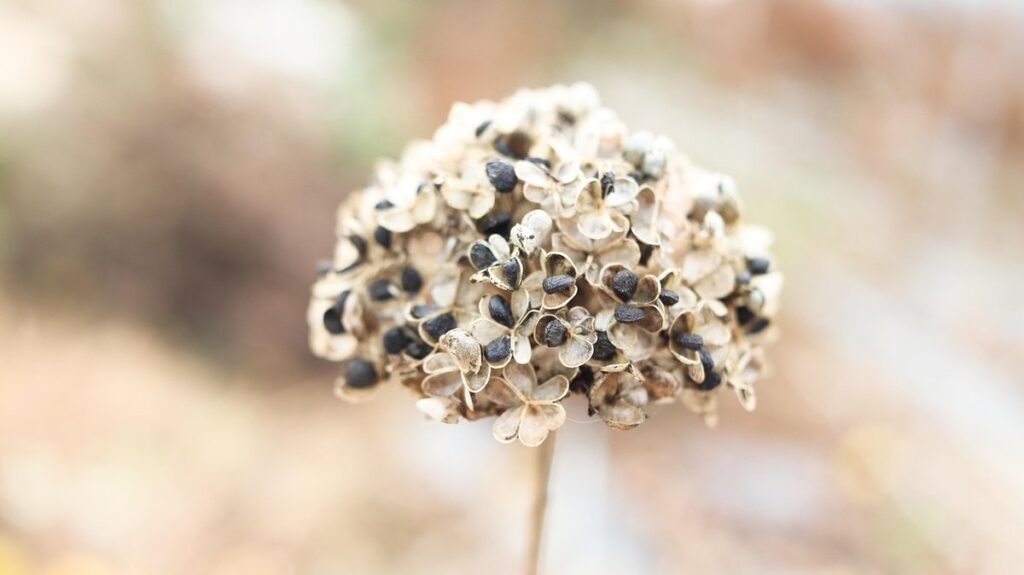
When onion seed crops are mature and ready for harvest, you’ll know it’s time to collect them. One of the most critical signs of maturity is when the seed heads turn a light brown color, and the seed pods begin to dry out and split open. This usually occurs about 90-120 days after sowing, depending on the variety and growing conditions.
Another sign of readiness is when you notice that the seed pods are bursting with seeds, and some may even be falling out onto the soil surface. You can check for this by gently tugging on a few seed pods – if they come off easily, it’s time to harvest. Harvesting onion seeds at the right stage ensures optimal yields.
A good rule of thumb is to harvest about 10-15% more seeds than you need, as some may be damaged or poor quality. Use scissors or a sharp knife to cut the seed heads from the plant, leaving a small piece of stem attached. Then, carefully remove the seeds from the pods and dry them further in a warm, dry place.
Keep an eye out for any signs of mold or mildew, which can spread quickly through the seed crop if not addressed promptly. Regular harvesting also encourages new growth and helps maintain plant health.
Drying and Storage Methods for Onion Seeds
Drying onion seeds properly is crucial to prevent mold and maintain their viability. To dry them, spread the seeds out in a single layer on paper towels or a clean cloth, allowing for good airflow. You can also use a desiccant like silica gel to absorb excess moisture. The ideal relative humidity (RH) for drying onion seeds is between 30-50%. This can be achieved by placing the drying area near an air conditioner or a dehumidifier.
Once dried, store the onion seeds in a cool, dry place with minimal light exposure. Airtight containers such as glass jars or plastic bags are ideal for storage. It’s essential to include silica gel packets inside the container to maintain the desired RH and absorb any remaining moisture. Label the containers with the seed variety and date of drying. Store them in a cupboard or drawer, ensuring they’re not exposed to direct sunlight or heat sources.
For long-term storage, consider using vacuum-sealed bags or containers that can be refrigerated at 40°F (4°C) or frozen at -20°F (-29°C). This will help preserve the seeds’ viability for up to five years. Remember to check on your stored onion seeds periodically and replenish the silica gel packets as needed to maintain a stable RH.
Long-Term Storage Options for Onion Seeds
When it comes to storing onion seeds for an extended period, maintaining their viability is crucial. You can use various long-term storage methods to keep your seeds fresh and ready to plant when you need them.
One effective method is vacuum sealing. This involves removing air from a container or bag containing the onion seeds, which prevents moisture and other contaminants from entering and spoiling the seeds. You can use a vacuum sealer machine or even just wrap the seeds in plastic wrap and remove as much air as possible before sealing it. For example, if you have a collection of heirloom onion varieties that you want to preserve for future generations, this method is perfect.
Another option is freezing. Onion seeds are sensitive to moisture, so it’s essential to dry them thoroughly before storing them in an airtight container or freezer bag. Remove as much moisture from the seeds as possible and place them in a single layer on a piece of paper towel. Once frozen, they can be stored for up to five years without any significant loss of viability.
You can also store onion seeds in silica gel packets or glass jars with desiccants to keep the environment dry. This method is ideal if you’re planning to store smaller quantities of seeds.
Troubleshooting Common Issues with Onion Seeds
When things don’t go as planned with your onion seeds, we’ve got you covered. This section addresses common issues and provides troubleshooting tips to get your crop back on track.
Addressing Seed Germination Problems
Onion seed germination problems can be frustrating, especially when you’ve carefully prepared your soil and provided optimal growing conditions. However, there are several common issues that can affect the success of your onion seeds.
Inadequate moisture is one major culprit. Onion seeds require consistent moisture to germinate, but overwatering or underwatering can both hinder this process. Make sure the top 1-2 inches of soil remain moist during the first few weeks after sowing. Check the soil daily and water lightly if necessary.
Poor soil quality is another common issue. Onions prefer well-draining, fertile soils with a pH between 6.0 and 7.0. If your soil lacks these characteristics, onion seeds may struggle to germinate. Test your soil before planting and amend it as needed.
Temperature extremes can also prevent onion seed germination. Most onion varieties require temperatures between 60°F (15°C) and 75°F (24°C) to germinate. Avoid planting in areas with frost or extreme heat.
When faced with these issues, try experimenting with different sowing methods, such as using seed starting trays or covering the soil with a clear plastic bag to maintain moisture and regulate temperature. By understanding and addressing these common problems, you can improve your chances of successful onion seed germination.
Overcoming Pests and Diseases Affecting Onion Seed Plants
As an onion seed grower, you’ll inevitably encounter pests and diseases that can harm your plants. Managing these issues effectively is crucial to ensuring a healthy and productive crop. Integrated Pest Management (IPM) strategies are a holistic approach to controlling pests and diseases, considering the entire ecosystem of your garden.
To implement IPM, start by monitoring your onion seed plants regularly for signs of infestation or disease. Look out for pests like aphids, whiteflies, and thrips, which can be managed using neem oil, insecticidal soap, or horticultural oil. For diseases, inspect your plants for yellowing leaves, black spots, or powdery mildew. Fungal diseases like onion downy mildew and botrytis can be controlled using copper-based fungicides.
Some practical tips include crop rotation to break disease cycles, practicing good sanitation by disposing of infected plant material, and maintaining a balanced ecosystem through composting and natural pest repellents. For example, garlic spray can deter aphids and other pests without harming beneficial insects. By adopting these IPM strategies, you’ll be able to overcome common pests and diseases affecting onion seed plants, ensuring a healthy and successful harvest.
Improving Onion Seed Yields and Quality
Optimizing growing conditions, crop rotation, and post-harvest handling are crucial for improving onion seed yields and quality. To start with, ensure that you’re providing your onion seeds with the right temperature, moisture, and light exposure. Most onion varieties require a period of cold stratification to break dormancy, so make sure your soil or seed starting mix has reached temperatures between 35°F and 45°F (2°C to 7°C) for 30-60 days.
Proper crop rotation is also vital in maintaining healthy onion seeds. Rotate your onion crops with other members of the Allium family like garlic, leeks, or chives to avoid depleting the soil’s nutrients and reducing disease susceptibility. A 3-year rotation cycle is recommended to maintain optimal soil health.
Post-harvest handling plays a significant role in preserving seed quality. Store seeds in a cool, dry place with minimal exposure to light. It’s essential to separate different onion varieties to prevent cross-pollination and contamination. Proper storage will help you retain the highest possible germination rates for future seasons.
Frequently Asked Questions
How do I store onion seeds for long-term use?
To ensure the viability of your onion seeds, it’s essential to store them properly. Store them in an airtight container in a cool, dry place away from direct sunlight. You can also consider freezing or refrigerating them for extended storage. Remember to label the containers with the date and type of onion seed.
Can I use onion seeds from store-bought onions?
While it’s possible to use onion seeds from store-bought onions, the results may vary. These seeds may be hybrid or treated with chemicals that can affect their germination rate or plant performance. For best results, consider purchasing high-quality onion seeds specifically designed for gardening.
How do I identify onion seedlings that are susceptible to pests?
Regularly inspect your onion seedlings for signs of pests like aphids, whiteflies, or thrips. Look for yellowing leaves, distorted growth, or actual insects on the plants. Use organic pest control methods whenever possible, and consider using row covers or fine mesh to prevent infestations.
Can I grow onions from onion seeds in containers?
Yes! Onion seeds can be grown in containers, making them an excellent choice for small spaces or indoor gardening. Choose a container that’s at least 6-8 inches deep and has good drainage holes. Use a well-draining potting mix and follow the same sowing and care instructions as for garden beds.
What are some common mistakes to avoid when planting onion seeds?
Some common mistakes include overwatering, which can lead to rot and poor germination; under-watering, which can cause stunted growth or reduced yields. Avoid overcrowding your seedlings, and ensure the soil is fertile and well-draining for optimal results.