
Raspberries are one of the most beloved fruits in the world, and for good reason. Not only do they taste amazing, but they’re also packed with health benefits and easy to grow at home. But did you know that there’s more to raspberries than just their sweet flavor? There are actually many different types of raspberries out there, each with its own unique characteristics, growing requirements, and nutritional advantages.
In this article, we’ll explore the various types of raspberries, including summer-bearing, fall-bearing, and specialty varieties. We’ll delve into their history, benefits, and growing conditions, so you can decide which type is best for your garden or taste buds. Whether you’re a seasoned gardener or just starting out, this comprehensive guide will give you all the information you need to get the most out of these delicious berries.
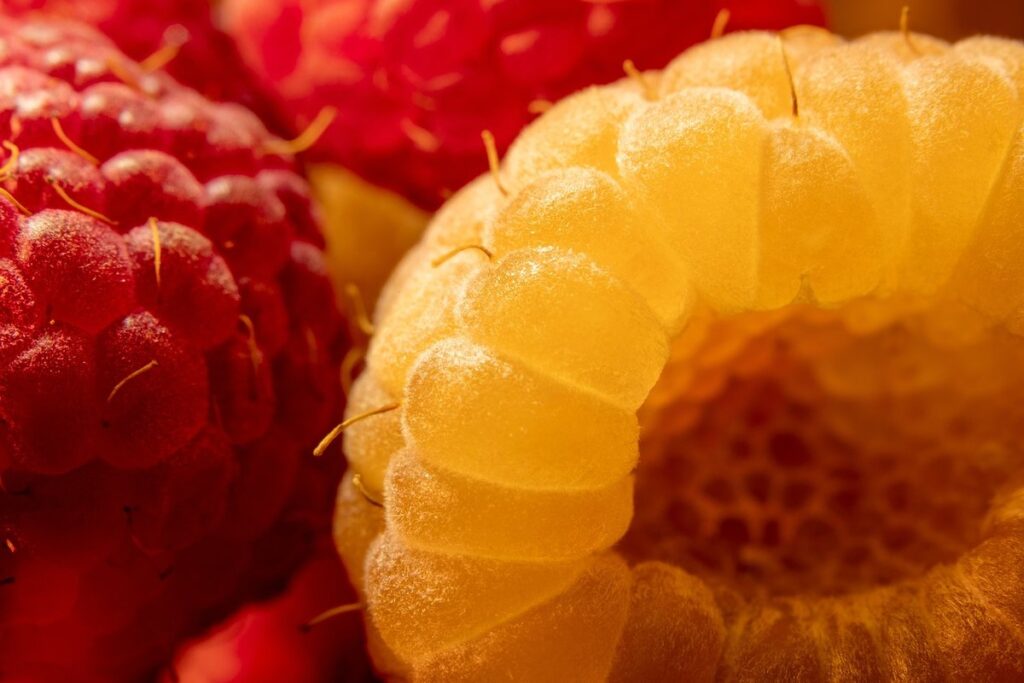
History and Origin of Raspberries
Let’s dive into where raspberries come from, shall we? We’ll explore their fascinating history and origin to appreciate these delicious berries even more.
Early Cultivation and Breeding
Raspberries have been a prized fruit for thousands of years, with their sweet-tart flavor and vibrant color making them a staple in ancient civilizations. The Greeks and Romans were known to cultivate raspberries, not only for their delicious taste but also for their medicinal properties. In fact, the Greek physician Hippocrates was said to have used raspberries to treat various ailments.
As we delve into the history of raspberry cultivation, it’s clear that these berries have been selectively bred over time to enhance their flavor, texture, and disease resistance. The process of early breeding involved careful observation and selection of desirable traits in wild raspberry populations. Farmers would identify plants with particularly large or sweet berries and propagate them through cuttings or layering.
This ancient approach laid the groundwork for modern raspberry breeding programs, which have resulted in the incredible diversity of raspberry varieties we see today. By understanding the roots of our favorite fruits, we can appreciate the dedication and expertise that has gone into creating these delicious treats.
Modern Developments in Raspberry Genetics
In recent years, modern technology has revolutionized the way raspberry genetics are developed. With advancements in DNA testing and gene editing, scientists can now identify specific traits and characteristics to create new varieties that are more resilient, disease-resistant, and nutritious.
One of the most significant developments is the use of Next-Generation Sequencing (NGS) technology, which allows researchers to map the entire genome of a raspberry plant in just a few weeks. This enables them to pinpoint genetic markers associated with desirable traits such as higher yield, better flavor, or increased disease tolerance. For instance, scientists at the University of Wisconsin-Madison have used NGS to develop a new variety of raspberry that is resistant to powdery mildew, a common fungal disease.
Gene editing tools like CRISPR/Cas9 have also opened up new possibilities for raspberry breeding. By making precise changes to a plant’s DNA, scientists can introduce desirable traits without introducing other unwanted characteristics. For example, researchers at Cornell University are using CRISPR to develop a variety of raspberry that is more tolerant of heat stress, which will allow farmers to grow the crop in warmer climates.
These advances have the potential to transform the way raspberries are grown and consumed. By developing new varieties with specific traits and characteristics, farmers can increase yields, reduce pesticide use, and provide consumers with healthier options. As a gardener or consumer, you may be interested in exploring these new developments and trying out some of the latest raspberry varieties that incorporate these advances.
Common Types of Raspberries
As you explore the world of raspberries, it’s essential to know about the different types that are out there, from sweet and tangy Summer-bearing varieties to the autumn-bearing types. Let’s dive into some of the most popular raspberry varieties!
Summer-Bearing Raspberries (Rubus idaeus)
Summer-bearing raspberries are one of the most popular and widely cultivated types of raspberries. These plants produce a single crop in mid to late summer, which is usually around June or July in the Northern Hemisphere. This type of raspberry is known for its high yields, with each plant producing 1-2 pounds of fruit per season.
One of the main benefits of summer-bearing raspberries is their ease of cultivation and maintenance. They are relatively hardy and can thrive in a variety of soil types and conditions, making them a great choice for gardeners of all skill levels. Additionally, summer-bearing raspberries tend to be more disease-resistant than other types, reducing the need for pesticides and other chemicals.
However, one drawback of summer-bearing raspberries is their limited production period. Since they only produce one crop per season, you’ll have to wait until next year’s harvest to enjoy fresh raspberries from your own garden. This can be a bummer if you’re hooked on fresh raspberry jam or baked goods! To make the most of your summer-bearing raspberries, consider planting multiple varieties with staggered harvest times to extend the fruiting season in your garden.
Fall-Bearing Raspberries (Rubus fruticosus)
Fall-bearing raspberries are a popular choice among gardeners due to their unique ability to produce two crops in one growing season. This dual harvest not only provides a longer window for enjoying fresh raspberries but also increases the overall yield of the plant. One crop emerges in mid-to-late summer, typically around July or August, and the second crop ripens in early fall, often between September and October.
One of the main advantages of fall-bearing raspberries is their adaptability to various growing conditions. They are more forgiving than other raspberry types when it comes to soil quality and moisture levels. However, this flexibility also means they require careful pruning to encourage a strong root system and promote healthy growth. To get the most out of your fall-bearing raspberries, make sure to prune them in late winter or early spring, removing any weak canes and cutting back the tips of the remaining ones.
This extra maintenance pays off in the long run, as fall-bearing raspberry plants are generally more disease-resistant than their summer-bearing counterparts. With proper care and pruning, you can enjoy two delicious crops of fresh raspberries from a single plant.
Specialty Types of Raspberries
Beyond the familiar summer-bearing and fall-bearing varieties, there are several specialty types of raspberries that offer unique characteristics and advantages. Let’s explore some of these special finds together!
Autumn Bliss Raspberries
If you’re looking for a raspberry variety that thrives in the cooler temperatures of fall, Autumn Bliss is an excellent choice. This popular fall-bearing variety has gained a loyal following among gardeners due to its impressive yields and natural disease resistance.
In terms of growth habits, Autumn Bliss raspberries are known for their compact and upright canes, which typically reach heights of around 3-4 feet. This makes them an ideal choice for smaller gardens or containers where space is limited. They also have a moderate growth rate, producing new canes each year that will eventually produce flowers and fruit.
One of the standout features of Autumn Bliss raspberries is their flavor profile. The berries are sweet-tart, with a hint of acidity that makes them perfect for snacking fresh, using in recipes, or preserving through jam-making and freezing. They also tend to retain their color and texture well when cooked, making them an excellent choice for adding to pies, tarts, and other baked goods.
Fall Gold Raspberries
Fall Gold is another exceptional fall-bearing variety that’s worth getting familiar with. One of its standout features is its extraordinary sweetness level, which is sure to please even the most discerning palates. The fruit size is also quite impressive, making it a great choice for those who love snacking on large berries.
To grow Fall Gold raspberries successfully, you’ll need to provide them with the right conditions. They prefer well-draining soil and full sun to partial shade. Make sure your soil has a pH between 5.5 and 6.5 for optimal growth. As for watering, keep the soil consistently moist but not waterlogged, especially during the first year after planting.
Fall Gold raspberries are also known for their hardiness and disease resistance, which makes them a great choice for gardeners who want low-maintenance plants. They’re relatively easy to care for and can thrive in a variety of climates, from cooler temperate regions to warmer zones with proper protection.
If you’re planning to grow Fall Gold raspberries, make sure to choose a location that gets at least six hours of direct sunlight per day. Also, keep an eye out for any signs of pests or diseases, and take action promptly if you notice anything unusual.
Hybrid and Cross-Bred Raspberry Varieties
If you’re looking for a twist on traditional raspberries, hybrid and cross-bred varieties offer exciting flavors and characteristics to explore. Let’s take a closer look at these unique options.
Sumo Raspberries
Sumo raspberries are a game-changer for home gardeners who want to enjoy a consistent supply of fresh raspberries throughout the summer and into the fall. As a hybrid of both summer- and fall-bearing varieties, Sumo raspberries combine the best traits of each type. They produce two crops per year: a primary crop in mid-to-late summer and a secondary crop in late August or early September.
One of the biggest advantages of growing Sumo raspberries is their adaptability to different soil types and climates. They are relatively low-maintenance, tolerating temperatures from 35°F to 85°F (2°C to 30°C) and preferring well-draining soil with a pH between 5.5 and 6.5.
When it comes to growing Sumo raspberries in your home garden, be sure to choose a location with full sun and provide support for the canes using a trellis or stake. Water them regularly, but avoid overwatering, which can lead to disease issues. With proper care, you’ll enjoy an abundance of delicious raspberries from mid-summer to early fall.
Autumn Treasure Raspberries
If you’re looking for a raspberry variety that checks all the boxes – exceptional flavor, disease resistance, and high yields – look no further than Autumn Treasure. This cross-bred variety has quickly gained popularity among gardeners due to its impressive attributes.
One of the standout features of Autumn Treasure is its intense, sweet-tart flavor profile. Raspberries are known for their delicate taste, but Autumn Treasure takes it up a notch with its rich and complex sweetness. Whether you’re snacking on fresh berries or incorporating them into your favorite recipes, this variety’s flavor will leave you wanting more.
In terms of growing conditions, Autumn Treasure is relatively easy to care for. It thrives in well-drained soil and full sun, making it an ideal choice for gardeners with a south-facing plot. With proper care, Autumn Treasure can produce two crops per season – one in summer and another in autumn, hence its name. This variety’s disease resistance also makes it a low-maintenance option for gardeners who want to minimize their time spent on pest management.
When planting Autumn Treasure, be sure to provide support for the canes as they grow. A simple trellis or stake will help keep them upright and encourage even fruiting.
Growing and Caring for Different Types of Raspberries
Now that you’ve chosen your favorite raspberry variety, let’s dive into the specifics of growing and caring for each type to ensure a bountiful harvest. From pruning to watering, we’ll cover it all.
Climate and Soil Requirements
When it comes to growing raspberries, understanding their climate and soil requirements is crucial for a bountiful harvest. Raspberries are typically hardy in USDA zones 4-8, but some varieties can tolerate cooler or warmer temperatures. If you live in an area with extreme weather conditions, choose varieties that are more adaptable.
When it comes to soil, raspberries prefer well-draining, slightly acidic soils with a pH between 5.5 and 6.5. They thrive in areas with full sun to partial shade, but be aware that intense sunlight can lead to disease issues like leaf spot and powdery mildew. Aim for at least six hours of direct sunlight per day.
If your soil lacks nutrients or has poor drainage, consider adding organic matter like compost or well-rotted manure. Mulch around the plants to retain moisture and suppress weeds. Keep in mind that raspberries have a shallow root system, so avoid compacting the soil when mulching or watering. This will help prevent waterlogging and promote healthy growth.
Some regions may experience frosts, which can damage or kill young raspberry plants. If this is a concern for you, consider providing protection with row covers or other frost management techniques. By understanding your climate and selecting varieties accordingly, you’ll be better equipped to grow delicious raspberries in your garden.
Pruning Techniques and Timing
Proper pruning is essential for maintaining healthy raspberry plants and encouraging optimal fruit production. The timing of pruning depends on the type of raspberries you’re growing. For summer-bearing varieties, prune in late winter to early spring, removing dead, diseased, or damaged canes. Cut back the remaining canes to about 3-4 feet tall.
For fall-bearing varieties, prune in late winter to early spring as well, but only remove any dead or damaged canes. Summer-bearing varieties produce a single crop of fruit on one-year-old canes, while fall-bearing varieties produce two crops: one in summer and another in fall. For autumn-flowering raspberries, pruning should be done immediately after harvesting.
To ensure proper growth, remove weak and spindly canes, as well as any that are growing inwards or outwards from the main plant. Leave only the strongest canes to produce fruit. When cutting back canes, make clean cuts just above a bud eye (a small swelling on the stem) to encourage new growth. Prune your raspberries regularly to maintain their shape and promote healthy production.
When pruning, wear gloves to protect yourself from thorns and make sure to disinfect your tools between each cut to prevent the spread of disease. By following these simple steps, you’ll be able to enjoy a bountiful harvest of delicious raspberries year after year.
Benefits and Uses of Raspberries
Raspberries are not only a delicious addition to your favorite recipes, but they also offer numerous health benefits when enjoyed fresh or incorporated into your diet. Let’s explore some of their practical uses and advantages.
Culinary Uses and Recipes
Raspberries are an incredibly versatile ingredient that can be used in a wide range of sweet and savory dishes. Whether you’re looking to create a dessert showstopper or add some extra flavor to a weeknight meal, raspberries have got you covered.
In the kitchen, raspberries work particularly well with ingredients like lemon, vanilla, and dark chocolate – think classic tart combinations, decadent cheesecakes, and indulgent truffles. They also pair beautifully with more savory flavors like prosciutto, mint, and balsamic glaze, making them a great addition to salads, pasta dishes, and even grilled meats.
Some of our favorite ways to use raspberries in the kitchen include adding fresh or frozen berries to smoothies and yogurts for an antioxidant boost, using raspberry jam as a topping for croissants and scones, and incorporating frozen berries into muffin and cake batters for added moisture and flavor. You can also try making your own raspberry sauce by pureeing fresh or frozen berries with a little sugar and lemon juice – it’s the perfect accompaniment to ice cream, pancakes, or waffles.
One of our favorite recipe ideas is to combine fresh raspberries with creamy mascarpone cheese and honey for a simple yet elegant dessert. Simply layer the ingredients in small glasses or parfait dishes and serve chilled. Another great idea is to toss fresh raspberries with mixed greens, crumbled goat cheese, and a balsamic vinaigrette for a refreshing summer salad.
Health Benefits and Nutritional Value
Raspberries are not only delicious, but they’re also packed with an impressive array of health benefits and nutritional value. One of the most significant advantages of raspberries is their exceptionally high antioxidant content. In fact, a single cup of fresh raspberries contains an astonishing 8 grams of antioxidants, which is one of the highest among all fruits. This means that regular consumption of raspberries can help protect your body against free radicals and oxidative stress.
The high antioxidant levels in raspberries have been linked to several potential health benefits, including reducing inflammation, improving cardiovascular health, and even showing promise in cancer prevention. Additionally, raspberries are an excellent source of dietary fiber, vitamin C, and manganese. A serving of raspberries provides about 40% of the daily recommended intake of vitamin C, making them an excellent choice for boosting immunity.
To reap the most benefits from your raspberry consumption, aim to eat a mix of fresh and frozen berries throughout the year. Frozen raspberries are just as nutritious as fresh ones and can be easily incorporated into smoothies, yogurt, or oatmeal.
Conclusion
In conclusion, exploring the wonderful world of raspberries has been an exciting journey. As you’ve discovered various types of raspberries, from the familiar summer-bearing varieties to the less common fall-bearing and autumn-blooming ones, it’s clear that each type offers something unique. Whether you’re a seasoned gardener or just starting out, understanding the characteristics of different raspberry types can help you make informed decisions when planting your own garden. Now that you have this knowledge, don’t be afraid to experiment with new varieties and see which one thrives in your climate and conditions. With the right care and attention, any type of raspberry can become a delicious and rewarding addition to your family’s table.
Frequently Asked Questions
How do I choose the best raspberry variety for my climate?
When selecting a raspberry variety, consider your local climate, soil type, and available space. Look for varieties that are resistant to heat or cold damage, depending on your region’s temperature fluctuations. Consult with a local nursery or extension office to determine the most suitable varieties for your area.
Can I grow raspberries in containers?
Yes, you can grow raspberries in containers! Choose a large container (at least 12 inches deep) with good drainage and well-draining potting mix. Be sure to provide support for the plants as they grow, using a trellis or stake. Keep in mind that raspberry roots prefer cooler temperatures, so container-grown plants may require more frequent watering.
How often should I water my raspberries?
Raspberries need consistent moisture, especially when fruiting. Water your raspberries regularly, providing about 1-2 inches of water per week. Avoid overwatering, which can lead to root rot and other issues. Check the soil daily during hot or dry spells, and adjust watering accordingly.
Can I grow multiple types of raspberries together?
Yes, you can grow multiple types of raspberries together! In fact, this is a common practice in permaculture and polyculture gardening. By growing different varieties side by side, you’ll create a diverse ecosystem that promotes healthy growth and reduces pests and diseases.
How do I store fresh raspberries to maintain their flavor and texture?
To keep fresh raspberries flavorful and textured, store them in the refrigerator at 32°F (0°C) or below. Wash and dry the berries just before storing, and separate them from other fruits and vegetables to prevent moisture transfer. Use within a few days for optimal taste and quality.