
If you’re looking forward to a bountiful harvest of juicy blackberries, proper pruning is key. But when it comes to prunning blackberries, timing and technique can make all the difference between a successful crop and one that’s left wanting. Whether you’re new to growing blackberries or looking for ways to optimize your yields, understanding how to prune these versatile fruit bushes effectively is crucial. In this comprehensive guide, we’ll walk you through everything you need to know about pruning blackberries – from when to start pruning to the best tools and techniques for different varieties. We’ll cover timing considerations, specific pruning methods, and tips for getting the most out of your blackberry harvest. With our expert advice, you’ll be well on your way to growing the perfect blackberries every time.
Choosing the Right Time to Prune
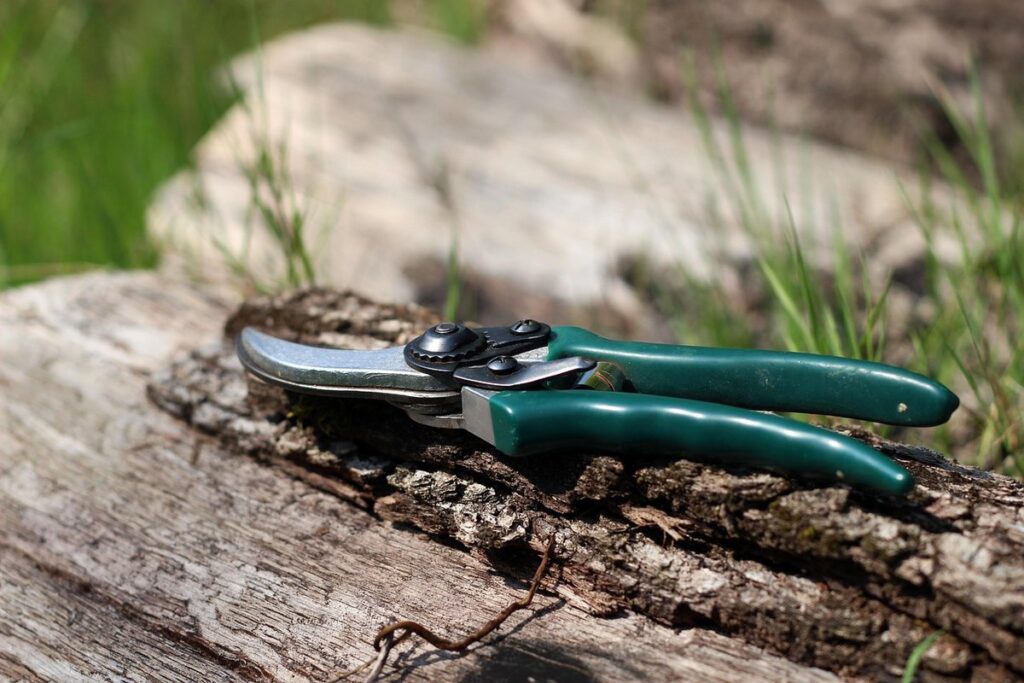
When it comes to pruning blackberries, timing is everything. Knowing when to prune your canes will help you avoid damaging your plant and promote healthy growth.
Before the Growing Season
Before pruning your blackberry plants, it’s essential to consider the timing of your efforts. Ideally, you’ll want to prune them right before the growing season kicks into high gear. This is usually around late winter or early spring, when the air temperature starts to rise above freezing and plant dormancy begins to break.
As a general rule, blackberry plants are most receptive to pruning during this period because their stems are still dormant, making it easier to shape them without causing damage. The temperature also plays a crucial role, as temperatures between 40°F (4°C) and 50°F (10°C) facilitate new growth while minimizing the risk of frost damage.
To determine if your blackberry plants are ready for pruning, inspect their stems. If they appear dry and brittle, it’s likely that winter has broken dormancy, and you can proceed with pruning. On the other hand, if the stems seem soft and pliable, wait a few more weeks until the weather stabilizes before pruning. This will help prevent unnecessary stress on your plants during their growth phase.
Assessing Plant Health
When pruning blackberry plants, it’s essential to assess their health before making any cuts. This will help you identify potential issues that may require special attention during the pruning process. Look for signs of plant stress or disease such as yellowing leaves, leaf drop, or unusual growth patterns.
One common issue in blackberries is crown gall disease, which can cause abnormal growths on the stem and roots. If you notice any unusual swellings or growths, it’s best to remove them during pruning. This will help prevent the spread of the disease and promote healthy growth.
Another thing to look for is nutrient deficiencies, such as yellowing leaves due to a lack of nitrogen or iron. Regular soil testing can help identify these issues and provide guidance on how to address them. Keep in mind that under-pruning can be just as detrimental as over-pruning, so it’s essential to strike the right balance.
Check your plants regularly for signs of pests like aphids, mites, or spiders. If you notice any, take action immediately to prevent damage and promote healthy growth. By assessing plant health before pruning, you’ll be able to tackle potential issues head-on and set your blackberries up for a bountiful harvest.
Pruning Tools and Techniques
To effectively prune blackberries, you’ll need the right tools for the job. We’ll walk you through our recommended pruning tools and techniques to get your bushes in top shape.
Selecting Pruning Equipment
When it comes to pruning blackberries, having the right equipment is essential for efficient and effective results. Let’s start with the basics: loppers, pruning saws, and gloves are the must-haves for any blackberry pruning project.
Loppers are perfect for cutting thicker branches up to 2 inches in diameter. Look for high-quality loppers with long handles for added leverage and comfort. Some popular options include bypass loppers, which cut through branches cleanly, or anvil loppers, which crush branches more efficiently. If you’re working with particularly thick stems, consider investing in a pair of heavy-duty loppers.
Pruning saws are ideal for cutting larger branches up to 4 inches in diameter. A good pruning saw should have a curved or angled blade for easy maneuvering and precise cuts. For example, the Silky Gomtaro saw is a popular choice among gardeners due to its sharpness and ergonomic design.
Gloves are also crucial when pruning blackberries. Look for gloves with grip patterns and padding on the palms and fingers to protect your hands from thorns and provide traction while working. Some popular options include gardening gloves made from durable materials like leather or synthetic fabrics.
Regular maintenance of your loppers, pruning saws, and gloves is essential for optimal performance. Keep your tools clean and dry after each use, store them in a secure location, and sharpen or replace blades as needed to ensure they continue to cut efficiently. By investing in the right equipment and maintaining it properly, you’ll be well on your way to becoming a blackberry pruning pro.
Basic Pruning Cuts
When pruning blackberry canes, it’s essential to make effective cuts that promote healthy growth and encourage fruit production. Reducing height is a crucial part of this process, as it helps maintain the plant’s overall structure and prevents disease from entering through damaged tissue.
To reduce height, cut the cane at a 45-degree angle, just above a bud eye (the small swelling on the stem where new growth emerges). This type of cut encourages the cane to grow outwards, rather than upwards. For example, if you’re pruning a cane that’s grown too tall, trim it back to about two-thirds of its original height.
Removing dead or diseased wood is also critical when pruning blackberries. Make clean cuts just above a healthy bud eye, using sharp, sterile tools to prevent the spread of disease. Be sure to disinfect your tools between cuts to minimize the risk of infection.
Step-by-Step Pruning Instructions
Now that you’ve learned the when and why of pruning blackberries, let’s dive into the step-by-step process to get your bushes thriving. Follow these easy-to-follow instructions for perfect results.
Removing Dead, Diseased, or Dying Canes
When pruning blackberry canes, it’s essential to remove those that are no longer productive or healthy. This process not only improves air circulation and sunlight penetration but also reduces the risk of disease spread.
To identify dead, diseased, or dying canes, look for signs such as grayish or brownish discoloration, cracks, or splits in the cane’s bark. These visual cues often indicate that the cane is no longer viable and should be removed to prevent further damage to the plant. You may also notice a decrease in leaf density or a general decline in the cane’s overall appearance.
To safely remove these canes, use sharp pruning shears or loppers, cutting just above a bud eye (the small swelling on the stem from which new growth emerges). Make clean cuts at a 45-degree angle to promote healthy callusing and prevent water from collecting. Be sure to disinfect your tools between cuts to avoid spreading disease.
After removal, dispose of debris in a designated area or compost pile to prevent the spread of diseases and pests. Cleaning up this debris promptly will help maintain a healthy environment for your blackberry plant.
Reducing Height and Promoting Air Circulation
When pruning blackberry bushes, it’s essential to reduce their height while promoting air circulation. This may seem counterintuitive, as you might be tempted to let the canes grow freely to maximize fruit production. However, a more compact and balanced plant is less prone to disease and supports even growth.
To reduce height, cut back the tallest canes to about 12-18 inches from the ground. You’re not cutting them off entirely; just shortening their length to encourage branching and prevent weak, spindly growth. For example, a 6-foot cane can be shortened to about two feet in one season.
By reducing height, you’ll create space for air to circulate between the canes. This is crucial in preventing fungal diseases like crown gall and botrytis, which thrive in humid environments. To further promote air circulation, remove any dead, diseased, or damaged wood, as well as any crossing or rubbing branches.
By implementing these pruning techniques, you’ll be creating a healthier and more productive blackberry plant that’s better equipped to handle the rigors of growing season.
Pruning for Different Blackberry Varieties
When it comes to pruning blackberries, you’ll want to tailor your approach to the specific variety of plant you’re working with. This means understanding how each type responds to different pruning techniques and schedules.
Thornless and Semi-Evergreen Varieties
When it comes to pruning thornless and semi-evergreen blackberry varieties, you’ll want to take a more delicate approach. These types of blackberries have characteristics that are worth preserving, but require special consideration during the pruning process.
Thornless blackberries, as their name suggests, don’t produce prickly canes, making them ideal for gardeners who prefer a thorn-free experience. To maintain their thornless trait, prune these plants to encourage new growth from the tips of the canes. Remove any dead or damaged wood, and thin out the plant to allow air and sunlight to reach all areas.
Semi-evergreen blackberries, on the other hand, retain some of their foliage year-round. Prune them in late winter or early spring, removing any dead or damaged wood, and cutting back canes that have produced fruit in previous seasons. This will help maintain the plant’s evergreen characteristics while promoting new growth.
Keep in mind that over-pruning can cause these varieties to produce thorns, so be gentle when pruning their delicate canes. Regular maintenance will help preserve their unique traits, ensuring you enjoy a bountiful harvest of delicious blackberries for years to come.
Erect and Trailing Varieties
When it comes to pruning blackberry varieties, understanding their growth habits and needs is crucial for optimal fruit production. Erect and trailing varieties are two distinct types that require different pruning approaches.
Erect blackberries are compact plants that grow up to 3 feet tall. They produce canes that grow from the base of the plant, making them perfect for container gardens or small spaces. To promote healthy growth and encourage new canes to form, prune erect blackberry varieties by removing any weak or dead canes in late winter or early spring. Cut back about a third of the oldest canes to about 5 feet tall, just above a bud eye. This will help control height and direct energy towards fruit production.
Trailing blackberries are more vigorous and produce long canes that require support. They spread out horizontally, making them ideal for large spaces or trellises. To prune trailing varieties, remove any weak or damaged canes in late winter or early spring. Cut back the tip of new growth to about 6 inches above a bud eye, encouraging lateral branching and more fruiting wood. Regularly tipping the tips of canes will also help promote bushy growth and increase yields.
Common Mistakes to Avoid
To prune blackberries effectively, it’s crucial to steer clear of common mistakes that can lead to reduced yields, disease, and even plant death. In the following section, we’ll cover some key errors to watch out for.
Incorrect Timing or Frequency
Pruning blackberry bushes at the wrong time can lead to reduced yields and even damage the plant. One common mistake is pruning too early in the season, when buds are still dormant. This can cause new growth to be delayed or even killed off by late frosts. On the other hand, pruning too late in the season can result in an overabundance of new shoots that may not have enough time to ripen before winter.
Aim to prune your blackberry bushes in late winter or early spring, when they are still dormant but buds are beginning to swell. This allows for healthy growth and fruiting throughout the summer months. It’s also essential to maintain a consistent pruning schedule each year. Prune one-third of the canes every 2-3 years to promote new growth and prevent disease.
To avoid confusion, it’s best to mark your pruning schedule on a calendar or planner. This will ensure that you don’t forget to prune your blackberry bushes at the same time each year.
Insufficient or Inadequate Pruning
Insufficient or inadequate pruning can have serious consequences for your blackberry plants. One of the most significant effects is a reduction in fruit production. When the plant’s growth becomes too dense and unpruned, it can lead to overcrowding, which blocks sunlight from reaching the fruiting branches. As a result, the plant will put more energy into producing foliage rather than fruit, resulting in lower yields.
Another consequence of inadequate pruning is increased susceptibility to disease. When the plant’s canopy is dense, moisture and heat become trapped, creating an ideal environment for fungal diseases like crown rot and cane blight to thrive. Regular pruning helps to improve air circulation, reducing the risk of these diseases taking hold.
To avoid this issue, it’s essential to prune your blackberry plants regularly, removing at least one-third to one-half of the new growth each year. This will help maintain a balanced structure, promote healthy growth, and reduce disease susceptibility.
Maintenance and Follow-Up Care
After pruning your blackberry bush, it’s essential to maintain its health through regular care and follow-up pruning sessions to ensure optimal growth and productivity. This section covers the steps you need to take to keep your bush thriving.
Regular Monitoring
After you’ve completed pruning your blackberry bushes, it’s essential to keep a close eye on them for any signs of stress or disease. Regular monitoring is crucial during this time as the plants are more vulnerable to infection and pests.
Check your plants daily for the first week after pruning, looking out for any unusual growth patterns, discoloration, or pest infestations. Be aware of changes in leaf color, as blackberry leaves can turn yellow or brown if the plant is under stress due to disease or nutrient deficiencies.
Some signs that may indicate a need for additional care or attention include:
• Holes in leaves: These could be caused by aphids, mites, or other pests.
• Soft, mushy spots on stems: This could be a sign of fungal diseases like crown rot or cane blight.
• White, cotton-like growths on stems: These are often indicative of powdery mildew.
If you notice any of these signs, take action promptly by spraying the affected areas with a fungicide or insecticide specifically designed for fruiting plants. Make sure to follow the product instructions carefully and consider consulting with a local gardening expert if you’re unsure about the best course of treatment.
Post-Pruning Tips and Tricks
After pruning your blackberry plants, it’s essential to provide them with proper care throughout the growing season. Mulching is a simple yet effective way to retain moisture and suppress weeds around your plants. Apply a 2-3 inch layer of organic mulch, such as wood chips or straw, around the base of each plant. This will also help regulate soil temperature and prevent damage from extreme temperatures.
Watering is another critical aspect of blackberry maintenance. Make sure to provide consistent moisture, especially during the first year after pruning. Aim for about 1 inch of water per week, either through rainfall or irrigation. Avoid overwatering, as this can lead to root rot and other issues.
Fertilizing is also crucial for healthy growth. Opt for a balanced fertilizer with an N-P-K ratio of 10-10-10, applied in early spring and again after fruiting. Be cautious not to overfertilize, as this can promote excessive vegetative growth at the expense of fruit production.
Frequently Asked Questions
Can I prune blackberries in the fall instead of early spring?
Yes, you can also prune your blackberry plants in the fall, but it’s essential to wait until after the harvest season has ended and new growth has slowed down. Pruning during this time helps control disease spread and prepares the plant for winter.
What if I missed the ideal pruning time? Should I still prune my blackberries?
Yes, while timing is crucial, it’s not a make-or-break situation. If you’ve missed the optimal pruning window, still proceed with pruning to promote healthy growth. Keep in mind that your plant might take some time to recover from any mistakes.
How can I tell if I’m over-pruning my blackberry plants?
Over-pruning occurs when more than 25% of the plant’s stem is removed. This can lead to reduced fruit production and increased susceptibility to disease. To avoid over-pruning, assess your plant regularly during growth periods and make informed pruning decisions based on its specific needs.
Should I remove all dead or diseased canes immediately after pruning?
While removing dead or diseased canes is crucial for maintaining a healthy blackberry plant, it’s essential to do so in the dormant season (winter) rather than immediately after pruning. This allows your plant to focus energy on new growth and healing without worrying about immediate threats.
Can I use the same pruning techniques for both thornless and semi-evergreen varieties?
While some pruning principles apply universally across blackberry types, there are specific considerations for each variety. Thornless and semi-evergreen varieties might require more frequent maintenance or specialized care due to their unique characteristics, so be sure to research the best practices for your specific plant type.