
If you’re a homeowner looking to create a beautiful outdoor space that’s also eco-friendly, you’re in the right place. Xeriscaping has become increasingly popular over the years due to its water-saving benefits and visually appealing design. But what if I told you there’s an even better way to achieve this look? By incorporating perennials into your xeriscape garden, you can enjoy stunning blooms year after year without breaking the bank (or the planet). Not only do perennials thrive in dry conditions, but they also require less maintenance than annuals and add a pop of color that will leave your neighbors green with envy. In this article, we’ll explore the world of perennials for xeriscape gardens and provide you with expert tips on how to create a low-maintenance oasis that reduces water waste and enhances your outdoor space’s beauty.
Understanding Xeriscaping and Its Benefits
Xeriscape gardening is all about creating stunning landscapes without breaking the bank on water bills, and it’s easier than you think to get started. In this section, we’ll break down the basics of xeriscaping and its many benefits.
What is Xeriscaping?
Xeriscaping is an innovative approach to gardening that’s gaining popularity worldwide due to its water-saving benefits. Its origins date back to 1972 when the City of Denver Water department launched a campaign to promote water-efficient landscaping practices, known as “Low Water Gardening.” This initiative was a response to the severe drought in the region at that time.
The term “xeriscaping” is derived from the Greek word ‘xeros,’ meaning dry. As its name suggests, xeriscaping focuses on using plants and design techniques that require minimal watering, making it an ideal choice for water-conscious gardeners. By adopting this approach, you can create a stunning landscape that’s not only beautiful but also environmentally friendly.
Xeriscaping has become increasingly popular in regions with limited water resources, such as the American Southwest, where droughts are common. However, its benefits extend beyond just water efficiency – it also reduces maintenance needs and promotes biodiversity by using native plants.
Key Principles of Xeriscaping
When it comes to creating a thriving xeriscape garden, understanding and applying its key principles is crucial. Efficient irrigation systems are one of the most critical components. This doesn’t mean you have to install complex automated systems; even simple drip irrigation or soaker hoses can make a huge difference in reducing water waste.
Smart plant selection is another vital principle. Choose perennials that are native to your region and require minimal watering, such as drought-tolerant sedums or grasses like blue oat grass. When selecting plants, consider their mature size to ensure they won’t overcrowd the area and compete for resources. Proper soil preparation is also essential: incorporate organic matter like compost to improve water retention and reduce erosion.
To make your xeriscape garden even more efficient, use mulch to retain moisture and suppress weeds. Mulching around plants helps to prevent soil temperature fluctuations, which can stress plants further during hot summer days. By applying these key principles, you’ll be well on your way to creating a beautiful and water-efficient perennial xeriscape garden that requires minimal maintenance and care.
Choosing Perennials for Xeriscape Gardens
When selecting perennials for your xeriscape garden, it’s essential to choose plants that thrive in low-water conditions and require minimal maintenance. Let’s explore some beautiful options to consider.
Considerations for Selecting Perennials
When selecting perennials for your xeriscape garden, it’s essential to consider several factors to ensure they thrive with minimal watering. Drought tolerance is a top priority, as xeriscapes rely on efficient water use. Look for plants like succulents, sedums, and yuccas that can survive with minimal moisture. However, also choose perennials that have a moderate growth habit, such as daylilies or coneflowers, which won’t require frequent pruning.
Maintenance requirements are another crucial consideration. Select perennials that require less maintenance, like ornamental grasses or Russian sage, which need infrequent watering and pruning. Avoid plants with high maintenance needs, like delphiniums or peonies, unless you’re willing to commit time and resources to caring for them. Additionally, consider the mature size of each perennial to ensure it fits within your designated xeriscape bed. By carefully evaluating these factors, you can create a stunning and sustainable xeriscape garden that requires minimal watering while still providing beauty and interest throughout the seasons.
Popular Perennials for Xeriscape Gardens
When it comes to creating stunning xeriscape gardens that thrive with minimal watering, popular perennial plants are the perfect choice. Among them, succulents and grasses take center stage due to their water-hoarding abilities.
Some of the most sought-after succulent perennials include the iconic Echeveria, Sedum, and Agave species. These versatile plants come in a range of shapes, sizes, and colors, making it easy to incorporate them into any garden design. For example, the elegant Echeveria ‘Perle von Nürnberg’ boasts striking silver-blue leaves that add an air of sophistication.
Grasses like Blue Oat Grass (Helictotrichon sempervirens) and Pampas Grass (Cortaderia selloana) provide a naturalistic backdrop while requiring minimal watering. These ornamental grasses can grow quite tall, adding movement and texture to the landscape. For flowering shrubs, opt for drought-tolerant options like Lavender (Lavandula spp.) or Rosemary (Rosmarinus officinalis), which not only produce vibrant blooms but also attract pollinators.
To maximize their beauty in xeriscape gardens, plant these perennials in clusters to create visually appealing groupings. Be sure to choose plants that complement each other in terms of texture and color for a harmonious display of water-efficient loveliness.
Designing Your Xeriscape Garden with Perennials
Now that you’ve chosen your perennials, let’s dive into designing a beautiful xeriscape garden around them. This section will cover key tips for arranging and maintaining healthy, low-maintenance growth.
Creating a Focal Point with Perennials
When it comes to creating visual interest and depth in your xeriscape garden, perennials can be used as powerful focal points. A focal point is an eye-catching feature that draws the viewer’s attention and creates a sense of drama or interest. In a xeriscape garden, you can use perennials to create a stunning focal point by choosing statement plants with unique textures, colors, or shapes.
For example, consider using a large perennial like a yucca or agave plant as the centerpiece of your garden bed. These plants have striking foliage and stems that add visual interest from afar. You can also use smaller perennials like sedums or coneflowers to create a focal point by massing them together in a specific area.
To arrange your perennials for maximum visual impact, try creating a triangular shape with the tallest plants at the back and gradually decreasing in height towards the front of the bed. This will create depth and add visual interest from multiple angles. By using perennials as focal points, you can create a beautiful and dynamic xeriscape garden that’s both water-efficient and visually stunning.
Incorporating Color and Texture with Perennials
Incorporating color and texture into your xeriscape garden is easier than you think. By mixing different types of perennials and arranging them thoughtfully, you can create a visually stunning and water-efficient space.
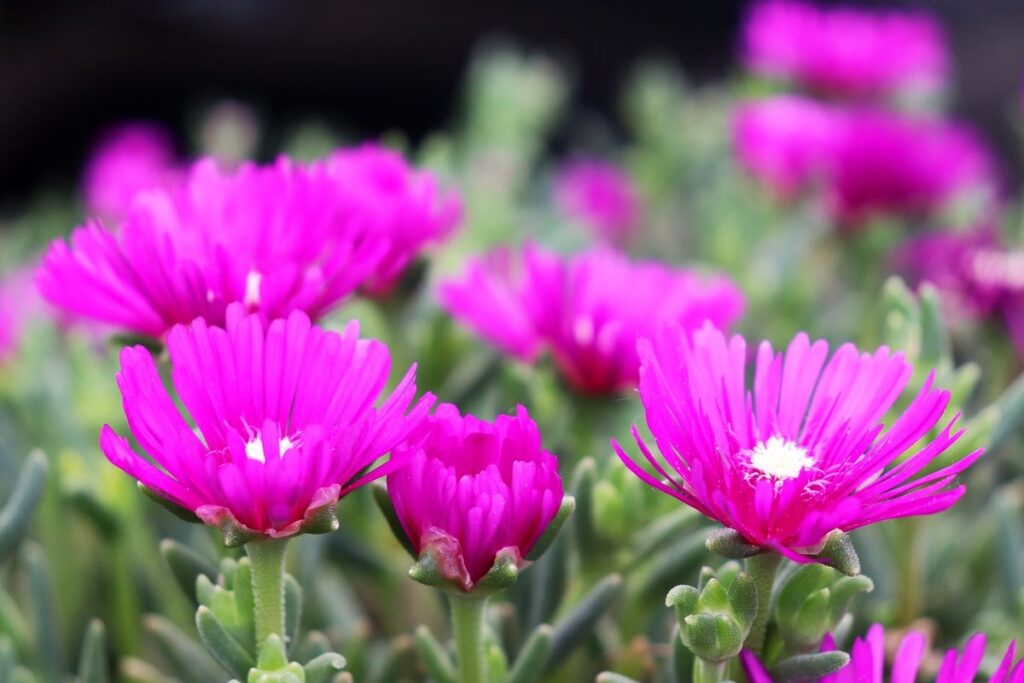
One way to achieve this is by combining plants with varying foliage textures. For example, pair a smooth-leaved succulent like Echeveria with a fuzzy-leaved plant like Lampranthus. This contrast will add depth and visual interest to your garden.
Don’t be afraid to experiment with different heights and arrangements either. Plant tall perennials like Yucca or Agave behind shorter ones, creating a layered look that draws the eye through the space. You can also create a sense of movement by planting loose clusters of grass-like perennials like Pennisetum or Stipa.
Remember, the key is to have fun and be flexible. Try out different combinations and see what works best for your specific climate and soil conditions. With a little creativity, you’ll be able to incorporate a wide range of colors and textures into your xeriscape garden using perennials.
Maintaining Your Xeriscape Garden with Perennials
Now that you’ve selected your perfect perennials, let’s dive into the next crucial step: learning how to maintain their health and beauty in a xeriscape garden. Proper care will ensure they thrive for years to come.
Watering Strategies for Xeriscape Gardens
When it comes to maintaining your xeriscape garden with perennials, watering strategies play a crucial role. Since these gardens are designed to be drought-tolerant, it’s essential to water wisely to avoid wasting this precious resource.
One of the most effective ways to collect and utilize rainwater is through rainwater harvesting systems. These systems allow you to collect and store rainwater for later use in your garden. Not only does this reduce your reliance on municipal water supplies, but it also helps minimize stormwater runoff. Consider installing a rain barrel or cistern under your downspout to collect rainwater.
In addition to rainwater harvesting, efficient irrigation systems are a must-have for xeriscape gardens. Drip irrigation and soaker hoses are excellent options as they deliver water directly to the roots of plants, reducing evaporation and runoff. These systems can be automated or manual, allowing you to customize your watering schedule based on plant needs.
It’s also essential to monitor soil moisture levels regularly by inserting a finger into the soil up to the knuckle. This will give you an idea of when it’s time to water your perennials. By implementing these watering strategies, you’ll be able to keep your xeriscape garden lush and beautiful while conserving precious water resources.
Mulching and Fertilizing Tips for Perennial Plants
When it comes to maintaining perennials in a xeriscape garden, mulching and fertilizing are crucial steps that promote healthy growth while conserving water. Mulch acts as a barrier, preventing moisture loss from the soil, but be sure to keep it at least 3 inches away from plant stems to avoid suffocation. Organic materials like wood chips or bark work well, while avoiding cocoa hulls, which can acidify the soil.
Fertilizing perennials in xeriscape gardens requires careful consideration of soil type and plant requirements. Choose slow-release fertilizers that release nutrients gradually over time, reducing the need for frequent applications. A general rule of thumb is to apply 1-2 pounds of fertilizer per 100 square feet of garden bed. Consider testing your soil pH before adding any fertilizer to avoid introducing unwanted alkalinity or acidity.
To optimize water efficiency, consider composting and incorporating nutrient-rich amendments into your soil. This approach encourages deep root growth, allowing plants to tap into underground water sources more effectively. Monitor plant responses closely, adjusting your fertilization strategy as needed based on observed changes in growth and health.
Troubleshooting Common Xeriscape Garden Issues
We know that even with careful planning, issues can arise in your xeriscape garden. Let’s address some common problems and find solutions to get your water-efficient oasis back on track.
Dealing with Pests and Diseases in Xeriscape Gardens
Dealing with pests and diseases is an inevitable part of gardening, but it’s even more crucial when growing perennials in xeriscape gardens. Xeric plants are adapted to dry conditions, but they can still be susceptible to pests and diseases that thrive in these environments.
Some common pests you may encounter include spider mites, aphids, and whiteflies, which feed on plant sap and can weaken the plant’s defenses. To prevent infestations, keep your garden clean by removing weeds and debris, and avoid overwatering, which can attract pests. For existing infestations, use neem oil or insecticidal soap to control the population.
Diseases such as powdery mildew, root rot, and leaf spot are also common in xeriscape gardens. These often result from overwatering or poor air circulation. To prevent fungal diseases, ensure good drainage, prune plants regularly, and use a fungicide if necessary.
Monitor your plants closely for signs of pests or disease, and take action promptly to avoid spreading the problem to other areas of the garden. With regular maintenance and quick intervention, you can keep your xeriscape perennials healthy and thriving.
Addressing Soil Erosion and Other Maintenance Concerns
Soil erosion and other maintenance concerns can be major issues for xeriscape gardeners. To tackle these problems, start by assessing your soil type and structure. Xeriscapes often feature shallow soils, making them prone to erosion. Implement a solution like mulching or adding organic matter like compost to improve soil retention.
Regularly inspect your plants for signs of nutrient deficiencies. In xeriscape gardens, native perennials typically thrive in poor soil conditions but may still benefit from occasional fertilization. Use slow-release, water-soluble fertilizers that won’t harm the environment.
Soil compaction is another issue to consider. Xeriscapes often feature gravel or decomposed granite pathways that can compact the surrounding soil. To counter this, introduce plants with deep taproots like succulents or shrubs, which can break up compacted soil over time. Additionally, avoid heavy foot traffic in these areas.
For particularly problematic spots, incorporate amendments like sand or perlite to enhance drainage and aeration. Keep an eye on local water tables and weather patterns, adjusting your maintenance schedule accordingly to ensure the health of both plants and soil. By being proactive about these concerns, you can keep your xeriscape garden thriving and beautiful for years to come.
Conclusion: Embracing the Beauty of Xeriscaping with Perennials
As we conclude our guide to perennials for xeriscape gardens, it’s time to reflect on the beauty and benefits of embracing this water-efficient approach. By incorporating perennials into your xeriscape design, you’re not only reducing your water consumption but also creating a stunning, low-maintenance landscape that requires minimal upkeep. Remember, the key to successful xeriscaping with perennials is to choose plants that are drought-tolerant and adapted to your local climate. With a little planning and research, you can create a breathtaking garden that’s as beautiful as it is eco-friendly.
Take inspiration from nature and let your xeriscape evolve over time – like a natural desert landscape, where plants grow in harmony with each other and the environment. By embracing this approach, you’ll not only save water but also promote biodiversity and reduce your carbon footprint. With the right perennials in place, your xeriscape garden will be a haven for wildlife, providing food and shelter for local birds, bees, and butterflies.
Frequently Asked Questions
What’s the best way to introduce perennials into an existing xeriscape garden?
If you’re already established with a xeriscape garden, it’s possible to incorporate perennials over time. Start by identifying areas where you’d like to see more blooms and choose low-maintenance perennials that thrive in your climate. Gradually replace less desirable plants or add new ones around the existing landscape.
Can I use perennials in a shaded area of my xeriscape garden?
Yes, many perennial species can tolerate partial shade. When selecting perennials for shaded areas, look for varieties with deep roots to access water deeper in the soil and choose plants that require less sunlight.
How do I ensure proper drainage for my perennials?
To prevent waterlogged soil and root rot, ensure your xeriscape garden has a well-designed irrigation system. Install French drains or create swales to direct excess water away from your plants’ roots. Mulch around the base of your perennials to help retain moisture while reducing erosion.
Can I propagate my own perennials to save money?
Yes, many perennial species can be propagated through division, cuttings, or seed collection. Research specific propagation methods for your chosen perennials and follow proper techniques to ensure healthy new plants.
What are some common pests and diseases that affect xeriscape gardens with perennials?
Common issues include aphids, whiteflies, and spider mites due to increased water efficiency in xeriscaping. Regularly inspect your plants for signs of infestation or disease, and implement integrated pest management strategies, such as introducing beneficial insects or using organic pesticides when necessary.