
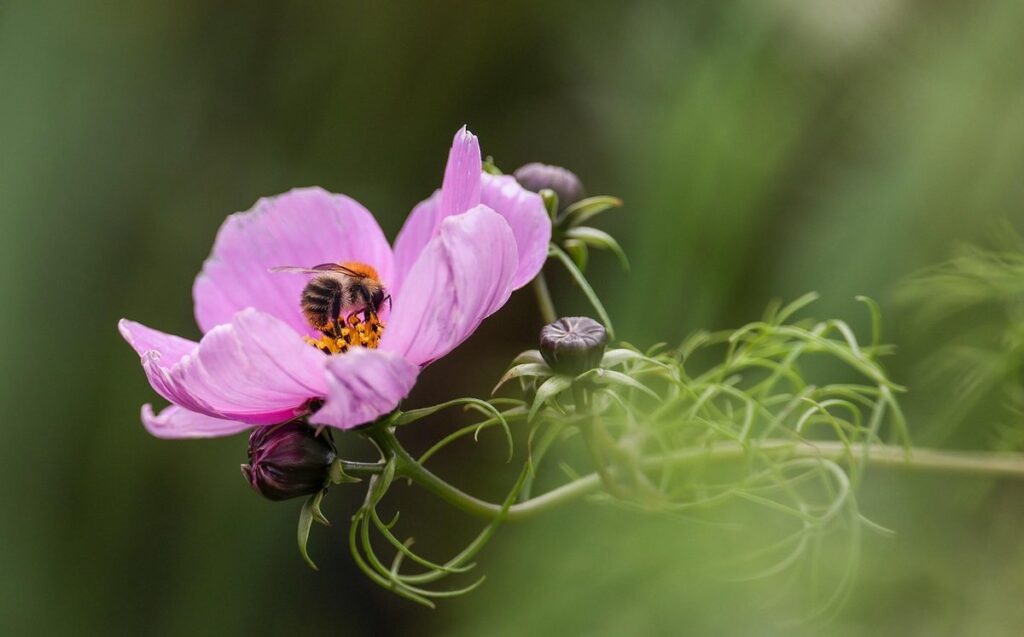
As you tend to your garden, have you ever stopped to think about who else is enjoying the fruits of your labor? Bees, butterflies, and other beneficial insects are essential for pollinating plants, but their populations are in decline. This is where perennials come into play – these hardy flowers can provide a consistent source of nectar and pollen for pollinators throughout the seasons. By choosing the right perennials for your garden, you can create a haven for these vital creatures. In this article, we’ll explore how to select and care for perennials that will attract bees, butterflies, and other pollinators, including tips on plant selection, design, and maintenance. With these simple steps, you can make a real difference in supporting the health of your local ecosystem.
Section 1: Choosing the Right Perennials
When selecting perennials for your pollinator garden, you’ll want to choose plants that are not only beautiful but also provide a rich source of nectar and pollen. This section will guide you through the process of making informed choices.
Selecting Pollinator-Friendly Plants
When selecting plants for your pollinator garden, it’s essential to choose species that are native to your region. Research has shown that native plants have a significant impact on local ecosystems and support biodiversity (1). They require less maintenance, produce more nectar and pollen, and attract a wider variety of pollinators compared to non-native plants.
In areas with hot summers and mild winters, consider perennials like Bee Balm (Monarda didyma) and Blazing Star (Liatris spp.), which are drought-tolerant and attract long-tongued bees. For cooler climates, opt for plants like Columbine (Aquilegia spp.) and Coral Bells (Heuchera spp.), which thrive in partial shade.
When selecting perennials, ensure they’re suitable for your specific climate zone and soil type. You can also consult with local nurseries or gardening experts to determine the best pollinator-friendly plants for your area. By choosing native species that attract pollinators, you’ll create a thriving ecosystem that supports the health of both your garden and local wildlife.
Remember to choose plants that have multiple bloom periods throughout the growing season to provide a constant source of nectar and pollen. This will keep pollinators visiting your garden all summer long.
Understanding Plant Labeling and Certification
When selecting perennials for your pollinator garden, it’s essential to understand the different labeling systems and certifications that ensure these plants are effective in supporting local bee and butterfly populations. One such label is “Bee Friendly,” which indicates that a plant has been certified by the Xerces Society as providing pollen or nectar to bees. The Pollinator-Friendly label, on the other hand, is offered by the National Wildlife Federation and highlights plants that offer habitat and resources for pollinators.
Another important certification is Monarch Watch, which recognizes plants that provide host plants for monarch butterfly caterpillars. For instance, milkweed (Asclepias spp.) is a crucial plant for monarchs as it serves as their only food source during the larval stage. By choosing plants with these labels and certifications, you can be confident in your selection’s ability to support local pollinators.
To integrate these labeled plants into your garden design, consider dedicating specific areas to native wildflowers or herbs that cater to pollinator needs. This will not only create a welcoming environment for bees and butterflies but also provide a natural haven for them to thrive.
Section 2: Perennial Types for Pollinators
When choosing perennials for your pollinator garden, consider a mix of plants that provide nectar and pollen throughout different seasons to support these busy friends. Here, we’ll explore some top picks for perennial types that are perfect for pollinators.
Flowers That Attract Bees
When it comes to creating a pollinator garden, selecting flowers that are rich in nectar and pollen is crucial. This is where plants like lavender (Lavandula spp.), coneflower (Echinacea spp.), and black-eyed Susan (Rudbeckia hirta) come into play.
These flowers are not only beautiful additions to your garden but also provide essential sustenance for bees. Lavender, in particular, is a bee favorite due to its high nectar content and fragrance. The delicate purple blooms of coneflower attract a variety of pollinators, including honeybees, butterflies, and even hummingbirds. Black-eyed Susan’s bright yellow petals are rich in pollen, making it an ideal choice for bees seeking protein-rich food sources.
Incorporating these flowers into your garden is simple: plant them in clusters to maximize nectar and pollen production, and consider planting a mix of early-season bloomers like coneflower alongside late-bloomers like lavender. This will provide a constant source of sustenance for pollinators throughout the growing season. By doing so, you’ll be creating a haven that supports the health and well-being of local bee populations, which is essential for maintaining biodiversity in your community.
Plants That Support Butterfly Life Cycles
Butterfly gardens are not just a sight to behold; they’re also crucial for supporting these beautiful creatures’ life cycles. To create a haven for butterflies, it’s essential to incorporate plants that cater to their specific needs at different stages of development.
Butterflies need two types of plants: host plants and nectar sources. Host plants provide the food necessary for caterpillars to grow, while nectar-rich flowers offer fuel for adult butterflies’ flight and reproduction. A prime example is milkweed (Asclepias spp.), which serves as a host plant for monarch caterpillars. Butterfly bush (Buddleja davidii) is another excellent choice, attracting adult butterflies with its vibrant flowers rich in nectar.
When selecting plants for your pollinator garden, consider the native species found in your region. This will not only support local butterfly populations but also minimize maintenance requirements. Incorporate a mix of host and nectar-rich plants to create a balanced ecosystem that meets butterflies’ needs throughout their life cycle. For instance, you can plant marigolds (Tagetes spp.) nearby milkweed to provide an additional source of nectar for adult monarchs.
By thoughtfully designing your pollinator garden with these considerations in mind, you’ll be creating a haven where butterflies can thrive and enjoy the beauty of your garden.
Section 3: Designing a Pollinator Garden
Now that we’ve chosen our pollinator-friendly perennials, let’s move on to designing a beautiful and functional garden that will thrive for years to come. This section covers the essential elements of a pollinator garden design.
Creating a Diverse Plant Palette
When it comes to creating a pollinator garden that truly thrives, one of the most crucial elements is plant diversity. A diverse plant palette is essential for supporting pollinators like bees and butterflies, as it provides them with a constant food source throughout the growing season.
To achieve this, aim to combine both annuals and perennials in your garden design. Annuals provide an instant burst of color and nectar-rich blooms that will attract pollinators from spring to fall. Perennials, on the other hand, offer long-term benefits by providing a steady supply of food sources over multiple seasons. For example, coneflowers (Echinacea spp.) are a perennial favorite among bees, while marigolds and zinnias make excellent annual additions.
To ensure a constant flow of nectar-rich blooms, select plants that flower at different times to create a dynamic and changing display throughout the growing season. Consider choosing perennials like black-eyed susans (Rudbeckia hirta) that bloom from mid-summer to fall, while planting spring-blooming bulbs like crocus or grape hyacinth for an early-season treat.
By incorporating a mix of annuals and perennials into your pollinator garden design, you’ll be creating a haven that will attract bees and butterflies throughout the growing season.
Incorporating Water Features and Habitat Components
Incorporating water features and habitat components into your pollinator garden is an essential step in creating a welcoming haven for bees and butterflies. These elements not only provide sustenance but also create shelter, breeding grounds, and resting spots for these vital pollinators.
Water sources such as birdbaths or small ponds are crucial for pollinators that require water to drink and extract minerals from. A shallow dish of fresh water near your garden can be enough to attract bees and butterflies, especially during hot summer months when natural water sources become scarce. For instance, a study conducted in the UK found that providing bee-friendly gardens with shallow dishes of water increased local bee populations by up to 20%.
Rocks, logs, and other habitat components offer sheltered spots for pollinators to escape from harsh weather conditions or predators. Consider incorporating native stone piles or strategically placed rocks near your perennials to create these habitats. Additionally, consider adding a few decaying tree trunks or branches to provide nesting sites for solitary bees.
Section 4: Maintenance and Care for Your Pollinator Garden
Once you’ve planted your pollinator garden, it’s time to keep it thriving. This section will walk you through essential maintenance tasks and care tips to ensure your perennials continue to flourish for years to come.
Mulching and Watering Techniques
To keep your pollinator garden healthy and thriving, it’s essential to employ effective mulching and watering techniques. Mulch is a game-changer for gardens like yours, as it retains moisture, suppresses weeds, and regulates soil temperature. Aim to apply a 2-3 inch layer of organic mulch such as wood chips or bark around your perennials. This will not only keep the roots cool but also discourage pests and diseases.
When it comes to watering, consistency is key. Bees and butterflies need access to a steady water source, especially during hot summer months. Consider installing a shallow dish or birdbath with fresh water and a few rocks for landing sites. Avoid overwatering, as this can lead to root rot and other issues. Instead, water your perennials deeply but infrequently to encourage deep root growth.
Some practical tips include watering in the morning to prevent fungal diseases and using soaker hoses to deliver water directly to the roots. Also, don’t forget to maintain a 3-foot radius around each plant free from mulch to allow for air circulation and prevent moisture buildup. By following these simple guidelines, you’ll be well on your way to creating a haven for pollinators in your garden.
Avoiding Pesticides and Other Threats
As you tend to your pollinator garden, it’s essential to remember that even well-intentioned gardening practices can harm these beneficial creatures. Pesticides, in particular, are a significant threat to pollinators like bees and butterflies. These chemicals not only kill pests but also affect the entire ecosystem, including the very insects we’re trying to attract.
Integrated pest management (IPM) techniques offer a more holistic approach to maintaining your garden’s health without harming pollinators. This involves monitoring for pests, using physical barriers or hand-picking infestations when possible, and applying targeted treatments only as needed.
For instance, instead of using broad-spectrum pesticides that can harm beneficial insects, try introducing natural predators like ladybugs or lacewings to your garden. You can also use neem oil or insecticidal soap to control pests without harming pollinators. Another approach is to adopt a ‘no-till’ gardening method, which preserves soil health and reduces weed pressure, thereby minimizing the need for pesticides.
By incorporating IPM techniques into your gardening routine, you’ll not only create a haven for pollinators but also maintain a balanced ecosystem within your garden.
Section 5: Creating a Pollinator-Friendly Landscape Beyond Your Garden
As you’ve learned how to create a pollinator-friendly garden, now it’s time to think bigger and explore ways to expand your efforts beyond your own yard. This section will show you how to make a lasting impact on your community.
Incorporating Native Plants into Existing Landscapes
Incorporating native plants into your existing landscape is easier than you think. Even small spaces can provide vital resources for pollinators when planted with native species. Start by identifying the native plants in your area that are most beneficial to local bees and butterflies.
Consider incorporating plants like coneflowers, black-eyed susans, and purple coneflower into your existing landscape. These native perennials are not only beautiful but also attract a wide variety of pollinators. Even if you have a small patio or balcony, you can choose compact varieties of these plants to fit your space.
To get started, take stock of the plants already in your yard and see which ones need to be replaced or supplemented with native species. Make sure to choose plants that are well-suited to your local climate and soil type. By incorporating just a few native perennials into your existing landscape, you can make a big impact on the pollinators’ lives.
For example, if you have a shaded area of your yard, consider planting native woodland flowers like trillium or bellworts. These plants are perfect for creating a pollinator-friendly oasis even in a small space.
Collaborating with Neighbors and Communities
When it comes to creating a pollinator-friendly landscape, collaboration with neighbors and communities can be just as important as choosing the right perennials. By working together, you can create a network of pollinator havens that stretches far beyond your own garden.
One way to get involved is by joining or starting a community garden in your area. These shared spaces not only provide a beautiful green oasis for residents but also offer opportunities for education and hands-on experience with pollinator-friendly plants. For example, the Chicago Botanic Garden’s Pollinator Partnership has created a network of over 1,000 gardens across the city, each providing a haven for local bees and butterflies.
Pollinator walks are another great way to engage your community in creating pollinator-friendly environments. These guided tours take participants through local gardens and green spaces, highlighting plants that are beneficial for pollinators and offering tips on how to create their own pollinator habitats at home. By participating in or organizing these events, you can build relationships with neighbors and fellow gardeners while promoting the importance of pollinator conservation.
To get started, consider reaching out to local gardening groups or parks departments to see if they have any initiatives or resources available for creating community gardens or pollinator walks.
Section 6: Monitoring and Evaluating Your Pollinator Garden’s Success
Now that your pollinator garden is thriving, it’s essential to regularly monitor its progress and evaluate what’s working well for your bees and butterflies. Here’s how to track your garden’s success over time.
Tracking Pollinator Activity
Tracking pollinator activity is crucial to understanding the success of your garden. To start, you’ll need a baseline count of bees and butterflies visiting your perennials. One method for counting bees is to use a bee hotel or a designated observation area with a clear view. You can also employ citizen science initiatives like Bee Count or Butterfly Counts, which provide guidelines on how to conduct counts.
For more accurate results, consider using a tool like the Bee Observation Station or the Pollinator Observation Kit. These kits usually include a net for catching and releasing pollinators, as well as guides for identifying species. To count butterflies, note the number of individuals seen per hour during peak activity times (usually morning to early afternoon). Record your observations regularly – ideally at least once a week – to track changes in visitor numbers over time. This data will help you refine your plant selection and garden design to better support pollinators.
Assessing Plant Health and Adaptation
Assessing plant health is crucial to ensure that your pollinator garden remains a thriving haven for bees and butterflies. Regular monitoring will help you identify potential issues before they become major problems. Start by observing the plants’ overall condition, looking for signs of stress such as yellowing leaves or wilted stems. Check for pests like aphids, whiteflies, or spider mites that can weaken plants and impact pollinator health.
Record your observations over time to track changes in plant performance. This will also help you determine which plants are most resilient and productive. Consider conducting a simple soil test to assess nutrient levels and pH, ensuring the garden’s conditions support optimal plant growth. Adaptations may be necessary based on the results, such as adjusting watering schedules or adding organic amendments.
Consider implementing a maintenance routine that includes seasonal clean-up, pruning, and division of overgrown plants. This will promote healthy growth, reduce disease susceptibility, and maintain a balanced ecosystem. By monitoring your garden’s health and adapting to changing conditions, you’ll be better equipped to support the needs of pollinators throughout the growing season.
Section 7: Conclusion and Next Steps
Now that you’ve curated your perfect pollinator garden, let’s discuss what comes next – wrapping up our journey and sharing final thoughts on creating a haven for these vital creatures.
Recap of Key Takeaways
As you’ve reached the end of this comprehensive guide to creating pollinator gardens with perennials, it’s essential to recap the key takeaways. Selecting the right perennials is crucial for attracting and supporting pollinators like bees and butterflies. By choosing native, low-maintenance plants that bloom at different times, you’ll create a diverse garden that provides a constant source of nectar and pollen.
Some of the most beneficial perennials for pollinator gardens include coneflowers, black-eyed susans, and bee balm, which not only attract bees but also provide a welcoming habitat. When designing your garden, consider layering different plant heights and textures to create a visually appealing and thriving ecosystem. By incorporating native grasses and plants that require less water, you’ll reduce maintenance while increasing biodiversity.
Remember, every small step counts, whether it’s replacing a few invasive species with pollinator-friendly options or adding a few strategically placed perennials to an existing garden bed.
Encouraging Further Action and Involvement
As you’ve learned about the importance of incorporating perennials into your pollinator garden and chosen some gorgeous options for your space, we want to encourage you to take it a step further. The impact you have on protecting these vital pollinators can be significant, and we’d love for you to share your experiences with us.
Did you know that by planting just one more perennial in your garden, you could contribute to the recovery of a bee colony? It’s true! Every plant counts, and collective action can lead to substantial positive change. Consider sharing your own successes or challenges with perennials in our community forum. You might be surprised at how others can benefit from your knowledge.
To further inspire involvement, consider partnering with local schools, community gardens, or wildlife organizations to create pollinator-friendly spaces. This not only expands the impact of your efforts but also educates and empowers future generations to care for these precious creatures. Together, we can make a meaningful difference in the lives of bees, butterflies, and other vital pollinators.
Frequently Asked Questions
What’s the best way to integrate native perennials into an existing landscape with mature plants?
Consider a gradual approach by replacing high-maintenance or non-native plants with pollinator-friendly natives over time. This will help minimize disruption to established plant growth and prevent soil erosion.
Can I use annuals in my pollinator garden, or do I need to stick with perennials?
While annuals can provide an immediate source of nectar and pollen, they require frequent replanting and may not offer the same long-term benefits as perennials. Perennials are generally a better choice for creating a sustainable pollinator habitat.
How often should I water my pollinator garden to ensure plant health?
Pollinators need access to both nectar-rich flowers and adequate water sources. Water your plants regularly during dry spells, but avoid overwatering, which can lead to disease and pest issues. Mulching around plants will also help retain moisture and reduce watering needs.
Can I use pesticides or herbicides in my pollinator garden if I only apply them occasionally?
No, even occasional use of these chemicals can harm or kill pollinators visiting your garden. Instead, adopt integrated pest management strategies that focus on natural methods for controlling pests and diseases.
What’s the best time to prune perennials to ensure they continue to attract pollinators throughout the growing season?
Prune plants in late winter or early spring before new growth begins, allowing dead flowers and foliage to remain intact during their blooming period. This will provide ongoing nectar and pollen sources for visiting pollinators.