
Are you tired of watching those majestic hummingbirds flit around your garden without stopping to stay for a visit? If so, it’s likely because your plants just aren’t quite right for these iridescent visitors. Hummingbirds are attracted to nectar-rich flowers that provide them with the energy they need to fuel their incredible metabolisms. That’s where drought-tolerant perennials come in – perfect for attracting hummingbirds while also conserving water.
In this article, we’ll explore the top hummingbird-friendly perennials you can add to your garden today. We’ll highlight some of our favorite options that are not only gorgeous but also thrive with minimal watering, making them perfect for water-conscious gardeners. Plus, we’ll share expert tips on how to create a welcoming environment for these tiny birds – including the best ways to plant and care for your new perennials. By following our guide, you’ll be well on your way to attracting hummingbirds that will delight your senses with their stunning beauty.
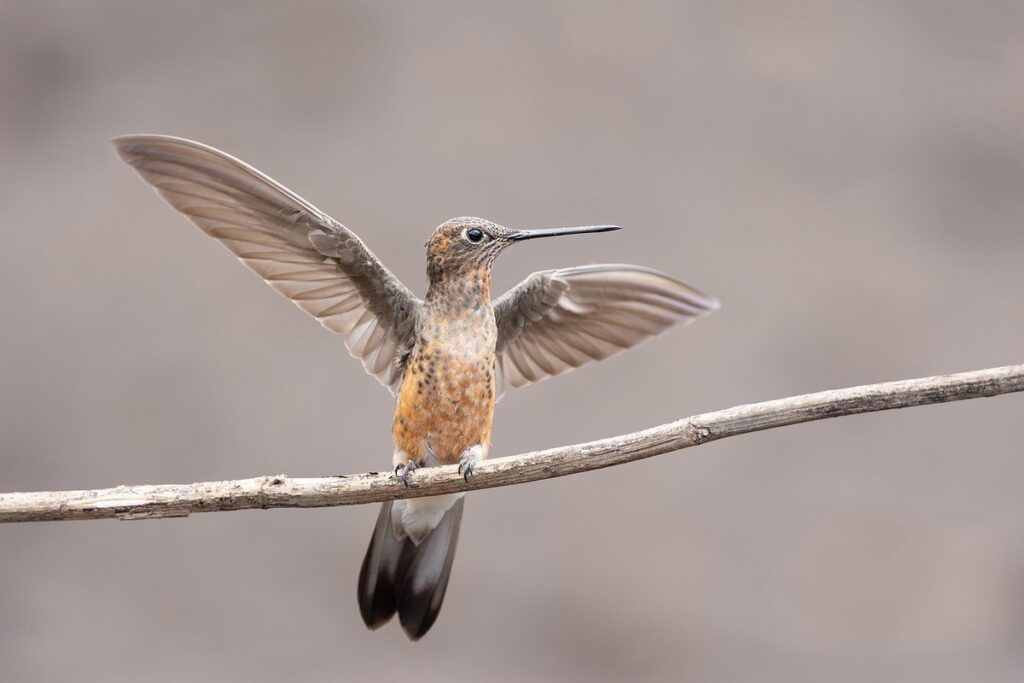
Understanding Hummingbirds’ Needs
To create a welcoming space for hummingbirds, it’s essential to understand their specific needs and preferences when selecting perennials for your garden. Let’s explore what these fascinating birds require.
Important Feeding Requirements
When it comes to attracting hummingbirds to your garden, it’s essential to understand their feeding requirements. These tiny birds need a constant supply of energy-rich food to fuel their high metabolism and frequent flapping. Nectar-rich flowers are an excellent source of nutrition for hummingbirds, as they provide a quick burst of energy.
Look for plants with long, tube-shaped flowers that contain a high concentration of nectar, such as trumpet-shaped honeysuckle or coral bells. These flowers allow the hummingbird to access the nectar without having to expend extra energy. Some examples of nectar-rich perennials include bee balm, cardinal flower, and salvia.
In addition to nectar-rich flowers, consider adding shrubs that provide berries or seeds as a source of protein and fat. For example, plant a shrub like fuchsia or coralberry that produces small fruits rich in nutrients. Remember to also incorporate plants with different blooming times to ensure a constant food supply throughout the growing season. By selecting plants that meet these feeding requirements, you’ll be well on your way to creating a hummingbird-friendly garden.
Plant Selection Based on Region
When choosing perennials for your garden to attract hummingbirds, it’s essential to consider regional factors. Hummingbirds’ needs vary depending on the climate, soil type, and plant hardiness zones where you live.
In cooler climates with well-drained soil, consider planting perennials like Bee Balm (Monarda didyma), Salvias, and Coral Bells (Heuchera sanguinea). These plants thrive in USDA zones 3-8 and provide the necessary energy-rich nectar for hummingbirds. For example, a study by the Cornell Lab of Ornithology found that hummingbirds in the northeastern United States rely heavily on flowers with long tubes, like Bee Balm.
In warmer climates, you’ll want to focus on drought-tolerant perennials that bloom consistently throughout the year. Plants like Lantana (Lantana camara), Esperanza (Tecoma stans), and Mandevilla (Mandevilla spp.) fit this bill, thriving in USDA zones 9-11. In areas with high humidity, like tropical regions, choose perennials that excel in these conditions, such as Passionflower (Passiflora spp.).
When selecting perennials for your garden, consider the specific needs of the hummingbirds in your region. This will ensure you’re providing the right plants to attract and sustain these iridescent visitors throughout the year.
Choosing Perennials with High Nectar Content
When selecting perennials for your garden, it’s essential to choose varieties that offer high nectar levels to satisfy these hummingbirds’ sweet tooth. Some flowers excel at this, making them top picks for attracting hummers.
Tubular Flowers: A Hummingbird’s Favorite
When it comes to attracting hummingbirds to your garden, it’s essential to choose perennials with high nectar content and tubular flowers that meet their unique feeding needs. One of the key characteristics of these birds is their long, extendable tongues that allow them to reach nectar deep within trumpet-shaped flowers.
Tubular flowers like trumpet vines (Campsis radicans), salvias (Salvia spp.), and honeysuckles (Lonicera spp.) are perfect for hummingbirds, as they have long, tube-shaped structures that enable these birds to feed efficiently. These flowers are designed with a narrow opening at the top and a longer tube inside, allowing hummingbirds to insert their tongues and drink nectar without having to struggle or exert excessive energy.
In your garden, consider planting a mix of tubular flowers that will bloom throughout the growing season to provide a constant source of nectar for hummingbirds. For example, you can plant salvias in early spring, followed by honeysuckles in mid-summer and trumpet vines in late summer. By choosing perennials with high nectar content and tubular flowers, you’ll be creating a welcoming haven for these iridescent visitors to your garden.
Fuchsia and Coral Bells for a Colorful Display
When it comes to creating a colorful display that hummingbirds won’t be able to resist, consider incorporating perennials with vibrant hues and high nectar content into your garden. Two show-stopping options are fuchsias and coral bells.
Fuchsia’s tubular flowers come in an array of colors, including pink, purple, and red, making them a favorite among hummingbirds. Plant them near a sunny spot or under partial shade to encourage blooming, as fuchsias can be sensitive to extreme temperatures. Coral bells, on the other hand, boast stunning coral-pink foliage that’s a hummingbird magnet in its own right.
To get the most out of these perennials, plant multiple fuchsia and coral bell varieties together, spaced about 12-18 inches apart. This will create a vibrant display that provides nectar-rich flowers from spring to fall, meeting the constant demands of hummingbirds.
Perennials for Drought-Tolerant Gardens
When planning a hummingbird-friendly garden, it’s essential to incorporate drought-tolerant perennials that thrive in dry conditions without sacrificing nectar-rich flowers. These adaptable plants are perfect for water-conscious gardens and hummingbird enthusiasts alike!
Xeriscape Options: Hummingbird-Friendly Plants Thrive in Low-Water Conditions
When it comes to attracting hummingbirds to your garden, you don’t have to break the bank on elaborate irrigation systems. Drought-tolerant perennials like agastache, bee balm, and lavender are perfect for low-maintenance gardens that still attract these iridescent visitors.
Agastache, also known as hummingbird mint or anise hyssop, is a favorite among hummingbirds due to its tubular flowers that provide a rich source of nectar. This perennial can thrive in full sun with minimal watering, making it ideal for water-conscious gardeners. To incorporate agastache into your xeriscape design, consider planting it alongside other drought-tolerant perennials like yarrow or Russian sage.
Bee balm is another popular choice among hummingbird enthusiasts. Its bright red flowers are a staple in many hummingbird gardens, and its ability to attract pollinators makes it a great addition to any garden. Bee balm prefers moist soil but can adapt to dry conditions with proper care. To ensure your bee balm thrives, water it regularly during its first growing season, then reduce watering to once every 7-10 days.
Lavender is often overlooked as a hummingbird attractant, but its tubular flowers are rich in nectar and provide a valuable source of energy for these birds. English lavender is the most drought-tolerant variety, making it perfect for xeriscapes. To incorporate lavender into your garden design, consider planting it alongside other low-maintenance perennials like sedum or coneflower.
When selecting drought-tolerant perennials, remember to choose plants that have a high water-use efficiency (WUE) rating. This measures a plant’s ability to thrive with minimal watering. By incorporating WUE-rated perennials into your garden design, you’ll not only attract hummingbirds but also conserve water and reduce maintenance costs.
Tips for Creating a Hummingbird Haven
To create a haven that will attract these beautiful birds, consider incorporating native plants with long tubular flowers into your garden design. This simple tweak can make all the difference for hummingbirds.
Plant Arrangement and Density
When it comes to creating a hummingbird haven in your garden, plant arrangement and density are crucial considerations. Hummingbirds have a keen sense of sight and can spot nectar-rich flowers from afar, but they also rely on their spatial memory to navigate through the landscape.
To attract these iridescent visitors, arrange plants with varying heights and bloom times to create a layered effect. This will provide hummingbirds with a constant source of food and shelter throughout the growing season. For example, plant tall perennials like Salvias or Bee Balm behind shorter ones like Coralbells or Creeping Thyme.
Consider the density of your plantings as well. Hummingbirds need space to maneuver between flowers, so avoid overcrowding. A general rule of thumb is to plant perennials 12-18 inches apart for optimal hummingbird access. However, some species like Trumpet Vine can be planted closer together (6-8 inches) since they produce long, tubular flowers that hummingbirds can reach without obstruction.
Water Features: A Key Attraction for Hummingbirds
When it comes to creating a hummingbird haven, one crucial element often overlooked is water features. Hummingbirds need access to clean water not only for drinking but also for bathing and regulating their body temperature. A shallow dish or birdbath with fresh water is essential, as it allows them to land safely without being overwhelmed by the flow.
Incorporating a small pond or fountain can be even more beneficial, as it provides humidity and attracts other beneficial insects that hummingbirds love to feed on. However, keep in mind that hummingbirds are sensitive to chemicals, so ensure any water feature is free from pollutants and treated with natural methods if necessary.
Misting systems are another excellent option, especially for areas where a pond or fountain isn’t feasible. These systems release a fine spray of water into the air, creating a humid microclimate that attracts hummingbirds and other wildlife. By integrating a water feature like one of these options, you’ll be well on your way to creating a welcoming environment for these iridescent visitors to thrive in.
Maintaining a Healthy Garden for Hummingbirds
To keep these tiny wonders visiting your garden, you’ll need to create and maintain a healthy environment that meets their specific needs and preferences. This includes regular watering and pruning to ensure optimal growth.
Regular Maintenance Tasks
To keep your hummingbird-friendly perennials thriving and attracting these beautiful visitors, regular maintenance is crucial. Start by pruning your plants to maintain their shape, promote healthy growth, and encourage blooming. Remove dead or damaged flowers, stems, and leaves to prevent the spread of disease and pests. Deadheading is especially important for tubular flowers like trumpet honeysuckle and salvias, as it encourages new blooms and prevents seed production.
Fertilizing your perennials is also essential to provide them with the necessary nutrients to produce nectar-rich flowers. Use a balanced fertilizer during the growing season, following the manufacturer’s instructions. Water your plants regularly, but avoid overwatering, which can lead to root rot and other problems. Regularly inspect your plants for signs of pests or diseases, such as aphids, whiteflies, or fungal infections. By staying on top of these maintenance tasks, you’ll be rewarded with a vibrant, healthy garden that continues to attract hummingbirds all season long.
Seasonal Plant Swapping and Rotations
To keep your hummingbird garden fresh and exciting throughout the seasons, consider implementing a seasonal plant swapping and rotation plan. This simple strategy will not only provide a diverse array of nectar sources for these tiny visitors but also prevent over-reliance on a single species.
In the spring, replace any winter-hardy plants that may have stopped blooming with new arrivals like coral bells (Heuchera spp.) or bee balm (Monarda didyma). As summer heat kicks in, swap out delicate blooms for more drought-tolerant options such as salvias (Salvia spp.) and lantana (Lantana camara).
In autumn, incorporate plants with rich, berry-like fruits like fuchsia (Fuchsia spp.) or autumn sage (Sage spp.), which will provide sustenance during the winter months. By rotating your plant selection every few seasons, you’ll create a dynamic garden that meets the changing needs of hummingbirds and provides year-round interest for you to enjoy.
Consider grouping plants by their blooming periods to ensure a constant nectar supply throughout the growing season.
Frequently Asked Questions
Can I use native plants from my region to attract hummingbirds?
Yes, using native perennials is an excellent way to create a welcoming environment for hummingbirds. By selecting plants that are native to your area, you’ll be providing the birds with the nectar-rich flowers they prefer and also reducing maintenance needs. Consult with local nurseries or gardening experts to find the best native options for your region.
How often should I water my drought-tolerant perennials?
Watering frequency will depend on your specific climate and soil conditions. As a general rule, water your perennials when the top 2-3 inches of soil feel dry to the touch. This allows you to maintain optimal moisture levels without overwatering, which can lead to root rot and other issues.
Can I mix different types of flowers in my hummingbird garden?
Absolutely! A diverse selection of nectar-rich flowers will attract a variety of hummingbirds and provide them with a constant source of energy. When combining perennials, consider their growth habits, bloom times, and water requirements to create a balanced and thriving ecosystem.
How can I ensure that my hummingbird-friendly plants thrive in shade?
While most hummingbirds prefer full sun, some species will visit shaded areas in search of nectar-rich flowers. To create a welcoming environment for these birds, choose perennials that tolerate partial shade, such as coral bells or fuchsia. Make sure to provide adequate air circulation and maintain good soil drainage to prevent waterlogged conditions.
Can I use hummingbird feeders instead of planting nectar-rich flowers?
Yes, hummingbird feeders can be a helpful supplement to your garden, providing a concentrated source of energy for these birds. However, remember that feeders should not replace native plants as the primary food source. A balanced diet for hummingbirds includes a mix of nectar from flowers and insects from plants, so be sure to plant a variety of perennials in addition to using feeders.