
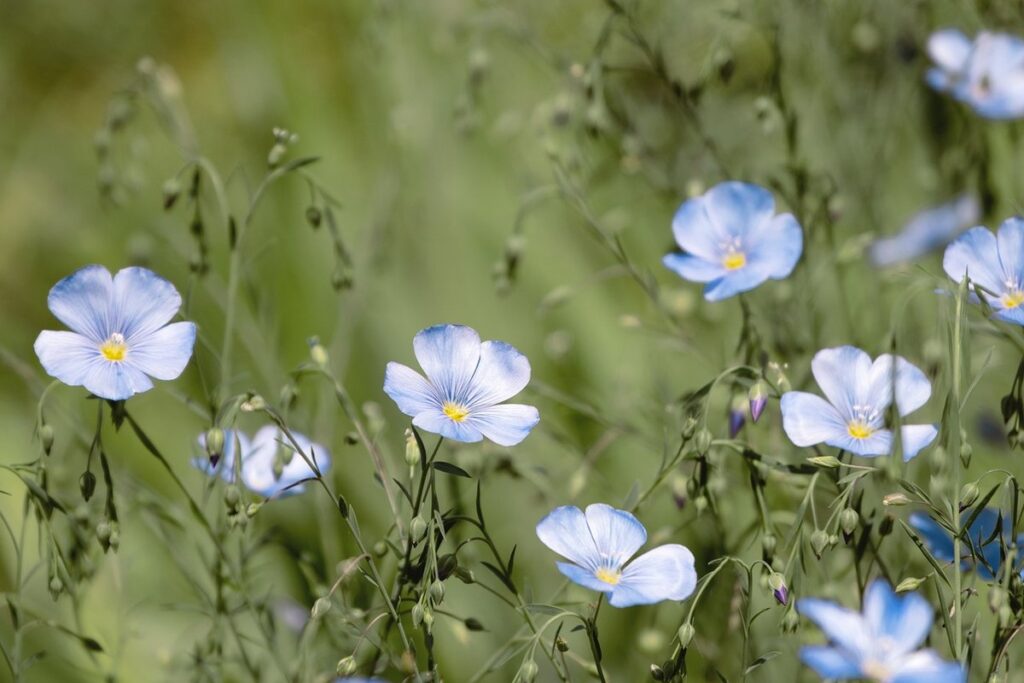
Blue flowering perennials are a gardener’s dream come true. Not only do they add a pop of vibrant color to your landscape, but they also require minimal maintenance and come back year after year. If you’re looking for a way to bring a bit of calm and serenity to your outdoor space, blue flowering perennials are an excellent choice. But with so many options available, choosing the right ones can be overwhelming. That’s why we’ve put together this comprehensive guide to help you discover the best blue flowering perennials that will thrive in your garden all year round. Whether you’re a seasoned gardener or just starting out, this article will cover everything from selecting and planting to troubleshooting common issues, so you can enjoy a vibrant and thriving blue floral display in no time.
Choosing the Right Perennial for Your Garden
When selecting a blue flowering perennial, consider factors such as mature size, growth habits, and light requirements to ensure it thrives in your garden. This will help you make an informed decision about which plant is right for you.
Factors to Consider Before Selecting a Blue Bloomer
When selecting a blue bloomer to add to your garden, there are several key factors to consider. First and foremost, think about the amount of sunlight your chosen perennial will receive. Some blue flowers thrive in full sun, while others prefer partial shade or even deep shade. Research the specific needs of each variety to ensure it will perform well in your garden’s conditions.
Next, consider the soil type in your garden. Blue perennials come in a range of textures and moisture requirements, so make sure you choose one that will thrive in your soil’s pH level and drainage characteristics. For example, hydrangeas prefer acidic soils, while delphiniums do well in slightly alkaline conditions.
Maintenance requirements are also an important consideration. Some blue perennials require regular deadheading to promote repeat blooming, while others can go without much fuss. Research the specific maintenance needs of your chosen perennial and factor them into your decision-making process. By considering these key factors, you’ll be able to narrow down your options and choose a blue bloomer that will thrive in your garden.
Popular Types of Perennials with Blue Flowers
When it comes to blue-flowering perennials, some popular options stand out from the crowd. Among them are delphiniums, forget-me-nots, and hydrangeas – each with its unique characteristics, growth habits, and requirements.
Delphiniums, also known as larkspurs, produce tall spikes of vibrant blue flowers that bloom in mid to late summer. These plants prefer well-draining soil and full sun, making them ideal for a sunny border or cut flower garden. Forget-me-nots, on the other hand, are low-maintenance perennials that thrive in partial shade and moist soil. Their delicate blue flowers bloom in early spring and are a great choice for adding a pop of color to woodland gardens.
Hydrangeas are another popular option for those who love big, showy blooms. These versatile plants come in various shapes and sizes, from compact shrubs to towering trees, and produce beautiful blue flowers that can range from pale sky blue to deep navy depending on soil pH. To encourage blue flowering, hydrangeas need acidic soil with a low pH.
When choosing between these popular types of perennials, consider your specific garden conditions and the amount of maintenance you’re willing to commit. With proper care, any of these options can add stunning blue blooms to your garden for years to come.
Planting and Caring for Blue Perennials
When it comes to growing blue perennials, planting them correctly is key to their success. Let’s dive into the essential steps for planting and caring for these beautiful blooms in your garden.
Preparing the Soil for Success
Preparing the soil before planting blue perennials is essential for their success. Just like humans need a healthy diet and environment to thrive, these plants require suitable conditions to reach their full potential. A poor soil quality can lead to stunted growth, reduced blooming, or even plant death.
To ensure your blue perennials get off to a great start, you’ll want to test the pH levels of your soil first. You can purchase a simple DIY kit from your local nursery or gardening store, which will give you an accurate reading of your soil’s acidity level. Most blue perennials prefer slightly acidic to neutral soils, with a pH range between 6.0 and 7.0.
If your test reveals that your soil is too alkaline (high pH), you can amend it by adding organic matter like compost or well-rotted manure. This will not only improve the soil‘s structure but also provide essential nutrients for healthy growth.
When preparing the soil, make sure to remove any debris, weeds, and roots from previous plants. Add a 2-inch layer of compost or well-rotted manure on top of the existing soil, which will help retain moisture, suppress weeds, and regulate soil temperature.
Watering and Fertilization Best Practices
Watering and fertilizing blue perennials require attention to specific techniques to ensure healthy growth and vibrant blooms. When it comes to irrigation, the key is to strike a balance between providing enough moisture and avoiding overwatering. As a general rule, water blue perennials when the top 2-3 inches of soil feel dry to the touch. This can be once or twice a week, depending on weather conditions.
Fertilization is another crucial aspect of caring for blue perennials. Feed your plants with a balanced fertilizer (10-10-10 NPK) in early spring and again after blooming has finished. You can also use a slow-release fertilizer to provide nutrients throughout the growing season. Mulching around the base of the plants helps retain moisture, suppress weeds, and regulate soil temperature.
To promote healthy growth, avoid fertilizing during extreme weather conditions or when plants are stressed. Monitor your blue perennials’ response to fertilization and adjust as needed. By following these guidelines, you’ll be able to provide your blue perennials with the right balance of water and nutrients for optimal growth and blooming performance.
Common Blue Perennial Varieties
If you’re looking for beautiful blue flowers to add to your garden, consider these popular perennial options that thrive and come back year after year. From blues to purples, there’s a perfect variety for every landscape.
Delphiniums: The Classic Blue Bloomer
Delphiniums are one of the most iconic and beloved blue blooming perennials among gardeners. These stately flowers produce tall spikes of vibrant blue blooms that can reach heights of up to 6 feet, making them a dramatic addition to any garden bed or border.
One of the key advantages of delphiniums is their adaptability. They thrive in well-drained soil and full sun, but they also tolerate partial shade and a range of soil types. This flexibility makes them an excellent choice for gardeners who want a low-maintenance yet show-stopping perennial.
If you’re looking to add some delphinium magic to your garden, consider the popular varieties ‘Blue Jester’ and ‘Moonlight’. ‘Blue Jester’ boasts bright blue flowers with a subtle white edge, while ‘Moonlight’ features soft blue blooms that seem to glow in the right light. To grow these beauties, be sure to plant them in a location with good air circulation to prevent powdery mildew, which can be a problem in humid climates.
To encourage optimal blooming, fertilize your delphiniums regularly and deadhead spent flowers promptly. With proper care, you’ll be enjoying their stately spikes of blue flowers for years to come.
Forget-Me-Nots: Tiny but Mighty Flowers
Forget-me-nots are one of those hidden gems that often get overlooked, but they’re truly worth getting to know. These charming flowers (Myosotis spp.) boast a multitude of benefits that make them perfect for even the most novice gardeners.
One of the biggest advantages of forget-me-nots is their low-maintenance requirements. They thrive in partial shade and can tolerate a range of soil conditions, making them an excellent choice for areas with challenging terrain. Plus, they’re extremely hardy and can survive light frosts, allowing you to enjoy their beauty even in cooler climates.
Their small yet vibrant blooms are another standout feature of forget-me-nots. Measuring only 1-2 inches in diameter, these delicate flowers pack a punch when it comes to color. Their bright blue petals with white centers create a charming contrast that’s sure to catch the eye.
One of the most versatile ways to incorporate forget-me-nots into your garden is by using them in container gardens. They do incredibly well in small pots and planters, adding a pop of color to even the smallest of spaces. Simply choose a location with partial shade and well-draining soil, and you’re good to go!
Tips for Encouraging Repeat Blooms
Now that you’ve got your blue flowering perennials up and running, let’s talk about how to encourage them to bloom again next season. With a few simple tips, you can enjoy these gorgeous plants year after year.
Deadheading and Pruning Techniques
To encourage repeat blooming from blue perennials, it’s essential to know when and how to deadhead and prune them. Deadheading involves removing spent blooms to direct the plant’s energy towards producing new flowers. For blue perennials like delphiniums and hydrangeas, remove dead flowers as soon as they fade to encourage additional blooming.
To deadhead effectively, snip off faded flowers at a 45-degree angle just above a leaf node using clean, sharp scissors or pruning shears. This technique helps prevent water from collecting on the plant and reduces the risk of disease.
Pruning blue perennials typically involves cutting back stems to about one-third to one-half their height after blooming has finished for the season. Cut back spent flower stalks on plants like catmint and salvias, as this will help promote new growth and additional blooms in the spring. Remove any dead or damaged branches from blue perennials during the dormant season to maintain their overall health and encourage repeat blooming.
Companion Planting Strategies
When it comes to creating a vibrant and thriving garden, companion planting is an essential strategy to consider. By pairing blue perennials with other flowers or herbs that complement their growth habits and blooming cycles, you can reap numerous benefits, including increased pollination and reduced pests.
For example, pairing blue delphiniums with marigolds or nasturtiums can help deter aphids and whiteflies, which often target these tall, stately perennials. Meanwhile, planting lavender alongside blue salvia can create a mutually beneficial relationship that fosters healthy growth and encourages repeat blooming. This is because lavender’s fragrance repels pests that might otherwise harm the salvia, allowing it to thrive.
In terms of pollination, planting blue perennials with flowers like echinacea or coneflower can attract essential pollinators like bees and butterflies. Consider pairing blue cornflowers with creeping thyme, which not only attracts beneficial insects but also helps to retain moisture in the soil, reducing the need for frequent watering. By selecting companion plants thoughtfully, you can create a balanced ecosystem that promotes healthy growth and repeat blooming in your blue flowering perennials.
Seasonal Interest and Blue Perennial Care
As we navigate the changing seasons, blue perennials add a vibrant pop of color to our gardens. In this part of the guide, we’ll discuss how to care for your blue perennials year-round.
Winter Care and Protection from Harsh Weather
As we bid farewell to the vibrant blooms of summer and autumn, it’s essential to prepare our blue perennials for the harsh winter months ahead. Without proper care, these beautiful plants can suffer significant damage from extreme cold, wind, and moisture fluctuations. To shield them against the elements, follow these techniques for mulching, staking, and wrapping.
Mulch is a simple yet effective way to protect your blue perennials. Apply 2-3 inches of organic mulch around the base of the plants, keeping it a few inches away from the crown (where the stem meets the roots). This will insulate the soil, regulate moisture, and prevent weeds from competing for resources. For example, if you have delphiniums or hydrangeas in your garden, apply a thick layer of mulch to protect their sensitive stems.
To add extra support, stake tall perennials like lupines or salvias to prevent them from toppling over under snow or ice. Use sturdy stakes and tie the plant gently to the stake using soft twine or wire. Finally, wrap plants with exposed buds or sensitive foliage (like hostas or daylilies) in a breathable material like burlap or fleece to shield them from harsh winds and extreme temperatures. By taking these simple precautions, you’ll ensure your blue perennials emerge healthy and vibrant come springtime.
Summer Bloomers: Tips for Encouraging Peak Performance
Summer bloomers are truly a sight to behold, and with a little TLC, you can coax your blue perennials into their peak blooming period. Adequate water is essential for optimal growth and flowering, but be careful not to overwater. Most blue perennials prefer moist soil, but they’re susceptible to root rot if the soil is too saturated.
Provide your blue perennials with a balanced diet by feeding them a slow-release fertilizer in early spring. This will give them a boost as they begin their growth cycle. Deadheading spent blooms also encourages new flowers to grow, so be sure to remove faded blossoms regularly.
Some blue perennials, like delphiniums and hydrangeas, may require staking to prevent damage from wind or rain. Keep an eye on your plants’ needs, and provide support as necessary. By giving your blue bloomers the right conditions, you’ll be rewarded with a stunning display of color that will last all summer long.
By following these simple tips, you can ensure your blue perennials reach their full potential and put on a vibrant show in your garden.
Troubleshooting Common Issues with Blue Perennials
We know that even the most beautiful blue perennials can sometimes run into problems, so let’s tackle some of the most common issues that may be plaguing your garden.
Dealing with Pests and Diseases
Dealing with pests and diseases is an inevitable part of blue perennial care. As these plants mature, they become more susceptible to common pests like aphids, slugs, and snails. Aphids, in particular, can cause curled or distorted leaves, while slugs and snails will leave behind characteristic holes or tears on the foliage.
To address these issues, consider introducing natural predators such as ladybugs or lacewings, which feed on aphid populations. For slugs and snails, set traps using crushed eggshells, copper tape, or beer-filled containers to deter them from your plants.
Fungal diseases like powdery mildew and leaf spot are also common blue perennial afflictions. These can be treated with organic fungicides like neem oil or sulfur-based products. Regularly inspecting your plants and removing any affected areas will help prevent the spread of disease. If an infestation is severe, consider pruning infected sections to preserve the overall health of your plant. By staying vigilant and employing these proactive measures, you can enjoy thriving blue perennials in your garden.
Improving Soil Quality and Plant Health
Maintaining healthy soil is crucial for the long-term success of your blue flowering perennials. Soil quality can greatly impact plant growth, resilience, and overall well-being. To ensure your plants thrive, it’s essential to regularly test your soil to determine its pH level, nutrient content, and structure.
Aim to test your soil at least once a year, taking into account factors like climate, weather patterns, and nearby vegetation. Based on the results, amend your soil with natural or organic matter such as compost, well-rotted manure, or peat moss. This will help improve its fertility, drainage, and overall structure.
Additionally, consider implementing cover crops to replenish nutrients, suppress pests and diseases, and attract beneficial pollinators. Mulching around plants can also retain moisture, regulate soil temperature, and deter weeds from growing. By making these simple adjustments, you’ll be well on your way to creating a nurturing environment that will keep your blue flowering perennials looking vibrant for years to come.
When selecting mulch or compost, opt for organic options like bark chips, pine needles, or coconut coir. Avoid using chemical-based products that can harm the plants and contaminate the soil.
Frequently Asked Questions
How can I ensure my blue perennials continue to bloom year after year?
To encourage repeat blooms, make sure to deadhead spent flowers regularly and provide your plants with enough sunlight and water. Fertilize lightly during the growing season, and consider dividing and replanting every 3-4 years to maintain plant health.
What’s the best way to care for my blue perennials in extreme weather conditions?
Protect your plants from harsh winter weather by applying a thick layer of mulch or straw around their base. During periods of drought, ensure they receive adequate watering, but avoid overwatering, which can lead to root rot and other issues.
Can I combine different types of blue perennials in the same garden bed?
Yes! Companion planting is a great way to add visual interest and create a diverse, thriving ecosystem. Pair plants with complementary growth habits, such as tall delphiniums and low-growing forget-me-nots, for a stunning display.
How often should I water my blue perennials during periods of hot weather?
Water your blue perennials deeply once or twice a week during hot summer months, depending on soil moisture levels. Avoid frequent shallow watering, which can encourage weak growth and make plants more susceptible to disease.
Can I propagate blue perennials through cuttings or division, or are they best started from seed?
Yes! Many blue perennials can be successfully propagated through division or cuttings. This is often the most efficient way to share these beautiful flowers with friends or expand your own garden.