
Are you looking to add some royal charm to your garden with vibrant purple flowers? You’re in luck! Purple flowering perennials are not only stunningly beautiful, but they’re also low-maintenance and perfect for attracting pollinators. Whether you’re a seasoned gardener or just starting out, incorporating these gorgeous blooms into your landscape can be a game-changer. But with so many options to choose from, where do you even begin? In this comprehensive guide, we’ll take you on a tour of the most popular purple flowering perennials, share expert planting tips and tricks, and provide design ideas to help you create a show-stopping purple garden that will be the envy of the neighborhood. Get ready to unlock the secret to a blooming beautiful purple oasis!
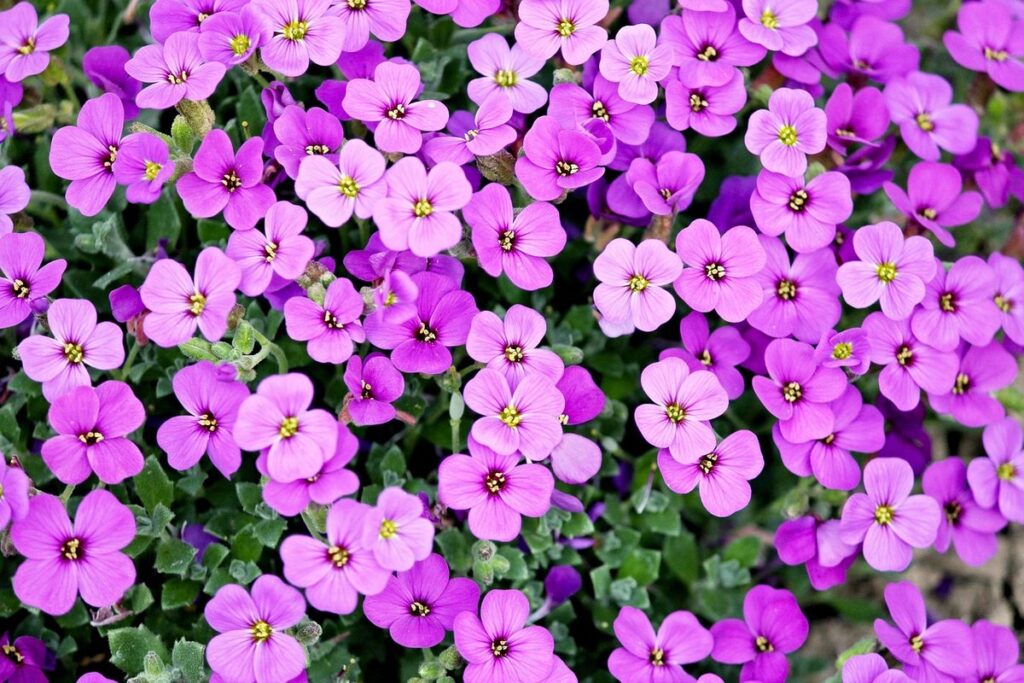
Choosing the Right Purple Flowers for Your Garden
When it comes to adding a pop of color to your garden, selecting the right purple flowers is key. Let’s explore some popular and gorgeous options to consider.
Types of Purple Flowering Perennials
When it comes to adding a pop of purple color to your garden, there are numerous types of beautiful perennials to choose from. Some popular varieties that never fail to impress are coneflowers, lavender, and catmint.
Coneflowers (Echinacea) are a staple in many gardens due to their striking blooms and low maintenance requirements. They come in a range of purple shades, from light lilac to deep plum, and can grow up to 4 feet tall. To ensure they thrive, provide them with full sun and well-draining soil.
Lavender is another popular choice for its fragrant flowers and versatility. English lavender (Lavandula angustifolia) is a popular variety that tolerates drought and produces an abundance of purple spikes in the summer months. Catmint (Nepeta faassenii) is also worth considering, with its delicate foliage and vibrant purple flowers that attract pollinators.
When selecting any of these perennials, make sure to choose a variety that suits your climate and soil type. With proper care and attention, they’ll provide years of stunning blooms and add a touch of elegance to your garden. Consider planting them in clusters or as a border to create a dramatic effect.
Factors to Consider When Selecting Purple Perennials
When selecting purple perennials for your garden, it’s essential to consider several key factors to ensure they thrive and bring beauty to your outdoor space. First and foremost, think about the soil type in your garden. Purple perennials come in a range of textures and colors, but some prefer rich, well-draining soil, while others tolerate dry or sandy conditions. For example, the beautiful lavender varieties tend to prefer well-drained soil with a slightly alkaline pH.
Another critical factor is sunlight requirements. Some purple perennials require full sun (at least six hours of direct sunlight), while others can tolerate partial shade. Consider the mature plant size of each perennial as well. Large plants may need more space to spread out, so plan accordingly to avoid overcrowding your garden bed. Additionally, think about the growth habit of each perennial – some are upright and columnar, while others spread out in a more sprawling manner.
Lastly, consider the overall maintenance requirements of each perennial, including watering needs and deadheading obligations. By carefully considering these factors, you’ll be able to choose purple perennials that will bring joy and beauty to your garden for years to come.
Popular Purple Flowering Perennials for Beginners
When it comes to choosing purple flowering perennials for your garden, you’ll want to start with some tried-and-true options that are perfect for beginners. If you’re new to gardening, don’t worry – we’ve got you covered! Daylilies (Hemerocallis) are an excellent choice for their ease of growth and stunning blooms. These hardy plants thrive in a variety of conditions, requiring minimal maintenance and care.
Other great options include Salvia (Salvia spp.), with its tall spikes of vibrant purple flowers that attract pollinators galore! And don’t forget about Geraniums (Pelargonium spp.), which come in a range of varieties, from compact and flowering well into fall to the more exotic species like Pelargonium peltatum.
One key thing to remember when growing perennials is to choose varieties that fit your specific climate and soil type. Make sure to read up on the specific needs of each plant before bringing them home, and don’t be afraid to ask for advice at your local nursery or gardening store. With these beginner-friendly options, you’ll be well on your way to creating a beautiful and thriving purple-flowering perennial garden in no time!
Planting and Caring for Purple Perennials
When it comes to bringing these stunning plants to life, proper planting and care are essential. Let’s dive into the specifics of cultivating vibrant purple perennials in your garden.
Preparing the Soil for Purple Perennials
Preparing the soil for purple perennials is a crucial step in their successful growth and health. Before planting, it’s essential to test your soil to determine its pH level and nutrient content. You can purchase a soil testing kit or send a sample to a lab for analysis. Most purple perennials prefer well-draining, slightly acidic to neutral soil with a pH between 6.0 and 7.0.
To create an ideal environment for your purple perennials, add organic matter such as compost or well-rotted manure to improve soil structure and fertility. Mix in 2-3 inches of the material into the top 8-10 inches of soil to create a nutrient-rich layer. This will also help retain moisture and suppress weeds.
To ensure proper drainage, dig a shallow trench about 6-8 inches deep around the planting area. Fill the trench with a mixture of gravel or perlite to improve water infiltration and prevent waterlogging. This is especially important for purple perennials that are susceptible to root rot in soggy conditions. By preparing your soil properly, you’ll set your purple perennials up for success and enjoy a vibrant display of color throughout the growing season.
Watering and Fertilizing Purple Perennials
Watering and fertilizing purple perennials require attention to their specific needs. When it comes to watering, a general rule of thumb is to provide about 1-2 inches of water per week, either through rainfall or irrigation. However, the frequency depends on factors such as soil type, climate, and plant variety. For instance, drought-tolerant varieties like Catmint (Nepeta) require less frequent watering, whereas moisture-loving plants like Lavender need consistent hydration.
As for fertilizing, a balanced fertilizer with a 10-10-10 NPK ratio is suitable for most purple perennials. You can apply it during the growing season, typically in spring and summer. It’s also essential to consider the type of soil your plants are growing in. If your soil lacks organic matter, add compost or well-rotted manure to improve its structure and fertility.
Pruning is another crucial aspect of caring for purple perennials. Prune them immediately after blooming to encourage new growth and prevent seed production. This will also help maintain their shape and promote healthy foliage development. By following these simple tips, you’ll be able to provide your purple perennials with the care they need to thrive.
Common Pests and Diseases Affecting Purple Perennials
As you enjoy your beautiful purple perennials, it’s essential to be aware of the common pests and diseases that can affect them. Purple perennials are particularly susceptible to aphids, which are small, soft-bodied insects that feed on plant sap. These pesky critters can cause curled or distorted leaves, stunted growth, and even transmit plant viruses.
Another issue you might encounter is powdery mildew, a fungal disease that appears as a white, powdery coating on the leaves. This can be caused by high humidity, poor air circulation, and excessive watering. Root rot is also a concern, often resulting from overwatering or waterlogged soil. Signs of root rot include yellowing leaves, blackened stems, and a soft, mushy texture.
To prevent these issues, make sure to provide good air circulation around your plants, water them deeply but infrequently, and avoid getting water on the leaves. Regularly inspect your plants for signs of pests or diseases, and take action promptly if you notice any problems. Some natural remedies like neem oil and insecticidal soap can be effective in controlling aphid populations, while fungicides can help combat powdery mildew and root rot.
Designing with Purple Flowering Perennials
When choosing purple flowering perennials for your garden, one of the most exciting aspects is designing a beautiful display that showcases their unique hues and textures. Let’s explore some creative ways to incorporate them into your landscape design.
Creating a Focal Point with Purple Perennials
Creating a focal point with purple perennials is an excellent way to add visual interest and create a stunning display in your garden. To do this effectively, consider grouping similar plants together, such as different shades of purple coneflower (Echinacea purpurea) or a mix of lavender (Lavandula spp.) and catmint (Nepeta spp.). This technique is called “mass planting” and can create a dramatic effect.
When mass planting, choose a combination of shapes, sizes, and textures to add depth and visual interest. For example, pair the tall spikes of purple gladiolus with shorter varieties like creeping thyme or sedum. You can also use color combinations to create a focal point. For instance, pairing light lavender with darker plum-colored perennials will create a beautiful contrast.
Remember to balance your mass planting by leaving some space between each group to avoid overwhelming the eye. A general rule of thumb is to leave at least 3-4 feet of space between groups for smaller plants and 5-6 feet for larger ones. By following these tips, you can easily create a stunning focal point with purple perennials in your garden.
Incorporating Purple Perennials into a Monochromatic Garden Scheme
Incorporating purple perennials into a monochromatic garden scheme can be a game-changer for adding depth and visual interest to your outdoor space. By focusing on a single color palette, you create a cohesive look that’s both elegant and easy to maintain.
One of the benefits of monochromatic gardens is that they allow you to experiment with contrasting textures, which adds an extra layer of visual appeal. For example, pair velvety-soft purple coneflowers (Echinacea purpurea) with delicate, bell-shaped lavender (Lavandula spp.) for a striking combination.
To incorporate purple perennials into your monochromatic garden scheme, start by selecting plants with varying textures and growth habits. This could include tall spikes of purple foxglove (Digitalis purpurea), compact clumps of Russian sage (Perovskia atriplicifolia), or sprawling masses of creeping thyme (Thymus serpyllum). By combining these different forms, you’ll create a visually dynamic and engaging landscape that showcases the beauty of purple perennials.
Combining Purple Perennials with Other Plants
When combining purple perennials with other plants, the possibilities are endless. To create a stunning display, consider pairing them with lush greenery like ferns, hostas, or grasses. These contrasting textures will add depth and visual interest to your garden.
For a more vibrant look, try mixing purple perennials with bright yellows, oranges, or reds in a mixed border. This color scheme is particularly effective when combined with plants like daylilies, coneflowers, or black-eyed Susans. The key is to balance the boldness of each plant so that no single color dominates the arrangement.
Consider incorporating plants with different growth habits and bloom times to create a layered look. For example, pair tall purple perennials like irises or salvias with shorter varieties like catmint or creeping thyme. This mix will provide a constant source of interest throughout the growing season.
Remember, when combining multiple plants, it’s essential to consider factors like light requirements, soil types, and maintenance needs to ensure each plant thrives in its new surroundings.
Tips for Extending the Blooming Season of Purple Perennials
To enjoy your purple perennials for a longer period, consider implementing these simple yet effective tips to extend their blooming season. With a little planning, you can have continuous color in your garden all summer long.
Deadheading and Pruning for Extended Blooms
To get the most out of your purple perennials, it’s essential to understand the art of deadheading and pruning. These techniques not only keep your plants looking their best but also encourage them to produce more blooms throughout the growing season.
When a flower has bloomed, remove the spent bloom by cutting it off at the base of the stem using a pair of clean gardening shears or pruning clippers. This process is called deadheading, and it’s essential for encouraging your plant to focus its energy on producing new flowers rather than seeds. For example, if you have a bearded iris (Iris germanica), remove the spent blooms as soon as they start to fade. Not only will this keep your plant looking neat and tidy, but it will also encourage more blooms throughout the summer months.
As for pruning, the best time to do so depends on the type of perennial you’re growing. For most purple perennials, prune in late winter or early spring before new growth begins. This is when the plants are dormant, making it easier to shape and maintain them without causing damage.
Companion Planting with Spring-Flowering Bulbs
When combining spring-flowering bulbs with purple perennials through companion planting, you can achieve a stunning visual effect that extends the blooming season and injects additional color into your garden. This technique is particularly effective when pairing early-blooming bulbs like tulips or daffodils with later-blooming perennials like daylilies or coneflowers.
The benefits of companion planting are numerous: you’ll have a vibrant display of colors that lasts longer, as the bulbs and perennials bloom at different times. This staggered blooming period creates a dynamic tapestry of color in your garden, making it more visually appealing to visitors. For example, plant tulips with a late-blooming perennial like ‘Little Rascal’ catmint, which starts flowering in mid-to-late summer.
To get the most out of companion planting with spring-flowering bulbs and purple perennials:
* Choose bulbs that bloom early, such as tulips or daffodils, to pair with later-blooming perennials.
* Select perennials that have similar growing conditions and sunlight requirements to ensure a harmonious coexistence.
* Plant the bulbs at the same depth as recommended by the manufacturer, about 2-3 times their height, usually in the fall or early winter.
* Mulch around both plants to retain moisture, suppress weeds, and regulate soil temperature.
Overwintering Purple Perennials for Year-Round Interest
To extend the blooming season of purple perennials and enjoy year-round interest, overwintering is a crucial step. When winter arrives, many purple perennials go dormant, but proper care can help them survive harsh conditions. Start by cutting back dead foliage to about 3-4 inches from the ground. This will prevent damage from extreme weather and encourage new growth in the spring.
For protection against cold temperatures and moisture, mulch or straw can be applied around the base of the plants. Covering with a breathable cloth or tarp will also shield them from wind and frost. When choosing materials for covering, opt for ones that allow for airflow to prevent moisture buildup.
Some purple perennials like coneflowers (Echinacea) and black-eyed Susans (Rudbeckia) can be treated as hardy annuals by digging up the roots in fall, storing them in a cool, dry place until spring, and then replanting. This method ensures they don’t go through harsh winter conditions.
Regularly inspect your overwintered perennials during the dormant season to detect any potential problems. Fungal diseases or pests can spread quickly under protective coverings. Prune or remove affected areas promptly to prevent damage from spreading further.
Conclusion: Enjoy Your Stunning Purple Garden
As you’ve learned about the various types of purple flowering perennials, it’s time to reap the rewards of your efforts. With this comprehensive guide, you’re now equipped with the knowledge to create a stunning purple garden that will bloom beautifully for years to come. Remember, patience and proper care are key to enjoying the full potential of these gorgeous flowers. Whether you’ve chosen to plant vibrant lavender or delicate petunias, make sure to provide them with well-draining soil and plenty of sunlight. By following our tips and advice, you’ll be able to create a breathtaking purple garden that brings joy and serenity to your outdoor space.
Your purple garden will not only add color and vibrancy to your yard but also attract pollinators like bees and butterflies, making it a haven for local wildlife. Take pride in knowing that your garden is not only beautiful but also beneficial to the environment. By incorporating purple flowering perennials into your landscape design, you’ll be creating a unique and stunning space that reflects your personal style. With proper care and maintenance, your purple garden will continue to thrive and provide years of enjoyment.
Frequently Asked Questions
Can I combine purple perennials with other flowers to create a cohesive look?
When combining purple perennials with other plants, it’s essential to consider their bloom times, growth habits, and textures. Pairing them with complementary colors like greenery or neutral-toned blooms can create a stunning visual effect. For example, pairing coneflowers with catmint creates a beautiful contrast of heights and shapes.
How do I ensure my purple perennials receive the right amount of sunlight?
Most purple perennials require at least 6 hours of direct sunlight to thrive. However, some varieties like lavender can tolerate partial shade. Be sure to check the specific sunlight requirements for your chosen plants and adjust their placement accordingly. This will help prevent scorching or weak growth.
Can I use any type of soil for my purple perennials?
Purple perennials prefer well-draining soil with a pH between 6.0 and 7.0. Avoid using heavy clay or sandy soils, as they can lead to waterlogged conditions or nutrient deficiencies. Instead, opt for a mix specifically designed for perennials or create your own blend using compost and organic matter.
How often should I deadhead my purple perennials?
Deadheading is crucial for promoting extended blooms in purple perennials. Remove spent flowers as soon as possible after they fade to encourage new growth and prevent seed production. For coneflowers, aim to deadhead every 1-2 weeks during peak bloom periods.
Can I propagate my own purple perennials from cuttings or divisions?
Yes, many purple perennials can be propagated through division or cuttings. This is a cost-effective way to share plants with friends and family or expand your garden. For example, coneflowers and catmint can be easily divided in the spring, while lavender and daylilies can be propagated through stem cuttings.
Are there any common pests or diseases that affect purple perennials?
Yes, like all perennials, purple flowers are susceptible to certain pests and diseases. Common issues include powdery mildew, aphids, and spider mites. Regularly inspect your plants for signs of infestation or disease, and take prompt action using organic pest control methods whenever possible.