
When it comes to adding some much-needed greenery to your outdoor space, using evergreen vines on your fence is an excellent idea. Not only do they provide year-round interest and a pop of color, but they’re also perfect for screening off areas or reducing noise pollution. But with so many options available, choosing the right one can be overwhelming – especially if you live in a region with extreme temperatures.
In this article, we’ll explore the best evergreen vines for fences that thrive in both warm and cold climates. We’ll cover the key benefits of using evergreen vines, including their ability to provide privacy, reduce noise levels, and add visual appeal to your property. Plus, we’ll give you a rundown on the essential steps to plant and maintain these beautiful climbers, so you can enjoy their benefits for years to come.
Choosing the Right Evergreen Vines
When selecting evergreen vines for your fence, choosing the right one can be overwhelming due to the numerous varieties available. In this section, we’ll break down key factors to consider in making an informed decision.
Factors to Consider Before Selecting a Vine
When selecting an evergreen vine for your fence, there are several key factors to consider. First and foremost, think about your climate. Different regions have varying temperatures, humidity levels, and sunlight exposure, which can impact the growth and health of your chosen vine. For example, if you live in a hot and dry climate, look for vines that are drought-tolerant or require minimal watering.
Soil type is another crucial consideration. Evergreen vines prefer well-draining soil rich in organic matter, but some may thrive in clay-based soils or tolerate poor drainage. Research the specific needs of your desired vine to ensure it can adapt to your yard’s conditions. Maintenance requirements are also essential to consider. Some evergreen vines require regular pruning, while others can grow unruly without attention.
When evaluating a vine’s maintenance needs, think about your available time and budget for upkeep. Also, consider factors like frost hardiness and resistance to pests or diseases that may be prevalent in your area. By carefully weighing these factors, you’ll make an informed decision and choose the perfect evergreen vine for your fence.
Popular Evergreen Vine Options for Warm Climates
If you’re looking to add some lush greenery to your fence without worrying about seasonal changes, warm-climate evergreen vines are an excellent choice. In regions with mild winters and hot summers, these plants thrive and provide year-round coverage. Two popular options for warm climates are Clematis armandii and Honeysuckle (Lonicera spp.).
Clematis armandii is a great option for its ability to tolerate full sun and produce beautiful white blooms in early spring. This evergreen vine can grow up to 30 feet long, making it perfect for large fences or trellises. It’s also relatively low-maintenance, requiring only occasional pruning and watering.
Honeysuckle (Lonicera spp.) is another popular choice for warm climates, offering a fragrant and attractive option for your fence. With over 180 species to choose from, you can select a variety that suits your needs. Some popular types include Lonicera japonica, which produces white blooms in summer, and Lonicera sempervirens, with red flowers throughout the year.
When planting these vines, be sure to provide them with well-draining soil and full sun for optimal growth. Regular pruning will also help keep them under control and encourage new growth. With proper care, Clematis armandii and Honeysuckle can become stunning additions to your fence, providing beauty and shade throughout the year.
Suitable Evergreen Vines for Cold Climates
When it comes to selecting evergreen vines that thrive in cold climates, you’ll want to focus on varieties that can tolerate frost and freezing temperatures. Two excellent options for this purpose are English Ivy (Hedera helix) and Wintercreeper (Euonymus fortunei).
English Ivy is an incredibly hardy and adaptable vine that’s perfect for fencing in areas with harsh winters. It can grow quite dense, forming a lush screen to conceal unsightly views or provide year-round privacy. Be sure to choose the compact forms like ‘Hibernica’ or ‘Goldchild’, which are more resistant to cold temperatures.
Wintercreeper is another reliable choice for cold climates, offering an attractive foliage that turns red in fall. It’s relatively slow-growing and can thrive in a range of conditions, from full sun to partial shade. To ensure it doesn’t overgrow, prune regularly or use it as a groundcover instead of allowing it to climb.
If you’re looking to add some evergreen flair to your fence in a cold climate, consider using these resilient vines that can withstand the harsh winter months.
Planting and Installation Tips
Now that you’ve chosen the perfect evergreen vine for your fence, let’s dive into the specifics of planting and installation to ensure a beautiful and thriving display. Proper technique is key to success.
Preparing the Site for Vine Installation
Before installing evergreen vines on your fence, it’s essential to prepare the site properly. Start by clearing debris and removing any existing vegetation from the area where you plan to install the vines. This will give you a clean slate to work with and ensure that your new vines get off to a healthy start.
Next, inspect the fence itself for any damage or weaknesses that could compromise the integrity of the vine installation. Make sure the fence is secure and can support the weight of the vines as they grow.
Proper drainage is also crucial when installing evergreen vines on a fence. Check that the area has adequate water flow to prevent waterlogging, which can lead to root rot and other problems. If necessary, consider installing a French drain or adjusting the slope of the land to direct water away from the fence.
Finally, take time to inspect the surrounding soil conditions, including pH levels and nutrient availability. This will help you choose the right type of evergreen vine for your specific climate and soil conditions, ensuring optimal growth and health.
Correctly Planting Evergreen Vines for Optimal Growth
When planting evergreen vines, it’s essential to consider spacing and soil preparation techniques for optimal growth. Start by selecting a location that receives the right amount of sunlight and has good air circulation, as this will help prevent disease and promote healthy foliage.
For most evergreen vines, plant them 6-12 inches away from the fence or trellis, allowing enough space for proper air circulation and future expansion. For example, English ivy can be planted closer together (3-6 inches) due to its more compact growth habit, while wisteria requires more space (18-24 inches) due to its vigorous spreading.
Before planting, prepare the soil by loosening it 12-18 inches deep with a fork or spade. Mix in compost or well-rotted manure to improve soil fertility and drainage. If your fence is made of concrete or brick, create a small trench for the vine’s roots to ensure good contact between the plant and the surrounding soil.
Remember that evergreen vines can grow quite large over time, so consider the mature size of the plant when planting. With proper spacing and soil preparation, your evergreen vines will thrive and provide beauty and shade for years to come.
Securing the Vine to the Fence
Securing the vine to the fence is an essential step in ensuring that your evergreen vines grow robustly and stay firmly attached. There are several methods you can use for this purpose. One of the most common techniques is using wires or ties. These can be wrapped around both the vine and the fence, providing a sturdy grip.
To start, select a suitable wire or tie material that’s weather-resistant and durable enough to withstand harsh conditions. You’ll also want to choose the right gauge, depending on the thickness and weight of your vines. Next, wrap the wire or tie loosely around the main stem of the vine, leaving some slack for growth. Then, attach it securely to the fence post, making sure not to constrict the plant.
Some gardeners prefer using twine or soft ties for smaller vines, as these can be more flexible and easier on the plant. However, they may require more frequent replacement due to wear and tear. It’s also worth noting that over-tightening can damage your vine’s bark, so be gentle when securing it to the fence.
Maintenance and Care Requirements
Now that you’ve chosen the perfect evergreen vine for your fence, it’s time to learn how to keep them thriving year-round. Proper maintenance and care are essential for their long-term health and appearance.
Watering and Fertilization Needs of Evergreen Vines
Proper watering and fertilization are crucial to maintain the health and beauty of evergreen vines on your fence. As a general rule, water your evergreen vines when the top 2-3 inches of soil feel dry to the touch. This frequency may vary depending on climate, temperature, and humidity levels. For example, in hot and dry climates, you may need to water every 7-10 days, while in cooler, more humid areas, watering once a month might suffice.
To determine when to fertilize, consider the vine’s growth stage and nutrient needs. Fertilize evergreen vines during their active growing season (spring-fall), using a balanced fertilizer (e.g., 20-20-20). Follow these steps: apply fertilizer in early spring, then again about 6 weeks later. For young or newly planted vines, fertilize every 4-6 weeks to promote rapid growth.
Keep in mind that overwatering and overfertilizing can harm your evergreen vines, leading to root rot, yellowing leaves, or an overabundance of foliage. Monitor your vine’s responses to adjust watering and fertilization schedules accordingly.
Pruning Techniques for Healthy Growth
Pruning is an essential maintenance task that keeps your evergreen vines healthy and thriving. By pruning regularly, you can promote vigorous growth, encourage new blooms, and maintain the overall shape of your vine. For evergreen vines on fences, deadheading is particularly important. Remove spent flowers to encourage the plant to produce new ones, rather than devoting energy to seed production.
When it comes to training your evergreen vine, consider its mature size and growth habit when pruning. Regularly prune back long stems to maintain a balanced shape and prevent the vine from becoming leggy. Also, remove any dead or damaged branches to prevent disease from spreading and promote healthy new growth.
To ensure you’re pruning correctly, use sharp, clean pruning tools and make cuts just above a node – the joint where a leaf meets the stem. This encourages the plant to grow new shoots from that point, maintaining its overall health and appearance.
Common Pests and Diseases Affecting Evergreen Vines
As you care for your evergreen vines, it’s essential to be aware of common pests and diseases that can affect their health. Some of the most prevalent issues include:
Scale insects, mealybugs, and spider mites are frequent visitors to evergreen vines. These pests can weaken the plant, causing yellowing or browning leaves, and even lead to a sticky substance on the leaves and stems. To prevent infestations, regularly inspect your plants for signs of these pests, and treat them promptly with insecticidal soap or neem oil.
Fungal diseases like root rot, leaf spot, and powdery mildew are also common problems. These often result from overwatering, poor air circulation, or high humidity. To prevent fungal infections, ensure good air circulation around your plants, avoid overwatering, and remove any infected leaves to prevent the spread of disease.
Prevention is key: maintain a balanced fertilization schedule, prune your vines regularly, and monitor for pests and diseases regularly. If you do encounter an issue, treat it promptly with a fungicide or insecticide specifically designed for evergreen vines. By taking proactive measures, you can keep your evergreen vines healthy and thriving on your fence.
Benefits and Uses of Evergreen Vines
Now that you’ve chosen your perfect evergreen vine, let’s explore the numerous benefits it can bring to your outdoor space, from beauty to functionality.
Screening and Noise Reduction
One of the most significant advantages of using evergreen vines for fences is their ability to provide a natural barrier for screening and noise reduction. This can be particularly beneficial for homeowners living near busy roads or noisy neighbors. By planting an evergreen vine along your fence line, you can effectively block unwanted views and sounds, creating a more peaceful and private outdoor space.
To create a natural barrier using evergreen vines, consider the mature size of the plant when selecting a species. For example, English ivy (Hedera helix) is an excellent choice for screening, as it can grow up to 8 feet tall and wide, making it easy to train along a fence line. When planting, be sure to install a trellis or other support system to help the vine grow upwards, rather than outwards.
As your evergreen vine matures, prune it regularly to maintain a neat and tidy appearance. This will also encourage new growth and prevent the plant from becoming overgrown and invasive. By following these simple steps, you can create an effective natural barrier using evergreen vines that provides both visual screening and noise reduction.
Aesthetic Appeal and Year-Round Interest
One of the most significant advantages of evergreen vines is their aesthetic appeal. They bring life and vibrancy to fences year-round, even when other plants have gone dormant. For instance, English Ivy (Hedera helix) can be trained to cascade over a fence, creating a lush, verdant display that adds depth and texture to any outdoor space.
Boxwood (Buxus sempervirens) is another excellent choice for year-round interest. Its compact growth habit allows it to thrive in containers or as a topiary on fences, providing a neat and elegant look. Consider using a mix of evergreen vines with different textures and foliage colors to create a visually appealing display.
To maximize the aesthetic appeal of your evergreen vines, consider the following tips:
* Plant a combination of species for varying interest throughout the seasons
* Train or prune vines to maintain a desired shape or form
* Combine vines with other plants, like shrubs or perennials, for added texture and depth
* Consider adding decorative elements, such as trellises or obelisks, to support your vines and enhance their visual appeal
Wildlife-Friendly Options
If you’re looking to create a wildlife-friendly fence with evergreen vines, there are several options that can provide sustenance and shelter for local wildlife. Some of the best choices include Clematis armandii, which produces fragrant white flowers that attract pollinators, and Honeysuckle (Lonicera), which offers nectar-rich flowers that fuel hummingbirds and other birds during migration periods.
For those who want to provide more substantial food sources for wildlife, consider using vines like Grapevine (Vitis vinifera) or Kiwi Vine (Actinidia deliciosa). These options can be trained to grow up the fence, providing berries and fruit for animals like rabbits, deer, and even birds. Additionally, some evergreen vines, such as English Ivy (Hedera helix), serve as a crucial food source and habitat for beneficial insects like bees and butterflies.
When choosing wildlife-friendly evergreen vines for your fence, be sure to select species that are native to your region or climate zone. This will ensure they can thrive in the local environment and provide optimal benefits for the local fauna.
Frequently Asked Questions
How Do I Choose Between Different Evergreen Vine Species for My Specific Climate?
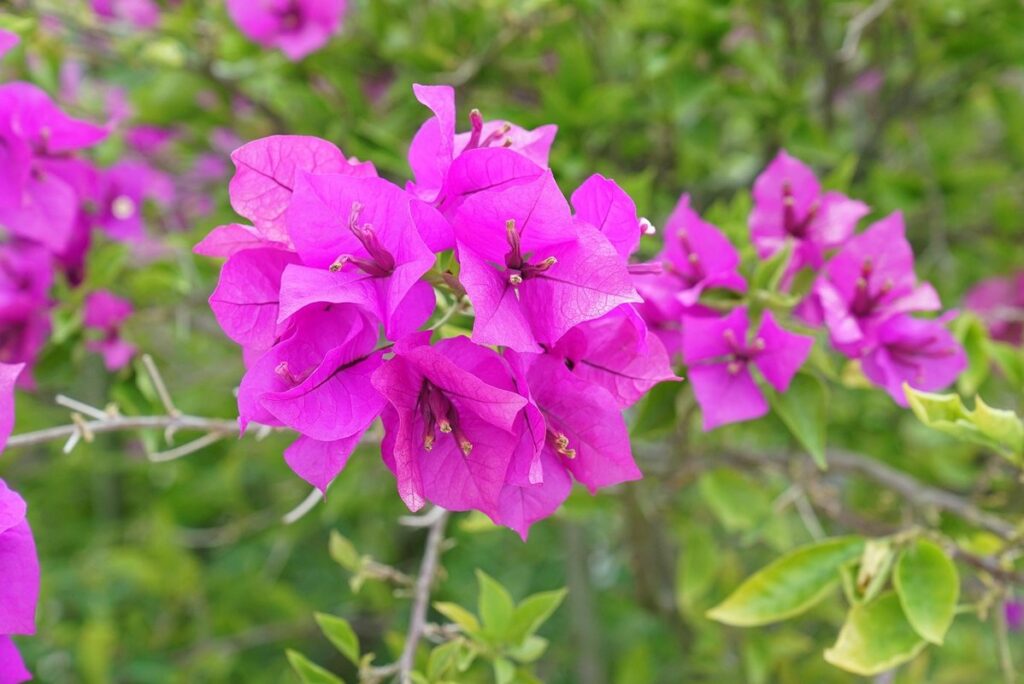
When selecting an evergreen vine, consider the temperature range, humidity levels, and sunlight exposure specific to your region. For example, if you live in a hot desert climate, opt for drought-tolerant species like Bougainvillea or Lantana. Conversely, areas with cold winters may benefit from vines like English Ivy or Wintercreeper.
Can I Plant Evergreen Vines Directly into My Existing Fence?
While possible, planting directly into your existing fence can be challenging due to varying wood types and textures. Instead, consider attaching a trellis or a wooden lattice to provide a more stable surface for the vines to cling onto. This will ensure optimal growth and minimize potential damage.
How Often Should I Water My Evergreen Vines?
The frequency of watering depends on factors like climate, soil type, and sunlight exposure. As a general rule, water evergreen vines when the top 2-3 inches of soil feel dry to the touch. Avoid overwatering, which can lead to root rot and other issues.
Can I Use Evergreen Vines as a Noise Reduction Solution for My Entire Property?
Evergreen vines are excellent for noise reduction but may not be sufficient to cover an entire property. Consider combining them with other sound-absorbing materials or structures like walls or acoustic panels for maximum effectiveness.
What Are Some Common Pests and Diseases Affecting Evergreen Vines, and How Can I Prevent Them?
Common pests affecting evergreen vines include aphids, whiteflies, and spider mites. Regularly inspect your plants for signs of infestation and address issues promptly with organic or chemical controls as needed. Also, ensure proper pruning techniques to maintain air circulation and reduce moisture accumulation that can lead to diseases like root rot and fungal infections.