
Are you ready to discover one of North America’s most prized native plants? The Queen of the Prairie, also known as Echinacea purpurea, has been a staple in herbal medicine and landscaping for centuries. With its stunning purple flowers and robust growth, it’s no wonder this majestic plant has earned its royal title. From its roots to its blooms, the Queen of the Prairie offers a wealth of benefits that make it a must-have for gardeners, herbalists, and nature enthusiasts alike. In this article, we’ll delve into the rich history, practical uses, and impressive advantages of growing your own Queen of the Prairie plant. You’ll learn how to cultivate its beauty in your yard, harness its medicinal properties, and incorporate its versatility into various projects – whether you’re a seasoned expert or just starting out.
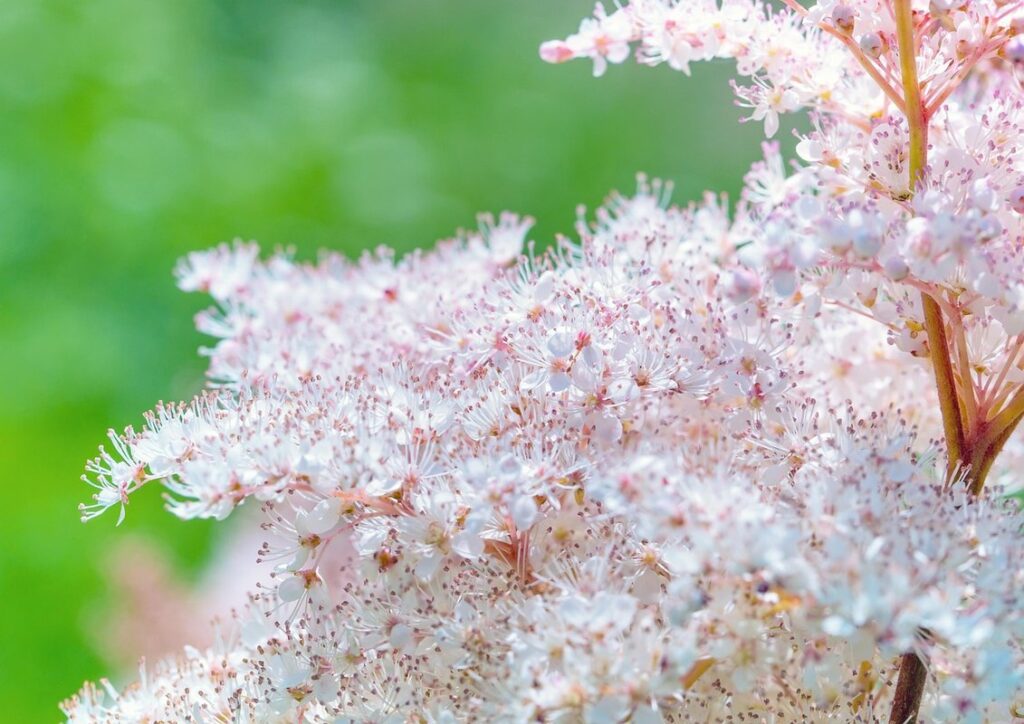
Introduction to Queen of the Prairie
Meet Echinacea purpurea, a stunning prairie plant known for its vibrant purple flowers and impressive stature. Let’s dive into what makes it so special and why you’ll love growing this beauty in your garden.
History and Origins of the Plant
The queen of the prairie plant, also known as Echinacea purpurea, has a rich history that dates back centuries. Native to North America, this stunning perennial was first used by indigenous tribes for its medicinal and ceremonial purposes. The name “Echinacea” is derived from the Greek word for hedgehog, referring to the plant’s distinctive cone-shaped flowers with spiny petals.
In traditional Native American medicine, echinacea purpurea was prized for its adaptogenic properties, which helped the body cope with stress and disease. The roots and leaves were dried, powdered, or infused in water to create remedies for various ailments, from fever and sore throats to snake bites and injuries. For example, the Ojibwe tribe used echinacea to treat respiratory issues, while the Lakota used it to boost their immunity during times of war.
As European settlers arrived on the continent, they adopted many of these traditional uses, often incorporating echinacea into their own herbal remedies. Today, we continue to harness this incredible plant’s potential, using its extracts and supplements to support our immune systems and promote overall well-being. By understanding the history behind queen of the prairie, we can appreciate the significance of this remarkable plant in both traditional and modern times.
Modern Uses and Popularity of Queen of the Prairie
The Queen of the Prairie plant has experienced a resurgence in popularity in recent years, and it’s not hard to see why. This stunning perennial is not only a breathtaking addition to any garden, but its medicinal properties and symbolic significance have also contributed to its widespread appeal.
In the world of herbal medicine, Echinacea purpurea is prized for its immune-boosting properties. Native American tribes traditionally used the plant to treat fever, sore throats, and other infections. Today, it’s commonly used in supplements and teas to support overall health and well-being. When choosing an Echinacea product, look for one that contains a high concentration of alkylamides, which are responsible for its medicinal benefits.
In landscaping, Queen of the Prairie is often used as a dramatic accent plant or border, adding a pop of color and texture to gardens and meadows. Its tall spikes of purple flowers attract pollinators like bees and butterflies, making it a popular choice among gardeners who want to support local wildlife. As a symbol of resilience and determination, the Queen of the Prairie is often associated with themes of strength and adaptability.
Botanical Description and Identification
To identify Queen of the Prairie, look for its striking conical-shaped flowerheads and deeply toothed leaves, which are a deep green color on top and pale underneath.
Key Characteristics and Growth Habits
The Queen of the Prairie plant boasts some striking physical characteristics that set it apart from other Echinacea species. Its robust growth habit and stature can reach up to 3-4 feet tall, making it a stunning addition to any garden or prairie restoration project. The plant’s leaves are a notable feature, with 2-5 long, narrow lobes that resemble the shape of a finger. They’re a deep green color on top and have a soft, downy texture underneath.
The Queen of the Prairie produces large, showy flowers in shades of pale pink to purple that bloom from mid-to-late summer, attracting pollinators and other beneficial insects. These flowers are an important feature for bees and butterflies, which play a crucial role in plant reproduction. The plant’s growth habit is also notable, with new stems arising from the base of the plant each year, creating a large clump over time.
In terms of growth habits, Queen of the Prairie prefers well-drained soil and full sun to partial shade. It thrives in areas with moderate moisture levels but can tolerate drought once established. This adaptability makes it an excellent choice for prairie restorations or native plant gardens where water conservation is a priority.
Similar Species and How to Distinguish Queen of the Prairie
When it comes to identifying Queen of the Prairie (Echinacea purpurea), it’s not uncommon for gardeners and botanists alike to get it mixed up with similar species. The good news is that with a closer look at its unique features, you’ll be able to distinguish it from its lookalikes.
One of the key distinguishing characteristics of Echinacea purpurea is its vibrant purple flowers, which typically bloom in late summer and early fall. These flowers are also slightly drooping, giving them a more relaxed appearance compared to other species. Another notable feature is the plant’s robust growth habit, with stems that can reach up to 6 feet tall. This makes it easily recognizable among other plants in its family.
To tell Queen of the Prairie apart from similar-looking species like Echinacea angustifolia and Echinacea pallida, look for these distinguishing features: Echinacea purpurea has a more open habit and larger flowers than Echinacea angustifolia, while Echinacea pallida has smaller, less vibrant flowers. By paying close attention to flower color, size, and growth habit, you’ll be able to confidently identify Queen of the Prairie in your garden or wildflower meadow.
Benefits and Uses of Queen of the Prairie
Queen of the prairie is a versatile plant that offers numerous benefits and uses, from ornamental gardening to herbal medicine and wildlife support. Let’s explore its many advantages in more detail.
Medicinal Properties and Health Benefits
Queen of the Prairie has been cherished for its medicinal properties and health benefits for centuries. The plant’s roots, stems, and flowers are rich in compounds like echinacosides, alkylamides, and caffeic acid, which contribute to its therapeutic effects.
Studies have demonstrated that Queen of the Prairie can help boost the immune system, reducing the severity and duration of colds and flu. Its anti-inflammatory properties make it an effective remedy for sore throats, bronchitis, and other respiratory issues. In traditional herbal medicine, the plant is used to treat a range of ailments, from digestive problems to skin conditions.
To harness the medicinal properties of Queen of the Prairie, you can create teas or infusions by steeping the roots in hot water. The flowers can be dried and added to capsules or used as a tincture. When using herbal remedies, it’s essential to consult with a healthcare professional, especially if you’re pregnant or have underlying health conditions.
Some key takeaways when working with Queen of the Prairie include: starting with small doses to gauge individual tolerance; combining it with other herbs for enhanced benefits; and respecting its potential interactions with prescription medications.
Landscaping and Ornamental Value
When it comes to landscaping and garden design, Queen of the Prairie is an excellent choice for adding ornamental value to your outdoor space. Its stunning purple flowers, which bloom from mid-summer to fall, are a beautiful addition to any garden bed or border. The plant’s towering stems can grow up to 6 feet tall, providing a dramatic vertical element that adds depth and interest.
In terms of using Queen of the Prairie in landscaping, consider pairing it with other plants that complement its height and blooming period. For example, you could combine it with shorter-blooming perennials like black-eyed Susans or coneflowers to create a layered look. When growing and caring for Queen of the Prairie, make sure to plant it in well-draining soil and provide full sun to partial shade.
To maximize its ornamental value, deadhead the spent blooms regularly to encourage repeat flowering. This will also help prevent seed dispersal and keep your garden looking tidy. By following these tips, you can enjoy the beauty of Queen of the Prairie in your garden from mid-summer through fall.
Growing and Cultivating Queen of the Prairie
To successfully grow and cultivate Queen of the Prairie, you’ll need to understand its specific needs for sunlight, water, and soil quality, as well as how to plant it effectively.
Soil Requirements and Lighting Needs
When it comes to growing Queen of the Prairie, understanding its specific soil requirements and lighting needs is crucial for optimal growth. This beautiful perennial prefers well-drained soil that is rich in organic matter, making a mix of compost and perlite an ideal choice. Avoid using heavy clay or sandy soils as they can lead to waterlogged conditions or dehydration.
In terms of lighting, Queen of the Prairie thrives in full sun to partial shade. If you live in a region with intense sunlight, provide some afternoon shade to prevent scorching. East- or west-facing locations are ideal for this plant. It’s also worth noting that Queen of the Prairie can tolerate dry spells but will bloom more profusely if consistently watered.
When planting, make sure the soil is moist but not waterlogged at transplanting time. Mulching around the base of the plant will help retain moisture and suppress weeds. By paying attention to these specific needs, you’ll be well on your way to creating a thriving environment for your Queen of the Prairie to flourish.
Propagation Methods and Tips for Success
Propagating Queen of the Prairie from cuttings is the most common method for successful cultivation. Take 4-6 inch stem sections with at least two nodes, remove lower leaves, and dip the cut end into rooting hormone powder or liquid to increase chances of successful propagation.
For direct sowing, choose a location with full sun to partial shade, well-draining soil, and moderate moisture levels. Sow seeds 1/8 inch deep in late spring after last frost date. Thin seedlings to 12-18 inches apart to prevent overcrowding and promote healthy growth.
Common mistakes to avoid include overwatering, which can lead to root rot and stunted plant growth. Also, be cautious of excessive shade, as Queen of the Prairie requires at least four hours of direct sunlight per day for optimal flowering and growth.
Monitor your plant’s specific needs based on its environmental conditions. Regular watering, fertilization, and deadheading of spent flowers will help maintain a healthy, thriving plant. Avoid over-handling or transplanting during extreme weather conditions to prevent stress-related issues.
Potential Risks and Precautions
While queen of the prairie is generally considered safe, there are some potential risks and precautions to be aware of when handling or ingesting its parts. We’ll cover these important details next.
Allergic Reactions and Interactions with Medications
While Queen of the Prairie is generally considered safe for use, it’s essential to be aware of potential allergic reactions and interactions with medications. Some individuals may experience skin irritation, such as redness, itching, or hives, after handling the plant’s leaves or stems.
More severe reactions can occur in rare cases, including anaphylaxis, which requires immediate medical attention. If you have a history of allergies or are prone to allergic reactions, exercise caution when using Echinacea Purpurea.
Regarding interactions with medications, Queen of the Prairie may enhance the effects of blood thinners, such as warfarin, and certain immunosuppressants. It’s also possible for Echinacea to interact with diabetes medications, potentially lowering blood sugar levels. To minimize risks, consult your healthcare provider before using any Echinacea products.
If you’re considering growing Queen of the Prairie in your garden, take precautions when handling the plant to avoid skin contact and allergic reactions. Wear gloves and protective clothing to minimize exposure, especially if you have sensitive skin or allergies.
Conservation Status and Sourcing Responsibly
Echinacea purpurea is native to North America and has been listed as a species of special concern by some conservation organizations. This means that while it’s not currently threatened with extinction, its populations are declining due to over-harvesting and habitat destruction.
To source Echinacea responsibly, look for plants grown from seed or cultivated in sustainable environments. Some reputable nurseries specialize in native plant propagation and adhere to environmentally friendly practices. You can also consider purchasing from online suppliers that prioritize fair trade and eco-friendly sourcing.
When buying dried or processed products, ensure the manufacturer discloses their harvesting methods and adheres to regulations set by governing bodies such as the US FDA. Additionally, be mindful of labeling claims like “wildcrafted” – this term is often misused, implying a product’s superior quality without ensuring its origin is genuinely wild-harvested.
Supporting eco-friendly and responsible suppliers not only protects Echinacea populations but also contributes to preserving biodiversity. By making informed choices, you can enjoy the benefits of Echinacea while promoting sustainable practices in the industry.
Conclusion: Harnessing the Power of Queen of the Prairie
As we’ve explored the beauty and benefits of Queen of the Prairie, let’s now discuss how to harness its power in your garden and daily life.
Recap of Key Takeaways
As we conclude our comprehensive guide to the Queen of the Prairie plant (Echinacea purpurea), it’s essential to recap the key takeaways that will help you make the most out of this remarkable plant. We’ve covered its unique characteristics, from its stunning purple flowers to its ability to thrive in a variety of conditions.
You now know how to identify Echinacea purpurea, with its distinctive conical-shaped flower heads and deep purple petals. You also understand its medicinal properties, including its potential to boost the immune system and reduce inflammation. Additionally, we’ve discussed how to cultivate this plant in your garden or indoor space, from choosing the right soil to pruning techniques.
Moreover, you’re aware of the benefits of using Echinacea purpurea in herbal medicine, such as making teas, tinctures, and salves. With its adaptogenic properties, this plant can help your body adapt to stress and promote overall well-being. Finally, we’ve touched on some potential uses for Queen of the Prairie in landscaping and conservation efforts.
By incorporating these key takeaways into your knowledge and practices, you’ll be better equipped to harness the power of Echinacea purpurea and unlock its full potential.
Future Research and Applications
As we conclude our exploration of Queen of the Prairie, it’s exciting to consider the vast potential for future research and applications that lie ahead. One promising area of investigation is the plant’s antimicrobial properties. Studies have shown that Echinacea Purpurea extracts exhibit potent antibacterial and antiviral activity, making them a compelling candidate for developing novel therapeutics against infectious diseases.
Researchers may also delve into the plant’s immunomodulatory effects, which could lead to breakthroughs in our understanding of how to stimulate or regulate the immune system. This knowledge could be particularly valuable in the development of treatments for autoimmune disorders and cancer.
In addition to its medicinal potential, Queen of the Prairie is also being explored for its ecological benefits. Its ability to attract pollinators and support biodiversity makes it an attractive choice for sustainable landscaping and conservation efforts. As we continue to navigate the complexities of our environment, this plant’s unique characteristics may inspire innovative solutions for creating more resilient ecosystems.
Frequently Asked Questions
Can I use the medicinal properties of Queen of the Prairie for pets as well?
Yes, Echinacea purpurea has been used to support immune systems in animals too, but it’s essential to consult with a veterinarian before administering any herbal remedies to your pets. Start with small amounts and monitor their behavior and health closely.
How do I store dried or fresh Queen of the Prairie flowers and roots for later use?
To preserve the potency of your harvest, dry the flowers and roots immediately after collection in a cool, dark place. Store them in airtight containers to maintain their medicinal properties until you’re ready to use them.
What are some ways to incorporate Queen of the Prairie into my home decor or crafts projects?
Get creative with the beautiful purple flowers! Use them in potpourri blends, make wreaths or bouquets, or add dried petals to your candles and soaps. You can also press the leaves and stems for a unique touch on handmade cards or gift tags.
Can I grow Queen of the Prairie in containers if my yard has poor soil conditions?
Yes, this adaptable plant thrives in various environments, including containers! Use high-quality potting mix, provide sufficient drainage, and ensure it receives full sun to partial shade. Regularly fertilize and water your container-grown Queen of the Prairie for optimal results.
How do I know if I’m harvesting my Queen of the Prairie at the right time?
Monitor the plant’s growth stages: when the flowers are in full bloom (mid-to-late summer), cut off the blooms to encourage more flowering or harvest them as needed. For roots, dig them up in autumn after the first frost, when the foliage has died back.