
If you’re tired of looking at bare, shaded areas in your garden or yard, it’s time to consider a low-maintenance solution: ground cover. Not only does it improve soil health by preventing erosion and retaining moisture, but it also adds visual interest with its lush foliage. However, choosing the right type of ground cover for shade can be overwhelming, especially with so many options available.
In this article, we’ll help you navigate the process of selecting and caring for ground covers that thrive in shaded areas. We’ll explore popular options like creeping thyme, English ivy, and vinca minor, discussing their pros and cons, as well as provide expert tips on how to plant, maintain, and troubleshoot common issues. By the end of this article, you’ll be equipped with the knowledge to create a beautiful, thriving ground cover that enhances your outdoor space while requiring minimal maintenance.
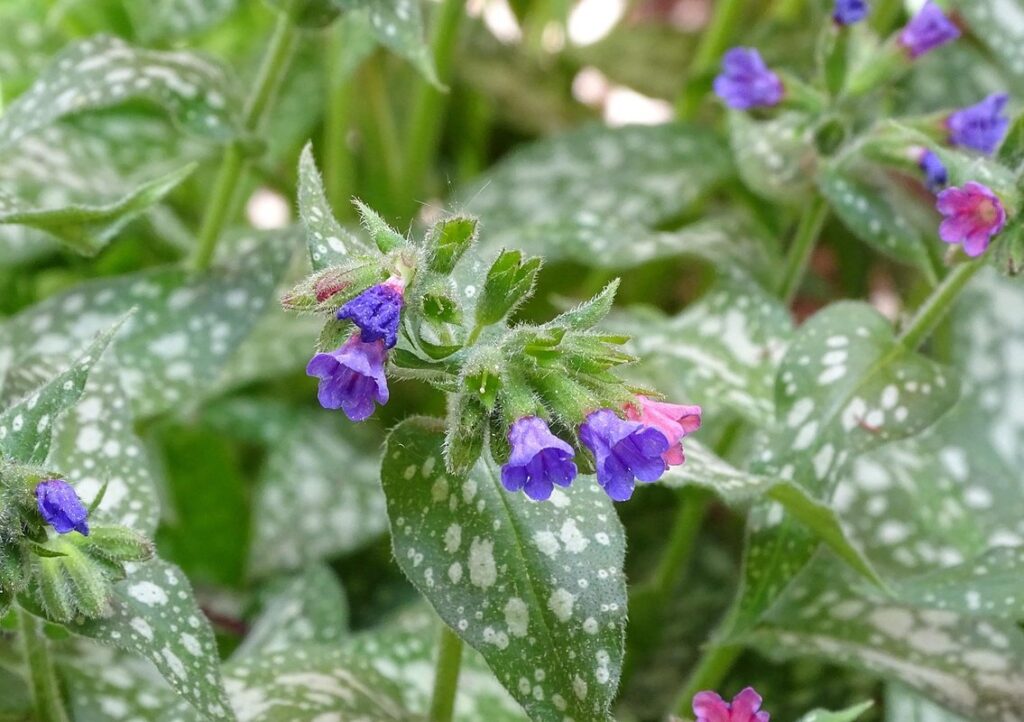
Choosing the Right Ground Covers for Shaded Areas
When selecting ground covers for shaded areas, it’s essential to consider plants that thrive in low-light conditions and require minimal maintenance. Let’s explore some of the best options together.
Benefits of Using Ground Covers in Shaded Areas
Using ground covers in shaded areas can have numerous benefits that extend beyond just aesthetics. One of the most significant advantages is their ability to improve soil health. By covering the ground with a dense layer of vegetation, ground covers help to suppress weeds and prevent them from competing with the desired plants for water and nutrients. This, in turn, reduces soil erosion and allows the soil to retain its moisture levels.
Ground covers can also be an effective tool in reducing soil temperature fluctuations. In shaded areas, the ground tends to remain cool even during warmer months, which can lead to a decrease in plant growth. Ground covers help to regulate the temperature by allowing sunlight to penetrate while providing shade when it’s needed most. For example, creeping thyme and creeping juniper are excellent choices for shaded areas as they not only provide coverage but also retain heat during cooler periods.
In addition to their practical benefits, ground covers can also add a visually appealing element to your landscape. They come in a variety of shapes, sizes, and colors, making it easy to find the perfect fit for your outdoor space.
Types of Ground Covers Suitable for Shade
When it comes to choosing the right ground cover for shaded areas, selecting the right type is crucial. There are several types of ground covers that thrive in low-light conditions, and some are more suitable than others.
Creeping thyme (Thymus serpyllum) is an excellent option for shaded areas, as it can tolerate partial shade and has a delicate fragrance when walked upon. It’s also drought-tolerant, making it perfect for water-conscious gardeners. On the other hand, Vinca minor (Periwinkle) is a fast-growing, evergreen ground cover that can handle deep shade. However, be cautious of its invasive potential.
Pachysandra (Pachysandra terminalis) is another option, suitable for areas with high humidity and partial shade. It’s an excellent choice for woodland gardens or shaded pathways. Before selecting any ground cover, consider factors such as soil type, moisture levels, and desired maintenance level to ensure the best results.
Factors to Consider When Selecting Ground Covers for Shade
When selecting ground covers for shaded areas, it’s essential to consider several key factors. First and foremost, think about the sunlight requirements of the specific plant you’re choosing. Most ground covers need at least a few hours of direct sunlight per day, but some can thrive in partial shade or even full shade.
Moisture levels are also crucial when selecting ground covers for shaded areas. If your area receives heavy rainfall, choose plants that can tolerate excess water. Conversely, if your soil tends to dry out quickly, opt for drought-tolerant varieties. In regions with moderate precipitation, look for plants that prefer moist but well-draining soil.
Lastly, consider the soil type and pH level in your shaded area. Different ground covers have varying adaptability levels to different soils. Research which plants are suitable for your local climate’s soil conditions, ensuring a successful establishment of your chosen cover.
When selecting ground covers, remember to factor in these essential elements: sunlight requirements, moisture levels, and soil type. By doing so, you’ll set the stage for a thriving, low-maintenance ground cover that brings beauty and life to your shaded areas.
Planting and Maintenance of Ground Covers in Shaded Areas
When it comes to shady spots, choosing the right ground cover is crucial for success. Let’s dive into the specifics of planting and maintaining these low-maintenance wonders.
Preparing the Soil for Ground Cover Installation
Preparing the soil for ground cover installation is a crucial step that often gets overlooked. However, it’s essential to get it right to ensure the success of your shade-tolerant ground cover. To start, remove weeds and debris from the area using a non-selective herbicide or by digging them out by hand. This will prevent competition for nutrients and water between your new ground cover and any unwanted vegetation.
Next, level the area to ensure it’s even and smooth. You can use a rake or a shovel to do this, but be careful not to compact the soil too much, as this can prevent proper drainage. Speaking of drainage, check that the soil is well-draining by digging a small test hole. If water pools in the hole, consider adding organic matter like compost or perlite to improve drainage.
Finally, loosen the top 6-8 inches of soil with a fork to a depth of about 12 inches. This will allow your new ground cover’s roots to grow deep and establish themselves quickly.
Tips for Planting Ground Covers in Shade
When planting ground covers in shade, it’s essential to consider the specific needs of these plants. First and foremost, choose a variety that thrives in low-light conditions. Some popular options for shaded areas include English ivy, hostas, and creeping thyme.
To ensure proper spacing, research the mature size of your chosen ground cover and plant them accordingly. For instance, if you’re planting English ivy, space the plants 12-18 inches apart to allow for adequate growth and air circulation.
Proper watering is also crucial in shaded areas where water may pool on the surface. Water your ground covers deeply but infrequently to encourage deep root growth, rather than frequent shallow watering that can lead to weak and vulnerable plants. Mulching around the base of your plants helps retain moisture and suppress weeds, making it an essential step in maintaining healthy ground covers in shade.
Regularly mulch with a 2-3 inch layer of organic material such as bark chips or wood shavings, keeping it a few inches away from the plant’s crown to prevent rot. By following these tips, you can create a lush and thriving ground cover in even the shadiest areas of your yard.
Common Challenges and Solutions for Maintaining Ground Covers in Shade
Maintaining ground covers in shaded areas can be challenging due to the unique conditions present. One common issue is the increased risk of fungal diseases such as powdery mildew and leaf spot. This occurs when moisture accumulates on leaves, creating a perfect environment for fungal growth.
Another challenge is pest infestations, like slugs and snails that thrive in shaded areas with high humidity. To mitigate these issues, choose ground covers resistant to disease or pests. For example, ajuga, pachysandra, and periwinkle are known for their resilience against common shade-dwelling pests.
To prevent fungal diseases, ensure good air circulation around plants by thinning out surrounding foliage. Regularly inspect your ground cover for signs of infection and remove any affected areas to prevent the disease from spreading.
Maintain a clean growing environment by removing weeds, debris, and fallen leaves that can harbor pests or create an ideal breeding ground for diseases. Consider using organic pest control methods like neem oil or insecticidal soap as a last resort when dealing with infestations. By taking proactive steps to address these challenges, you can enjoy healthy and thriving ground covers in shaded areas.
Alternative Options to Traditional Ground Covers
If traditional ground covers aren’t working for your shaded area, don’t worry, there are plenty of alternative options to explore that can add beauty and functionality to your space. Let’s dive into some creative solutions.
Using Mulch or Gravel as a Ground Cover Substitute
When it comes to shaded areas, traditional ground covers can be a challenge to maintain. But did you know that you can create a beautiful and low-maintenance landscape using mulch or gravel as a substitute? This innovative approach not only reduces maintenance but also adds visual interest to your yard.
Using mulch is an excellent option for shaded areas, as it suppresses weeds, retains moisture, and regulates soil temperature. You can choose from various types of mulch, such as wood chips, bark, or even organic materials like straw or leaves. To get the most out of your mulch, make sure to apply a 2-3 inch layer and replenish it every year.
Gravel is another popular alternative that works well in shaded areas, especially if you have poor drainage issues. It allows for excellent air circulation and water permeability, reducing the risk of root rot and other moisture-related problems. To create a gravel landscape, start by laying down a weed barrier fabric to prevent weeds from growing up through the gravel.
When using mulch or gravel as a ground cover substitute, it’s essential to balance aesthetics with practicality. You can add decorative stones or colorful plants around the perimeter to create visual interest and soften the appearance of the mulch or gravel. With these simple tips, you can transform your shaded areas into beautiful and low-maintenance spaces that require minimal upkeep.
Incorporating Succulents and Other Low-Maintenance Plants into Shaded Areas
When it comes to shaded areas, many of us turn to traditional ground covers like ferns and ivy. However, these options can be high maintenance, requiring regular watering and pruning. This is where succulents and other low-maintenance plants come in – they’re perfect for adding some greenery to your shady spots without the fuss.
Succulents, such as aloe vera and agave, are ideal for shaded areas because they store water in their leaves, stems, or roots, making them drought-tolerant. They also require minimal pruning, as they tend to grow slowly. Other low-maintenance plants like creeping thyme and sedum are great options too. These plants can thrive in partial shade with infrequent watering.
To incorporate these plants into your shaded areas, start by choosing the right variety for your climate and soil type. Next, prepare the soil by loosening it up to a depth of about 8-10 inches. Plant the succulents or low-maintenance plants at the same depth they were in their pots, water thoroughly, and then let nature take its course.
Tips for Designing a Beautiful Ground Cover Landscape
When it comes to creating a stunning ground cover landscape, designing is key – and that’s exactly what we’re going to tackle next.
Creating a Cohesive Look with Ground Covers and Companion Plants
When it comes to designing a beautiful ground cover landscape for shade, creating a cohesive look is key. One way to achieve this is by combining your chosen ground covers with companion plants that complement their texture and color palette. Consider the overall aesthetic you want to create: do you prefer a formal, manicured look or something more relaxed and natural? This will help guide your selection of companion plants.
For a cohesive look, stick to a limited color palette – two to three main colors – and incorporate them throughout your landscape design. For example, if you’re using a blue-gray ground cover like creeping thyme, pair it with plants that share similar hues, such as blue delphiniums or gray-leaved succulents.
In terms of texture, combine smooth, glossy leaves with coarse, fuzzy ones to add visual interest. Don’t be afraid to mix and match different textures – for instance, pairing the softness of creeping thyme with the spiky stems of ornamental grasses creates a dynamic contrast that draws the eye.
Incorporating Hardscaping Features into Ground Cover Landscapes
When designing a beautiful ground cover landscape for shade, it’s easy to focus on the plants themselves. However, hardscaping features such as patios and walkways play a crucial role in enhancing the overall aesthetic of your space. By incorporating hardscaping elements, you can create visually appealing transitions between different areas of your yard.
Start by considering the purpose of each area within your ground cover landscape. For example, do you want to create an outdoor living room where family and friends can gather? Or perhaps a peaceful retreat for solo time in nature? Once you have a clear idea of how you want to use the space, choose hardscaping materials that complement your plants and meet your functional needs.
Some popular options include using natural stone or brick for patios, or installing permeable pavers for walkways. These choices can add texture, depth, and visual interest while also allowing rainwater to filter through to the soil below. When paired with lush ground cover, hardscaping features can create a harmonious balance between form and function in your shaded landscape.
To ensure seamless integration of hardscaping elements into your design, consider incorporating them during the initial planning stages. This will allow you to make informed decisions about materials, layout, and overall aesthetic.
Troubleshooting Common Issues with Ground Covers in Shaded Areas
Don’t let shade limit your ground cover options – we’ll walk you through common problems and provide practical solutions to get your shaded areas thriving. From sparse growth to pest infestations, we’ve got you covered.
Identifying and Addressing Pests and Diseases in Ground Covers
Identifying and addressing pests and diseases is crucial to maintaining healthy ground covers in shaded areas. Pests like slugs, snails, and caterpillars can cause significant damage by feeding on leaves and flowers. These pests thrive in humid environments, making shaded areas an ideal breeding ground.
To identify these pests, inspect your plants regularly for signs of infestation, such as holes in leaves or presence of eggs or larvae on stems. For slugs and snails, use copper tape around planters to deter them, or set traps using beer or yeast baits.
Diseases like powdery mildew, leaf spot, and root rot are common issues in shaded areas due to poor air circulation and excess moisture. Regularly inspect your plants for white, powdery patches on leaves (powdery mildew), dark spots on leaves (leaf spot), or soft, mushy stems (root rot). Remove infected plants to prevent the spread of disease and improve air circulation around remaining plants.
To prevent these issues, maintain good garden hygiene by removing weeds, debris, and dead plant material. Water carefully to avoid overwatering, which can exacerbate pest and disease problems.
Resolving Moisture-Related Issues with Ground Covers in Shade
When growing ground covers in shaded areas, one common challenge gardeners face is managing moisture-related issues. Shaded conditions can lead to poor drainage, increased humidity, and reduced sunlight, all of which can exacerbate waterlogged soil and promote root rot.
To resolve these problems, choose ground cover varieties that are naturally drought-tolerant or require minimal watering, such as Creeping Thyme (Thymus serpyllum) or Dwarf Mondo Grass (Ophiopogon japonicus). Plant them at the correct spacing to allow for good air circulation and prevent water from accumulating around the foliage.
Another solution is to improve soil drainage by adding organic matter like compost or perlite. This will help excess moisture drain away from the roots, reducing the risk of root rot. Finally, avoid overwatering by checking the soil moisture regularly and adjusting your watering schedule accordingly. By implementing these strategies, you can minimize moisture-related issues and ensure a healthy ground cover in shaded areas.
Conclusion: Choosing the Perfect Ground Cover for Your Shaded Area
Now that you’ve explored your options, let’s summarize the key takeaways and make a decision on which ground cover is best suited for your shaded area.
Recap of Key Considerations for Selecting Ground Covers for Shade
When selecting ground covers for shaded areas, there are several key considerations to keep in mind. First and foremost, it’s essential to choose plants that can thrive in low-light conditions. This means opting for species with a higher tolerance for shade, such as impatiens, coleus, or creeping thyme.
Another crucial factor is the amount of sunlight your shaded area receives. If it’s an area with dappled shade or morning sun, you may be able to get away with plants that require more light. However, if it’s a deeply shaded area receiving minimal direct sunlight, you’ll need to select plants specifically adapted for these conditions.
Consider the soil type and moisture levels in your shaded area as well. Some ground covers prefer well-draining soils, while others can tolerate wetter conditions. Make sure to choose plants that match your specific soil needs.
In addition to plant selection, it’s also essential to consider maintenance requirements. Some ground covers require regular pruning or watering, which may not be feasible for busy homeowners. Opt for low-maintenance options like creeping juniper or sedum if you’re short on time.
Finally, don’t forget about the benefits of incorporating ground covers into your landscape. Not only do they provide aesthetic value and fill in gaps between plants, but they also help reduce soil erosion, suppress weeds, and improve soil health.
By considering these key factors, you can create a beautiful and functional shaded area that showcases your chosen ground cover. Remember to choose plants suitable for your specific conditions, and don’t hesitate to reach out to a local nursery or gardening expert if you’re unsure about the best options for your space.
Frequently Asked Questions
How do I know if my shade is suitable for the type of ground cover I’ve chosen?
Before planting, make sure to assess your shaded area’s light conditions, temperature fluctuations, and soil moisture levels. If you’re unsure about the specific requirements of your chosen ground cover, consult with a local nursery or gardening expert to ensure it will thrive in your environment.
Can I mix different types of ground covers together for added visual interest?
Yes! Mixing different types of ground covers can create a beautiful, layered effect and increase biodiversity. However, be mindful of the mature size and growth habits of each plant to avoid overcrowding and competition for resources.
How do I prevent weeds from growing up through my ground cover?
Weed control is an essential aspect of maintaining a healthy ground cover. To minimize weed growth, use a landscaping fabric or mulch around plants to suppress weeds and retain moisture. Regularly remove any weeds that do emerge by hand or with a weeding tool.
What are some common mistakes to avoid when planting ground covers in shade?
Common errors include inadequate soil preparation, insufficient watering, and overcrowding. To avoid these pitfalls, ensure you prepare the soil correctly, water your ground cover regularly but avoid overwatering, and plant at the recommended spacing to allow for proper growth and air circulation.
Can I use mulch or gravel as a substitute for traditional ground covers in shaded areas?
Yes! Mulch or gravel can be effective alternatives to traditional ground covers. However, keep in mind that they may require periodic replenishment or replacement to maintain their appearance and functionality. Consider using decorative stone or brick pavers instead of plain gravel for added visual appeal.