
Alpine plants are often considered some of the most fascinating species in the plant kingdom, with their unique adaptations to thrive in high-altitude environments. If you’re an avid gardener or simply curious about these incredible plants, you’re in the right place. With the right care and attention, alpine plants can bring a touch of rugged beauty to even the smallest spaces.
In this comprehensive guide, we’ll take you on a journey through the world of alpine plants, from choosing the perfect species for your needs to growing and caring for them successfully. We’ll cover everything from understanding the specific requirements of these high-altitude plants to providing tips for ensuring their continued health and happiness. Whether you’re a seasoned horticulturist or just starting out, our expert advice will help you unlock the full potential of these incredible alpine species.
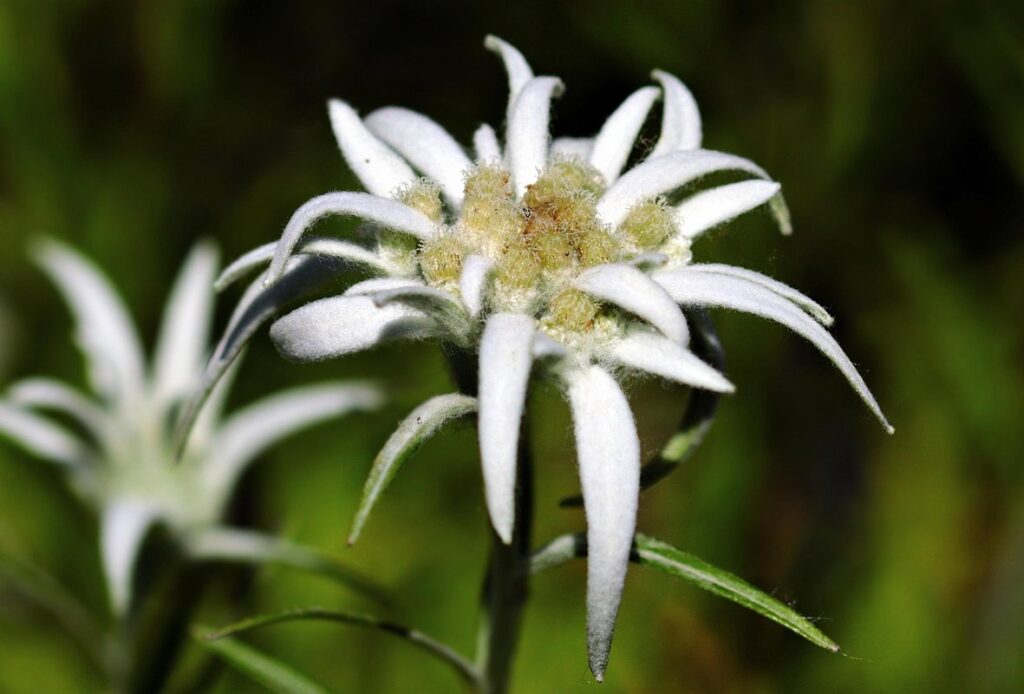
What Are Alpine Plants?
Alpine plants are a unique and fascinating group of species that have adapted to thrive in some of the harshest environments on Earth. In this section, we’ll explore what makes these plants so special.
Defining Alpine Plants
When we talk about alpine plants, it’s essential to understand what defines them. These unique species have adapted to thrive in some of the harshest environments on Earth – high-altitude mountain regions with extreme temperature fluctuations, intense sunlight, and limited water availability.
Characteristically, alpine plants are designed to conserve energy and resources due to these harsh conditions. They tend to be low-growing, compact, and often have small leaves or needles to minimize transpiration and reduce water loss. Some examples include succulent species like Sempervivum and Sedum, which store water in their thick, fleshy leaves. Others, such as gentians and primulas, have adapted by developing deep roots to access limited water resources.
To grow alpine plants successfully, it’s crucial to replicate these conditions in your garden or indoor space. Provide well-draining soil, moderate watering, and ensure good air circulation to prevent moisture accumulation – common causes of root rot in alpine species. With proper care, you can enjoy the unique beauty of alpine plants in your own environment, even if you don’t live at high altitude.
Types of Alpine Plants
When it comes to alpine plants, there’s an incredible variety of species that thrive in these high-altitude environments. One way to categorize them is by their growth habits and plant types.
Succulents are a popular choice among alpine enthusiasts due to their hardiness and ability to store water in their leaves or stems. These low-maintenance plants, such as Sedum and Sempervivum, can tolerate extreme temperatures and dry conditions. They’re perfect for rock gardens or containers where drainage is key.
Shrubs are another category of alpine plants that offer year-round interest with their foliage, flowers, or berries. Examples include Rhododendron and Andromeda, which provide stunning displays in spring and summer. These shrubs often require more maintenance than succulents but can add a touch of elegance to any garden.
Perennials round out the spectrum, offering an explosion of color each year with blooms that range from delicate to showy. Plants like Gentiana and Aquilegia are excellent choices for alpine gardens, as they can thrive in poor soil and withstand harsh weather conditions. Be sure to choose varieties that are specifically bred for alpine conditions, and follow proper planting and care techniques to ensure their success.
Choosing the Right Alpine Plant for Your Needs
When it comes to selecting alpine plants, knowing their specific needs and preferences can make all the difference. Let’s break down what to consider when choosing the perfect plant for your space.
Factors to Consider When Selecting an Alpine Plant
When selecting an alpine plant, it’s essential to consider several key factors that will determine its success and longevity in your garden. Climate is a critical consideration, as alpine plants are typically adapted to grow in cooler temperatures and may not thrive in hot or humid environments. If you live in a region with extreme summers, look for plants that are specifically tolerant of heat stress or choose those that can be grown in partial shade.
Soil type is another crucial factor, as alpine plants often require well-draining soils to prevent waterlogged roots. Rocky outcroppings and gravelly soils are ideal for many species, but some may also thrive in more fertile conditions. Be sure to research the specific soil requirements of your chosen plant and provide it with a suitable growing medium.
Sunlight requirements are also important, as alpine plants often require intense sunlight to photosynthesize effectively. However, some species can tolerate partial shade or even full sun protection, so be sure to choose a plant that suits your garden’s conditions. By considering these factors, you’ll be well on your way to selecting an alpine plant that will thrive in its new home.
Popular Alpine Plants for Beginners
When it comes to growing alpine plants, beginners often look for species that are easy to care for and require minimal maintenance. Fortunately, there are many low-maintenance options available, making them perfect for those new to alpine gardening.
Some popular choices among beginners include Sedum, Sempervivum, and Dianthus. These hardy plants can thrive in rocky outcrops, crevices, or even containers with good drainage. They come in a variety of colors and shapes, adding visual interest to any garden.
Sedum, for example, is known for its ability to withstand extreme weather conditions, including drought and frost. It’s also relatively pest- and disease-free. Sempervivum, on the other hand, has striking rosettes that come in a range of colors. Both plants require minimal watering, making them ideal for areas with low rainfall.
To get started, choose a spot with good sunlight (most alpines prefer full sun) and well-draining soil. Water sparingly during the first few weeks after planting, then reduce watering to once or twice a month. With these simple steps and the right plant selection, beginners can enjoy beautiful and thriving alpine plants in no time.
Growing Alpine Plants: Tips and Tricks
Growing alpine plants can be a challenge, especially when it comes to providing them with the right conditions. This section shares expert tips on creating a suitable environment for these delicate species.
Preparing the Soil
When it comes to growing alpine plants, one of the most crucial steps is preparing the soil. These plants thrive in rocky, well-drained environments, so it’s essential to replicate this condition in your garden. First and foremost, test the pH level of your soil. Alpine plants generally prefer a slightly acidic to neutral soil pH, ranging from 6.0 to 7.0. If your soil is too alkaline, you can adjust the pH by incorporating organic matter such as peat moss or compost.
Incorporating essential nutrients into the soil is also vital for alpine plant growth. Alpine plants require a balanced diet of nitrogen, phosphorus, and potassium (NPK). You can add these nutrients through fertilizers specifically designed for rock gardens or alpines. However, be cautious not to over-fertilize, as this can damage the delicate roots of your plants.
When preparing the soil, remember that alpine plants are sensitive to moisture and excess fertilizer can lead to root rot. To create a suitable environment, mix in perlite or vermiculite to improve drainage and prevent waterlogged soil. This will help ensure your alpine plants receive the right amount of water without being overwhelmed by it. By following these simple steps, you’ll be well on your way to creating an ideal habitat for your alpine plants to thrive.
Watering and Irrigation Techniques
When it comes to watering and irrigation for alpine plants, it’s essential to understand their unique requirements. Alpine plants are adapted to thrive in areas with limited water supply, so they’re incredibly drought-tolerant. However, this doesn’t mean you should neglect them altogether.
To determine the optimal watering schedule for your alpine plant, observe its natural habitat. Most alpine species originate from mountainous regions where rainfall is scarce and unpredictable. This has led to their remarkable ability to survive with minimal water intake. Water your alpine plants sparingly, allowing the soil to dry out between waterings.
Some key factors to consider when irrigating alpine plants include the plant’s specific requirements, climate, and time of year. For example, during the hot summer months, you may need to water your alpine plants more frequently than in the cooler winter months. Aim for a gentle, infrequent watering schedule that promotes deep root growth and encourages your alpine plant to become even more resilient.
In areas with high rainfall or humidity, use a well-draining potting mix to prevent waterlogged soil, which can be detrimental to alpine plants. Be mindful of overwatering, as this is the most common cause of death for alpine species. By following these guidelines and observing your plant’s responses, you’ll develop a watering schedule tailored to its unique needs.
To further enhance the drought-tolerance of your alpine plant, consider using drip irrigation systems or soaker hoses that deliver water directly to the roots without wasting it on surrounding soil. This efficient approach will not only reduce evaporation but also encourage deeper root growth, making your alpine plant even more resilient to extreme weather conditions.
Keep in mind that some alpine species are naturally more prone to rot and fungal diseases due to their shallow root systems. In such cases, adjust the watering schedule accordingly, taking care not to overwater during periods of high humidity or rainfall. By understanding these specific needs and adopting a thoughtful irrigation approach, you’ll be able to provide your alpine plant with an optimal environment for growth and development.
Alpine Plant Care: Maintenance and Propagation
Now that you have your alpine plants thriving, let’s dive into the essential care techniques for long-term success, including maintenance and propagation methods. This section covers the details you need to keep them happy and healthy.
Pruning and Grooming Techniques
When it comes to pruning and grooming alpine plants, technique is key. Regular maintenance not only encourages healthy growth but also promotes blooming and prevents overgrowth. Start by removing any dead or damaged leaves or stems, as these can harbor disease and pests that can spread to the rest of the plant.
Next, focus on shaping your alpines through selective pruning. Cut back leggy stems to encourage bushy growth, and trim any branches that are crossing or rubbing against each other. This will not only improve air circulation but also prevent damage to the plant’s delicate tissues.
For plants like edelweiss and gentian, which have a tendency to grow tall, prune them regularly to maintain a desired height. This will also help direct the plant’s energy towards producing flowers rather than foliage. Be cautious when pruning alpines, as some species can be sensitive to cutting back too far – start with small increments and monitor your plant’s response.
It’s essential to note that over-pruning can stress the plant and lead to weak growth, so be gentle when shaping your alpines. With regular maintenance and attention, you’ll be rewarded with vibrant blooms and a thriving, healthy alpine garden.
Propagation Methods for Alpine Plants
Propagation methods are essential for alpine plants as they allow you to multiply and share your favorite species with fellow enthusiasts. There are three primary propagation methods for alpine plants: division, layering, and seed starting.
Division is the most common method, where a mature plant is carefully divided into smaller sections, each containing a portion of roots and foliage. This technique works best for plants like gentians, delphiniums, and paeonies that naturally form clumps over time. To divide an alpine plant, water it thoroughly, then gently separate the sections using a fork or your fingers.
Layering involves bending a stem or branch down to the ground and allowing it to root before cutting it from the parent plant. This method is suitable for plants like heathers and sedums that produce long stems. Seed starting, on the other hand, allows you to grow alpine plants from seeds sown in pots or cold frames. Sow seeds in late winter or early spring, about 1/8 inch deep, and keep the soil consistently moist.
When using any of these methods, ensure you provide optimal conditions for the cuttings or seedlings, such as adequate light, temperature, and moisture levels.
Common Problems and Solutions for Alpine Plants
As you delve into the world of alpine plants, you’ll likely encounter common issues that can impact their health and well-being, such as overwatering and poor drainage. In this section, we’ll address these challenges and provide practical solutions to help you overcome them.
Identifying Pests and Diseases
As an alpine plant enthusiast, it’s essential to be aware of the potential pests and diseases that can affect these unique species. Common issues include aphids, whiteflies, spider mites, and mealybugs, which can be introduced through contaminated soil or brought in on potting mix. Regularly inspect your plants for signs of infestation, such as curled leaves, sticky residue, or fine webbing.
Diseases like powdery mildew, root rot, and leaf spot are also prevalent. Fungal diseases often thrive in humid environments, so ensure good air circulation around your alpine plants. To prevent these issues, use sterile potting mix, water carefully, and avoid overfertilizing.
If you do encounter a pest or disease issue, act quickly to minimize damage. Treat infestations with neem oil or insecticidal soap, while fungal diseases can be treated with fungicides. Keep in mind that prevention is key: maintain good hygiene practices, monitor your plants regularly, and research the specific needs of your alpine species to provide optimal care.
Some popular natural pest control methods include introducing beneficial insects like ladybugs or lacewings, which prey on common pests.
Addressing Environmental Stressors
Alpine plants have evolved to thrive in harsh environments with extreme temperatures, intense winds, and scarce water resources. When exposed to these environmental stressors, they can exhibit a range of adaptations to survive. For instance, some alpine species develop thickened stems or leaves to insulate themselves from cold temperatures, while others produce specialized roots that allow for efficient water uptake.
To mitigate the effects of extreme weather on your alpine plants, ensure they receive full sun and well-draining soil. This will help prevent waterlogged conditions that can exacerbate temperature fluctuations. Use windbreaks such as burlap screens or rock walls to shield your plants from harsh winds. Water them deeply but infrequently to encourage deep root growth, enabling them to access water more efficiently during dry spells.
Monitor your plant’s specific needs and adjust their care accordingly. Some alpine species require additional protection during prolonged periods of cold weather, such as mulching around the base or bringing potted plants under cover. Regularly inspect your plants for signs of stress, like yellowing leaves or blackened tips, and address these issues promptly to prevent damage.
Alpine Plant Combinations and Designs
When combining alpine plants, remember that balance is key: pair bold textures with delicate foliage for a visually striking display. We’ll explore some inspiring combinations to try in your garden.
Designing with Alpine Plants
Designing with Alpine Plants allows you to create stunning gardens and landscapes that require minimal maintenance. This can be achieved by combining alpine plants with other low-maintenance species and decorative elements.
When designing a garden or landscape featuring alpine plants, consider pairing them with succulents, grasses, and other drought-tolerant species. These combinations not only reduce watering needs but also create visually appealing contrasts in texture and color. For instance, the soft, delicate foliage of alpine flowers like gentian and edelweiss pairs beautifully with the striking plumes of ornamental grasses.
To add decorative elements to your design, incorporate natural materials such as stone, wood, or metal planters, benches, and trellises. These not only complement the beauty of alpine plants but also provide functional uses like support for climbing plants or additional seating areas.
Some popular combinations for alpine plant designs include:
• Alpine flowers with rocky outcroppings or stone walls
• Succulents and cacti with low-growing shrubs and grasses
• Edelweiss, gentian, or other alpine flowers with ornamental grasses
Alpine Plant Care in Container Gardens
Growing alpine plants in containers can be a delightful way to bring these unique species into your home or garden. However, it presents several challenges that require careful attention to detail. One of the primary concerns is moisture management – alpines detest wet feet! To combat this, use a well-draining potting mix specifically designed for cacti and succulents, or create your own blend by mixing perlite, sand, or small rocks with standard potting soil.
Another crucial aspect is drainage. Ensure that the container has sufficient holes in the bottom for excess water to escape. You can also install a built-in drainage system using materials like gravel or broken pottery pieces at the base of the pot. Support structures are equally important; alpine plants have shallow roots and need sturdy support to prevent them from toppling over.
In terms of size, it’s best to choose containers that are not too deep – 5-7 inches (13-18 cm) is ideal for most species. Overpotting can lead to waterlogged soil and root rot, so be cautious when selecting a pot. By paying attention to these details, you’ll create an environment that allows your alpine plants to thrive in container gardens.
Frequently Asked Questions
Can I grow alpine plants indoors, or do they require outdoor conditions?
Alpine plants can be grown indoors with proper care, but it’s essential to replicate the high-altitude environment they’re adapted to. Provide bright, indirect light and maintain a cool temperature between 40-60°F (4-15°C). Avoid overwatering and ensure good air circulation.
How often should I water my alpine plants during hot summer months?
Alpine plants are drought-tolerant, so it’s essential to water them sparingly. Water only when the soil feels dry to the touch, usually every 7-10 days in hot summer months. Be cautious not to overwater, as this can lead to root rot and other issues.
Can I propagate alpine plants through division or should I use seed propagation?
Both methods are viable, but division is a more reliable option for many alpine plant species. Divide established plants during the dormant season (fall or winter) to minimize stress. Seed propagation is often used for specific species that require it, such as some gentians and saxifrages.
What are common pests and diseases affecting alpine plants?
Common pests include aphids, whiteflies, and spider mites, while diseases like root rot, leaf spot, and powdery mildew can also occur. Regularly inspect your plants for signs of infestation or disease and take action promptly to prevent the issue from spreading.
How do I protect my alpine plants from extreme weather conditions?
To shield your alpine plants from harsh weather, provide protection during intense sunlight, strong winds, or frosty temperatures. Use a breathable cloth or shade cloth to filter direct sunlight, secure loose plants against wind damage, and apply mulch to insulate roots during cold snaps.