
Are you ready to say goodbye to your traditional lawn and hello to a beautiful, low-maintenance front yard meadow? Not only do meadows attract pollinators like bees and butterflies, but they also require significantly less upkeep than traditional lawns. Imagine having more time to enjoy your outdoor space, rather than spending hours mowing, watering, and fertilizing.
In this article, we’ll explore the benefits of creating a front yard meadow, from reducing water consumption to supporting local wildlife. We’ll cover expert tips on designing and planting a meadow that thrives in various climates and conditions. You’ll learn how to choose the right plants for your meadow, create a stunning landscape design, and maintain it with minimal effort. By the end of this article, you’ll be inspired to transform your front yard into a vibrant, pollinator-friendly haven.
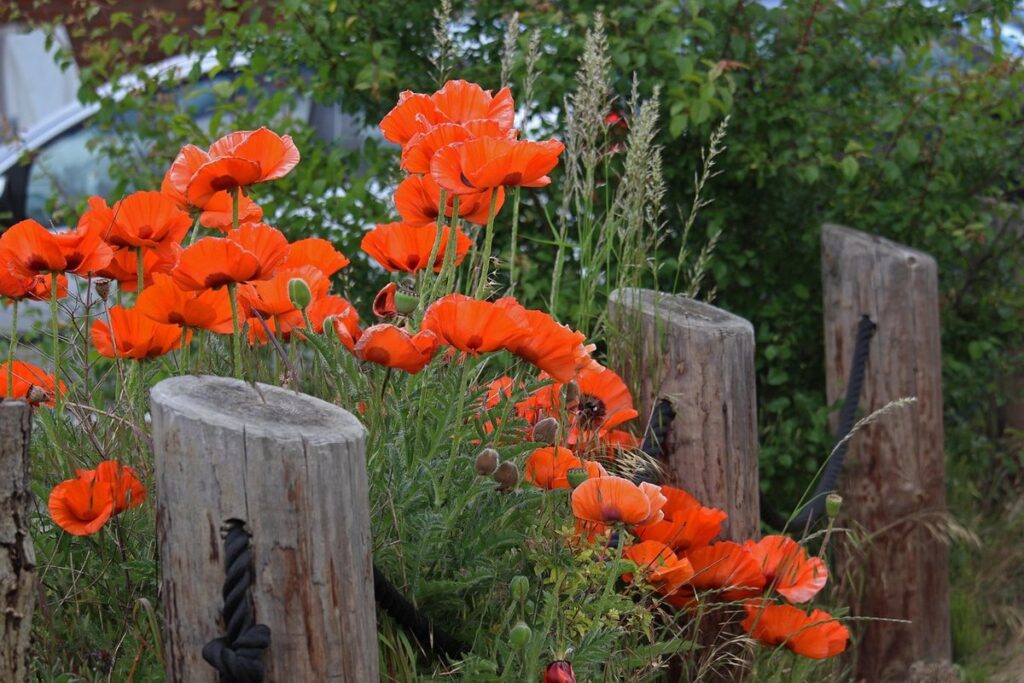
Benefits and Basics of Front Yard Meadows
Now that you have a solid understanding of what front yard meadows are, let’s dive into the benefits and basics to help guide your design decisions.
What are Front Yard Meadows?
Front yard meadows have been gaining popularity over the years due to their numerous benefits and unique charm. But what exactly is a front yard meadow? A front yard meadow is essentially a low-maintenance, drought-tolerant garden that mimics the natural beauty of a wildflower meadow. This concept has its roots in traditional European landscape design, where meadows were intentionally created to provide habitat for wildlife and add visual interest to rural landscapes.
The idea of bringing this concept into modern front yards has been inspired by permaculture and sustainable gardening principles. Front yard meadows offer numerous benefits, including reduced water consumption, increased biodiversity, and a unique aesthetic appeal. They typically consist of a mix of native grasses and wildflowers that are carefully chosen to thrive in your specific climate and soil type. By embracing the natural beauty of your surroundings, front yard meadows can add character and charm to even the most ordinary-looking homes.
Choosing the Right Location for Your Meadow
When it comes to creating a stunning front yard meadow, choosing the right location is crucial. It’s not just about picking an empty space and starting from scratch – you want to set yourself up for success from the beginning. To do this, let’s talk about the key factors to consider when selecting your meadow’s location.
First, sunlight is a major player here. Most wildflowers and grasses love full sun to partial shade, so pick a spot that gets at least 6 hours of direct sunlight per day. If you have a shaded area, don’t worry – some beautiful plants like ferns and hostas thrive in the shade. Next up is soil type: meadows can grow on various soils, but they tend to love well-draining ground with a mix of sand, silt, and clay. Be wary of low-lying areas that might collect water – you don’t want your meadow to become a soggy mess!
Finally, drainage is essential. You want to ensure that excess rainwater doesn’t pool in the area, as this can lead to root rot and other problems. Take note of any slopes or dips in your yard and choose a spot with good flow-through.
When evaluating your front yard for meadow potential, keep these factors top-of-mind. With a little patience and planning, you’ll be well on your way to creating a stunning, thriving meadow that brings joy to both you and the local wildlife!
Understanding the Maintenance Needs of Front Yard Meadows
Maintaining a front yard meadow requires less effort than you might think. One of the most common misconceptions is that a meadow needs regular mowing. While it’s true that a lawn typically needs to be mowed every week or two, a meadow can often go for 2-3 months without needing a trim. However, when it does need mowing, use a high-mow setting (around 6-8 inches) to allow the wildflowers and grasses to thrive.
Watering is another crucial aspect of maintaining a front yard meadow. Since meadows are designed to be drought-tolerant, they don’t require frequent watering. In fact, overwatering can lead to an overgrowth of weeds and reduce the diversity of native plants. Water your meadow when it’s extremely dry for 2-3 consecutive weeks, but make sure not to waterlogged the soil.
Fertilizing is also a topic of debate among gardeners. Since meadows are meant to be low-maintenance, they don’t require regular fertilization. In fact, using too much fertilizer can harm native plants and wildlife. If you must fertilize, use a balanced, organic option that promotes soil health rather than relying on synthetic chemicals.
Designing Your Dream Meadow
Now that you’ve chosen your meadow plants, it’s time to think about how they’ll look together. Let’s dive into designing a beautiful and functional layout for your front yard meadow.
Selecting the Right Plants for Your Meadow
When selecting plants for your front yard meadow, it’s essential to choose low-maintenance options that thrive in a meadow environment. Native species are an excellent choice as they’ve adapted to the local climate and soil conditions over time. For example, wildflowers like black-eyed Susans, coneflowers, and cosmos are not only drought-tolerant but also attract pollinators and add vibrant colors to your meadow.
To ensure your plants receive the right amount of sunlight, consider the location and orientation of your meadow. Most meadow plants prefer full sun to partial shade, so choose spots that receive at least 6 hours of direct sunlight a day. When selecting drought-tolerant options, look for plants with deep taproots or succulent leaves that can store water.
Some excellent native species for meadows include:
* Butterfly milkweed (Asclepias tuberosa) for its clusters of orange flowers
* Little bluestem (Andropogon scoparius) for its delicate blue-green foliage and feathery plumes
* Bee balm (Monarda didyma) for its red, pink, or purple flowers that attract hummingbirds
Remember to choose plants that suit your meadow’s specific climate, soil type, and level of moisture. By selecting the right plants, you’ll create a stunning and low-maintenance front yard meadow that brings joy and beauty to your home.
Creating a Meadow Layout That Works for You
When designing your meadow layout, it’s essential to create a visually appealing mix of plants that work together to draw the eye and create movement. Start by thinking about the color palette you want to achieve – do you prefer a soft, pastel look or a bold, vibrant one? Consider the natural colors of the surrounding landscape and select plants that complement these hues.
In addition to color, think about texture – do you want a mix of tall grasses, delicate wildflowers, and shrubs, or a more uniform texture throughout? To add depth and interest, incorporate plants with varying growth habits, such as clump-forming perennials, spreading groundcovers, and upright shrubs.
Consider the size of your meadow when selecting plants. A smaller space can be overwhelming if you choose too many large plants. On the other hand, a larger area may benefit from a mix of statement plants and filler flowers to create visual balance. Don’t forget about foliage – some plants offer beautiful leaves that add color even when they’re not in bloom.
When planning your meadow layout, sketch out a rough design on paper or use online software to visualize your space. This will help you see how different plants will work together and make adjustments as needed.
Incorporating Hardscaping Elements into Your Meadow Design
When designing your front yard meadow, it’s essential to incorporate hardscaping elements that complement the natural beauty of the space. These features not only add functionality but also create visual interest and depth.
Consider installing a winding path made from permeable pavers or gravel to guide visitors through the meadow. This not only defines the spaces within your design but also allows for easy maintenance and access. For example, you could use a stone or brick pathway that winds its way around native plants, creating a sense of exploration.
A patio area is another excellent hardscaping element to incorporate into your meadow design. Use natural materials such as bluestone or fieldstone to create a seamless transition between the hardscape and softscape elements. A small patio near a water feature can become an inviting spot for relaxation, while a larger patio area can serve as a gathering space for outdoor entertaining.
Water features like rain chains or small ponds add an extra layer of serenity to your meadow design. They also help to attract wildlife, such as birds and butterflies, creating a more dynamic ecosystem.
Planting and Establishing Your Meadow
Now that you’ve prepared your soil, it’s time to plant a diverse array of native flowers, grasses, and shrubs that will thrive in your front yard meadow. This section will guide you through the process.
Preparing the Soil for Your Meadow Plants
Before you start planting your meadow, it’s essential to prepare the soil for optimal growth. This involves testing the pH levels and removing weeds that can compete with your new plants for resources.
To test the pH level of your soil, you’ll need a DIY kit or send a sample to a lab for analysis. Most wildflowers thrive in slightly acidic to neutral soils (pH 6.0-7.5), but this may vary depending on the specific species you’re planting. For example, native grasses tend to prefer more alkaline conditions.
Next, remove any weeds by hand or using an herbicide specifically designed for meadows. Be sure to target only weeds, as broad-spectrum herbicides can harm your new plants. Cut back any dead plant material and aerate the soil to improve drainage and root growth. Finally, incorporate a mix of compost and topsoil to enhance nutrient availability and fertility. This will give your meadow plants a healthy foundation for growth and ensure a vibrant display come springtime. By taking these simple steps, you’ll be setting yourself up for success in creating a stunning front yard meadow that brings joy and beauty to your outdoor space.
Planting Your Meadow: Tips and Tricks
When it comes to planting your meadow, getting it right from the start is crucial for long-term success. Spacing plants correctly will prevent overcrowding and ensure each species has enough room to grow and thrive. A good rule of thumb is to plant native wildflowers at a rate of 1-3 per square foot, depending on their mature size.
It’s also essential to choose the right time to plant your meadow. In temperate climates, spring or fall are ideal times for planting as they offer mild temperatures and adequate moisture. Avoid planting in extreme weather conditions, such as intense heat or cold snaps, which can stress new plants and reduce their chances of survival.
When selecting plants, don’t be afraid to mix grasses with wildflowers – it’s a great way to add texture and interest to your meadow. For example, you could plant tall grasses like Indian grass or big bluestem alongside low-growing wildflowers like coneflower or black-eyed Susan. This diverse approach will create a visually appealing landscape that attracts pollinators and other beneficial wildlife.
Watering and Caring for Your Established Meadow
Once you’ve established your meadow, regular watering and maintenance will ensure its continued health and beauty. During the first year, it’s essential to water your meadow deeply but infrequently to encourage deep root growth. Aim to provide about 1 inch of water per week, either through rainfall or irrigation.
As for pest control, meadows are naturally less susceptible to pests compared to traditional lawns. However, watch out for common issues like white grubs and chinch bugs. To prevent these problems, introduce beneficial insects like ladybugs and lacewings into your meadow. These natural predators will help keep pest populations under control.
Regular maintenance also involves mowing and pruning as needed. For most meadows, a single mow per year is sufficient to maintain shape and promote new growth. Avoid over-mowing, which can lead to weed invasion and reduced biodiversity. Regularly inspect your meadow for signs of disease like powdery mildew or leaf spot, and take action promptly if you notice any issues.
Keep in mind that meadows are low-maintenance ecosystems, so it’s crucial not to over-manage them. By striking the right balance between watering, pruning, and pest control, you’ll be able to enjoy your beautiful front yard meadow for years to come.
Maintenance and Upkeep of Your Front Yard Meadow
Now that your meadow is thriving, it’s essential to establish a regular maintenance routine to keep it healthy, vibrant, and looking its best year-round. This involves tasks like mowing, pruning, and monitoring for pests.
Mowing and Trimming Your Meadow
Mowing and trimming your meadow is an essential part of its maintenance. When deciding on how often to mow or trim, consider the type of grasses and wildflowers you have in your meadow. Perennial grasses like tall fescue and blue grama require less maintenance than annuals or biennials.
A general rule of thumb is to mow or trim your meadow when it reaches a height of 6-8 inches, which usually occurs once a season. However, some wildflowers may go to seed or drop their flowers if not trimmed in time. A good tip is to mow in late spring or early summer, removing no more than one-third of the foliage to allow new growth and prevent damage.
Using a mower specifically designed for meadows can make a significant difference. These mowers are typically equipped with higher blades that allow you to cut taller grasses without damaging them. Regular maintenance will also ensure your mower stays in good working condition, preventing clogs or other issues.
Some popular options for meadow mowers include walk-behind mowers and ride-on mowers. When choosing a mower, consider the size of your meadow and your personal preference for a manual or powered option.
Dealing with Pests and Diseases in Your Meadow
As you tend to your meadow, it’s not uncommon for pests and diseases to pop up. Identifying these issues early on is key to preventing damage and maintaining the health of your plants. Common pests like aphids, whiteflies, and spider mites can be identified by their distinctive appearances or behaviors. For example, aphids are small, soft-bodied insects that feed on plant sap, causing curled or distorted leaves.
Diseases such as powdery mildew, rust, and leaf spot can also affect your meadow plants. These issues often manifest as white, yellow, or black spots on leaves, or a fine white powder on stems and leaves.
To manage pests organically, introduce beneficial insects like ladybugs or lacewings to prey on the problem species. For instance, introducing a few dozen ladybugs can help control aphid populations. Neem oil, garlic spray, and soaps can also be used as natural pesticides. To prevent disease, ensure good air circulation by keeping plants spaced properly, watering at soil level to avoid wetting leaves, and removing any diseased material promptly. Regular monitoring and prompt action will help keep your meadow healthy and thriving.
Keeping Your Meadow Looking Its Best Year-Round
To keep your meadow looking its best year-round, it’s essential to focus on seasonal maintenance tasks and incorporate decorative ideas that enhance its natural beauty. As the seasons change, so do the needs of your meadow. In spring, remove dead plant material and weeds that may have accumulated over winter. This will help prevent overcrowding and promote healthy growth.
Summer is a great time to divide and replant perennials, taking into account their mature size and spreading habits. This will maintain a balanced appearance and allow for air circulation, reducing the risk of disease. Fall brings opportunities to add compost or mulch to the soil, replenishing nutrients and retaining moisture. You can also prune deciduous shrubs and trees to maintain shape and promote new growth.
Decorative ideas can elevate your meadow’s aesthetic appeal without sacrificing its natural charm. Consider adding a statement piece, such as a metal sculpture or weathered stone bench, to create visual interest. Alternatively, use solar-powered lights to highlight specific areas of the meadow or add a sense of ambiance in the evening.
Frequently Asked Questions
Can I start a front yard meadow if my climate is extremely cold or hot?
Yes, with proper planning and plant selection, you can create a thriving meadow even in challenging climates. Consider consulting with a local nursery or expert to choose plants that are adapted to your region’s specific conditions.
How do I deal with weeds and invasive species in my front yard meadow?
Regular maintenance is key to preventing weeds and invasive species from taking over. Regularly inspect your meadow, remove any unwanted growth, and consider implementing a mulch layer or using a natural weed barrier to suppress competition.
Can I still have a front yard meadow if I have limited space or a small yard?
Absolutely! Even small spaces can benefit from a meadow design. Consider using vertical planters, containers, or a compact meadow layout to maximize space and create a beautiful pollinator-friendly area in your yard.
How long does it take for a front yard meadow to establish itself?
With proper care and maintenance, a front yard meadow typically takes 1-2 growing seasons to fully establish. Be patient, as this process can vary depending on factors like climate, soil quality, and plant selection.
Can I use existing plants in my lawn or do I need to start from scratch?
You can definitely incorporate existing plants into your meadow design. Consider identifying native species and integrating them into your meadow layout. This approach not only reduces waste but also creates a more diverse and resilient ecosystem.