
Are you tired of mowing your lawn every weekend? Do you want to create a beautiful outdoor space with minimal maintenance? You’re not alone. Many homeowners are turning to ornamental grass lawns as an eco-friendly alternative to traditional turf. These low-maintenance lawns require less water and need mowing only once or twice a year, making them perfect for busy homeowners.
In this article, we’ll explore the advantages of ornamental grass lawns and provide you with a step-by-step guide on how to design, install, and maintain your own beautiful and sustainable lawn. From selecting the right species to tips on care and maintenance, we’ll cover everything you need to know about creating a stunning ornamental grass lawn that not only looks great but also helps reduce your environmental footprint.
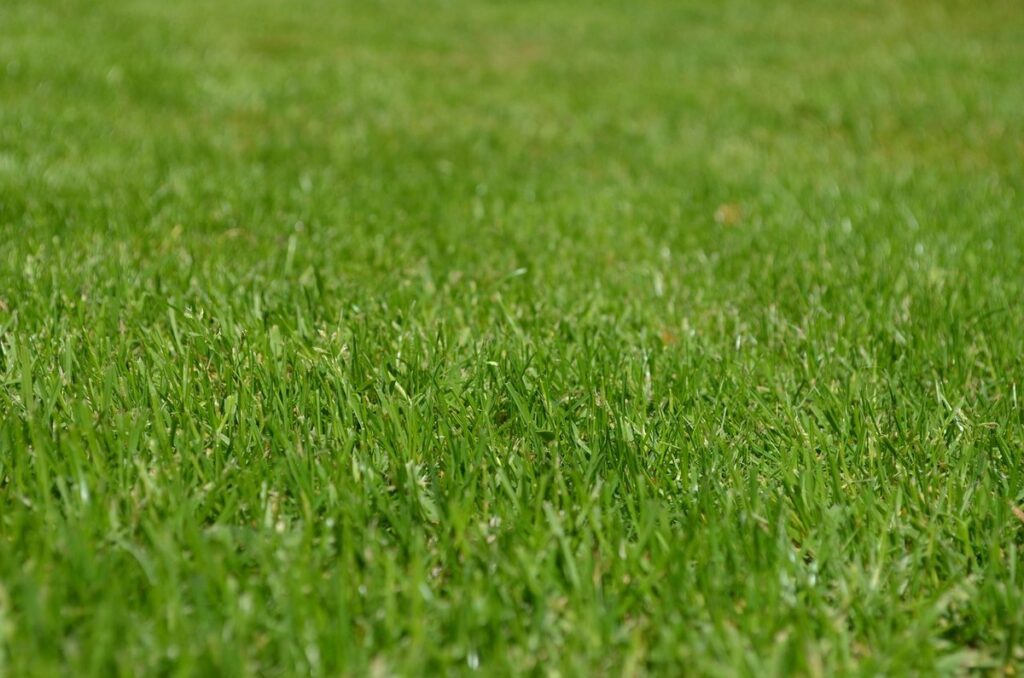
Introduction to Ornamental Grass Lawns
Ornamental grass lawns offer a low-maintenance, visually appealing alternative to traditional lawn options. This introduction will cover the basics of creating and caring for an ornamental grass lawn.
What are Ornamental Grasses?
Ornamental grasses are becoming increasingly popular as a lawn alternative due to their numerous benefits and low-maintenance requirements. These versatile plants come in a wide range of species, each with its unique characteristics, growth habits, and textures.
One of the main advantages of ornamental grasses is their ability to thrive in areas with poor soil quality or full sun, making them an excellent choice for lawns that struggle with traditional grass types. They also require less water and mowing, which can save homeowners time and money on upkeep. Additionally, ornamental grasses are resistant to pests and diseases, reducing the need for pesticides and other chemicals.
Some popular varieties of ornamental grasses include Pampas Grass, Blue Oat Grass, and Fountain Grass, each with its own distinctive appearance and growth pattern. For example, Pampas Grass is known for its feathery plumes and ability to grow up to 10 feet tall, while Blue Oat Grass has a more delicate appearance and is often used in combination with other plants for a layered look. When choosing an ornamental grass, consider the specific growing conditions and desired outcome to ensure the best results.
Types of Ornamental Grasses
When it comes to choosing ornamental grasses for your lawn, you’ll find an array of options that cater to different climates, soil types, and desired textures. Some of the most popular varieties include Pampas Grass (Cortaderia selloana), Blue Oat Grass (Helictotrichon sempervirens), and Fountain Grass (Pennisetum setaceum).
Pampas Grass is a showstopper with its dramatic plumes that can reach up to 10 feet tall. It’s an excellent choice for adding movement and texture to your lawn, but be aware that it can grow quite large and may require regular pruning.
Blue Oat Grass, on the other hand, boasts beautiful silvery-blue foliage and is more compact in size, making it perfect for smaller lawns or containers. Its ability to thrive in poor soil conditions also makes it an excellent choice for areas with challenging terrain.
Fountain Grass is another popular option, featuring vibrant pink or purple plumes that add a pop of color to your lawn. It’s relatively low-maintenance and can tolerate drought conditions, but be sure to prune it regularly to prevent seed heads from forming.
When selecting ornamental grasses for your lawn, consider factors such as climate, soil type, and desired texture to ensure the best results.
Designing Your Ornamental Grass Lawn
When designing your ornamental grass lawn, choosing a variety that suits your climate and desired look is key to creating a stunning outdoor space. Select from numerous species to find the perfect fit for you.
Choosing the Right Variety
When it comes to designing your ornamental grass lawn, choosing the right variety is crucial for its success. With over 400 species of ornamental grasses to choose from, selecting the perfect one can be overwhelming. To narrow down your options, consider three key factors: climate, soil type, and desired look.
First, evaluate your local climate. Some ornamental grasses thrive in hot, dry conditions, while others prefer cooler, more humid climates. For example, Pampas Grass (Cortaderia selloana) is ideal for warm climates with full sun, whereas Japanese Silvergrass (Miscanthus sinensis) performs better in temperate regions with moderate temperatures.
Next, consider your soil type. Some ornamental grasses prefer well-draining soils, while others tolerate wet conditions. For instance, Blue Oat Grass (Helictotrichon sempervirens) thrives in dry to medium moisture levels, whereas Soft Rush (Juncus effusus) can handle saturated soils.
Lastly, think about the aesthetic you want to achieve. Do you prefer a delicate, airy texture or a bold, dramatic display? By considering these factors and exploring different species, you’ll be able to choose the perfect ornamental grass variety for your lawn.
Planning the Layout
When designing the layout for your ornamental grass lawn, it’s essential to consider the visual elements that will create an attractive and cohesive look. Start by thinking about texture – mix tall, upright species with shorter, more compact ones to add depth and interest. For example, pair a dramatic fountain grass (Pennisetum setaceum) with a smaller, more delicate blue oat grass (Helictotrichon sempervirens).
Next, consider color. Ornamental grasses come in a range of hues, from subtle pastels to vibrant yellows and reds. Combine warm-toned species like purple fountain grass with cool-toned ones like blue fescue for a visually striking contrast. Movement is also crucial – incorporate different growth habits, such as clump-forming, spreading, or upright, to create dynamic lines and shapes.
To achieve a cohesive look, group similar species together in odd-numbered clusters (three, five, or seven). This will help create visual balance and make the lawn feel more harmonious. Remember, it’s all about mixing and matching different textures, colors, and growth habits to create a unique and eye-catching design that showcases your ornamental grasses at their best.
Installation and Maintenance
To ensure your ornamental grass lawn thrives, it’s essential to understand the proper installation process and regular maintenance tasks you’ll need to perform. We’ll walk you through these crucial steps next.
Preparing the Site
Before planting your ornamental grass lawn, it’s essential to prepare the site correctly. This involves assessing and improving the soil quality, ensuring good drainage, and creating a stable base for healthy growth.
To start, test your soil type and pH level. Most ornamental grasses prefer well-draining soil with a slightly acidic to neutral pH (around 6.0-7.0). Based on your results, you may need to add organic matter like compost or manure to improve fertility and structure. If your soil is heavy clay or sandy, consider mixing in perlite or sand to adjust its texture.
Proper drainage is also vital for ornamental grasses, which are susceptible to root rot if the water table is too high. Check the slope of your lawn and ensure it allows excess water to flow away from the planting area. If necessary, create a slight gradient by raking in topsoil or installing a French drain.
Lastly, remove any debris, weeds, or existing vegetation from the site. This will give you a clean slate for planting and help prevent competition for nutrients and resources.
Planting and Irrigation
When planting ornamental grasses, it’s essential to follow proper techniques to ensure a healthy and thriving lawn. Start by preparing the soil, loosening it to a depth of about 12 inches. This will allow for good drainage and root growth.
Next, measure out the correct spacing between plants, which is typically around 12-18 inches depending on the type of grass. Plant them at the same depth as they were in their pots, making sure not to compact the soil.
Proper watering techniques are crucial during the establishment phase. Water newly planted ornamental grasses regularly, but avoid overwatering, which can lead to root rot and other problems. Aim for about 1 inch of water per week, either from rain or irrigation systems.
Fertilization should be done in moderation, as ornamental grasses have shallow roots and require minimal nutrients. Apply a balanced fertilizer in early spring, following the manufacturer’s instructions.
Benefits of Ornamental Grass Lawns
One of the most appealing aspects of ornamental grass lawns is their numerous benefits, which we’ll dive into next. Let’s explore the advantages of switching to a low-maintenance, eco-friendly lawn option.
Environmental Advantages
One of the most significant benefits of ornamental grass lawns is their positive impact on the environment. Unlike traditional lawns, which require vast amounts of water and maintenance, ornamental grasses are incredibly efficient and sustainable.
For instance, many types of ornamental grasses can survive with minimal watering, some even going dormant during periods of drought. This means that homeowners can save a significant amount on their water bills each year. According to the US Environmental Protection Agency (EPA), replacing traditional lawns with low-maintenance groundcovers like ornamental grasses can reduce residential water consumption by up to 50%. Additionally, with no need for frequent mowing, ornamental grass lawns require significantly less maintenance, freeing up time and resources for more enjoyable activities.
Another advantage of ornamental grass lawns is their ability to provide natural habitats for local wildlife. The seed heads and stalks of these plants offer a food source for birds and small animals during the winter months, while the dense foliage provides shelter from harsh weather conditions. By incorporating ornamental grasses into your landscape design, you can create a thriving ecosystem that benefits both your yard and its inhabitants.
Aesthetic Appeal
An ornamental grass lawn is not just a functional space, but also a visually stunning one. One of the most significant benefits of having an ornamental grass lawn is its aesthetic appeal. The unique textures and colors of ornamental grasses can add depth and interest to any landscape.
Ornamental grasses come in a wide range of colors, from soft pastels to deep jewel tones, allowing you to choose a shade that complements your home’s exterior or surrounding plants. Their foliage also offers varying textures, from delicate wisps to robust plumes, creating visual interest throughout the seasons.
In addition to their static beauty, ornamental grasses are dynamic and move gently in the breeze, adding an element of movement to your lawn. This kinetic quality can create a soothing and calming atmosphere, perfect for outdoor spaces meant for relaxation.
Common Challenges and Solutions
As you enjoy the beauty of your new ornamental grass lawn, you may encounter some challenges along the way – but don’t worry, we’ve got solutions to common problems.
Pests and Diseases
As you enjoy the benefits of an ornamental grass lawn, it’s essential to be aware of potential pests and diseases that can impact its health. Common culprits include chinch bugs, billbugs, and white grubs, which feed on the grass blades and roots. These pests can cause yellowing or browning of the grass, leading to unsightly patches.
Diseases like powdery mildew and rust also commonly affect ornamental grasses. Powdery mildew appears as a white, powdery coating on the leaves, while rust causes orange or yellow spores to form on the blades. Regular watering and high humidity can exacerbate these issues.
To prevent pests and diseases, maintain good lawn hygiene by removing debris and weeds that can harbor pests. Water your ornamental grass lawn deeply but infrequently to encourage deep root growth, making it more resilient to pest damage. Apply a fungicide or insecticide as needed, following the product’s instructions carefully to avoid harming the environment.
Early detection is key; inspect your lawn regularly for signs of pests or diseases. With prompt action and proper care, you can keep your ornamental grass lawn healthy and thriving.
Seasonal Care
Maintaining an ornamental grass lawn requires attention to seasonal changes. As temperatures fluctuate and weather conditions become harsher, it’s essential to adapt your care routine.
During the growing season, typically from spring to fall, ornamental grasses require regular watering, fertilization, and pruning to maintain their vibrant colors and textures. However, as the seasons transition into dormancy periods, usually during winter or early spring, ornamental grasses prepare for reduced growth by going dormant.
To ensure your lawn remains healthy during these periods, it’s crucial to implement proper winter protection measures. Start by cutting back dead plant material to about 3-4 inches from the ground, and apply a layer of mulch or straw to protect against harsh weather conditions and erosion.
Monitor soil moisture levels closely during dormancy periods, as ornamental grasses require less water but still need some maintenance to prevent root rot. Apply a balanced fertilizer in early spring when new growth begins, following the recommended application rates to avoid over-fertilizing your lawn.
Conclusion and Next Steps
Now that you’ve learned how to create a stunning ornamental grass lawn, let’s take a final look at what you’ve accomplished and plan for future maintenance.
Recap of Key Points
As we conclude our exploration of ornamental grass lawns, let’s recap the key points to help you successfully implement this beautiful and low-maintenance option for your outdoor space.
Recall that one of the primary benefits of an ornamental grass lawn is its drought tolerance. This makes it an ideal choice for water-conscious homeowners or those living in areas with limited rainfall. With proper care, these lawns can thrive in conditions where traditional turf would struggle to survive.
In terms of design considerations, we discussed how ornamental grasses come in a wide range of colors, textures, and heights, allowing you to create unique and visually appealing landscapes. To maintain your ornamental grass lawn, be sure to water it regularly during its first year of growth and fertilize it annually with a balanced fertilizer.
We also touched on the importance of proper mowing techniques when caring for an ornamental grass lawn. Avoid using a traditional lawnmower, which can damage the delicate blades of these plants. Instead, use a string trimmer or leave your ornamental grasses in their natural state to preserve their unique beauty and structure. By following these simple guidelines and tips, you’ll be well on your way to enjoying the stunning benefits of an ornamental grass lawn in your own outdoor space.
Final Thoughts and Inspiration
As you’ve learned about the benefits and care of an ornamental grass lawn, we hope you’re inspired to consider making the switch from traditional turf. These beautiful and low-maintenance lawns bring a unique charm to any outdoor space. Not only do they require less water and maintenance than traditional grass, but they also provide year-round interest with their ever-changing colors and textures.
If you’re thinking about incorporating ornamental grasses into your landscape, start by choosing a mix of species that will thrive in your climate and soil type. Consider layering different heights and textures to create depth and visual interest. For example, tall fescue or pampas grass can provide a dramatic backdrop for smaller varieties like blue oat grass or fountain grass.
Remember, ornamental grasses are incredibly versatile and can be used in a variety of ways, from formal borders to informal meadow plantings. Don’t be afraid to get creative and experiment with different combinations to find the look that works best for you. With a little planning and care, your new ornamental grass lawn will become a stunning focal point in your outdoor space.
Frequently Asked Questions
Can I mix different types of ornamental grasses together to create a unique lawn design?
Yes, mixing different species can add visual interest and texture to your lawn. However, it’s essential to choose varieties with similar growing conditions and maintenance requirements. Consider factors like sunlight, soil type, and moisture needs when selecting complementary species.
How often should I mow my ornamental grass lawn during the growing season?
Ornamental grasses typically require less mowing than traditional turf. For most species, you’ll need to mow only once or twice a year, usually in late spring or early summer. Be sure to remove no more than one-third of the foliage at each mowing to avoid stressing the plants.
Can I plant ornamental grasses in areas with poor drainage?
Yes, many ornamental grass species are tolerant of wet conditions and can thrive in areas with poor drainage. However, some varieties may still require occasional irrigation during prolonged dry spells. Research specific planting recommendations for your region’s climate and soil type to ensure success.
How do I control weeds in my newly established ornamental grass lawn?
Preventing weeds is easier than controlling them after they’ve taken hold. Mulch or use a weed barrier to suppress growth, especially during the first year after installation. Regularly remove weeds by hand or with a tool before they produce seeds, and consider applying a pre-emergent herbicide in early spring if necessary.
Can I use ornamental grasses as a solution for areas with intense foot traffic?
Yes, some ornamental grass species are more durable and can handle heavy foot traffic. For example, ‘Blue Oat Grass’ and ‘Pampas Grass’ have robust growth habits and can tolerate frequent use. However, it’s still essential to maintain proper mowing and watering practices to ensure their longevity in high-traffic areas.