
Pruning your hydrangeas in the right season is crucial for encouraging healthy blooms and growth. Many gardeners wonder if it’s too late to prune their hydrangeas in summer, but the answer is yes, you can still do so with great results. Pruning hydrangeas during this time can be a bit tricky, especially if you’re new to gardening. To avoid common mistakes that can harm your plants, it’s essential to understand the best pruning techniques and schedules for summer. In this article, we’ll walk you through the ins and outs of pruning hydrangeas in summer, including tips on when to prune, how to prune correctly, and what to watch out for to ensure a bountiful harvest of beautiful blooms.
Understanding Hydrangea Types and Their Needs
Hydrangeas come in various types, each with unique characteristics that impact their pruning needs. Knowing your hydrangea’s type will help you tailor your summer pruning approach.
Bigleaf vs. Panicle vs. Smooth Hydrangeas
When it comes to pruning hydrangeas in summer, understanding the specific needs of different types is crucial. Let’s take a closer look at three common varieties: Bigleaf, Panicle, and Smooth Hydrangeas.
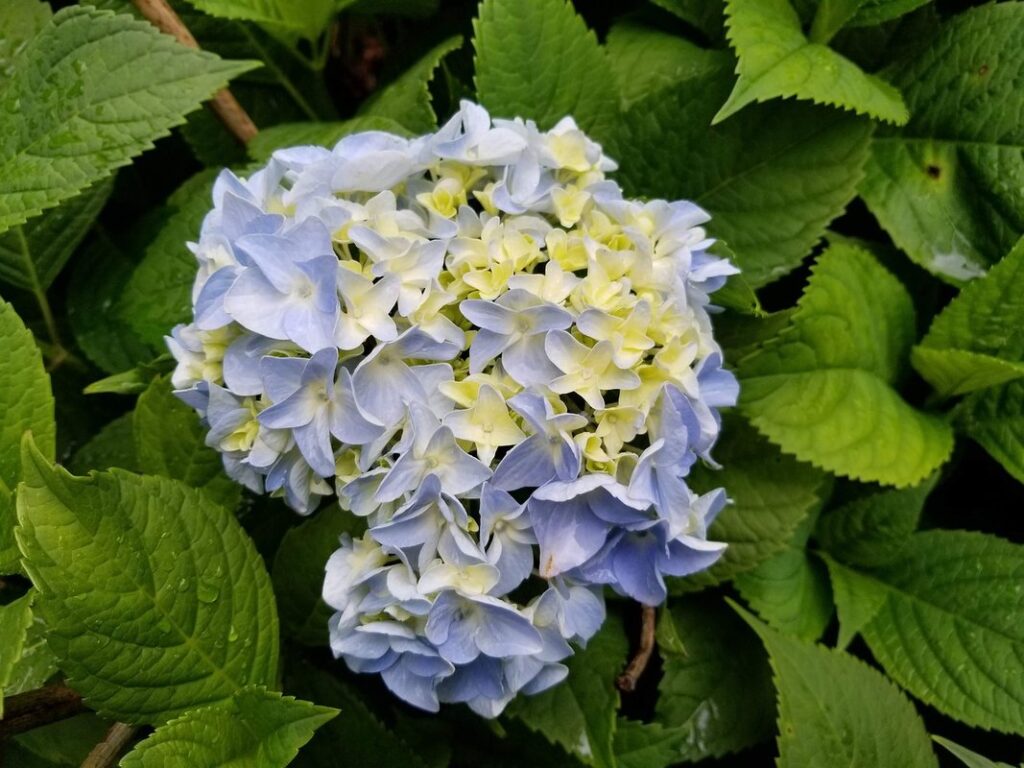
Bigleaf Hydrangeas (Hydrangea macrophylla) are known for their large, showy flowers that can be either blue or pink, depending on the soil pH. These hydrangeas bloom in mid-to-late summer and require regular pruning to maintain shape and encourage new growth. Prune Bigleaf Hydrangeas immediately after blooming, removing spent flowers and about one-third of the plant’s foliage.
In contrast, Panicle Hydrangeas (Hydrangea paniculata) have a more upright growth habit and produce long panicles of small white or pink flowers. They bloom in mid-to-late summer and require minimal pruning, as their stems can grow up to 10 feet tall. Prune Panicle Hydrangeas lightly in late winter or early spring to maintain shape.
Smooth Hydrangeas (Hydrangea arborescens) have large, rounded clusters of white flowers that bloom in mid-to-late summer. They require minimal pruning and can tolerate some neglect, but will benefit from regular watering and fertilization. When pruning Smooth Hydrangeas, remove any dead or damaged branches to maintain health and promote new growth.
When pruning any type of hydrangea in summer, be sure to use sharp, clean tools and make precise cuts just above a bud eye or a lateral branch. This will help the plant heal quickly and reduce the risk of disease or pests.
Identifying the Right Pruning Time for Your Hydrangea Type
When pruning hydrangeas in summer, it’s essential to consider the type of hydrangea you’re working with. Bigleaf (Hydrangea macrophylla) and Oakleaf (Hydrangea quercifolia) hydrangeas require careful attention during this time.
For Bigleaf hydrangeas, prune immediately after blooming in summer, as they tend to flower on old wood. This means cutting back the flowers themselves right after they’ve finished blooming, rather than pruning the plant itself. Prune no later than July 15th to avoid heat stress and potential frost damage.
Oakleaf hydrangeas, on the other hand, can be pruned in late summer, around August or September. Since they bloom on old wood as well, pruning after blooming will help maintain their shape and promote healthy growth for next year’s flowers.
End-of-season pruning is also crucial to ensure your panicle (Hydrangea paniculata) and smooth hydrangeas (Hydrangea arborescens) stay compact and don’t overgrow. Prune these varieties in late August or early September, as they tend to bloom on new wood. Be cautious not to prune too much at once, as this can cause stress to the plant.
Consider your local climate when pruning hydrangeas in summer. If you live in an area prone to frost, wait until the risk of frost has passed before making any cuts.
Why Summer Pruning Is Necessary
You might be wondering why you need to prune your hydrangeas in the summer at all – it’s a bit counterintuitive, but trust us, it’s necessary for their long-term health and vibrancy.
Encouraging New Growth and Blooms
When you prune hydrangeas in summer, it may seem counterintuitive that it can actually stimulate new growth and encourage blooming for the next season. However, this is indeed true, as summer pruning can help control the plant’s energy resources, directing them towards producing flowers.
To achieve maximum flower production, focus on removing about one-third of the stems in mid-to-late summer. This will help the plant direct its energy towards producing buds and flowers for the following season. Cut back branches that are growing leggy or bare at the tips, as these areas tend to produce fewer blooms.
When pruning for new growth, cut just above a leaf node, making clean cuts using sharp, sterile tools. Avoid cutting too much of the plant’s structure in one session, as this can shock the roots and cause more harm than good. Pruning hydrangeas in summer encourages the plant to put its energy into producing new flowers, resulting in an abundance of blooms for the next growing season.
Removing Dead or Damaged Buds
Removing dead, diseased, or damaged buds is an essential step in maintaining the health and beauty of your hydrangea plants. When these buds remain on the plant, they can serve as a conduit for disease to spread, infecting other parts of the plant and even adjacent plants. This is especially true for fungal diseases like powdery mildew and root rot, which thrive in moist environments.
To prevent this from happening, inspect your hydrangea regularly during the summer months, looking for any signs of damage or disease on the buds. If you notice any issues, remove the affected bud immediately to contain the problem and prevent its spread. Use sterile pruning tools to avoid transferring bacteria or fungi to healthy areas of the plant.
It’s also crucial to disinfect your pruning tools between cuts to minimize the risk of transferring diseases from one part of the plant to another. By removing dead or damaged buds, you’ll not only protect your hydrangea but also promote healthy growth and encourage new blooms in the coming seasons.
Summer Pruning Techniques for Hydrangeas
If you’re pruning hydrangeas during the summer months, there are specific techniques to keep in mind to avoid damaging your blooms and encourage healthy growth. Here’s what you need to know about pruning in mid-summer.
Cutting Back Overgrown Canes
Cutting back overgrown canes is an essential step in maintaining the health and appearance of your hydrangeas during the summer months. When to make these cuts is crucial, as pruning at the wrong time can lead to damage or even kill the plant.
Begin by removing any dead, diseased, or damaged stems completely, making clean cuts just above a growth node using sharp, sterile pruning tools. This will help prevent the spread of disease and encourage new growth.
Next, focus on cutting back overgrown canes that are growing inwards towards the center of the plant, as these can lead to a constricted shape and reduced flowering potential. Cut these stems back by about one-third to one-half, making sure to remove any weak or spindly growth. This will allow more sunlight to reach the inner stems, promoting healthy growth and flower production.
When cutting, make angled cuts just above a growth node, and avoid leaving stubs that can become entry points for disease. By following these steps, you’ll be able to restore your hydrangea’s natural shape and promote healthy growth throughout the rest of the growing season.
Removing Spent Blooms and Foliage
When you notice that your hydrangea’s blooms have faded or turned brown, it’s time to remove them. This process is called deadheading and is an essential step in maintaining the health and appearance of your plant. Start by cutting off the spent blooms at the base of the stem using a pair of clean pruning shears. Make the cut just above a node, which is the point where a leaf meets the stem.
Removing spent blooms encourages new growth from old wood, which means that your hydrangea will produce new flowers and leaves from the same stems it’s already grown on. This can be especially helpful if you have a big-leaf or oakleaf hydrangea variety, as they tend to bloom less frequently than panicle or smooth hydrangeas.
After removing the spent blooms, take a closer look at your plant’s foliage. If any leaves are wilted, yellow, or brown, remove them as well. This will help prevent disease from spreading and promote healthy growth throughout the rest of the summer.
Common Mistakes to Avoid When Pruning Hydrangeas in Summer
Pruning hydrangeas in summer can be tricky, and making a few common mistakes can have lasting effects on your plants’ health. Let’s take a look at what to avoid when pruning these beautiful blooms during the warmer months.
Over-Pruning: The Biggest No-No for Hydrangea Care
When pruning hydrangeas in summer, it’s easy to get carried away and end up with over-pruning – a mistake that can have far-reaching consequences for the health and blooming potential of your plants. One of the most significant risks associated with over-pruning is reduced blooming potential. When you remove too much of the plant, you’re essentially removing the buds that would eventually produce flowers.
In fact, many hydrangea varieties produce their flower buds in the fall or early spring, but these buds are sensitive to pruning, especially if it’s done in summer. Pruning back stems by more than one-third can trigger the plant into producing new growth at the expense of flowering. This means you may end up with fewer flowers come next season.
To avoid this mistake, resist the temptation to prune too much of your hydrangea. Instead, focus on removing only the dead, diseased, or damaged branches. Take a step back and evaluate what’s truly necessary – if in doubt, it’s better to err on the side of caution and prune less rather than more.
Pruning at the Wrong Time or With the Wrong Tools
When pruning hydrangeas in summer, it’s not just about using the right techniques – it’s also crucial to avoid making mistakes that can lead to damage, disease, and even death of the plant. Two common pitfalls are pruning at the wrong time or with the wrong tools.
Pruning too early, usually before the new growth has had a chance to mature, can cause significant stress to the plant. This is because hydrangeas typically grow new flowers on old wood, which means that any cuts made now will reduce flower production for next year’s blooms. For instance, if you prune your Bigleaf Hydrangea (Hydrangea macrophylla) in early summer, you may inadvertently eliminate the buds that would have produced beautiful blue or pink flowers come fall.
Similarly, pruning too late can also be detrimental. Waiting until mid-to-late summer to prune your hydrangeas can lead to an increased risk of disease and pest infestations, as the plant is already under stress from heat and dry conditions. And, using dull or dirty tools will only exacerbate the problem, making clean cuts impossible and spreading diseases from one plant to another.
It’s essential to use sharp, clean pruning shears when trimming your hydrangeas in summer. This will not only ensure a smooth cut but also prevent the spread of diseases like bacterial blight and powdery mildew. To maintain your tools’ sharpness, regularly clean them with soap and water, and store them in a dry place.
Additional Tips for a Healthy Hydrangea Plant
To keep your hydrangea thriving, consider these extra tips to ensure you’re providing optimal care and conditions for your plant’s growth. This includes addressing common issues that can arise after pruning.
Mulching and Watering After Pruning
After pruning your hydrangea plant in summer, it’s essential to provide it with the right care to help it recover and thrive. Mulching is a great way to retain moisture, suppress weeds, and regulate soil temperature. Apply a 2-3 inch layer of organic mulch, such as bark chips or wood shavings, around the base of your hydrangea plant. This will also help to retain moisture in the soil, reducing the need for frequent watering.
Watering is crucial after pruning, especially during hot summer months. Check the soil regularly by sticking your finger into it up to the first knuckle. If the soil feels dry, it’s time to water. Water thoroughly until the soil is moist but not waterlogged. Avoid overwatering, which can lead to root rot and other problems.
You may also want to consider fertilizing your hydrangea plant after pruning. A balanced fertilizer (10-10-10) will provide essential nutrients for healthy growth. However, wait at least 2-3 weeks after pruning before applying any fertilizer to allow the plant to recover from the shock of pruning.
Protecting Your Hydrangeas from Pests and Diseases
As you’ve worked hard to prune your hydrangeas during the summer months, it’s essential to protect these beautiful flowers from common pests and diseases that thrive in warm weather. Aphids, whiteflies, and spider mites are frequent visitors to hydrangea gardens, feeding on sap and causing curled or distorted leaves.
To prevent infestations, inspect your plants regularly for signs of pests and take action promptly. Mix neem oil with water according to the label instructions and spray it on the undersides of leaves, stems, and blooms. This natural pesticide will help deter pests without harming beneficial insects.
Diseases like powdery mildew, leaf spot, and root rot can also infect your hydrangeas during summer. Preventative measures include providing good air circulation around plants, watering at the base rather than overhead, and removing any infected leaves or debris to prevent the spread of disease.
Keep in mind that fungal diseases thrive in humid conditions, so ensure proper drainage and avoid overwatering your hydrangeas. Regularly inspect your plants for signs of infection, and take prompt action by treating with a fungicide according to the manufacturer’s instructions.
Frequently Asked Questions
How often should I prune my hydrangeas after summer pruning?
Pruning your hydrangeas in the right season is crucial, but it’s also essential to maintain regular pruning throughout the growing season. Typically, you’ll want to prune every 4-6 weeks during the active growth period, making sure to remove any dead or damaged buds and cut back overgrown canes.
What if I notice my hydrangea blooms are turning brown or wilted after summer pruning?
If your hydrangeas’ blooms are browning or wilting after pruning, it could be a sign of over-pruning. Try reducing the amount of pruning you’re doing, especially during the active growth period. Remember to remove only what’s necessary for shape and new growth.
How do I prevent pests and diseases from affecting my hydrangea after summer pruning?
To protect your hydrangeas from pests and diseases, make sure to prune at the right time (immediately after blooming) and use clean, sharp tools. Also, keep an eye out for signs of infestation or infection, such as white powdery patches or sticky sap.
Can I still expect blooms in the next growing season if I prune my hydrangeas too late?
Yes, if you prune your hydrangeas during the right time (immediately after blooming), you should be able to see new growth and blooms in the following year. Keep in mind that some varieties might take a little longer than others to recover from pruning.
What’s the best way to care for my hydrangea plant after summer pruning?
After pruning your hydrangeas, make sure to provide them with adequate mulch and water. This will help promote healthy growth and prevent stress on the plant. Also, keep an eye out for any signs of pests or diseases, and take action promptly if you notice anything unusual.