
As we welcome the warmer days of spring, your rose bushes are probably bursting with new growth. But did you know that spring is actually the perfect time to prune your roses? Not only does pruning promote healthy growth and blooming, but it also helps prevent disease and encourages a lush, vibrant display of flowers all season long. Pruning can be intimidating, especially if you’re new to gardening or unsure where to start. But don’t worry – with our comprehensive guide, you’ll learn the techniques, tools, and best practices needed to prune your roses like a pro. From how often to prune to the right time for each type of rose, we’ve got you covered in this essential guide to pruning roses in spring.
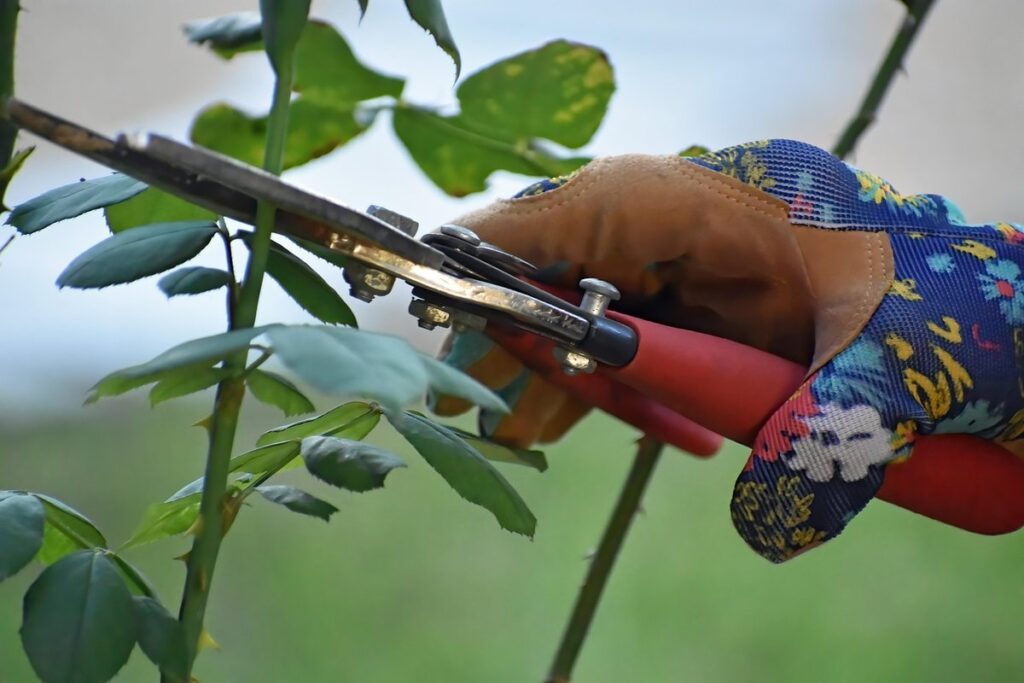
Understanding the Importance of Spring Pruning
When it comes to pruning roses in spring, understanding why it’s so crucial can make all the difference between a healthy thriving plant and one that struggles to survive. Let’s explore the importance of spring pruning for your rose bushes.
Why Prune Roses in Spring
Pruning roses in spring is more than just a necessity; it’s an essential step to ensure they thrive throughout the growing season. When you prune your roses in spring, you’re essentially giving them a fresh start. By removing dead, diseased, or damaged branches, you promote healthy growth and encourage new stem development.
This process also encourages blooming, as pruning stimulates the plant to produce more buds and flowers. Think of it like getting a haircut – when you trim your hair, it grows back thicker and healthier. Similarly, pruning roses in spring helps them direct their energy towards producing beautiful blooms.
By pruning your roses now, you’re also preventing disease from taking hold. Dead branches provide an entry point for pests and diseases to infect the rest of the plant. By removing these weak areas, you significantly reduce the risk of infestation or infection, setting your roses up for a healthy and thriving season.
Identifying the Right Time for Pruning
When it comes to pruning roses in spring, timing is everything. You’ll want to prune at the right moment to ensure healthy growth and optimal blooms. To determine when it’s time to prune, consider the climate and weather conditions in your area.
In general, you can start pruning roses as soon as the last frost has passed and new growth begins to appear. This is usually around late March or early April, depending on your location. However, if you live in an area with mild winters, you may be able to prune earlier.
Before pruning, take a closer look at the plant’s overall health. If the stems are still bare or damaged from winter weather, it’s best to wait until new growth appears before pruning. This will help prevent further damage and promote healthy regrowth.
In addition to climate and plant health, also consider the specific type of rose you’re growing. Some varieties, such as hybrid teas and floribundas, require more aggressive pruning than others, like English roses or shrub roses. By taking these factors into account, you’ll be able to prune your roses at the perfect time for optimal growth and blooms.
Benefits of Regular Pruning
Regular pruning of roses is essential to promote healthy growth and encourage blooming performance. By removing dead, diseased, or damaged branches, you improve air circulation around the plant, reducing the risk of disease and fungal infections. This is particularly important for roses, as they are prone to black spot and powdery mildew. Pruning also helps to remove any weak or spindly growth that can make the plant more susceptible to pests.
In addition to improving plant health, regular pruning can enhance blooming performance by encouraging new stem growth. By cutting back old wood, you stimulate the production of new shoots, which will eventually produce flowers. This is especially true for hybrid tea and grandiflora roses, which tend to bloom on new wood. To maximize blooming potential, prune your rose bushes in late winter or early spring, before new growth begins.
By pruning regularly, you can enjoy a longer blooming season and more vibrant blooms overall.
Preparing Your Tools and Workspace
Before you start pruning, make sure your tools are sharp and your workspace is clear of debris to ensure a safe and efficient process. Gather your essential equipment now!
Choosing the Right Pruning Tools
When it comes to pruning roses in spring, having the right tools for the job is essential. You’ll want a combination of loppers, pruning saws, and secateurs to tackle the task efficiently.
Loppers are perfect for cutting thicker branches up to 2-3 inches in diameter. Look for ones with long handles (at least 30 inches) to provide leverage and reduce strain on your back. Pruning saws, on the other hand, are ideal for cutting thinner stems and can be used for more precise cuts. A good pruning saw should have a sharp blade and be comfortable to hold.
Secateurs (or handheld pruners) are great for making detailed cuts, like shaping and trimming new growth. Choose ones with a high-quality steel blade that will stay sharp even after repeated use. When selecting tools, consider the type of rose you’re working with – some varieties require more delicate care than others. Make sure to sterilize your tools between cuts to prevent spreading diseases.
Creating a Safe Workspace
When pruning roses in spring, it’s essential to create a safe workspace to avoid accidents and maintain your health. Start by clearing any debris or obstacles from the area where you’ll be working. This includes leaves, twigs, and other plant material that could get in the way of your pruning tools or cause tripping hazards.
Wear protective gear, including long sleeves, gloves, and safety glasses, to shield yourself from thorns and potential flying debris. This is especially crucial when dealing with overgrown or diseased rose bushes, as their branches can be brittle and prone to breaking off suddenly.
Maintain good hygiene practices by washing your hands thoroughly after handling pruning tools and plant material. Remove any jewelry that could get caught on thorns, and keep your workspace clean and organized throughout the process. By prioritizing safety and taking these precautions, you’ll be able to focus on effectively pruning your roses without worrying about your well-being.
Basic Pruning Techniques
To prune roses effectively, it’s essential to master basic techniques such as cutting, thinning, and shaping, which will be covered in detail below. These fundamental skills form the foundation of successful rose care.
Removing Dead, Diseased, or Damaged Wood
When pruning roses in spring, it’s essential to remove dead, diseased, or damaged wood to promote healthy growth and prevent disease from spreading. This process is called “sanitation pruning,” and it should be done before new growth begins.
Start by inspecting the rose bush thoroughly, looking for any branches that are dead, diseased, or damaged. These can be identified by their grayish-brown color, blackened tips, or visible signs of disease such as fungal growths or insect infestations. Once you’ve located these areas, cut them off using sharp, sterile pruning tools to prevent the spread of disease.
Cut the branch back to about 6-8 inches from the base of the plant, making a clean cut just above a bud eye (the small swelling on the stem where a new growth will emerge). This will help the plant direct its energy towards producing new, healthy growth. Remember to disinfect your pruning tools between cuts to prevent the spread of disease.
By removing dead, diseased, or damaged wood, you’ll be giving your rose bush a fresh start and setting it up for success throughout the growing season.
Cutting Back Canes
When cutting back canes to promote healthy growth and blooming, consider the cane’s diameter. For new, vigorous shoots, cut them back to about 6-8 inches from the base, removing no more than one-third of the stem’s length. This allows for optimal energy storage, promoting future flowering.
For established stems, typically those over 1 inch in diameter, remove only the dead, diseased, or damaged growth, cutting it off as close to the node (where a leaf meets the stem) as possible. Avoid making clean cuts on these thicker canes, as this can cause damage and promote decay.
If you’re unsure about the cane’s thickness or whether it should be cut back, consider its overall appearance. Does it appear sparse or congested? Is there an abundance of new growth competing with older stems for resources? Assessing your rose bush’s needs will help guide your decision on how to trim back canes effectively.
Keep in mind that cutting too much of the stem can stress the plant and potentially lead to disease or pest issues. By maintaining a balanced, yet manageable shape, you’ll be giving your roses the best chance at thriving throughout the growing season.
Thinning Out Rose Bushes
When pruning rose bushes in spring, it’s essential to thin out the canes to promote air circulation, sunlight penetration, and healthy growth. A dense cluster of stems can lead to fungal diseases like black spot and powdery mildew, which thrive in humid environments. By removing some of the less vigorous or crossing branches, you’ll improve air circulation, allowing the remaining stems to receive adequate moisture and nutrients.
To thin out rose bushes effectively, identify the main stems that produce the most flowers. Remove any weak or spindly growth, cutting them back to about 12-18 inches from the ground. This will encourage new shoots to emerge from the base of the plant, promoting a fuller and more vigorous growth habit. Thin out the remaining stems by one-third to one-half, depending on the variety’s natural density.
Remember to cut just above a bud eye (a small swelling on the stem) using sharp, clean pruning tools. This will help prevent disease entry points and encourage healthy regrowth.
Advanced Pruning Techniques
As you’ve mastered the basics, it’s time to take your pruning skills to the next level with these advanced techniques that will give your roses a professional touch. We’ll dive into expert methods for shaping and rejuvenating mature plants.
Shaping and Training Roses
Shaping and training roses is an essential part of maintaining their overall health and appearance. As you prune your rose bushes in spring, take this opportunity to shape them into the desired form. This can be done by pruning stems back to a bud eye or removing crossing branches.
To achieve a desired shape, decide on the type of shape you want – whether it’s a vase-shaped shrub or a compact, rounded one. Then, prune any weak or spindly growth that doesn’t fit with your chosen design. You can also use this time to create new stems by making cuts just above a bud eye.
When training long canes, make sure to remove the tip of the cane and encourage lateral growth. This will help promote a fuller plant. Use pruning shears or loppers for larger branches, taking care not to cut too much at once.
Encouraging Repeat Blooming
When pruning roses in spring, it’s essential to encourage repeat blooming by focusing on rebirth and maintaining plant health. This involves creating an environment that promotes healthy growth, stimulates new blooms, and encourages the plant to produce new canes.
To do this, make sure to prune your rose bush at the right time – late winter or early spring when the plant is dormant. Remove any dead, diseased, or damaged branches as they will not produce blooms and can spread disease to other parts of the plant. Cut back overgrown branches to about one-third to encourage new growth.
Also, make sure to leave some old wood intact, especially on established bushes. This will provide a framework for new blooms to grow from. You should also prune your rose bush at an angle rather than straight across, as this will allow water to run off and reduce the risk of disease. This approach will encourage healthy growth, stimulate new blooms, and ultimately lead to repeat blooming.
Addressing Common Issues
When it comes to pruning roses in spring, there are several common issues that gardeners may encounter. One of the most important things to consider is deadheading. This involves removing spent flowers from the plant to encourage new blooms and prevent seed production. However, if you’re not careful, you can inadvertently promote weak growth by cutting back too much of the stem.
Another issue to address is suckering – a condition where the rose produces vigorous shoots that grow from the base or lower branches of the plant. While these shoots may be attractive, they can divert energy away from more desirable growth and even cause structural problems for the plant.
To control canker, look out for signs such as dark spots or lesions on the stems or leaves. Cut back affected areas to healthy tissue, making sure to disinfect your tools between cuts to prevent spreading disease. Regular inspection of your rose bush will help you catch any potential issues early on, and with a little practice, you’ll be able to tackle these common problems with confidence.
Post-Pruning Care
Now that you’ve pruned your roses, it’s essential to provide them with proper care to help them recover and thrive. This includes watering, fertilizing, and monitoring for pests and diseases.
Watering and Fertilizing
After pruning your rose bushes in spring, it’s essential to focus on watering and fertilizing them to promote healthy growth and blooming. Proper care during this critical period will encourage new shoots to grow strong and produce plenty of flowers.
When it comes to watering, be cautious not to overwater your roses, as this can lead to root rot and other problems. Instead, water them deeply but infrequently, allowing the soil to dry out slightly between waterings. This encourages deep root growth and makes your plants more drought-resistant. For the first few weeks after pruning, it’s a good idea to provide about 1-2 gallons of water per plant every week.
As for fertilizing, you can start with a balanced fertilizer (10-10-10 NPK) applied according to the manufacturer’s instructions. Alternatively, you can opt for an organic option like fish emulsion or compost tea. For maximum benefit, apply a rose-specific fertilizer that provides essential micronutrients like boron and magnesium.
It’s also a good idea to provide additional nutrients through mulching with well-rotted manure or compost. This will help retain moisture in the soil and suppress weeds, reducing the need for additional watering and fertilizing later on.
Monitoring for Pests and Diseases
As you inspect your pruned roses in spring, it’s essential to keep an eye out for potential pests and diseases that can harm them. Spring is a time of new growth, but it also brings unwanted visitors to your garden.
Watch for signs of aphids, whiteflies, or spider mites on leaves and stems. These pesky insects suck sap from the plant, causing curled or distorted leaves. If left unchecked, they can weaken the plant’s immune system, making it more vulnerable to diseases.
Check for black spot, powdery mildew, and rust – common rose diseases that thrive in cool, wet conditions. Look for yellowing leaves, black spots, or a white, powdery coating on foliage. To prevent these issues, maintain good garden hygiene by removing weeds, debris, and infested plant material. Regularly inspect your roses during the growing season and treat any problems promptly.
For example, neem oil can be used to control aphids and other soft-bodied pests. Copper-based fungicides can help prevent black spot and powdery mildew. By staying vigilant and taking proactive measures, you’ll ensure your pruned roses stay healthy and thrive throughout the spring growing season.
Conclusion
Now that you’ve pruned your roses in spring, take a step back and admire your handiwork. Pruning can seem like a daunting task, but trust us, it’s worth the effort. By removing dead or diseased wood, you’re not only improving the appearance of your roses, but also promoting healthy growth and encouraging new blooms. Make sure to water them well after pruning, especially if you’ve cut back a significant amount of stems.
To ensure your roses continue to thrive throughout the growing season, keep an eye on their progress and make any necessary adjustments. With proper care and attention, your pruned roses will reward you with vibrant flowers and robust growth.
Frequently Asked Questions
Can I prune my roses at any time of the day, or is there a specific schedule to follow?
Yes, it’s best to prune your roses during the cooler parts of the day, such as morning or late afternoon, when the sun isn’t too intense. This will help prevent stress on the plant and make pruning more comfortable for you.
How often should I prune my roses throughout the growing season?
Prune your roses in spring, and then lightly maintain them throughout the summer by removing any dead or diseased branches. Avoid heavy pruning during the active growing season to prevent stressing the plant.
What if I accidentally cut a healthy branch while pruning? Can I still save it?
Yes, you can still save a cut branch if you act quickly. Gently dip the cut end in a rooting hormone and plant it in well-draining soil with plenty of sunlight. Keep the soil consistently moist but not waterlogged.
Are there any specific rose varieties that require special pruning techniques?
Some rose varieties, like climbing roses or English roses, may need more precise pruning to maintain their unique shape and promote proper growth. Consult a gardening expert or do further research on your specific variety’s needs.
Can I use garden shears for all types of rose pruning, or are there better tools available?
While garden shears can work for light pruning, it’s recommended to use loppers or pruning saws for thicker branches to avoid damaging the tool and prevent spreading disease. Invest in high-quality pruners specifically designed for rose care.
Will pruning my roses affect their blooming schedule?
Pruning your roses should stimulate new growth and promote more blooms. However, if you’re pruning too aggressively, it may delay blooming for a season or two. Be gentle and focus on maintaining shape rather than drastically reducing the plant’s size.