
Pruning your blackberry bushes may not be the most glamorous gardening task, but trust us, it’s crucial for achieving maximum fruit production. If you’re like many home gardeners, you’ve probably noticed that your blackberries just aren’t performing as well as they could be. The problem might be related to pruning – or rather, a lack thereof. Pruning not only helps stimulate new growth and increase yields but also promotes overall plant health.
In this guide, we’ll walk you through the techniques, tools, and best practices for pruning blackberries like a pro. We’ll cover common mistakes to avoid and provide expert tips on how to trim your bushes for optimal results. Whether you’re looking to boost fruit production or simply keep your plants healthy and vigorous, our comprehensive guide has got you covered. With these simple steps, you can enjoy a bountiful harvest of juicy blackberries all season long!
Understanding Blackberry Pruning
Pruning blackberries is a crucial step in maintaining their health and productivity, but it can be daunting if you’re new to gardening. This section will walk you through the basics of pruning techniques for your blackberry plants.
Why Prune Blackberries?
When you prune blackberries regularly, it’s not just about aesthetics – it’s essential for maintaining a healthy and productive plant. Pruning encourages new growth by removing dead, diseased, and damaged wood, which helps to prevent the spread of disease and pests. This process also promotes air circulation around the plant, reducing the risk of fungal diseases that thrive in humid environments.
In addition to promoting plant health, pruning blackberries also increases fruit production. By removing old canes and encouraging new ones to grow, you’ll get more buds and a higher yield of delicious fruit. Think of it like a haircut for your blackberry bush – regular trimming helps keep the plant looking its best and encourages healthy growth.
To maximize the benefits of pruning, aim to do it annually in late winter or early spring, before new growth begins. Remove any dead or damaged canes at ground level, cutting them back to about 6-8 inches from the base. This will help prevent disease from spreading and encourage new growth from the remaining healthy canes.
When to Prune Blackberries?
When it comes to pruning blackberries, timing is everything. Pruning at the right moment can make all the difference in promoting healthy growth and encouraging a bountiful harvest. Typically, late winter or early spring is the best time to prune your blackberry plants.
This period allows you to prune before new growth begins, making it easier to shape and maintain the plant’s structure. If you wait until after new growth appears, pruning can be more challenging, as you’ll need to navigate around tender shoots and stems.
Prune in late winter or early spring, typically between February and April, depending on your location and climate. This allows you to inspect the plant for dead, diseased, or damaged wood, which should be removed entirely to prevent the spread of disease and encourage healthy growth. By pruning at this time, you’ll give your blackberry plants a head start on the growing season, setting them up for success come summer.
Basic Pruning Techniques
When pruning blackberries, it’s essential to master a few fundamental techniques that will help you train and maintain your plant effectively. Let’s start by covering the basics of pruning new canes versus established ones.
Cutting and Trimming Tools
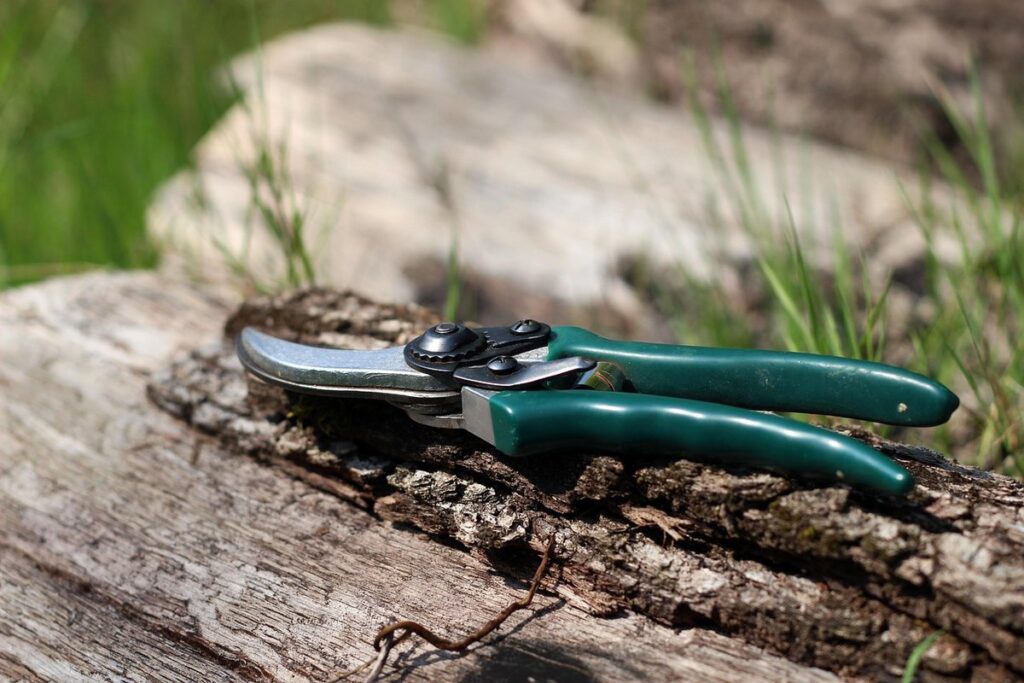
When it comes to pruning blackberries, having the right tools for the job is crucial. You’ll want to invest in sharp, clean pruning shears, loppers, or a machete that will make quick work of the task without causing unnecessary damage to the plant.
Start by selecting high-quality pruning shears with blades made from durable materials like stainless steel or titanium. These will not only stay sharper for longer but also resist corrosion and rust. Make sure your loppers have long handles and strong jaw mechanisms to tackle thicker stems, and consider using a pair of bypass loppers that cut on the closing stroke.
A machete can be useful for larger pruning tasks, particularly when removing dead or diseased canes from the base of the plant. Always clean and sanitize your tools before and after use to prevent the spread of disease. This is especially important when pruning blackberries, as they are susceptible to fungal diseases like crown gall and bacterial spot.
Removing Dead, Diseased, or Damaged Wood
When pruning blackberries, it’s essential to address dead, diseased, or damaged branches as soon as possible. These types of wood can be a breeding ground for diseases like crown gall and cane blight, which can spread quickly through the plant. Remove any dead or dying branches in the winter or early spring when the plant is dormant.
To identify dead wood, look for brittle stems that break easily or have no leaves. Diseased wood often has blackened tips, white powdery patches, or visible fungal growth. Damaged wood may be cracked, split, or have rough edges. Remove any branches showing these signs using clean pruning tools to prevent spreading disease.
Cut the damaged branch at a 45-degree angle, just above a healthy bud. This will help promote new growth and encourage the plant to focus its energy on healthy areas. Remember to disinfect your pruning tools between cuts to prevent cross-contamination of diseases.
Pruning Methods for Different Blackberry Varieties
When it comes to pruning blackberries, different varieties require unique approaches. In this next part of our guide, we’ll break down the specific pruning methods for common blackberry types.
Thimble Berries (Rubus fruticosus)
When it comes to pruning Thimble berries (Rubus fruticosus), their unique growth habit requires a lighter touch. These compact blackberry varieties produce less vigorous canes that need minimal maintenance. To promote healthy growth and encourage fruit production, prune Thimble berries by removing only the oldest canes.
This means that you’ll want to focus on maintaining a balanced structure without sacrificing too much of the plant’s existing framework. Remove any dead or damaged wood, but avoid over-pruning, which can stress the plant and lead to reduced yields.
To identify the oldest canes, look for those with thicker diameters and more prominent buds. These are usually the ones that have been productive in previous seasons and will benefit from removal to make way for new growth. Remove these canes at ground level, taking care not to damage surrounding stems or roots. This simple yet effective pruning technique will help your Thimble berries thrive and continue to produce delicious fruit year after year.
Erect Canes (Rubus occidentalis)
When it comes to pruning erect caned blackberries (Rubus occidentalis), you’ll want to take a more aggressive approach to encourage new growth and promote fruit production. These varieties tend to produce cane-like stems that grow upright from the crown, often reaching heights of 6-10 feet or more.
To prune an erect caned blackberry, start by removing any dead, diseased, or damaged wood, making clean cuts just above a bud eye. Next, reduce the height of the remaining canes to about 3-4 feet, cutting back the tips and reducing lateral growth to encourage branching. This will help to promote a more bushy shape and increase air circulation around the fruiting areas.
Be sure to remove any weak or spindly growth to maintain a strong, vigorous structure, and don’t be afraid to cut back up to one-third of the plant’s total canopy in a single season. This will stimulate new growth and help to produce more fruit on the remaining canes. Remember to always prune during the dormant season for best results.
Tips for Successful Blackberry Pruning
To get the most out of your blackberry plants, it’s essential to prune them correctly at the right time. Let’s explore some expert tips for successful pruning techniques.
Timing is Everything
When it comes to pruning blackberries, timing is crucial. Pruning at the right moment can make all the difference in minimizing shock to the plant and promoting healthy growth. One of the most common mistakes gardeners make is pruning their blackberry plants during the peak growing season.
Pruning in mid-summer can be particularly stressful for the plant, as it’s already working hard to produce fruit and foliage. This can lead to a decrease in productivity and even cause the plant to become more susceptible to disease. Instead, aim to prune your blackberries in late winter or early spring, before new growth begins.
This allows the plant to establish itself quickly after pruning, rather than being stressed by sudden removal of leaves and stems during the growing season. Additionally, pruning in the dormant season makes it easier to see the structure of the plant and identify areas that need attention. By pruning at the right time, you’ll be giving your blackberry plants the best chance to thrive and produce a bountiful harvest.
How Much to Cut Back?
When determining how much to cut back your blackberry canes each year, it’s essential to consider both the variety of plant and your desired level of production. If you’re looking for a high yield, you may need to prune more extensively than if you’re content with a smaller harvest.
For summer-bearing varieties, it’s recommended to remove about one-third to one-half of the canes each year. This will help control the plant’s vigor and promote new growth. For fall-bearing varieties, pruning is less critical, but still necessary to maintain the plant’s overall health.
Consider your blackberry plant’s age as well. Younger plants typically require more pruning to establish a strong framework, while mature plants may only need light maintenance. As a general rule of thumb, remove any weak or damaged canes, and cut back vigorous ones by about one-third to one-half their height. This will help maintain a balanced structure and encourage healthy growth.
Common Pruning Mistakes to Avoid
When pruning blackberries, it’s easy to make mistakes that can harm your plants. To avoid common errors, be aware of these key missteps to ensure a healthy and thriving harvest.
Over-Pruning
When pruning blackberry plants, it’s easy to get carried away and remove more than necessary. Over-pruning can have serious consequences for your plant’s health and productivity. Removing too much of the plant’s growth can lead to reduced fruit production, as there are fewer buds left to produce new flowers and berries.
This is especially true for blackberry plants, which rely on their extensive network of canes to produce an abundance of fruit. When you remove too many canes, you’re essentially sacrificing next year’s crop in favor of a cleaner appearance. Not only will this impact your harvest, but it can also stress the plant, making it more vulnerable to disease and pests.
To avoid over-pruning, take a step back after each pruning session and assess what you’ve removed. Ask yourself if it’s really necessary to remove that particular cane or branch. If in doubt, err on the side of caution and leave it intact. Remember, it’s better to prune minimally and let your plant recover than to sacrifice its future productivity for a more manicured appearance.
Under-Pruning
While over-pruning can be detrimental to blackberry plants, under-pruning is equally problematic. Failing to remove sufficient wood can lead to a tangled and congested plant that’s prone to disease and pests. This can also result in reduced fruiting and stunted growth.
When pruning your blackberries, it’s essential to strike a balance between removing enough wood to promote new growth and encourage fruiting, while avoiding excessive removal that can weaken the plant. To avoid under-pruning, inspect your plants regularly during the growing season and identify areas where thinning is necessary. Remove any dead, diseased, or damaged wood, as well as any weak or spindly growth.
Cut back over-long canes to about 6-8 inches from the base of the plant, making clean cuts just above a bud eye. This will encourage new growth and help to maintain a balanced canopy. By pruning your blackberries correctly, you’ll be rewarded with healthier, more productive plants that are better equipped to thrive in their environment.
Blackberry Pruning Tools and Accessories
When it comes to pruning your blackberries, having the right tools is essential for efficient and effective results. We’ll cover the must-have tools and accessories you need in this section.
Essential Equipment
When it comes to pruning blackberries, having the right equipment is essential for making clean cuts and minimizing damage to the plant. As a blackberry grower, you’ll want to invest in a few basic tools that will make pruning easier and more efficient.
First and foremost, hand pruners are a must-have for any blackberry pruner. These small, handheld clippers are perfect for cutting smaller branches (up to 1 inch in diameter) and can be used for precision cuts around the crown or delicate tips of new growth. Loppers, on the other hand, are ideal for thicker stems (up to 2 inches in diameter). They provide more leverage and reach than hand pruners, making it easier to cut through thicker branches.
For even thicker branches (over 2 inches in diameter), a machete or pruning saw is necessary. These tools allow you to make clean cuts without damaging the plant’s bark or causing excessive stress. Remember to always use sharp blades and prune during the dormant season to minimize damage and promote healthy growth.
Tips for Tool Maintenance
Regular maintenance of your pruning equipment is crucial to ensure it continues to perform optimally. Over time, tools can become dull, rusty, or worn out, affecting the quality of cuts and potentially causing injuries.
Before storing your pruning equipment for an extended period, clean each tool thoroughly with soap and water to remove dirt, sap, and debris. This helps prevent rust from forming and extends the life of the tools. Dry them immediately after cleaning, paying extra attention to areas where moisture tends to accumulate.
To keep your pruning shears sharp, hone them regularly using a whetstone or sharpening steel. For loppers and pruners with curved blades, maintain their shape by gently sanding down any rough edges or burrs. Store your tools in a dry, cool place away from direct sunlight to prevent damage from heat and UV radiation.
By following these simple tips, you’ll be able to keep your pruning equipment in top condition, ensuring efficient and safe pruning practices for years to come.
Conclusion: Benefits of Regular Pruning
By now, you’ve learned the ins and outs of pruning blackberries. Let’s recap the benefits of regular pruning to help you get the most out of your thriving blackberry bush.
Improved Fruit Production
Regular pruning is one of the most effective ways to boost blackberry fruit production. By carefully removing select branches and shoots, you can create a more balanced and productive plant that’s better equipped to yield an abundance of delicious berries.
When done correctly, regular pruning encourages healthy growth patterns by allowing sunlight to penetrate deeper into the plant, promoting air circulation, and reducing disease susceptibility. As a result, your blackberry plant will be less prone to pests and diseases, which can significantly impact fruit production.
To maximize fruit yields, focus on removing any weak or damaged wood, as well as crossing branches that may be competing for space and resources. This allows the remaining healthy shoots to put more energy into producing high-quality berries. By pruning regularly, you’ll not only enjoy a bountiful harvest but also maintain your plant’s overall health and longevity.
In fact, studies have shown that properly pruned blackberry plants can increase yields by up to 30% compared to unpruned ones. With the right techniques and timing, regular pruning becomes an essential part of maintaining a thriving and productive blackberry garden.
Increased Plant Vigor
Regular pruning of blackberry plants has a profound impact on their overall health and vigor. By carefully cutting back old wood and promoting new growth, you’re essentially giving your plant a chance to rejuvenate itself. This leads to stronger, more vigorous canes that are better equipped to handle the demands of fruit production.
Think of it like this: when you prune your blackberries, you’re essentially pruning away any weak or diseased growth, making way for fresh new shoots to emerge. These new shoots will be healthier and more robust than their predecessors, allowing them to produce larger, juicier berries with ease. This increase in vigor also makes the plant more resistant to disease and pests, reducing the need for costly pesticides and fungicides.
To maximize this benefit, be sure to prune your blackberries during the dormant season (winter or early spring) when new growth begins. Remove any dead, diseased, or damaged canes, cutting them back to about 6-8 inches from the ground. This will give you a clean slate for the growing season ahead, allowing your plant to put its energy into producing healthy, thriving growth.
Frequently Asked Questions
What should I do with the pruned blackberry branches?
Concise, valuable answer…
After pruning your blackberries, you can use the cut branches for various purposes, such as making garden stakes, trellises, or even mulch. You can also consider composting them to create nutrient-rich soil for future gardening projects.
How often should I prune my blackberry bushes?
Another helpful answer…
The frequency of pruning depends on your plant’s specific needs and growth rate. As a general rule, it’s recommended to prune blackberries at least once a year during the dormant season (winter or early spring). However, if you notice signs of disease or pests, you may need to prune more frequently.
Can I prune my blackberry bushes in the middle of the growing season?
Another practical question…
While it’s generally best to prune blackberries during their dormant season, there are situations where mid-season pruning might be necessary. If you have a severe pest or disease issue, pruning during the active growth phase can help control the problem. However, be cautious not to over-prune and stress the plant unnecessarily.
How do I know if I’m over-pruning my blackberry bushes?
Another valuable question…
Over-pruning can lead to reduced fruit production and weakened plants. Check for signs of over-pruning by monitoring your plant’s growth rate and overall health. If you notice excessive die-back, lackluster foliage, or poor fruiting, it may be a sign that you’re pruning too aggressively.
What are some common mistakes to avoid when pruning blackberry bushes?
Another essential question…
Some common mistakes include: under-pruning (not removing dead wood), over-pruning (removing too much live growth), and not disinfecting your pruning tools between cuts. To avoid these errors, always follow proper sanitation techniques and be mindful of your plant’s specific needs based on its variety, age, and growing conditions.