
If you’re a seasoned gardener or just starting out with clematis, you know how crucial proper care is to ensure these beautiful flowers thrive. One often overlooked aspect of clematis care is pruning, and more specifically, understanding pruning groups. With so many varieties to choose from, it can be overwhelming to determine the best approach for your specific plant. That’s where pruning groups come in – a key concept that helps you optimize bloom performance, reduce maintenance, and promote overall plant health. In this article, we’ll break down the basics of clematis pruning groups, provide expert techniques for getting the most out of your plants, and offer practical tips to take your clematis care to the next level. By the end of it, you’ll be equipped with the knowledge needed to coax those stunning blooms from your clematis vines.
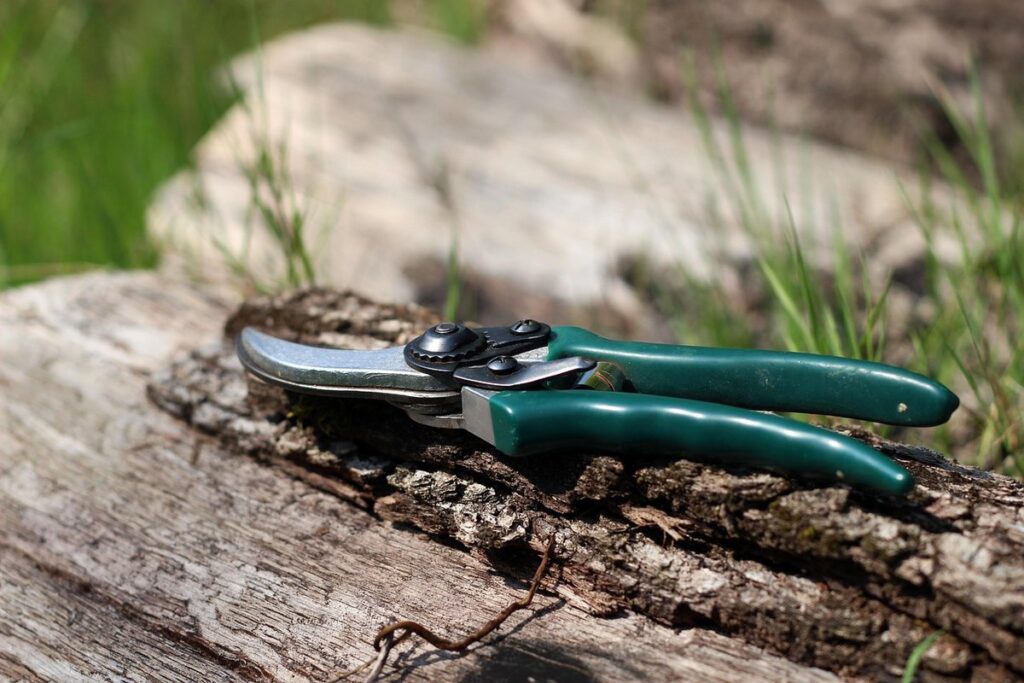
What Are Clematis Pruning Groups?
Let’s break down the pruning process for clematis, which can be grouped into three main categories to simplify care and maintenance. These groups are based on how much pruning each variety requires annually.
Introduction to Clematis Pruning Groups
When you’re first starting out with clematis care, one of the most crucial things to grasp is pruning. Clematis plants require regular pruning to maintain their health and encourage new growth. But did you know that not all clematis are created equal when it comes to pruning? They can be categorized into different groups based on their flowering habits and pruning needs.
There are three main pruning groups: Group 1, Group 2, and Group 3. Group 1 clematis bloom in the spring and require heavy pruning after blooming to maintain shape and encourage new growth. Group 2 clematis produce blooms in both spring and summer, and only need a light prune after flowering. Group 3 clematis are the most vigorous of all and should be pruned immediately after blooming to prevent them from getting too leggy.
Understanding your clematis’ pruning group is essential for its continued health and productivity. If you’re unsure which group your plant belongs to, don’t worry – we’ll cover that in more detail later on. By identifying your clematis’ specific needs, you can give it the best chance of thriving in your garden.
Types of Clematis Pruning Groups
Clematis pruning groups are categorized based on their growth habits and flowering patterns. There are three main types: Group 1, Group 2, and Group 3. Each group has distinct characteristics that determine how they should be pruned.
Group 1 clematis, also known as the early-flowering type, blooms in late winter or early spring. They usually require little to no pruning, except for removing dead or damaged stems after flowering. This group is ideal for those who want a low-maintenance option and can tolerate some foliage density.
Group 2 clematis, often referred to as the large-flowered type, produces showy blooms in late spring. These varieties require regular pruning, typically cutting back the stems by about one-third to one-half after flowering. This encourages new growth and helps maintain a neat shape.
Group 3 clematis, also known as the small-flowered or summer-blooming type, flowers in mid-to-late summer. They require heavy pruning, usually removing all stems except for the top two sets of leaves. Regular pruning will help control their vigorous growth and promote more blooms.
Characteristics of Each Pruning Group
Clematis enthusiasts often struggle to determine which pruning group their plant falls into, so let’s break down each group’s characteristics and behaviors.
Group 1 – Early Spring Pruners
Plants in Group 1 are known as early spring pruners. They bloom on new growth that emerges from late winter to early spring pruning is usually done immediately after flowering, typically in May or June. This timing allows for the removal of old flowered stems and encourages new growth.
These clematis varieties tend to grow vigorously and produce a mass of blooms in late spring. Group 1 plants often require staking as their flowers can be quite heavy. When pruning Group 1 clematis, make sure to cut back all stems to around 12-18 inches from the base of the plant. This will help control height and encourage new growth.
Removing any dead or damaged stems should also be done at this time. This ensures that new shoots have enough room to grow and reduces the risk of disease spreading. Regular pruning in early spring is crucial for maintaining a healthy, balanced plant. By following these guidelines, you can enjoy an abundance of beautiful blooms from your Group 1 clematis varieties.
Group 2 – Late Summer Pruners
If you’re growing a clematis that belongs to Group 2 – Late Summer Pruners, it’s essential to understand their unique characteristics. These plants typically bloom in late summer or early fall, around August or September, depending on the variety. The stems of Group 2 clematis can grow quite long, often reaching 10-15 feet (3-4.5 meters) or more.
Because they bloom so late in the season, it’s crucial to prune these plants at the right time to encourage healthy growth and promote blooming for next year. The ideal pruning schedule for Group 2 clematis is immediately after the blooming period has finished. Remove any dead or damaged stems, cutting them back to about one-third of their height.
When pruning your late summer pruners, keep in mind that you’re not just removing spent blooms – you’re also encouraging new growth for next year’s flowers. Don’t be afraid to cut back longer stems to encourage branching and promote a bushy shape. This will not only make your clematis look fuller but also ensure it receives plenty of sunlight and air circulation, reducing the risk of disease.
Group 3 – Early Fall Pruners
Group 3 clematis are known for their early fall flowering habit and vigorous growth patterns. These plants typically bloom from late summer to early fall, producing an abundance of flowers on new wood that has grown since the previous year’s pruning. Group 3 clematis often have a more compact growth habit than other groups, making them suitable for smaller gardens or containers.
When it comes to pruning, Group 3 clematis require minimal maintenance. Prune these plants in late winter or early spring, removing any dead, diseased, or damaged stems. This will help promote healthy growth and encourage new flower production. It’s essential to cut back the entire plant by about one-third to maintain its shape and promote vigorous new growth.
To get the most out of your Group 3 clematis, prune them immediately after they finish blooming in early fall. Remove any seed heads to direct the plant’s energy towards producing new growth rather than seeds. By following these simple pruning practices, you’ll be rewarded with a vibrant display of flowers next summer and a thriving, healthy plant for years to come.
Determining Your Clematis’s Pruning Group
To ensure you’re pruning your clematis correctly, it’s essential to identify which group it belongs to, as this will determine the timing of your pruning tasks. Let’s explore how to determine your clematis’s pruning group.
Inspecting Plant Tags and Labels
When inspecting plant tags and labels, you may not always find information on the specific pruning group. However, this is often a good place to start. Check the tag for any notes on pruning habits or maintenance requirements that can give you clues about its classification.
If you’re unable to find information on the label, consult with experts at your local nursery or gardening store. They may be able to provide guidance based on their experience and knowledge of the specific clematis variety. You can also reach out to online forums or social media groups dedicated to clematis enthusiasts for advice from experienced growers.
When asking an expert, it’s helpful to have some basic information about your plant ready to share. This includes its flowering period, growth habits, and any notable characteristics that may be relevant to pruning. By gathering this information and consulting with experts, you can gain a better understanding of the clematis’s specific needs and make informed decisions about its care.
Ultimately, patience and observation are key when determining your clematis’s pruning group. With time and practice, you’ll develop a sense of what works best for each variety in your garden.
Considering Factors Like Climate and Soil Conditions
When selecting a pruning group for your clematis, it’s essential to consider factors like climate, soil conditions, and regional hardiness. These elements can significantly impact the plant’s growth, flowering performance, and overall health.
Clematis grown in cooler climates with shorter growing seasons may require more frequent pruning to promote new growth before winter sets in. In contrast, clematis in warmer regions with longer growing seasons might benefit from less frequent pruning, allowing for more vigorous growth.
Soil conditions also play a crucial role in determining your clematis’s pruning group. For example, if you have heavy clay or poor-draining soil, choose a pruning group that accommodates these conditions and doesn’t require excessive pruning to maintain plant health. Similarly, if you live in an area with limited water availability, select a pruning group that promotes drought tolerance.
Consider the specific needs of your clematis based on its climate, soil type, and regional hardiness when selecting a pruning group. This will help ensure your plant thrives under optimal conditions, producing abundant blooms and maintaining a healthy appearance throughout the growing season.
Pruning Techniques for Each Group
Now that you understand how to identify your clematis group, let’s dive into specific pruning techniques tailored to each group. This will help ensure a healthy and thriving plant all season long.
Group 1: Pruning in Early Spring
Pruning Group 1 clematis in early spring is a relatively straightforward process. The key to successful pruning lies in timing and technique. Wait until the plant has finished its winter dormancy and the first signs of new growth appear, usually around late March or early April, depending on your location.
Begin by removing any dead, diseased, or damaged stems, cutting them back to healthy tissue. This will prevent the spread of disease and encourage new growth from the remaining stem sections. Next, cut back any weak or spindly growth to about one-third of its length. This will promote bushy growth and prevent the plant from becoming leggy.
As you prune, keep an eye out for potential pitfalls. Be cautious not to over-prune, as this can lead to a lack of blooms in the current growing season. Also, avoid cutting back new shoots too far, as this can damage the plant’s ability to produce flowers. By following these simple steps and being mindful of the potential risks, you’ll be able to prune your Group 1 clematis with confidence.
Group 2: Late Summer Pruning Tips
For Group 2 clematis, late summer pruning is essential to encourage new growth and prevent damage from frost. As a general rule, trim back these varieties by one-third to one-half in late summer. This will help control the plant’s size and promote healthy regrowth.
When deadheading Group 2 clematis, remove spent blooms but leave some of the stems intact. This allows the plant to conserve energy for new flower production. Cut off weak or damaged stems near the base, making clean cuts just above a bud eye.
Reducing stem length helps maintain the plant’s shape and promotes new growth from the base. Remove any dead or dying wood to prevent disease and encourage healthy development. To stimulate new flowers in the next growing season, cut back the stems to about 6-8 inches from the ground. This technique is called “tip pruning” and encourages the plant to produce more blooms.
Remember to prune Group 2 clematis after they have finished blooming but before the first frost. By following these tips, you’ll be able to enjoy a beautiful display of flowers next year.
Additional Considerations for Clematis Care
When pruning your clematis, there are a few additional considerations you should keep in mind to ensure a healthy and thriving plant. Let’s take a closer look at these key factors now.
Aftercare and Maintenance
Proper aftercare and maintenance are crucial for the health and blooming potential of your clematis plants. After pruning, ensure you provide adequate watering to help the plant recover from any stress caused by cutting back its stems. Aim to water deeply once a week during the growing season, but avoid overwatering which can lead to root rot.
Fertilize your clematis in early spring and again after it finishes blooming. Use a balanced fertilizer that contains nitrogen, phosphorus, and potassium (NPK) as these will promote healthy growth, blooming, and fruit production. You can also side-dress with a high-phosphorus fertilizer to encourage more blooms.
Keep an eye out for pests like aphids, whiteflies, and spider mites. Regularly inspect your plants, and if you notice any infestations, treat them promptly using insecticidal soap or neem oil. Clematis are also susceptible to diseases such as powdery mildew, leaf spot, and root rot. Practice good hygiene by removing infected leaves and stems to prevent the spread of disease.
Regularly inspect your clematis for signs of pests or diseases and take prompt action if necessary.
Common Mistakes to Avoid When Pruning Clematis
When pruning clematis, it’s easy to make mistakes that can set back the health and bloom of these beautiful flowers. To avoid this, it’s essential to know what not to do. Pruning too late in the season is one common mistake, as it gives disease-carrying insects a chance to multiply before the plant goes dormant.
Cutting back more than one-third of the stem in a single year can also be detrimental. This excessive pruning can stress the plant, leading to reduced blooming or even death. Instead, prune only what’s necessary for shape and renewal. For example, if you’re dealing with a clematis that needs rejuvenation, cut it back to about 6-8 inches from the ground, but do this in late winter or early spring when the plant is still dormant.
Additionally, avoid pruning during wet weather, as this can cause the cuts to rot and attract pests. Finally, be mindful of pruning too aggressively, as clematis have a limited number of buds that produce blooms for the following year. By avoiding these common mistakes, you’ll be well on your way to healthy, thriving clematis plants that bring joy to your garden all season long.
Benefits of Proper Pruning and Timing
Proper pruning at the right time is crucial for clematis health, ensuring they bloom vibrantly year after year. Let’s explore the benefits of getting it just right!
Enhanced Bloom Performance
Proper pruning and timing are crucial for optimal clematis performance. When done correctly, it can lead to improved bloom performance, increased flower count, and enhanced overall plant health.
Pruning plays a significant role in controlling the shape and size of the plant, which in turn affects its ability to produce flowers. By cutting back stems to about 12-18 inches from the base of the plant in late winter or early spring, you’re allowing for new growth and encouraging a strong stem that will support more blooms.
In addition to pruning, timing is also essential. For clematis in Pruning Group A, which bloom on old wood, it’s best to prune immediately after they finish blooming. This allows the plant to focus its energy on producing flowers rather than foliage. In contrast, clematis in Pruning Groups B and C should be pruned in late winter or early spring, when the plant is dormant.
By pruning at the right time, you’re promoting a healthy balance between growth and flowering. When clematis have adequate light, water, and nutrients, they can produce an abundance of blooms. However, if left unchecked, overgrown stems can become leggy and produce fewer flowers.
To maximize bloom performance, make sure to provide your clematis with the right growing conditions. This includes providing at least 6 hours of direct sunlight per day, well-draining soil that’s rich in organic matter, and regular watering. With proper care and attention to pruning timing, you can enjoy a vibrant display of blooms from your clematis throughout the growing season.
It’s also worth noting that some clematis varieties are repeat bloomers, meaning they produce flowers multiple times throughout the season. By deadheading spent blooms regularly and providing regular fertilization, you can encourage these plants to continue producing new flowers long after their initial bloom period has finished.
FAQs and Conclusion
Now that you’ve learned how to prune your clematis, we’ll answer some frequently asked questions and wrap up the basics of these beautiful flowering vines.
Frequently Asked Questions
One of the most common concerns among clematis enthusiasts is propagating their plants to create more. While you can propagate clematis through division and layering, it’s essential to do so during the right time of year. Spring-blooming varieties should be divided immediately after flowering, while summer-blooming types are best divided in late summer or early fall.
Controlling growth is another common query among gardeners. Pruning groups one and two require more maintenance than group three varieties. Regular pruning will help control these plants’ vigorous growth and encourage blooming. For example, prune group one clematis in late winter to early spring by cutting back the stems to about 3-4 feet from the ground.
As for troubleshooting issues, be aware that over-pruning can damage your plant’s ability to produce flowers. It’s better to err on the side of caution and start with lighter pruning sessions. If you notice your clematis isn’t producing blooms, check its location – it might not be getting enough sunlight or water. With proper care and attention, even the most challenging clematis varieties can thrive.
Final Thoughts on Clematis Pruning Groups
As you’ve navigated through this article, understanding clematis pruning groups has likely become clearer. By knowing which group your plant falls into, you’ll be better equipped to provide the right care for optimal growth and blooms. Remember that proper pruning isn’t just about cutting back the existing stems, but also about promoting healthy new growth.
To recap, it’s essential to understand the three main clematis pruning groups: Group 1 (non-climbing), Group 2 (early large-flowered hybrids), and Group 3 (large-flowered hybrids). Each group requires distinct pruning strategies. For example, Group 1 plants typically require minimal pruning, while those in Group 2 need more extensive maintenance to encourage new growth.
Now that you have this knowledge, apply it to your clematis care routine. Take note of your plant’s specific needs based on its pruning group and adjust your pruning schedule accordingly. This will help prevent over-pruning or under-pruning, which can lead to reduced blooms or even damage the plant.
Frequently Asked Questions
What if I’m unsure which pruning group my clematis falls into?
If you’re unable to determine your clematis’s pruning group from plant tags or labels, consider observing its flowering habits over time. This will help you identify whether it blooms early in the season (Group 1), late summer (Group 2), or in early fall (Group 3). Keep in mind that some varieties may not fit perfectly into one category, so flexibility and observation are key.
Can I prune my clematis at any time of year if I’m unsure about its pruning group?
While it’s generally recommended to prune according to your clematis’s specific needs, a little flexibility is allowed. If you’re new to clematis care or have an unknown variety, it’s better to err on the side of caution and start with light pruning in early spring (Group 1). This will help promote healthy growth without causing stress to the plant.
How often should I inspect my clematis for signs of disease or pests after pruning?
Regular inspections are crucial to maintaining your clematis’s health. Set aside time each week during the growing season to check for any signs of disease, pests, or nutrient deficiencies. This proactive approach will help prevent damage and ensure optimal bloom performance.
Can I prune my clematis in a single session, or should it be done in stages?
Pruning can be a bit overwhelming, especially if you have multiple clematis plants. While some gardeners prefer to tackle pruning all at once, it’s often more effective to break the task into smaller sessions over several days or weeks. This allows for more focused attention and reduces the risk of missing important details.
How do I store my pruned clematis cuttings to encourage new growth?
After pruning your clematis, you can use the cut sections (called “basal cuttings”) to propagate new plants. To do this, remove lower leaves, dip the cut end in rooting hormone, and plant them in a pot filled with moistened soil. Keep the soil consistently moist but not waterlogged, and roots should develop within 2-3 weeks.