
If you’re a rose enthusiast, you know how rewarding it can be to nurture these beautiful flowers. However, rose pruning is often misunderstood, leading to misshapen plants and fewer blooms than desired. But don’t worry – with some knowledge and practice, you’ll unlock the secret to promoting healthy growth and stunning displays of color. In this comprehensive guide, we’ll cover the benefits of regular pruning, common mistakes to avoid, and the essential tools and techniques for rose care. We’ll also delve into seasonal pruning strategies to maximize blooms and prepare your roses for optimal performance. Whether you’re a seasoned gardener or just starting out, our expert advice will equip you with the skills needed to master the art of rose pruning.
Understanding the Importance of Rose Pruning
Pruning roses might seem intimidating, but it’s a crucial step for maintaining their health and appearance. In this next part, we’ll explore why pruning is essential for your rose bushes.
Benefits of Regular Pruning
Regular pruning is an essential practice that offers numerous benefits for rose plants. One of the primary advantages is improved plant health. Pruning helps to remove diseased, damaged, or dead branches, which can harbor diseases and pests. By eliminating these weak spots, you’re reducing the risk of infection and promoting a healthier plant overall.
Pruning also has a significant impact on flower production. Regular pruning encourages bushy growth by stimulating new shoots, which in turn increases the number of blooms. This is particularly true for hybrid tea roses, which can produce up to 50% more flowers after regular pruning. By promoting healthy growth and encouraging new shoots, you’re essentially telling your rose plant to focus its energy on producing more flowers.
In addition to these benefits, regular pruning enhances the overall appearance of your rose bush. Pruning helps maintain a neat and compact shape, which can make your garden look well-manicured and inviting.
Common Mistakes to Avoid in Rose Pruning
When it comes to rose pruning, even experienced gardeners can make mistakes that ultimately harm their beloved plants. One of the most common errors is over-pruning, which involves cutting back too much of the plant’s growth in one session. This can stress the rose, making it more susceptible to disease and pests.
To avoid this mistake, prune your roses in stages. Start by removing any dead, diseased, or damaged wood, followed by shaping the plant to maintain its desired shape. Then, thin out select branches to allow for proper air circulation and sunlight penetration. By pruning in stages, you’ll give your rose time to recover from each cut, reducing stress and promoting healthy growth.
Uneven cutting is another common mistake to watch out for. When pruning, make sure all cuts are made at a 45-degree angle, about one-quarter inch above a bud eye (the small swelling on the stem where a branch meets the main stem). This helps the plant heal quickly and directs new growth in the desired direction.
Neglecting deadheading is also crucial to avoid. Remove spent blooms as soon as they fade to encourage repeat flowering and prevent seed production, which can drain the plant’s energy. Regular deadheading will keep your rose looking its best and promote healthy, long-lasting blooms throughout the growing season.
Preparing for Rose Pruning: Tools and Techniques
Before you start pruning your roses, it’s essential to have the right tools and knowledge to ensure a healthy and beautiful outcome. Here, we’ll cover the must-have equipment and techniques to get you started.
Essential Tools for Rose Pruning
When it comes to rose pruning, having the right tools is crucial for achieving optimal results. The three essential tools you’ll need are pruning shears, loppers, and gloves.
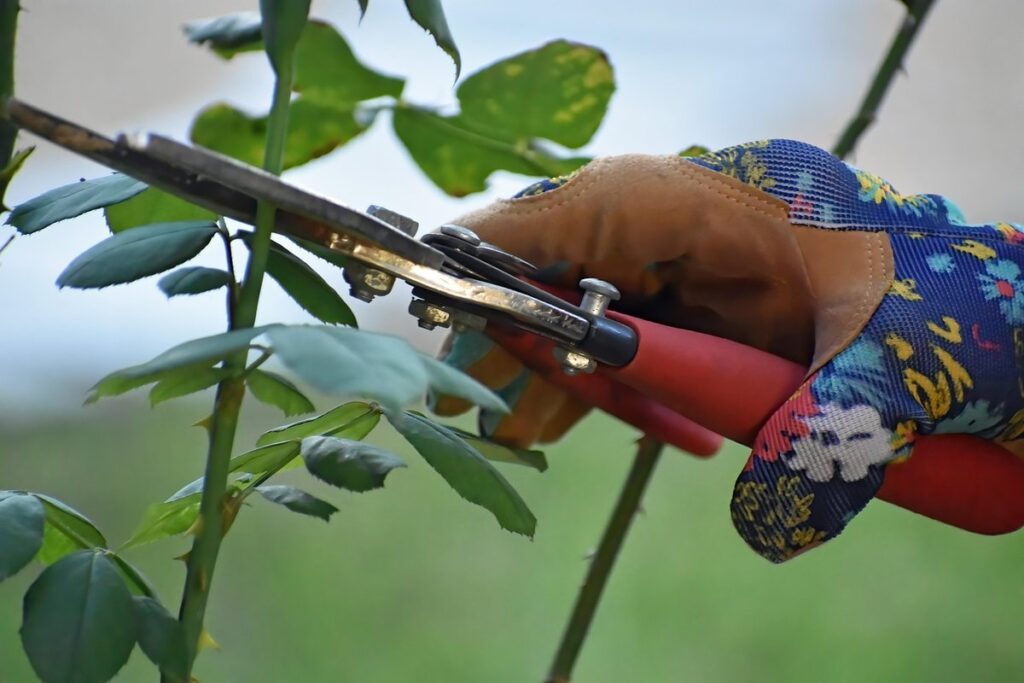
Pruning shears are a must-have for making precise cuts on small branches and stems. Look for high-quality shears with sharp blades that can be easily cleaned and maintained. Some popular options include bypass pruners, anvil pruners, and ratchet pruners. For larger roses or thicker branches, loppers come in handy. These long-handled pruning tools allow you to reach further into the plant without straining your back.
It’s also essential to protect your hands while pruning with a good pair of gloves. Rose thorns can be quite sharp, and gloves will prevent scratches and cuts. Choose gloves that are comfortable, flexible, and provide adequate protection for your hands. Some gardeners prefer leather or synthetic gloves, depending on their personal preference.
When selecting tools, consider the size and type of roses you have in your garden. Pruning shears with longer handles may be better suited for larger plants, while shorter handles work well for smaller varieties.
Safety Precautions and Best Practices
When handling pruning equipment, safety should be your top priority. Begin by inspecting your tools for any damage or sharp edges that could cause injury. Regularly sharpen your blades to maintain their effectiveness and prevent accidents caused by dull tools. Always wear protective gear such as gloves, safety glasses, and a face mask when working with roses.
Maintaining a clean work environment is also crucial in preventing injuries and diseases from spreading. Remove any debris or dead flowers from the rose bed before pruning to avoid contamination. Use a disinfectant solution to sanitize your tools between cuts, and dispose of any clippings properly to prevent the spread of disease.
Keep a first aid kit nearby in case of accidents. Know what to do in case of an emergency, such as applying pressure to a cut or seeking medical attention if necessary. Stay hydrated by drinking plenty of water while working outdoors, especially during hot weather conditions.
Timing and Scheduling Rose Pruning
When it comes to timing and scheduling rose pruning, one of the most critical factors is understanding when to prune based on your climate and region. The best time for rose pruning varies depending on where you live.
In general, spring-flowering roses (which make up about 70% of all rose varieties) should be pruned immediately after they finish blooming in late spring or early summer. This allows the plant to direct its energy towards producing new growth and flowers for the next season. On the other hand, summer-flowering roses can be pruned in late winter or early spring, before new growth begins.
In warmer climates (USDA zones 9-11), it’s essential to prune roses during their dormant season, usually between December and February. Pruning during this time reduces the risk of disease and encourages new growth that can thrive in the warm weather. Conversely, in cooler climates (USDA zones 3-5), rose pruning is typically done in late winter or early spring, as soon as the ground can be worked.
Consider your local climate and frost dates to determine the best time for rose pruning in your area.
Techniques for Pruning Different Types of Roses
Pruning different types of roses requires a unique approach, so let’s dive into the specific techniques you’ll need to know for each variety. Whether hybrid tea or climbing rose, we’ve got you covered.
Hybrid Tea and Floribunda Rose Pruning
Pruning hybrid tea and floribunda roses requires attention to their unique growth habits. Hybrid teas produce long, single stems with a single bloom at the end, while floribundas have clusters of blooms on shorter stems. When pruning these types of roses, cut back last year’s growth by one-third to half in late winter or early spring.
For hybrid tea roses, remove any weak or diseased canes and cut back vigorous ones to encourage bushy growth. Cut just above a bud eye, making sure the tool is at a 45-degree angle. For floribundas, trim back stems after blooming to promote new growth and encourage more flowers. Remove any dead or damaged leaves from the base of the plant.
Use sharp, clean tools to prevent spreading disease and make clean cuts. Prune in a way that maintains the natural shape of the plant, removing only what is necessary to achieve balance and promote healthy growth. This will ensure your hybrid tea and floribunda roses continue to thrive and produce plenty of beautiful blooms throughout the growing season. Regular pruning also helps control pests and diseases, keeping your plants healthy and resilient.
Climbing and Rambling Rose Pruning
When it comes to pruning climbing and rambling roses, specialized techniques are required to maintain their unique characteristics. Climbing roses, for instance, need more aggressive pruning to encourage new growth and promote a fuller appearance. This can be achieved by cutting back about one-third of the plant’s stems in late winter or early spring.
Rambling roses, on the other hand, require a more delicate approach. They should be pruned immediately after blooming, removing any dead or damaged wood, as well as crossing branches. To encourage new shoots and maintain the desired shape, cut back stems to about two feet from the ground.
It’s essential to note that these types of roses often bloom on old wood, meaning the current season’s growth will produce flowers in the following year. Therefore, pruning should be done with care to avoid reducing flower production. For optimal results, make clean cuts using sharp, sterile tools and remove any suckers or weak growth that may emerge.
By following these specialized pruning methods for climbing and rambling roses, you can ensure they continue to thrive and produce beautiful blooms for years to come.
Shrub and English Rose Pruning
When it comes to pruning shrub and English roses, it’s essential to understand their unique characteristics. Shrub roses, also known as groundcover roses, are bred for their compact growth habit and ability to bloom repeatedly throughout the growing season. For these plants, prune in late winter or early spring, removing about one-third of the plant to maintain shape and promote new growth.
For English roses, which tend to grow more vigorously, pruning is a bit more involved. Remove dead, diseased, or damaged branches first, cutting them back to healthy tissue. Next, reduce stem length by about one-quarter to one-half, depending on the desired size and shape of the plant. This will encourage new growth and prevent the plant from becoming too leggy.
By pruning shrub and English roses regularly, you’ll promote repeat blooming, maintain their overall health, and enjoy a beautiful display of flowers throughout the growing season.
Rose Pruning by Season: A Year-Round Guide
To get the most out of your rose bushes, it’s essential to prune them at the right time, and our year-round pruning guide will show you when and how.
Spring Pruning: After Bloom
After the spring bloom has passed, it’s essential to prune your rose bushes again to maintain their shape and promote new growth. This second pruning session, usually around late May or early June, is crucial for encouraging a healthy balance between foliage and flowers.
During this time, focus on removing any weak or spindly canes that may have developed since the initial spring pruning. Cut them back to about 12-18 inches from the ground to allow new growth to emerge from the base of the plant. This process will also help to prevent any potential disease issues by improving air circulation around the bush.
Additionally, look for any dead or damaged branches and remove them entirely. Make clean cuts just above a bud eye (the small swellings on stems from which new shoots emerge) using sharp pruning tools. This will encourage healthy growth and promote more blooms in the future. Remember to prune no more than one-third of the plant at a time to avoid stressing the rose bush, which can lead to disease or pest issues.
Summer Pruning: Deadheading and Training
Summer is here, and with it comes an ideal opportunity to maintain your rose bushes’ health and encourage new growth. Deadheading, which involves removing spent flowers, is a crucial task during the growing season. Not only does it promote blooming by directing the plant’s energy towards producing new flowers, but it also keeps your roses looking their best.
To deadhead efficiently, inspect each flower carefully. For hybrid teas and grandifloras, simply snip off the spent bloom at an angle using a pair of clean pruning shears. This will help prevent water from collecting on the cut end and promote healing. For floribundas and shrub roses, you can remove individual blooms or larger clusters, depending on your desired outcome.
Regular deadheading not only extends blooming periods but also encourages bushy growth and prevents seed production. As new shoots develop, gently train them to maintain an open center and promote even air circulation within the plant. This will prevent disease and pest issues that thrive in humid environments.
Autumn Pruning: Preparing for Winter
As we transition into autumn, it’s essential to prepare our roses for the impending winter dormancy through fall pruning. This final pruning session not only helps maintain their shape and encourages new growth but also prepares them for the cold months ahead.
When pruning in autumn, focus on cutting back canes that have completed their flowering cycle by about one-third to one-half. This will allow the plant’s energy to be redirected towards root development, making it more resilient to winter conditions. For younger rose bushes, prune no more than 10-15% of overall growth, as they require less pruning.
Make sure to remove any dead or damaged branches to prevent disease and pests from taking hold during the dormant season. Cut back any weak or spindly growths, promoting a balanced shape that will support healthy bud formation come spring.
Common Rose Diseases and Pests: How Pruning Can Help
As you prune your roses, it’s essential to be aware of common diseases and pests that can affect their health. Regular pruning can actually help prevent some of these issues from taking hold.
Identifying Signs of Disease and Pest Infestation
As you examine your rose bushes, it’s essential to identify signs of disease and pest infestation early on. Black spot is one of the most common rose diseases, characterized by dark spots on the leaves, often accompanied by yellowing or defoliation. Regularly inspect your plants, paying attention to any unusual changes in color, texture, or growth.
Another prevalent issue is aphid infestations, which can be recognized by a sticky substance called honeydew on plant surfaces and curled or distorted leaves. To prevent the spread of these pests and diseases, adopt a regular pruning schedule. Remove any diseased or damaged tissue to promote healthy growth and reduce the risk of further infection.
By combining good cultural practices with pruning techniques, you can significantly minimize the impact of common rose diseases and pests. Keep in mind that some rose varieties are more susceptible to certain issues than others. Monitor your specific rose type’s needs and adjust your pruning strategy accordingly.
How Pruning Contributes to Pest Management
Proper pruning techniques can play a significant role in managing pests that target roses. When done correctly, pruning helps maintain plant health, promotes strong growth, and reduces stress, making it more difficult for pests to infest the rose bush.
One of the primary reasons pruning aids in pest control is by removing dead or diseased wood, which often serves as a breeding ground for pests like aphids, whiteflies, and spider mites. By eliminating these areas, you create an environment less conducive to pest infestation. For instance, regular pruning helps reduce the likelihood of scale insects, which typically settle on weak, damaged branches.
Additionally, pruning encourages air circulation within the plant, reducing humidity levels that foster fungal growth – a common precursor to diseases like black spot and powdery mildew. This increased airflow also enables beneficial insects like bees and butterflies to move more freely around the rose bush, feeding on nectar and pollen while also pollinating the flowers.
As part of your regular pruning routine, make sure to inspect each stem carefully for signs of pests or disease. Cut back any affected areas to prevent the spread of infestation, and dispose of debris promptly to avoid re-infestation.
Additional Measures for Healthy Rose Growth
In addition to pruning, there are several other measures you can take to promote healthy rose growth and prevent diseases. Soil quality plays a significant role in the health of your roses, so make sure to test your soil pH regularly and amend it if necessary. Roses prefer slightly acidic to neutral soil with a pH between 6.0 and 7.0.
Fertilization is also essential for promoting healthy growth. Feed your roses with a balanced fertilizer in early spring, followed by a high-potassium fertilizer in mid-summer to encourage blooming. Mulching around the base of your roses helps retain moisture, suppress weeds, and regulate soil temperature. Choose organic mulch like wood chips or bark to avoid burning your rose roots.
Regularly inspect your plants for signs of pests or diseases, such as aphids, black spot, or powdery mildew. Use integrated pest management techniques whenever possible, combining physical barriers, cultural controls, and organic pesticides when necessary. Keep a garden journal to track your pruning activities, fertilization schedules, and pest management efforts to identify patterns and make adjustments for future seasons.
Conclusion: The Impact of Rose Pruning on Plant Health and Beauty
In conclusion, rose pruning is not just about aesthetics; it plays a vital role in maintaining plant health and beauty. By removing dead, diseased, or damaged wood, you’re allowing your rose bush to focus its energy on producing new growth and blooms. This process also promotes air circulation, which helps prevent disease from taking hold. Regular pruning can even help control pests and reduce the risk of fungal diseases like black spot.
By adopting a regular pruning routine, you’ll not only be treating your roses with care but also ensuring they continue to thrive and provide years of beauty for you to enjoy.
Frequently Asked Questions
Can I Prune My Roses During the Growing Season?
Yes, pruning during the growing season can be beneficial for promoting healthy growth and encouraging new blooms. However, it’s essential to prune at the right time and not too frequently. For most rose varieties, the best time for pruning is in late winter or early spring before new growth begins.
How Do I Know If My Roses Need Pruning?
Inspect your rose bushes regularly to identify dead, diseased, or damaged branches. Look for signs of disease, such as black spots or powdery mildew, and remove any affected areas. Also, check for broken or tangled stems that may be hindering growth.
Can I Use a Hedge Trimmer to Prune My Roses?
While hedge trimmers can be used for basic pruning tasks, it’s not recommended for delicate rose varieties. For more intricate cuts and precision, use sharp, dedicated rose pruners or loppers to avoid damaging the plant.
How Often Should I Water My Rose Bushes After Pruning?
After pruning, your rose bushes may need extra care due to increased water loss through new growth. Water them regularly but avoid overwatering, which can lead to root rot and other problems. Aim for about 1-2 inches of water per week, either from rain or irrigation.
What Should I Do If I’ve Made a Mistake While Pruning My Roses?
If you accidentally cut too much or damage the plant, don’t panic! Assess the situation and take corrective action promptly. For minor mistakes, simply prune back the affected area, and for more significant errors, consider consulting with a gardening expert for guidance.
How Can I Prevent Pest Infestation After Pruning My Roses?
Regular pruning can help prevent pest infestations by removing diseased or damaged areas that may attract unwanted insects. However, it’s also essential to maintain good garden hygiene, use organic pest control methods when necessary, and monitor your plants regularly for signs of pests.
Can I Use Compost Tea as a Fertilizer After Pruning My Roses?
Yes, compost tea can be an excellent way to provide your rose bushes with beneficial microbes that promote healthy growth. Mix it according to the manufacturer’s instructions and apply it to the soil after pruning, taking care not to over-fertilize.
Are There Any Specific Rose Varieties That Require Specialized Pruning Techniques?
Some rose varieties, like climbing or rambling roses, may need specialized pruning techniques to maintain their unique shape and structure. Research specific guidelines for your rose variety to ensure you’re using the right techniques and tools for optimal results.