
Wisteria is one of those show-stopping garden features that instantly elevates any outdoor space. But did you know that this beautiful flowering vine isn’t just stunning on its own? Pairing wisteria with complementary plants can not only add visual interest but also improve soil health, attract wildlife, and create a thriving ecosystem in your garden.
Whether your wisteria thrives in full sun or dappled shade, we’ve got the ultimate guide to help you choose the perfect companion plants. In this article, we’ll explore expert tips on pairing beautiful and beneficial plants with your wisteria, from sun-loving varieties that bring out its vibrant colors to shaded companions that bring life to its foliage. By learning how to combine these gorgeous and functional pairings, you’ll be able to create a harmonious balance in your garden that’s both visually stunning and eco-friendly.
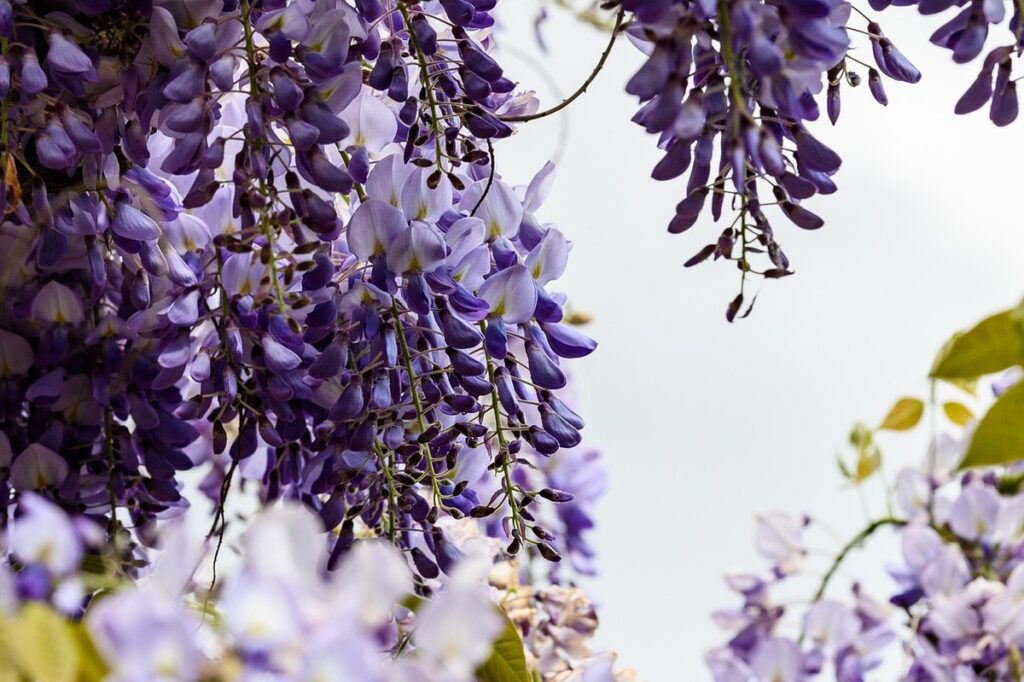
Section 1: Choosing Complementary Plants
When selecting companion plants for your wisteria, it’s essential to choose varieties that thrive together and enhance each other’s growth. In this section, we’ll explore some harmonious pairings to consider.
Subsection 1.1: Understanding Wisteria’s Needs
Wisteria requires specific conditions to thrive, and these needs will play a crucial role in selecting complementary plants. To begin with, wisteria is a full-sun plant that demands at least six hours of direct sunlight per day. This requirement can be challenging for gardeners in regions with partial shade or overcast climates.
In terms of soil preferences, wisteria thrives in well-draining, fertile soil with a slightly acidic pH between 6.0 and 7.0. The plant’s deep roots are designed to absorb moisture and nutrients from the subsoil, making it essential to provide adequate water retention without waterlogging the surrounding area.
When choosing companion plants for wisteria, consider these specific needs. For instance, plants with similar sunlight requirements can be paired together, such as rosemary or lavender. Similarly, plants that share similar soil preferences, like azalea or rhododendron, can complement wisteria’s growth.
To ensure harmonious pairings, take note of the mature size and spread of potential companion plants to avoid competition for space and resources. This consideration will help you create a balanced garden ecosystem where each plant thrives alongside its counterparts.
Subsection 1.2: Selecting Plants with Similar Growth Habits
When pairing wisteria with complementary plants, it’s essential to consider their growth habits. Plants that exhibit similar climbing or spreading tendencies can create a harmonious and balanced landscape. For instance, you might choose clematis or honeysuckle, which also climb using twining stems. These plants not only provide visual interest but also serve as natural supports for the wisteria’s long vines.
Other options with spreading habits include shrub roses like ‘New Dawn’ or flowering quince (Chaenomeles spp.), which can spread up to 10 feet wide. By placing these plants alongside wisteria, you create a lush, layered effect without overwhelming the space. This approach also promotes air circulation and reduces disease susceptibility by increasing plant density.
To achieve this balance, consider planting complementary species with similar growth rates and light requirements as your wisteria. For example, if your wisteria receives full sun to partial shade, choose companion plants that thrive in these conditions. By carefully selecting plants with similar growth habits, you’ll create a cohesive and visually appealing landscape that showcases the beauty of both wisteria and its partners.
Subsection 1.3: Considering Fragrance and Visual Appeal
When selecting companion plants for wisteria, it’s essential to consider not just their functional benefits but also their fragrance and visual appeal. Complementary scents can enhance the overall experience of your garden, while visually striking plants can create a stunning display when paired with wisteria.
For instance, lavender is a natural choice as a companion plant for wisteria due to its calming scent that attracts pollinators like bees and butterflies. Its grey-green foliage also provides an attractive contrast to the vibrant purple blooms of wisteria. Consider pairing lavender with other low-growing plants like creeping thyme or rosemary to create a fragrant, visually appealing combination.
When choosing companion plants based on visual appeal, consider the colors, textures, and forms that complement the flowing, cascading growth habit of wisteria. For example, combining wisteria with shrubs like hydrangea or camellia creates a lush, layered effect in your garden. Alternatively, pairing wisteria with tall grasses like pampas grass adds a dynamic element to your landscape. By balancing complementary scents and visual interest, you can create a harmonious and beautiful companion planting arrangement that enhances the beauty of your wisteria.
Section 2: Companion Plants for Sun-Drenched Wisteria
When growing wisteria in full sun, it’s essential to choose companion plants that not only tolerate intense sunlight but also thrive alongside these beautiful vines. In this section, we’ll explore ideal pairings for sun-drenched gardens.
Subsection 2.1: Lavender – A Classic Pairing
Lavender is one of the most iconic and beneficial companion plants for wisteria. Not only does it add a soothing fragrance to the landscape, but its properties also make it an excellent natural pest repellent. The strong scent of lavender repels pests such as aphids, whiteflies, and even mosquitoes that can damage your wisteria plant.
To pair lavender with wisteria effectively, choose a variety like English lavender (Lavandula angustifolia) or sweet lavender (Lavandula latifolia), which are compact and well-suited for container growing. Plant the lavender near the base of your wisteria vine, allowing about 12-18 inches between them to ensure proper air circulation.
As an added benefit, the purple flowers of lavender will complement the white or blue flowers of wisteria, creating a stunning visual effect in your garden. To maximize fragrance, consider planting multiple lavender plants around the perimeter of your garden bed. By incorporating lavender into your companion planting strategy, you’ll not only enjoy the benefits of pest control and fragrance but also create a harmonious and beautiful landscape that thrives with minimal maintenance.
Subsection 2.2: Rosemary – A Drought-Tolerant Companion
When it comes to companion plants for sun-drenched wisteria, rosemary is an excellent choice. Not only does it thrive in dry conditions, making it perfect for areas with low rainfall, but it also brings a multitude of benefits to the table. One of the most significant advantages of using rosemary as a companion plant is its ability to tolerate drought. This means that even during prolonged periods of dry weather, rosemary will continue to flourish, providing a much-needed respite from the scorching sun.
By planting rosemary alongside your wisteria, you can also improve the overall soil health. Rosemary’s deep taproots help break up compacted soil and bring nutrients to the surface, creating a more balanced ecosystem. To reap these benefits, simply plant rosemary around 12-18 inches away from your wisteria, making sure not to overcrowd either plant. With proper care, this harmonious pairing will result in a lush, thriving garden that’s both beautiful and resilient.
Subsection 2.3: Sunflowers – Adding Drama to the Landscape
Incorporating sunflowers into your wisteria garden can be a game-changer for adding visual interest and creating a striking contrast in textures and heights. These statuesque plants stand tall at up to 12 feet, their bright yellow petals shining like miniature suns against the lush green foliage of your wisteria. By pairing them with your wisteria, you’ll create a beautiful juxtaposition of vertical growth patterns.
To make the most of this combination, plant sunflowers near the base or along the edges of your wisteria trellis. This placement allows their towering stems to draw the eye upwards, where it can appreciate the intricate network of wisteria vines and blooms. Alternatively, you could create a dramatic focal point by planting sunflowers on either side of your wisteria’s entrance or pathway.
The benefits of this pairing extend beyond aesthetics. Sunflowers have been known to attract beneficial pollinators like bees and butterflies, which will also visit your wisteria for nectar-rich blooms.
Section 3: Companion Plants for Shaded Wisteria
When it comes to shaded areas, some wisteria varieties can thrive and benefit from strategically chosen companions that complement their growth. In this section, we’ll explore perfect pairings for shaded wisterias.
Subsection 3.1: Hostas – A Low-Maintenance Option
Hostas are an excellent choice as a companion plant for shaded wisteria, offering numerous benefits that can enhance the overall health and aesthetic appeal of your garden. One of the most significant advantages of using hostas is their ability to provide additional shade for your wisteria. This is particularly useful in areas with intense sunlight or during hot summer months when your wisteria may need extra protection from scorching sunbeams.
Hostas also excel at suppressing weeds, which can be a major issue in shaded gardens where other plants tend to struggle. By planting hostas alongside your wisteria, you’ll not only create a lush and vibrant display of foliage but also reduce the need for herbicides or manual weeding. To maximize the benefits of using hostas as a companion plant, consider selecting varieties that thrive in shade and have a moderate to slow growth rate, such as ‘Blue Mouse Ears’ or ‘Gold Standard’.
Subsection 3.2: Ferns – Adding Texture and Interest
Ferns are an excellent choice for companion planting with shaded wisteria, as they bring a unique texture and visual interest to the space. Not only do ferns thrive in shady conditions, but their delicate fronds also add a sense of drama and whimsy to the garden.
One of the key benefits of incorporating ferns into your wisteria garden is their ability to create a layered, dimensional effect. By planting them around the base of the wisteria, you can achieve a beautiful contrast between the lush, full foliage of the wisteria and the slender, arching fronds of the ferns.
When selecting fern species for your shaded wisteria garden, consider plants like the autumn fern (Dryopteris erythrosora) or the ostrich fern (Matteuccia struthiopteris). These varieties are particularly well-suited to shady conditions and can tolerate a range of soil types. To ensure they thrive alongside your wisteria, plant them in well-draining soil with regular watering and fertilization.
Subsection 3.3: Astilbe – A Colorful Companion
Astilbe is often overlooked as a companion plant for wisteria, but it’s an excellent choice for adding vibrant color and interest to shaded landscapes. These flowering perennials come in a variety of colors, including pink, red, purple, and white, which complement the fragrant blue or purple flowers of wisteria.
One of the benefits of pairing astilbe with wisteria is that they have different growth habits. Astilbe prefers well-draining soil and partial shade to full sun, whereas wisteria can tolerate a range of conditions but often thrives in full sun. By combining these two plants, you create a visually appealing contrast between upright wisteria and bushy astilbe.
To get the most out of this pairing, choose astilbe varieties that bloom at different times to ensure continuous color interest throughout the growing season. For example, plant ‘Red Sentinel’ in early spring for a pop of red color before the wisteria blooms, followed by ‘Purple Cascade’ in late summer for a rich purple hue.
When combining astilbe with wisteria, be mindful of their mature sizes to avoid overcrowding and ensure proper air circulation. Plant them about 3-4 feet apart to allow both plants room to grow and thrive together.
Section 4: Companion Plants for Improved Soil Health
To get the most out of your wisteria’s companions, let’s explore some plants that will not only complement its beauty but also improve soil health.
Subsection 4.1: Comfrey – A Nitrogen-Rich Companion
When it comes to pairing companion plants with wisteria, comfrey is an excellent choice. This versatile herb not only provides a beautiful display of white, pink, or purple flowers but also offers numerous benefits for the surrounding soil. Comfrey acts as a fertilizer plant, drawing nutrients from deep within the soil and releasing them back into the ecosystem through its extensive root system.
As wisteria grows and spreads, it can deplete the surrounding soil of essential nutrients. This is where comfrey comes in – it can help replenish these nutrients, creating a more balanced ecosystem. Simply plant comfrey around the base of your wisteria, ensuring that it receives adequate moisture and sunlight. Over time, you’ll notice an improvement in the overall health and vigor of both plants.
One key benefit of pairing comfrey with wisteria is its ability to improve soil structure. Comfrey’s deep roots bring up nutrients from subsoil layers, increasing the fertility of the topsoil. This not only benefits wisteria but also other surrounding plants, creating a more resilient and diverse garden ecosystem.
Subsection 4.2: Legumes – Adding Nitrogen to the Soil
Legumes like beans and peas are excellent companion plants for wisteria, offering numerous benefits that improve soil health. One of their most valuable contributions is fixing nitrogen in the soil. Nitrogen is an essential nutrient for plant growth, but it’s often depleted due to heavy fertilizer use or frequent harvesting. Legumes come equipped with nitrogen-fixing bacteria in their root nodules, which convert atmospheric nitrogen into a form plants can absorb.
This process not only enriches the soil with nitrogen but also reduces the need for synthetic fertilizers. For example, beans and peas are commonly used as green manure to replenish soil fertility before planting wisteria or other crops. By incorporating legumes into your companion planting strategy, you’ll enjoy healthier, more robust wisteria plants that thrive in nutrient-rich environments.
When selecting companion legumes for wisteria, choose varieties that mature quickly (around 50-60 days) to maximize their nitrogen-fixing potential before being harvested or incorporated into the soil. Some popular options include bush beans, sugar snap peas, and winter peas.
Subsection 4.3: Marigold – A Natural Pest Repellent
Incorporating marigold into your wisteria garden can have a significant impact on pest control and overall plant health. These bright flowers are a natural repellent for nematodes, whiteflies, and aphids – common pests that target wisteria plants. By planting marigold alongside wisteria, you can reduce the risk of infestation and minimize the need for chemical pesticides.
Marigold’s strong scent and flavor also make it an effective deterrent for other pests like mosquitoes and snails. Plus, its sprawling growth habit helps to shade soil, reducing weed growth and retaining moisture in the soil – a boon for wisteria’s shallow root system.
To get the most out of this companion planting strategy, plant marigold around the perimeter of your wisteria garden or intersperse them throughout the bed. Be sure to plant marigold when your wisteria is dormant, as its growth can be quite aggressive and may compete with wisteria for nutrients during peak growing seasons.
Section 5: Companion Plants for Enhanced Wildlife Attraction
When it comes to creating a thriving wisteria garden, choosing the right companion plants can make all the difference. Let’s explore some popular pairings that’ll attract wildlife and enhance your outdoor space.
Subsection 5.1: Bee-Friendly Plants – Lavender and Sunflowers
Incorporating bee-friendly plants into your wisteria garden is an excellent way to attract pollinators and create a harmonious ecosystem. Two plants that excel at drawing in bees are lavender and sunflowers. These flowers provide essential nectar and pollen for bees, making them perfect companions for wisteria.
Lavender (Lavandula spp.) is not only a favorite among bees but also adds a beautiful fragrance to your garden. Its low-maintenance requirements make it an ideal choice for busy gardeners. Plant lavender in well-drained soil with full sun, and you’ll be rewarded with a sea of purple blooms that attract pollinators from far and wide.
Sunflowers (Helianthus annuus) are another excellent choice to draw bees into your wisteria garden. These towering flowers provide an abundance of nectar, making them a valuable resource for busy bees. Plant sunflowers around the perimeter of your wisteria or intersperse them throughout the garden to create a pollinator-friendly zone.
When planting these bee-friendly companions, consider their mature size and spread to ensure they don’t overcrowd your wisteria. By incorporating lavender and sunflowers into your garden design, you’ll be creating a haven for pollinators while enjoying the beauty of these stunning flowers.
Subsection 5.2: Butterfly-Attracting Plants – Lantana and Zinnia
When it comes to attracting butterflies to your wisteria-filled garden, two plants that come highly recommended are lantana and zinnia. These vibrant flowers not only add a pop of color to your landscape but also provide a vital source of nectar for butterflies.
Lantana is a favorite among butterfly enthusiasts, as its clusters of small, fragrant blooms are rich in nectar – just the thing to fuel a butterfly’s busy life. By planting lantana near your wisteria, you’ll create a welcoming haven for these delicate creatures. Look for compact varieties like ‘New Gold’ or ‘Pink Chintz’ to save space.
Zinnia, on the other hand, boasts large, showy blooms in a rainbow of colors – an irresistible treat for butterflies. These easy-to-grow flowers come in a range of sizes and shapes, making them perfect for adding some visual interest to your garden beds. Plus, they’re magnets for hummingbirds and bees alike!
By pairing lantana and zinnia with your wisteria, you’ll create a veritable butterfly buffet that will draw these beautiful creatures in from far and wide. So go ahead – give these companion plants a try and watch the magic happen!
Section 6: Troubleshooting Common Issues with Companion Planting
We’ve covered pairing wisteria with a variety of plants, but what if something goes wrong? This section addresses common issues that may arise from companion planting.
Subsection 6.1: Addressing Overgrowth and Competition
When pairing wisteria with other plants, it’s essential to be aware of potential issues that can arise from overgrowth and competition for resources. Overgrown wisteria can quickly overwhelm its neighbors, shading them out and depriving them of sunlight. This can lead to a loss of vigor in the companion plants, making them more susceptible to pests and diseases.
To mitigate this risk, choose companion plants that are naturally tall or have a wide canopy to provide shade for smaller plants. For example, planting wisteria alongside lavender or rosemary can create a mutually beneficial relationship where the wisteria provides support for climbing vines, while the herbs benefit from its shading.
However, be cautious of aggressive growers like clematis or honeysuckle, which may compete with wisteria for resources such as water and nutrients. Monitor your plants’ growth closely and consider pruning or relocating them if necessary to maintain a healthy balance between species. By selecting compatible companions and being mindful of potential issues, you can create a harmonious garden ecosystem that showcases the beauty of wisteria while promoting biodiversity.
Subsection 6.2: Managing Pest and Disease Problems
When companion planting with wisteria, it’s not uncommon for gardeners to encounter pest and disease problems. A few common issues that may arise include aphid infestations, powdery mildew, and root rot.
To manage these issues naturally, consider introducing beneficial insects like ladybugs or lacewings into your garden. These predators feed on pests, helping maintain a balanced ecosystem. Companion plants such as basil, mint, and lemongrass are also effective at repelling aphids and other pests.
For disease management, ensure good air circulation around wisteria by pruning nearby plants and maintaining proper soil moisture. Incorporating compost rich in beneficial microorganisms can also boost your plant’s immune system.
Some excellent companion plants for controlling powdery mildew on wisteria include chamomile and calendula, which release antimicrobial compounds that inhibit fungal growth. Regularly inspecting your plants and addressing issues promptly is key to preventing minor problems from escalating into full-blown infestations or infections.
Some examples of beneficial microorganisms to incorporate through composting include Trichoderma harzianum, which has been shown in studies to suppress plant pathogens by up to 90%.
Section 7: Conclusion and Final Tips
Now that we’ve explored various companion plants for wisteria, it’s time to wrap up our guide with some final thoughts and expert advice on creating harmonious pairings in your garden. Let’s tie everything together.
Subsection 7.1: Recap of Key Takeaways
As you’ve made it through this comprehensive guide on companion plants for wisteria, let’s take a moment to review the key takeaways. By now, you should have a solid understanding of which plants complement wisteria beautifully and how they can be used to create harmonious pairings in your garden.
You’ve learned that certain plants like lavender, rosemary, and chamomile not only thrive alongside wisteria but also benefit from its extensive root system. These “friendship plants” work together to repel pests, attract beneficial insects, and enhance the overall growth of both species.
Additionally, you’ve discovered some essential tips for successful companion planting, such as choosing plants with similar growing conditions, spacing them correctly, and considering their bloom times to ensure a visually appealing display. By applying these principles, you can create a balanced ecosystem that not only looks stunning but also promotes healthy plant growth.
Now that you’re equipped with this knowledge, it’s time to put your newfound expertise into practice. Remember to observe your plants’ behavior, make adjustments as needed, and enjoy the rewards of a thriving, harmonious garden!
Subsection 7.2: Final Tips for Success
As you’ve successfully incorporated companion plants into your wisteria garden, there are a few final tips to keep in mind for long-term success. When selecting companion plants, remember that they should not only complement the beauty of your wisteria but also thrive in its presence.
Firstly, ensure proper plant selection by choosing companions with similar growing conditions and requirements as your wisteria. For instance, if you have a flowering wisteria variety, pair it with plants that bloom at different times to maintain a constant display of color throughout the seasons. A good example is pairing wisteria with rose bushes or peonies.
Regular maintenance is also crucial for harmonious plant pairings. Water your companion plants according to their individual needs and prune them during dormant periods to prevent overgrowth. By following these final tips, you’ll be able to create a thriving and visually appealing garden that showcases the beauty of both wisteria and its complementary companions.
Frequently Asked Questions
How can I balance the fragrance of my wisteria with other plants?
When pairing wisteria with complementary plants, consider the fragrance profiles to create a harmonious blend. For example, lavender’s subtle scent complements wisteria’s heady aroma, while rosemary’s pungency can be balanced by sweet-smelling flowers like sunflowers.
Can I grow companion plants in containers alongside my wisteria?
Yes, growing companion plants in containers is an excellent option for space-constrained gardens. Choose varieties that thrive in containers and provide sufficient support for the vines to climb. Ensure the container has good drainage and a well-balanced potting mix to meet your wisteria’s needs.
How do I prevent competition between my wisteria and companion plants?
To avoid competition, plant companion plants at least 12-18 inches away from the wisteria base. Also, consider the mature size of both plants and choose varieties with similar growth habits. This will allow them to grow together without overcrowding or competing for resources.
Can I use companion planting as a natural pest control method?
Yes, many companion plants have natural pest-repellent properties. For example, marigold repels nematodes, while comfrey attracts beneficial insects that prey on pests. Incorporate these plants into your wisteria garden to create a balanced ecosystem and reduce the need for chemical pesticides.
How can I troubleshoot issues with my companion planting arrangement?
Monitor your wisteria and companion plants regularly for signs of overgrowth, competition, or pest/disease problems. Address any issues promptly by pruning, adjusting plant placement, or introducing beneficial insects. Keep records to refine your companion planting strategy in future seasons.