
Are you looking to take your azalea garden to the next level? Do you want to create a thriving ecosystem that attracts pollinators, prevents diseases, and showcases vibrant blooms? Companion planting is a game-changer for azalea enthusiasts like yourself. By pairing your azaleas with complementary plants, you can enhance their growth, improve soil health, and reduce maintenance. But where do you start? In this article, we’ll explore the best companion plants for azaleas, including selection tips and care techniques to ensure a harmonious relationship between your azaleas and their co-plants. We’ll also delve into how these partnerships can benefit your garden’s overall health and beauty, making it an ideal resource for anyone looking to create a stunning and resilient azalea companion plant system.
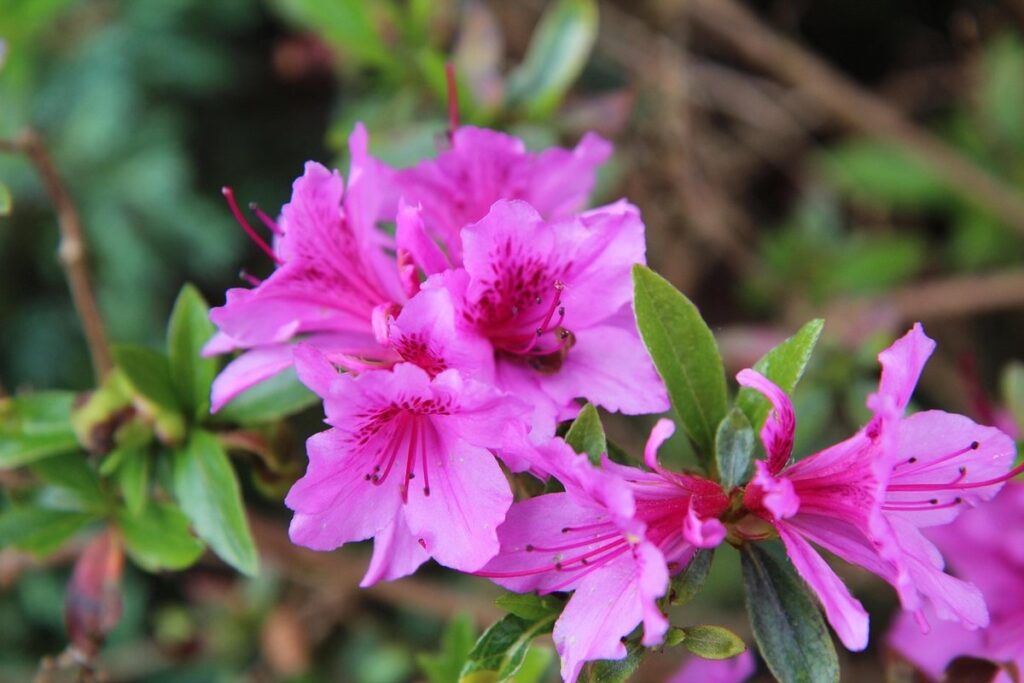
Benefits and Importance of Companion Planting
Companion planting can have a significant impact on your azalea’s health, growth, and overall beauty. Let’s explore the benefits and importance of this technique together!
Enhancing Azalea Growth and Health
When you incorporate companion plants alongside azaleas, you can significantly enhance their growth and health. These beneficial plants create a nurturing environment for your azaleas by preventing diseases, promoting healthy foliage, and encouraging more vibrant flowers.
Some examples of beneficial effects on flowering include the use of lavender. Lavender repels pests that target azalea flowers, such as spider mites and aphids. By planting lavender nearby, you can enjoy an increased bloom rate and healthier-looking flowers.
Another companion plant that supports foliage health is bee balm. This herb attracts pollinators that help transfer pollen between azalea flowers, ensuring a more abundant blooming period. Additionally, the fragrance emitted by bee balm repels fungal diseases, which are common threats to azaleas.
You can achieve these benefits by planting companion plants in close proximity to your azaleas or intermingling them within the same bed.
Attracting Pollinators and Beneficial Insects
When it comes to companion planting with azaleas, one of the most beneficial roles these plants play is attracting pollinators and beneficial insects. By incorporating a diverse range of flowers, herbs, and vegetables into your garden, you can create a welcoming environment for bees, butterflies, and other pollinators.
For instance, adding marigolds or zinnias near azaleas will attract these beneficial insects, which are essential for the plant’s reproductive process. Similarly, basil, mint, and oregano are popular choices for companion planting with azaleas as they not only repel pests but also draw pollinators to the area.
To create a pollinator-friendly garden, consider the following tips:
• Choose plants that bloom at different times of the year to provide a constant source of nectar.
• Incorporate native flowers and herbs that are specifically attractive to local pollinators.
• Avoid using pesticides, which can harm or kill beneficial insects. Instead, opt for natural methods of pest control.
By incorporating companion planting strategies that attract pollinators and beneficial insects, you’ll not only enhance the health of your azaleas but also contribute to a thriving ecosystem in your garden.
Selecting the Right Companion Plants
When it comes to choosing the perfect companion plants for your azaleas, selecting plants that complement their growth habits and requirements is crucial. We’ll help you make informed decisions in this section.
Choosing Plants Based on Soil Type and Sunlight Requirements
When selecting companion plants for your azaleas, it’s essential to consider the specific needs of these beautiful flowers. Azaleas thrive in acidic soil with adequate sunlight, but other conditions can be challenging. If you have alkaline or neutral soil, don’t worry – there are still plenty of suitable options.
For alkaline soils (pH 8+), choose companion plants that tolerate high pH levels, such as:
• Creeping Thyme (Thymus serpyllum) – a low-growing, spreading groundcover with tiny leaves
• Yarrow (Achillea millefolium) – a perennial with fern-like foliage and white flowers
If your soil is neutral (pH 7), you can opt for plants that adapt to this condition:
• Hostas (Hosta spp.) – large-leaved perennials with funnel-shaped flowers
• Coral Bells (Heuchera spp.) – maple-like leaves in various colors, adding a pop of color
When it comes to sunlight requirements, azaleas generally prefer partial shade to full sun. If your garden receives direct sunlight for most of the day, consider companion plants that tolerate or even require full sun:
• Daylilies (Hemerocallis spp.) – hardy perennials with showy flowers
• Bee Balm (Monarda didyma) – fragrant foliage and red, pink, or purple flowers
Remember to research each plant’s specific needs to ensure they complement your azaleas without competing for resources. By choosing the right companion plants based on soil type and sunlight requirements, you’ll create a harmonious and thriving garden ecosystem.
Companion Plants for Different Types of Azaleas
When it comes to companion planting with azaleas, different types of these beautiful flowers have unique needs and requirements. Let’s take a closer look at some suitable options for compact varieties, flowering types, and evergreen species.
For compact azalea varieties like ‘PJM’ or ‘Corneille’, which grow up to 2-3 feet tall, consider pairing them with low-maintenance plants like creeping thyme (Thymus serpyllum) or dwarf creeping juniper (Juniperus horizontalis). These companions won’t compete for space and will add a beautiful contrast in texture.
For flowering azaleas, try combining them with companion plants that attract pollinators. For example, ‘Knap Hill’ azaleas can be paired with catmint (Nepeta faassenii) or coneflower (Echinacea spp.), which will attract bees and butterflies to the area.
Evergreen azalea varieties like ‘Poncelot’ or ‘Girard’s Fuchsia’, which retain their foliage year-round, benefit from companions that provide a pop of color. Consider pairing them with spring-blooming bulbs like grape hyacinth (Muscari armeniacum) or daffodil (Narcissus spp.), which will add a splash of color when the azalea’s own flowers have faded.
Popular Companion Plant Options
When it comes to choosing the perfect companions for your azaleas, some plants are naturally more suited than others. Let’s explore a few of our favorite options that complement these beautiful flowers perfectly.
Ferns and Impatiens: Shade-Loving Companions
When it comes to companion plants for azaleas, ferns and impatiens are two excellent choices that can thrive in shady conditions. Ferns bring a delicate, lacy texture to the garden, while impatiens add vibrant colors and low-maintenance charm.
Ferns are an ideal choice for shade-loving gardens because they require minimal care and can tolerate a range of lighting conditions. They also help to retain moisture in the soil, reducing the need for frequent watering. Boston ferns (Nephrolepis exaltata) and autumn ferns (Dryopteris erythrosora) are two popular species that pair well with azaleas.
Impatiens, on the other hand, are known for their bright flowers and ability to attract pollinators. They come in a variety of colors, including pink, white, and red, making them a versatile choice for adding visual interest to your garden. To incorporate ferns and impatiens into your azalea companion planting scheme, consider the following tips:
* Plant ferns in areas with moist soil and dappled shade
* Select impatiens varieties that match or complement the color of your azaleas
* Space plants accordingly to allow for proper growth and air circulation
Marigolds and Nasturtiums: Repellent Companions
When it comes to protecting your azaleas from pests, two of the most effective repellent companions are marigolds and nasturtiums. These vibrant flowers not only add a pop of color to your garden but also help keep unwanted insects at bay.
Marigolds are known for their ability to repel nematodes, whiteflies, and aphids – all of which can cause significant damage to azaleas. They thrive in full sun and well-draining soil, making them an excellent choice for gardens with similar conditions. To care for marigolds, simply plant them about 6-8 inches apart and water them regularly, allowing the top inch of soil to dry out between waterings.
Nasturtiums are another valuable repellent companion, deterring aphids, whiteflies, and squash bugs from reaching your azaleas. They prefer slightly acidic soil with good drainage and full sun to partial shade. Plant nasturtiums about 12-18 inches apart and keep the soil consistently moist during their first few weeks of growth.
By incorporating marigolds and nasturtiums into your garden, you’ll create a pest-free haven for your azaleas, allowing them to thrive and bloom with vigor.
Care and Maintenance Tips
Now that you’ve chosen the perfect companion plants for your azaleas, let’s talk about keeping them thriving with these care and maintenance tips. Regular upkeep is key to ensuring their health and beauty all season long.
Watering and Mulching Companion Plants
When it comes to companion plants for azaleas, proper watering and mulching techniques are crucial to prevent overwatering and retain moisture in the soil. Companion plants require similar care as their host plant, so make sure to adjust your watering schedule accordingly. Water companion plants when the top 1-2 inches of soil feels dry to the touch. It’s essential to avoid overwatering, which can lead to root rot and other problems.
Mulching is another vital aspect of companion planting for azaleas. Organic mulch helps retain moisture in the soil, suppress weeds, and regulate soil temperature. Use a 2-3 inch layer of organic mulch like wood chips, bark, or pine straw around your companion plants. Refrain from using too much mulch, as it can create an environment conducive to fungal diseases.
By following these simple tips, you’ll be able to provide the right amount of moisture and protection for your companion plants, allowing them to thrive alongside your azaleas.
Fertilizing Companion Plants to Avoid Overfertilization
When choosing companion plants to pair with azaleas, it’s essential to consider their fertilization needs to avoid overfertilizing and harming these delicate acid-loving plants. Azaleas require acidic soil with a pH between 4.5 and 6.0, so it’s crucial to balance the nutrient requirements of both the azalea and its companion plant.
When fertilizing companion plants, start by assessing their individual needs based on factors like growth rate, bloom frequency, and leaf color. For example, if you’re pairing a high-maintenance plant like impatiens with an azalea, it may require more frequent feeding to maintain its vibrant color. To avoid overfertilizing the azalea, apply separate fertilizers for each plant type.
For companion plants like begonias or creeping thyme, which prefer slightly acidic soil but can tolerate a wider pH range, use balanced, water-soluble fertilizers at half the recommended strength to prevent nutrient runoff into the surrounding soil. Monitor your plants’ response and adjust feeding schedules accordingly to ensure they receive the necessary nutrients without competing with the azalea for resources.
Troubleshooting Common Issues
Don’t worry if you encounter problems with your azalea companion plant pairings – we’ve got solutions to common issues right here. Let’s troubleshoot together and get your garden back on track.
Identifying Pests and Diseases in Companion Plants
When it comes to companion plants for azaleas, identifying and preventing pests and diseases is crucial for their health and well-being. Unfortunately, many common garden pests and diseases can affect these beneficial plants, compromising the overall ecosystem.
Some of the most common pests that target companion plants include aphids, whiteflies, and spider mites. These tiny insects feed on sap, weakening the plant’s defenses and making it vulnerable to disease. To identify these pests, look for sticky honeydew droplets on leaves or stems, curled or distorted leaves, and fine webs.
Common diseases affecting companion plants include powdery mildew, root rot, and leaf spot. These fungal infections can spread quickly through contaminated water or soil. Prevention is key: ensure proper drainage, avoid overwatering, and maintain good air circulation around the plants. Regularly inspect your companion plants for signs of infestation or infection and take action promptly.
If you do encounter an issue, there are many effective control methods available, from neem oil to insecticidal soap, depending on the severity of the problem. By being proactive and taking preventative measures, you can minimize the risk of pests and diseases affecting your companion plants, maintaining a balanced and thriving ecosystem for your azaleas.
Addressing Overgrowth and Competition from Companion Plants
When you introduce companion plants to azaleas, it’s not uncommon for them to get a bit too cozy. Overgrowth can occur when multiple plants compete for resources like light, water, and nutrients. To manage this, start by observing the growth patterns of both species. If one plant is overshadowing the other, consider pruning or relocating it.
Some companion plants, like ferns and hostas, have similar growing requirements to azaleas and can thrive in the same conditions. In these cases, ensure they’re receiving adequate space and care to prevent overgrowth. A general rule of thumb is to provide at least 12-18 inches of clearance between companion plants and azaleas.
Monitor your plants’ health regularly, looking for signs of stress or disease that may be caused by competition. Take action promptly to address any issues before they escalate. By striking a balance between the needs of both species, you can enjoy a thriving, harmonious garden ecosystem. Regular maintenance and observation will help prevent overgrowth and ensure the well-being of your azaleas and companion plants.
Conclusion
In conclusion, choosing the right companion plants for your azaleas can make a significant difference in their health, growth, and overall appearance. By considering factors such as sunlight, soil type, and growth habits, you can select plants that complement your azaleas perfectly. For example, pairing azaleas with low-growing grasses or groundcovers like creeping thyme or sweet woodruff can help to suppress weeds and retain moisture in the soil. Additionally, combining azaleas with flowering perennials like daylilies or coneflowers can add color and texture to your garden throughout the growing season.
Remember, companion planting is all about experimentation and finding what works best for you and your specific climate and conditions. Don’t be afraid to try new combinations and observe how they perform over time.
Frequently Asked Questions
Can I combine multiple companion plants with my azaleas, or is it best to choose just one?
You can definitely combine multiple companion plants with your azaleas, but be mindful of their growth habits and requirements. Select plants that complement each other in terms of sunlight, watering, and soil needs. For example, pairing marigolds (which repel nematodes) with lavender (which attracts pollinators) can create a harmonious environment for your azaleas.
How often should I water my companion plants, especially during hot summer months?
Watering frequency will depend on the specific companion plant and soil type. Generally, it’s best to water companion plants when the top 2-3 inches of soil feels dry to the touch. During hot summer months, you may need to water more frequently, but avoid overwatering, which can lead to root rot and other issues.
Can I use weeds as companion plants for my azaleas?
While some weeds like clover or dandelion can provide benefits like attracting pollinators or improving soil health, others like thistle or ragweed can be invasive and harm your azalea’s growth. Identify the type of weed before incorporating it into your garden, and consider replacing it with a more beneficial companion plant.
How do I prevent pests from targeting my companion plants instead of just the azaleas?
To minimize pest damage to your companion plants, use physical barriers like fine mesh or row covers, and encourage beneficial insects by planting flowers that attract pollinators. Also, maintain good garden hygiene by removing weeds and debris, which can harbor pests.
Can I grow companion plants in containers alongside my azaleas, or do they need a lot of space to thrive?
While some companion plants prefer to spread out, others like marigolds or nasturtiums can thrive in containers. Choose varieties that are compact or dwarf-sized for container gardening, and ensure the container has good drainage to prevent waterlogged soil.