
If you’re one of the millions of gardeners who adore rhododendrons, you know how stunning they can be when thriving in their prime. However, like many plants, rhododendrons have specific needs that go beyond providing them with water and sunlight. To ensure these gorgeous flowers receive everything they need to stay healthy and pest-free, it’s essential to choose the right companion plants. By planting alongside rhododendrons, you can not only enhance their natural beauty but also attract pollinators and repel pests that could harm your prized blooms. In this article, we’ll explore the best companion plants for rhododendrons and share expert tips on how to create a thriving garden ecosystem that will make your rhododendrons shine.
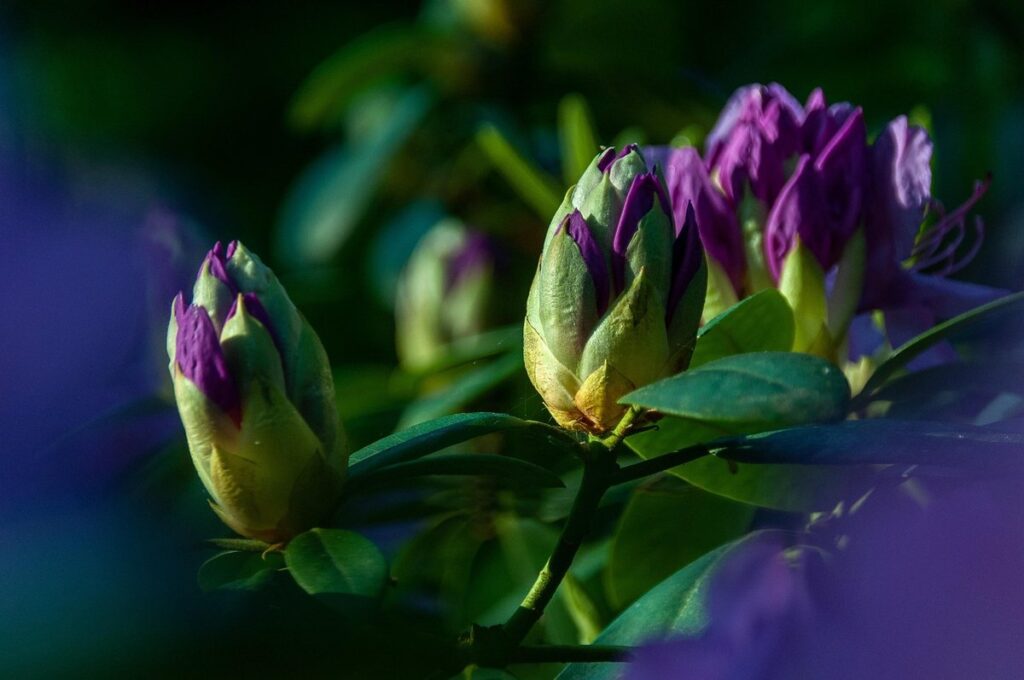
Understanding Rhododendron Needs
To grow companion plants alongside rhododendrons successfully, you need to understand their specific needs and requirements for sun, water, and soil conditions. Let’s take a closer look at these unique demands.
Soil Requirements for Rhododendrons
When it comes to growing rhododendrons, choosing the right companion plants is just one part of the equation. Equally important is ensuring that the soil conditions are suitable for these beautiful flowering shrubs.
Rhododendrons prefer acidic soils with a pH between 4.5 and 6.0. If your soil’s pH is too high, it can lead to nutrient deficiencies and stunt plant growth. To check your soil’s pH, you can purchase a DIY testing kit or send a sample to a lab for analysis.
In terms of nutrients, rhododendrons require a balanced diet of nitrogen, phosphorus, and potassium (NPK). However, excessive fertilization can damage the roots and lead to waterlogging. A general rule of thumb is to apply 1-2 pounds of acidic fertilizer per year, such as those containing ammonium sulfate or aluminum sulfate.
It’s also essential to maintain good soil structure by incorporating organic matter like compost or leaf mold. This will help improve drainage, aeration, and nutrient retention. As you prepare the soil for your rhododendron companion plants, be sure to create a hospitable environment that meets their specific needs.
Watering Habits for Healthy Rhododendrons
When it comes to maintaining healthy rhododendrons, watering habits play a crucial role. These plants prefer well-draining soil and consistent moisture levels, but overwatering can be detrimental. To avoid this common mistake, make sure the soil drains easily and isn’t waterlogged.
A good rule of thumb is to water your rhododendron when the top 2-3 inches of soil feel dry to the touch. You can also check the plant’s leaves for signs of moisture stress – wilted or droopy leaves are a clear indication it needs a drink. Aim to provide about 1 inch of water per week, either through rainfall or irrigation.
It’s also essential to avoid watering your rhododendron during the hottest part of the day, as this can cause the water to evaporate quickly and potentially scald the roots. Instead, water in the early morning or evening when the temperature is cooler. By following these simple tips, you’ll be well on your way to creating a healthy and thriving environment for your rhododendron companion plants.
Choosing Companion Plants
When selecting companion plants for your rhododendrons, it’s essential to choose varieties that complement their growing conditions and thrive in similar environments. Let’s explore some ideal options together!
Low-Maintenance Options
If you’re short on time or prefer plants that require minimal maintenance, there are plenty of low-maintenance options that pair perfectly with rhododendrons. These companion plants not only add visual interest but also help reduce the workload for busy gardeners.
Some excellent choices include sedum, succulents, and creeping thyme. Sedum, in particular, is a great match for rhododendrons as it’s drought-tolerant and requires infrequent watering. This makes it an ideal choice for areas with low rainfall or those who tend to forget to water their plants from time to time.
Creeping thyme is another low-maintenance option that can thrive in poor soil conditions, making it perfect for rhododendrons that prefer slightly acidic soil. It also has the added benefit of repelling pests like mosquitoes and ticks. Succulents, such as aloe vera or echeveria, are yet another great choice, requiring minimal watering and care while adding a pop of color to your garden.
When selecting low-maintenance companion plants, remember to choose species that share similar growing conditions with your rhododendrons, including soil type, sunlight requirements, and moisture levels. This ensures they thrive together without placing additional demands on you or the plant’s health.
Color-Scheme Combinations
When selecting companion plants for rhododendrons, it’s essential to consider their color scheme to create a harmonious and visually appealing garden. Rhododendrons are known for their vibrant blooms in shades of pink, purple, blue, white, and red. To complement these colors, choose companion plants that either match or contrast with the existing palette.
For example, if your rhododendron has deep pink flowers, consider pairing it with yellow or orange-toned plants like daylilies, black-eyed Susans, or coneflowers to create a striking combination. On the other hand, if you have white or light-colored rhododendrons, incorporate blue-hued plants like delphiniums, forget-me-nots, or catmint to add depth and interest.
Some specific color combinations to try include:
* Soft pink rhododendron with pale yellow daffodils
* Vibrant purple rhododendron paired with deep red salvia
* White rhododendron with blue delphiniums
Remember, the key is to balance and harmonize the colors in your garden. Experiment with different combinations to find what works best for you, but also be mindful of plant growth habits and sun requirements to ensure a thriving companion planting arrangement.
Beneficial Companion Plants for Improved Health
If you’re looking to boost your rhododendron’s health and growth, we’ve got some amazing companion plants that’ll do just the trick! Let’s explore their benefits together.
Pollinator-Friendly Options
When selecting companion plants for your rhododendrons, consider incorporating pollinator-friendly options to create a balanced ecosystem. This will not only attract beneficial insects but also support the overall health of your plants.
Some excellent choices include lavender, coneflower, and black-eyed Susan. These flowers are rich in nectar and pollen, making them a magnet for bees, butterflies, and other pollinators. Planting these alongside your rhododendrons will encourage a diverse range of beneficial insects to visit, including ladybugs and lacewings that prey on pests.
To further enhance the pollinator-friendliness of your garden, consider adding some native wildflowers like bee balm or yarrow. These plants are specifically designed to attract local pollinators and can thrive in conditions similar to rhododendrons. By mixing these plants into your companion planting strategy, you’ll create a vibrant and diverse ecosystem that’s perfect for supporting the health of both your rhododendrons and beneficial insects.
Remember to choose varieties that bloom at different times to provide a constant source of nectar throughout the growing season. This will ensure that pollinators have a steady supply of food and will continue to visit your garden all summer long.
Natural Pest Control Measures
When it comes to maintaining healthy rhododendrons, natural pest control measures are a crucial aspect of their care. Companion plants can play a significant role in reducing pest problems by repelling unwanted pests or attracting their natural predators. For instance, planting marigolds near your rhododendrons can help deter nematodes, whiteflies, and other pests that feed on the plant’s roots.
Another excellent companion plant for rhododendrons is basil, which not only adds a fragrant aroma but also repels aphids and mites. Chives are another beneficial option as they attract beneficial insects like lacewings and hoverflies, which prey on common rhododendron pests like spider mites and aphids.
Some other plants that can help reduce pest problems for your rhododendrons include mint, lemongrass, and garlic. Mint is particularly effective at repelling ants and aphids, while lemongrass can help control fungal diseases and attract beneficial insects. Garlic, on the other hand, has natural insecticidal properties that can help deter pests like spider mites and mealybugs.
To incorporate these companion plants into your rhododendron care routine, simply plant them alongside your rhododendrons or in containers nearby. By using a combination of these plants, you can significantly reduce the need for pesticides and create a healthier environment for your rhododendrons to thrive.
Examples of Successful Companion Planting
Let’s take a look at some inspiring examples of companion plants that pair perfectly with rhododendrons, boosting their growth and beauty in your garden. From fragrant herbs to vibrant flowers, discover our top picks.
Pairing Rhododendrons with Ornamental Grasses
When it comes to pairing rhododendrons with ornamental grasses, the possibilities are endless. These two seemingly disparate plants may seem like an unusual combination, but they can create a visually stunning display that benefits both species.
One of the key reasons why rhododendrons and ornamental grasses pair well together is their contrasting textures and growth habits. The delicate, lacy foliage of the grasses provides a beautiful backdrop for the large, showy flowers of the rhododendrons. Conversely, the structural element that the grasses bring can help to balance out the sometimes overwhelming display of blooms from the rhododendrons.
To create this combination in your garden, choose ornamental grasses like Fountain Grass (Pennisetum setaceum) or Blue Oat Grass (Helictotrichon sempervirens), which have a more delicate appearance and won’t compete with the rhododendrons for space. Plant them around the base of the rhododendron, allowing their foliage to spill over and create a natural, effortless look.
By pairing rhododendrons with ornamental grasses, you’ll not only add visual interest to your garden but also provide a beneficial environment for both plants. The tall stalks of the grasses can help to break up the soil and prevent waterlogging around the base of the rhododendron, while the roots of the grasses can even help to stabilize the soil and prevent erosion.
Combining Rhododendrons with Foliage Plants
When it comes to creating a visually stunning rhododendron garden, incorporating foliage plants alongside these beautiful flowers can elevate the entire space. Foliage plants add texture and depth, drawing attention away from bare branches and towards the vibrant blooms. To combine rhododendrons with foliage plants effectively, start by selecting species that complement their growth habits.
For instance, a compact or slow-growing foliage plant like Ajuga reptans or Hostas will work well alongside a large, showy rhododendron. On the other hand, if you’re working with a smaller rhododendron, consider pairing it with a taller, more upright foliage plant such as Dracaena or Cordyline.
Remember to also consider factors like light requirements and moisture levels when choosing your foliage plants. Planting a mix of evergreen and deciduous species will provide year-round interest in the garden. By thoughtfully combining rhododendrons with foliage plants, you can create a beautiful, multi-dimensional landscape that’s both visually striking and low-maintenance.
Tips for Integrating Companion Plants into Existing Gardens
Now that you’ve selected your perfect rhododendron companions, let’s focus on seamlessly integrating them into your existing garden. Here are some practical tips to help you achieve a harmonious and thriving plant community.
Preparing the Garden Bed
Before introducing new companion plants into your rhododendron garden, it’s essential to prepare the soil for a successful integration process. Start by assessing the existing soil pH and structure. Rhododendrons prefer slightly acidic to neutral soil with a pH between 4.5 and 6.5. Test your soil to determine its current pH level and adjust it if necessary.
Remove any debris, weeds, or dead plant material from the garden bed. This will prevent competition for nutrients and water and create an even growing environment. Next, loosen the soil to a depth of about 12-18 inches using a fork or spade. Breaking up compacted soil allows roots to grow more freely and promotes healthy drainage.
Also, consider adding organic matter like compost or well-rotted manure to enrich the soil and improve its fertility. A mix of one-third organic matter to two-thirds existing soil is a good starting point. This will not only provide essential nutrients but also enhance water retention and structure, making it easier for new companion plants to establish themselves.
Maintenance Strategies for Healthy Coexistence
To ensure healthy coexistence between your rhododendrons and companion plants, regular maintenance is key. One crucial aspect of this is watering. Rhododendrons have specific water requirements, and companion plants may need less or more moisture depending on the species. To maintain a balance, check soil moisture regularly by inserting a finger into the soil up to the first knuckle. Water your rhododendrons when the top 1-2 inches of soil feel dry.
Additionally, fertilize both your rhododendrons and companion plants according to their needs. Most companion plants prefer well-draining acidic soils with moderate fertility levels, while rhododendrons benefit from acidic fertilizers high in phosphorus. Apply a balanced fertilizer specifically formulated for rhododendrons in early spring, followed by a diluted liquid feed during the growing season.
Monitor your garden for pests and diseases that can harm either plants. Regularly inspect leaves, stems, and flowers for signs of infestation or infection. Take prompt action to treat any issues you find, using organic or chemical methods as needed, to prevent damage to both rhododendrons and companion plants.
Common Challenges and Solutions
You’ve planted your rhododendrons, but are now facing issues like pests, diseases, or poor growth. This section tackles common challenges and offers practical solutions to help you overcome them.
Overcrowding Prevention
When planting multiple companion species around rhododendrons, overcrowding can be a significant challenge. To prevent this issue, it’s essential to plan carefully and consider the mature size of each plant. This means selecting varieties that have similar growth habits or complementing large plants with smaller ones.
One effective strategy is to group plants by their water requirements, as rhododendrons prefer moist soil but can be susceptible to root rot in standing water. For example, pair drought-tolerant species like sedum or succulents with shade-loving plants like ferns or hostas that require consistent moisture.
To create a harmonious and balanced landscape, consider the plant’s spread and growth rate. Plant companion species around the perimeter of the rhododendron bed to allow for air circulation and sunlight penetration. This will also prevent shading, which can reduce blooming and overall health of your rhododendrons.
Remember to leave enough space between plants for maintenance and easy access. A general rule of thumb is to plant companion species 12-18 inches away from the base of the rhododendron, depending on their mature size. By following these guidelines, you can create a thriving ecosystem that showcases the beauty of your rhododendrons while preventing overcrowding issues.
Potential Dislikes or Allergies in Companion Plants
While companion planting is generally a harmonious practice, it’s not without its potential drawbacks. Some plants may not get along with rhododendrons due to competing nutrient requirements, pest attraction, or even physical damage. For instance, members of the Brassica family (such as broccoli and kale) release compounds that can repel beneficial insects, which might harm your rhododendron’s pollination process.
On the other hand, some plants may trigger allergic reactions in humans or pets. Sunflowers and ragweed are notorious allergens, and their presence near your rhodendrons could exacerbate issues for those with sensitivities. Similarly, certain plants like chamomile and lavender can cause skin irritation in some individuals.
When selecting companion plants for your rhododendrons, be mindful of these potential dislikes or allergies. To minimize risks:
* Research the specific needs and traits of each plant to ensure they won’t compete with your rhododendron’s growth.
* Choose low-maintenance options that reduce the likelihood of pest attraction and nutrient competition.
* Plant companion species in moderation, and keep an eye out for any adverse reactions to either your plants or yourself.
Frequently Asked Questions
What if I’m new to gardening and want to start with companion planting for rhododendrons?
If you’re a beginner, don’t worry! Start by selecting one or two easy-to-grow plants that thrive in acidic soils and have similar watering needs. Begin with a small plot and gradually expand as your confidence grows. Remember to research specific care requirements for each plant to ensure their health and well-being.
How can I prevent overcrowding when introducing companion plants to my rhododendrons?
Overcrowding can lead to competition for nutrients, water, and light. To avoid this issue, leave about 12-18 inches of space between companion plants and your rhododendrons. Also, choose low-maintenance options that don’t require extensive pruning or regular watering.
Can I still grow companion plants if my soil pH is high?
Yes! While it’s ideal to have acidic soils for rhododendrons (pH 4.5-6.0), you can take corrective action by adding elemental sulfur, aluminum sulfate, or peat moss to lower the pH. Be cautious when making significant changes to your soil, as this may require patience and repeated adjustments.
How do I know which pollinator-friendly companion plants will thrive in my region?
Choose plants that are native to your area or have similar climate requirements. Research local nurseries, gardening clubs, or online forums for recommendations on the best pollinator-friendly options for your specific region.
What’s the best way to maintain a balance between beneficial and pest-attracting companion plants?
To minimize pests while still attracting beneficial insects, focus on growing a diverse range of plants that attract natural predators. For example, plant marigolds (repel nematodes) alongside dill (attracts beneficial wasps). Rotate your companion planting scheme seasonally to maintain balance and prevent pest buildup.