
If you’re like many gardeners, you love daylilies for their vibrant blooms and low-maintenance requirements. But did you know that planting companion flowers alongside your daylilies can take them to the next level? Not only can these strategic pairings enhance the beauty of your daylily display, but they can also improve soil health, deter pests, and even boost growth.
In this article, we’ll explore the top companion plants for daylilies that will have you growing these gorgeous flowers like a pro. We’ll cover how to choose the perfect companions, which varieties work best together, and expert tips on planting them for maximum impact. Whether you’re a seasoned gardener or just starting out, you’ll learn how to create a stunning and thriving daylily garden with our top picks and practical advice. Get ready to take your daylilies to new heights!
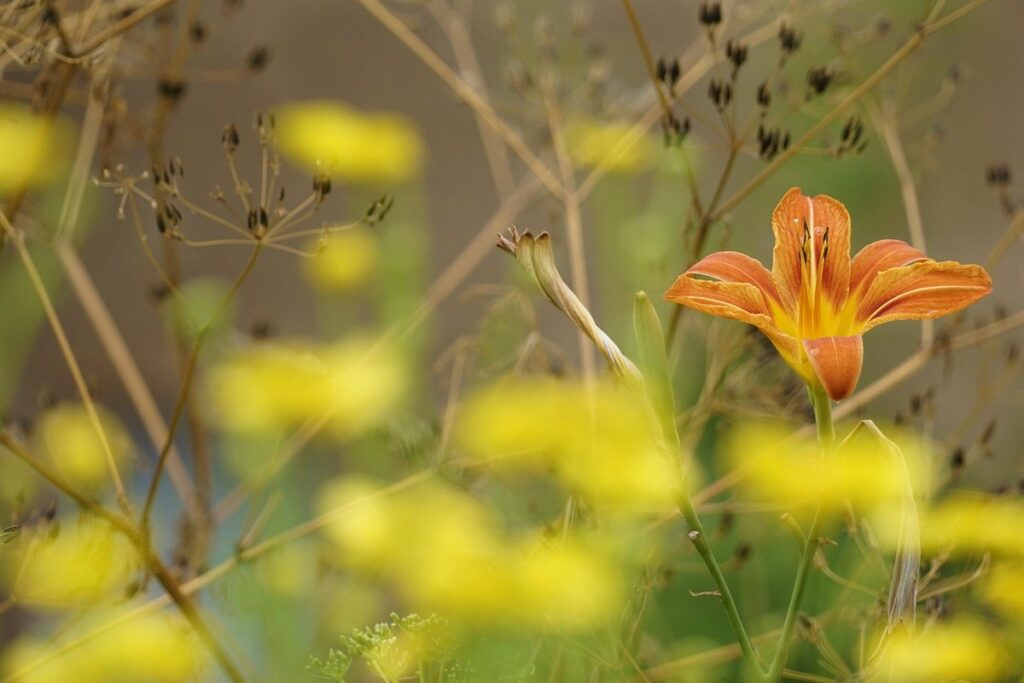
Understanding Daylily Care
To thrive, daylilies require regular maintenance and care. In this section, we’ll cover the essential tips for understanding how to properly care for your daylily plants.
Importance of Companion Planting
When it comes to daylily care, incorporating companion planting into your strategy can have a significant impact on their growth and health. Companion planting is the practice of growing different plants together to improve their overall well-being. This technique can be especially beneficial for daylilies, as they often require specific conditions to thrive.
By choosing the right companion plants, you can create a balanced ecosystem that provides daylilies with essential nutrients, repels pests, and even attracts pollinators. For instance, marigolds are natural pest repellents and can help keep nematodes away from your daylily roots. On the other hand, basil can improve air circulation around daylilies, reducing the risk of fungal diseases.
Incorporating companion plants into your garden design is easier than you think. Start by selecting a mix of annuals and perennials that complement your daylily’s growth habits and space requirements. Plant them together in clusters or rows, making sure to leave enough space for each plant to grow. With the right combination of companion plants, you can boost your daylilies’ growth, enhance their beauty, and create a vibrant, thriving garden ecosystem.
Common Challenges Faced by Daylilies
As you’re learning about companion plants for daylilies, it’s essential to understand the common challenges that these beautiful flowers can face. Daylily growers often encounter issues with pests, diseases, and nutrient deficiencies, which can significantly impact their growth and beauty.
Pests like aphids, spider mites, and scale insects can infest daylilies, causing damage to leaves and flowers. To prevent this, make sure to inspect your plants regularly for any signs of infestation. Companion plants like marigolds and nasturtiums repel these pests, making them excellent additions to your garden.
Diseases such as powdery mildew, rust, and botrytis can also affect daylilies. These often result from poor air circulation, excess moisture, or nutrient deficiencies. To combat this, ensure good air circulation around your plants, avoid overwatering, and fertilize regularly with a balanced fertilizer.
Nutrient deficiencies like nitrogen deficiency can lead to weak growth, yellowing leaves, and reduced flowering. Companion plants like legumes (such as beans and peas) fix atmospheric nitrogen in the soil, making it available for daylilies. Plant these near your daylilies to boost their nutrient intake.
Choosing the Right Companion Plants
When selecting companion plants for daylilies, it’s essential to consider a few key factors to ensure harmonious growth and beauty. Let’s explore some popular options that complement these stunning flowers.
Selecting Companions Based on Growth Habits
When selecting companion plants to pair with daylilies, it’s essential to consider their growth habits. Daylilies prefer well-drained soil and full sun to partial shade, but some varieties require more shade than others. For example, if you’re growing a variety like ‘Happy Eyes’ or ‘Stella de Oro’, which has dark green foliage, you’ll want to choose companions that provide dappled shade.
Choose low-growing or spreading plants for daylilies with tall stalks, such as ‘Autumn Red’ or ‘Red Hot Returns’. These will help block the intense sunlight and create a visually appealing contrast in texture. Consider companion plants like Creeping Thyme (Thymus serpyllum), Phlox subulata, or Vinca minor to fill gaps and suppress weeds.
For daylilies with large leaves, such as ‘Starburst’ or ‘Golden Zebra’, look for companions that will create a layered effect in the garden. Plants like Hellebores, Heuchera, or Carex grasses have delicate foliage and flowers that will complement the larger leaves of your daylily.
When selecting companion plants based on growth habits, think about how each plant will interact with your daylilies over time. Consider factors like mature size, growth rate, and flowering times to ensure a harmonious pairing.
Selecting Companions Based on Soil Preferences
When selecting companion plants to pair with daylilies, it’s essential to consider their soil preferences. Plants that thrive in similar conditions can work together to improve soil health and reduce competition between them. For instance, if you have daylilies growing in a well-draining acidic soil, look for companions like azaleas or rhododendrons that also prefer slightly acidic soils.
On the other hand, if your daylilies are planted in a rich, fertile soil, choose companion plants like tomatoes or basil that also benefit from such conditions. By pairing plants with similar soil requirements, you can create a harmonious ecosystem where each plant is able to grow and flourish without struggling for resources.
Some popular daylily companions include coneflowers, black-eyed Susans, and ornamental grasses, all of which tolerate a range of soils. However, if your daylilies are planted in heavy clay or sandy soil, you may want to opt for more specific companion plants that can adapt to these conditions. Consider incorporating a mix of native plants, which often have similar growing requirements as daylilies and can help maintain a balanced ecosystem.
Benefits of Companion Planting for Daylilies
When paired thoughtfully, certain plants can not only complement daylilies but also provide essential benefits to their growth and overall health in your garden. Let’s explore some of these beneficial companions.
Improved Pest Resistance
When you plant daylilies alongside certain companions, they can help repel pests that might target these beautiful flowers. One of the most effective ways to keep your daylily garden pest-free is by incorporating marigolds and nasturtiums into your planting scheme.
Marigolds are particularly good at deterring nematodes, microscopic worms that can attack the roots of daylilies and cause them harm. By interplanting marigolds with your daylilies, you’re creating a barrier against these pests. Nasturtiums, on the other hand, repel aphids, whiteflies, and other common pests that might target daylily leaves.
To maximize the pest-repelling benefits of these companion plants, be sure to plant them closely around the perimeter of your daylily bed. You can also consider interplanting them among the daylilies themselves for added protection. Remember that companion planting is not a replacement for good gardening practices like regular watering and fertilization – but it’s a great way to boost your daylily garden’s overall health and resilience.
Enhanced Nutrient Uptake
When you plant companion species alongside your daylilies, you’re not only enhancing their visual appeal but also improving their nutrient intake. This process is particularly remarkable with legumes like beans and peas. These plants possess the unique ability to fix nitrogen in the soil through a natural process called nitrogen fixation.
As they grow, legume roots produce specialized bacteria that convert atmospheric nitrogen into a form usable by plants. This surplus of nitrogen becomes available to nearby daylilies, promoting their growth and blooming potential. By cultivating companion plants like beans or peas near your daylily beds, you can reap the benefits of this symbiotic relationship.
To harness the full potential of legume-based nutrient uptake, make sure to:
• Plant legumes in a location where they receive sufficient sunlight and water
• Integrate them into your daylily bed design, allowing for adequate spacing between plants
• Incorporate organic matter like compost or well-rotted manure to enhance soil fertility and support the nitrogen-fixing process
Popular Companion Plants for Daylilies
When it comes to pairing with daylilies, there are several popular companion plants that can not only enhance their beauty but also provide a harmonious balance to your garden. Let’s explore some top picks!
Vegetables and Fruits
When it comes to choosing vegetables and fruits as companion plants for daylilies, you’ll want to select varieties that complement their growing conditions. Tomatoes are a popular choice due to their similar requirements: full sun, well-draining soil, and consistent moisture. By planting tomatoes nearby, you can create a mutually beneficial relationship. The sprawling growth of the tomato plant helps shade the roots of your daylily, reducing soil temperature fluctuations and preventing scorching.
Other options include strawberries, which produce runners that spread out to create a lush canopy, casting dappled shade on surrounding plants. This is especially beneficial for daylilies in hot climates or during peak summer months when intense sunlight can cause scorching. To get the most out of this pairing, be sure to plant your strawberries and tomatoes at the same depth as their respective root systems to minimize competition for resources.
In terms of care, remember that companion plants should receive roughly the same amount of watering and fertilization as your daylilies. By providing optimal growing conditions, you can help your vegetables and fruits thrive alongside your beloved daylilies, creating a lush and diverse landscape.
Herbs and Flowers
When it comes to choosing companion plants for daylilies, you may be surprised at the variety of options available. Besides the more obvious choices like hostas and coneflowers, there are many other herbs and flowers that can benefit from being grown alongside these beautiful perennials.
Rosemary is a great example of an herb that pairs well with daylilies. Not only does it repel pests like carrot flies and cabbage moths, but its piney fragrance also helps to deter nematodes, microscopic worms that can harm the roots of your daylilies. To grow rosemary successfully alongside daylilies, be sure to provide it with plenty of sunlight and well-draining soil.
Zinnias are another great option for adding some color and interest to your daylily garden. These bright and cheery flowers attract pollinators like bees and butterflies, which can help to increase the yield of your daylilies. Plus, they’re easy to care for and come in a variety of colors, making them a great choice for adding some personality to your garden.
When pairing herbs or flowers with daylilies, be sure to consider their growing conditions and space requirements. This will ensure that both plants receive the right amount of sunlight, water, and nutrients to thrive.
Tips for Planting Companion Plants with Daylilies
When planting companion plants alongside daylilies, consider their mature sizes and growth habits to ensure a harmonious coexistence. Choosing wisely can also maximize benefits like pest control and visual appeal.
Planning the Layout
When planning a layout that combines daylilies with companion plants, it’s essential to consider the unique requirements of each plant. Start by observing the sunlight patterns in your garden and note which areas receive full sun, partial shade, or are shadier. Daylilies can thrive in a range of conditions but generally prefer at least 4-6 hours of direct sunlight.
Consider grouping companion plants that share similar light requirements to create harmonious sections within your garden. For example, if you’re planting bee balm and coneflower alongside daylilies, group them together as they all require full sun. Conversely, if you’re combining creeping thyme with daylilies in a shadier area, keep these plants separate.
Don’t forget to account for watering needs when planning your layout. Plants like mint and lemongrass prefer moist conditions, while sedum and succulents can tolerate dry spells. Make sure to group companion plants based on their water requirements to avoid over- or under-watering certain areas of the garden.
Maintenance and Upkeep
When planting companion plants with daylilies, it’s essential to remember that regular maintenance is crucial for their health and beauty. This means providing both the daylilies and their companions with the right amount of water, sunlight, and nutrients.
To ensure optimal growth, make sure to water your companion plants regularly, but avoid overwatering, which can lead to root rot and other issues. A good rule of thumb is to water when the top inch of soil feels dry to the touch. Mulching around the base of both daylilies and companions helps retain moisture and suppress weeds.
Fertilizing is also crucial for companion plants. Feed your daylilies and their friends with a balanced fertilizer in the spring, following the manufacturer’s instructions. Pruning is another essential task to keep your plants looking their best. Deadhead spent blooms on companion flowers like bee balm or coneflower to encourage more blooms.
By maintaining regular care routines, you’ll be able to enjoy the beauty and benefits of your daylily-companion plantings all season long.
Conclusion
In conclusion, companion planting can be a game-changer for your daylily garden. By choosing the right plants to grow alongside your daylilies, you can boost their growth, enhance their beauty, and create a thriving ecosystem. As we’ve explored throughout this post, certain plants like coneflowers, black-eyed susans, and bee balm are particularly effective at attracting pollinators and repelling pests that might harm your daylilies. To get the most out of these companion planting strategies, be sure to plant them in a way that allows for good air circulation and sunlight penetration. With a little planning and experimentation, you can create a vibrant and resilient garden that showcases the stunning beauty of your daylilies year after year.
Frequently Asked Questions
Can I combine companion planting with other daylily care techniques, such as pruning or fertilization?
Yes, you can absolutely integrate companion planting with other daylily care methods. In fact, combining these strategies will help create a holistic approach to caring for your daylilies. By selecting companion plants that complement your existing maintenance routine, you’ll be able to tackle common challenges like pest infestations and nutrient deficiencies more effectively.
How do I know which companion plants are suitable for my specific climate or region?
To choose the right companion plants for your local conditions, research which varieties thrive in your area’s temperature range and humidity levels. You can also consult with local nurseries or gardening experts who have experience growing daylilies and companion plants together. By selecting plants that are adapted to your environment, you’ll minimize the risk of failures and ensure a healthy, thriving garden.
What if I’m not sure which growth habits or soil preferences my companion plants have?
If you’re unsure about the specific needs of your companion plants, research their requirements before making any purchases. You can find this information on plant labels, online descriptions, or consult with gardening experts. By understanding your companion plants’ needs, you’ll be able to plan a harmonious layout that promotes beneficial relationships between plants.
Can I use companion planting as a solution for common daylily pests like aphids and slugs?
Yes, certain companion plants are known to repel or attract beneficial insects that prey on pests. For example, marigolds can help deter nematodes, while basil attracts predators that feed on aphids. By incorporating these pest-repellent plants into your garden design, you’ll create a more balanced ecosystem and reduce the need for chemical pesticides.
How often should I water my daylilies when using companion planting?
When introducing companion plants to your daylily bed, remember to adjust your watering schedule accordingly. Some companion plants may require different moisture levels or have varying root depths that affect soil hydration. Keep a close eye on your garden’s moisture needs and adjust your irrigation routine as necessary to ensure all plants receive the right amount of water.