
Peonies are one of the crown jewels of any garden, but did you know that they can benefit from some harmonious companions? Not only do these pairings add texture and color to your display, but they also help improve peony growth, repel pests, and create a more resilient garden ecosystem. When it comes to choosing companion plants for peonies, the right selection is key. With so many options available, it’s easy to get overwhelmed. But don’t worry, we’ve got you covered! In this article, we’ll explore some of the best companion plants for peonies, from pest-repellent herbs to lush foliage that adds depth and interest to your garden bed. By learning how to pair these beautiful flowers with the right companions, you can take your peony display to the next level.
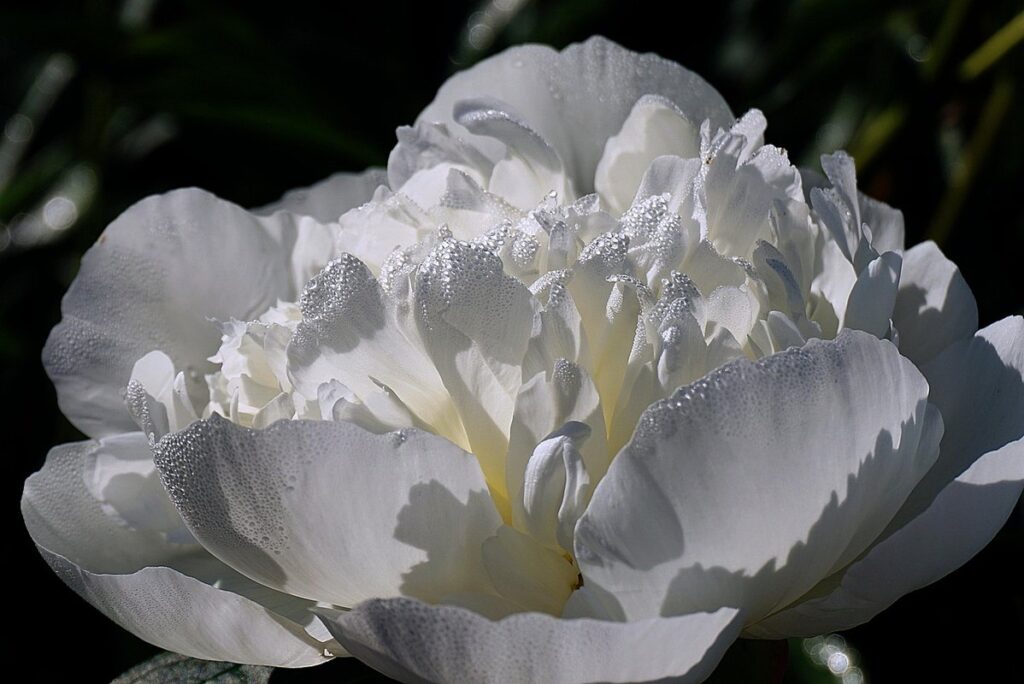
Understanding Peonies and Their Needs
To grow peonies alongside their best companions, it’s essential to understand these beautiful flowers’ unique needs and preferences. Let’s dive into what makes them tick!
Soil Preferences of Peonies
When it comes to growing beautiful peony flowers, understanding their soil preferences is crucial. Peonies require well-draining, fertile soil that’s rich in organic matter. They thrive in slightly acidic to neutral pH levels, ranging from 6.0 to 7.0 on the pH scale.
In terms of nutrient needs, peonies are heavy feeders and benefit from a balanced fertilizer application in early spring. A mix of nitrogen, phosphorus, and potassium will promote healthy growth, blooming, and root development. Avoid over-fertilizing, as this can lead to weak stems and fewer flowers.
To create an ideal soil environment for your peonies, consider incorporating compost or well-rotted manure into the soil before planting. This will not only provide essential nutrients but also improve drainage and aeration. If your soil is heavy clay or sandy, mix in some organic matter to achieve a more balanced texture.
Remember, peony roots are sensitive to extreme pH fluctuations and nutrient deficiencies can lead to reduced flowering. So, ensure you’re providing the right conditions for your peonies to flourish, and they’ll reward you with stunning blooms year after year.
Sunlight and Water Requirements for Peonies
When it comes to growing peonies successfully, providing them with the right amount of sunlight and water is crucial. As a general rule, peonies require at least six hours of direct sunlight per day to bloom well, although some varieties can tolerate partial shade. However, if your garden receives full sun (eight or more hours of direct sunlight), be sure to provide afternoon shade to prevent the soil from getting too hot.
In terms of watering, peonies need consistent moisture, especially during their first year after planting. Water them deeply once or twice a week, depending on weather conditions. Aim for about 1 inch of water per week, either from rain or irrigation. During the growing season, avoid overwatering, which can lead to root rot and other problems. Instead, focus on providing a steady supply of moisture throughout the summer months.
If you’re unsure about your peonies’ specific sunlight and watering needs, observe their growth and adjust accordingly. With proper care, these beautiful flowers will reward you with vibrant blooms year after year.
Common Challenges with Growing Peonies
Growing peonies can be a delightful experience, but it’s not without its challenges. One of the most common difficulties gardeners face is getting these beautiful flowers to bloom consistently. To start with, peonies require a period of cold winter dormancy to produce new growth and blooms in the spring. If your climate is too warm or you’re growing them in containers, this can be tricky to replicate.
Another challenge is choosing the right location for your peony bed. These plants prefer well-draining soil and full sun to partial shade. However, if your garden receives direct sunlight during the hottest part of the day, it may cause the peonies to become scorched or dry out too quickly.
Lastly, peonies are susceptible to pests like ants, aphids, and slugs. Regularly inspecting your plants and using natural deterrents can help prevent infestations. By understanding these common challenges and taking proactive steps, you’ll be better equipped to create a thriving peony garden that’s the envy of your neighbors.
When selecting companion plants for your peonies, keep in mind their specific needs and requirements to ensure harmonious pairings.
Choosing Companion Plants for Peonies
When it comes to choosing companion plants for your peonies, selecting the right partners can make a huge difference in their overall health and beauty. Let’s explore some harmonious pairings to try alongside these lovely flowers.
Vegetables That Repel Pests Attracted to Peonies
When it comes to companion planting with peonies, vegetables can be a surprisingly effective way to deter pests that target these beautiful flowers. For example, aphids and slugs are notorious for their love of peonies, but certain vegetables can help keep them at bay.
One vegetable that’s particularly effective against aphids is the nasturtium (Tropaeolum majus). These colorful flowers repel aphids with their strong scent, which also attracts beneficial insects like lacewings and hoverflies. Planting nasturtiums around the perimeter of your peony bed can create a barrier against these pesky pests.
Another option for deterring slugs is the garlic plant (Allium sativum). Slugs are notorious for their love of garlic, which means they’ll often avoid areas where it’s being grown. Planting garlic cloves around the base of your peonies can help keep slugs from getting too close. Just be sure to space the garlic plants far enough apart so as not to compete with your peonies for water and nutrients.
In addition to these vegetables, other options like marigolds (Tagetes spp.) and chives (Allium schoenoprasum) have been known to repel pests that target peonies. By incorporating a few of these pest-repellent vegetables into your garden design, you can help keep your peonies healthy and thriving.
Flowers and Herbs That Complement Peony Colors
When it comes to pairing flowers and herbs with peonies, choosing complementary colors can elevate their beauty. For instance, soft pastel shades like pale pink and baby blue complement the rich tones of a blooming peony. Consider adding delicate forget-me-nots or sweet peas in these hues around your peonies for a romantic garden display.
On the other hand, bold and vibrant colors can create striking contrasts with peonies. Bright coral-colored poppies or sunny gerbera daisies add a playful touch to peony arrangements. You can also try pairing pastel shades like lavender with deeper purple hues of petunias or hyssop for added depth.
Herbs can also bring complementary color and fragrance to your peony displays. For example, delicate chamomile or feathery ferns provide subtle contrast to the lush blooms of peonies, while adding a fresh herbal scent to the mix. Remember to choose herbs that thrive in similar conditions as your peonies for optimal pairing results. Experiment with different color combinations and see what works best for you!
Grasses and Foliage Plants for Textural Contrast
When it comes to adding visual interest and textural contrast around peonies, grasses and foliage plants are excellent choices. Their unique textures and growth habits provide a striking backdrop for these lush flowers. For example, the delicate plumes of Fountain Grass (Pennisetum setaceum) or Pampas Grass (Cortaderia selloana) add a soft, airy feel that complements peonies’ full blooms.
On the other hand, bold foliage plants like Giant Elephant Ear (Alocasia amazonica) and Colocasia can provide a dramatic contrast to peonies’ delicate petals. These plants have large, dark green leaves with intricate patterns, creating an eye-catching visual effect when paired with peonies’ soft colors. For instance, the statuesque form of a Castor Bean Plant (Ricinus communis) or the feathery texture of a Dusty Miller (Senecio cineraria) can balance out peonies’ fullness.
When selecting grasses and foliage plants for textural contrast with peonies, consider the mature size of both plants to ensure they won’t compete for space. Also, take into account their growth habits: some plants are more upright or sprawling than others, which can affect the overall composition of your garden bed.
Companion Planting Strategies for Improved Growth
When it comes to growing peonies, incorporating the right companion plants can make all the difference. Let’s dive into some expert-approved strategies for pairing your peonies for optimal growth and beauty!
The Role of Nitrogen-Fixing Legumes in Peony Health
Legumes are an essential addition to any garden, and when paired with peonies, they can create a mutually beneficial relationship that promotes healthy growth. These nitrogen-fixing wonders can make a significant impact on your soil’s fertility, directly benefiting the peony plants. Legumes have the unique ability to convert atmospheric nitrogen into a form that’s usable by plants, reducing the need for synthetic fertilizers.
By incorporating legumes like beans, peas, and clover into your garden, you’re creating an ecosystem where nitrogen is being constantly cycled back into the soil. This process not only enriches the soil but also creates an environment conducive to peony growth. For instance, planting a row of bean plants near your peonies can provide them with a steady supply of nitrogen, which they’ll use to produce lush foliage and vibrant flowers.
When choosing legumes for companion planting, consider their growth habits and maturation dates. Planting a mix of annuals like beans or peas alongside perennials like clover will ensure that there’s always something providing nitrogen fixation throughout the growing season.
Companion Plants That Improve Soil Structure
When it comes to companion planting, improving soil structure is just as important as attracting beneficial insects. Certain plants are naturally excellent at aerating and enriching the soil, making them perfect companions for peonies.
Comfrey, also known as ‘comfrey plant’, is a rockstar in this department. Its deep taproots bring up nutrients from lower soil layers, while its leaves act like a natural fertilizer, releasing nutrients back into the soil. Plant comfrey near your peonies and watch how it improves the soil’s water-holding capacity and overall fertility.
Another great option is nasturtiums. These beautiful flowers spread their long, thin roots deep into the soil, breaking up compacted areas and allowing air to penetrate more easily. Plus, they repel pests like aphids and whiteflies that can harm your peonies. Simply plant nasturtiums around the perimeter of your peony bed for a natural pest control system.
Remember to plant these soil-improving companions in well-draining soil, as they thrive in moist environments but won’t tolerate soggy conditions. By incorporating comfrey and nasturtiums into your companion planting strategy, you’ll create a healthier environment for your peonies to grow and flourish.
Mulch and Groundcover Options for Around Peonies
When it comes to companion planting around peonies, mulch and groundcover options can be a game-changer for improving growth and reducing maintenance. Mulch helps retain moisture, suppress weeds, and regulate soil temperature – all of which are crucial for peony health. For example, applying 2-3 inches of organic mulch like wood chips or bark around the base of your peonies will keep them hydrated during hot summer months.
In addition to mulch, groundcovers can provide a lush layer of foliage that helps shade the soil and prevent weeds from growing. Creeping thyme, vinca minor, and creeping juniper are popular choices for this purpose. Not only do they suppress weeds, but they also attract beneficial insects like bees and butterflies, which will visit your peonies to collect nectar.
When selecting a groundcover, be mindful of its spreading habits and potential to outcompete your peonies. For instance, creeping thyme can form a dense mat that might require occasional pruning to maintain airflow around the plants. By choosing complementary mulch and groundcovers, you’ll create a harmonious ecosystem that supports the growth and beauty of your peonies.
Examples of Successful Companion Planting Arrangements
Let’s take a look at some inspiring examples of companion plants that thrive alongside peonies, each selected for its unique benefits and harmonious coexistence.
Example 1: Pairing Peonies with Marigolds
When pairing peonies with marigolds, you’re not only adding a pop of color to your garden, but also creating a harmonious relationship that benefits both plants. One of the key advantages of combining these two species is their ability to work together against nematodes – microscopic worms that can be detrimental to peony roots.
Marigolds contain compounds that repel nematodes, which can target peonies and weaken their growth. By planting marigolds alongside your peonies, you’re creating a barrier against these pests. This is particularly effective when used in conjunction with other nematode-repellent companion plants like basil or rosemary.
To make the most of this pairing, plant marigold flowers around the perimeter of your peony bed, allowing their strong scent to spread and repel nematodes. For optimal results, ensure that you’re planting a mix of tall and short varieties of marigolds to create a layered defense against pests.
Example 2: Combining Peonies with Bee-Friendly Plants
When it comes to pairing peonies with other plants, one of the most beneficial combinations is combining them with bee-friendly plants. By doing so, you’ll not only attract pollinators but also create a harmonious ecosystem that promotes healthy growth and abundant blooms.
To start, consider planting coneflowers (Echinacea spp.), lavender (Lavandula spp.), or cosmos (Cosmos bipinnatus) alongside your peonies. These plants are known to attract bees and butterflies, which are essential pollinators for peonies. For example, coneflowers produce a rich source of nectar that draws in bees, while their tall stature provides shade for the peonies’ roots.
As an added benefit, bee-friendly plants often have natural pest-repellent properties, reducing the need for pesticides and maintaining soil health. By incorporating these plants into your garden, you’ll create a balanced ecosystem where every element works together to promote growth and beauty. When selecting companion plants, remember to choose species that share similar growing conditions and space requirements with your peonies to ensure a thriving partnership.
Example 3: Using Companion Plants to Create a Barrier Against Weeds
In this example, you can use companion plants like creeping thyme or sweet woodruff to create a barrier against weeds that might compete with your peonies for water and nutrients. These low-growing plants spread out quickly and form a dense mat of foliage that prevents weeds from growing.
For instance, creeping thyme (Thymus serpyllum) is an excellent choice because it’s drought-tolerant and can thrive in poor soil conditions, making it perfect for areas with poor drainage or where water conservation is a concern. Simply plant the creeping thyme around the base of your peonies, keeping the plants about 6-8 inches apart.
As the creeping thyme grows, its tiny flowers will release a fragrance that repels pests like mosquitoes and ants, while its dense foliage suppresses weeds, reducing the need for mulching or weeding. This not only saves time but also helps retain moisture in the soil, keeping your peonies hydrated throughout the growing season.
By choosing companion plants strategically, you can create a harmonious ecosystem that benefits both your peonies and the surrounding environment.
Tips for Implementing Companion Planting in Your Garden
Now that you’ve chosen your perfect peony companions, let’s dive into some practical advice on how to successfully implement companion planting in your garden. Follow these expert tips for a harmonious and thriving garden.
Planning and Design Considerations for Companion Plantings
When planning and designing companion plantings with peonies, it’s essential to consider the space and layout carefully. This means choosing plants that not only complement each other visually but also provide a harmonious growing environment.
Start by selecting a mix of tall and short plants to create a layered effect. For example, pair a tall ornamental grass like pampas grass with shorter companions like catmint or creeping thyme. Consider the mature size of each plant and leave enough space for them to spread out without overcrowding.
In terms of spacing, a general rule is to give companion plants about 6-12 inches of clearance around the peonies. This will allow air circulation and prevent moisture buildup that can lead to disease. For instance, if you’re pairing peonies with marigolds, space them 9-12 inches apart to avoid overcrowding.
Remember to plant companions at different heights to create visual interest. This could be achieved by interplanting smaller plants like violas or pansies among the larger peony foliage.
Caring for Peonies and Their Companion Plants
When combining companion plants with peonies, it’s essential to understand their unique needs and requirements. Both the peony flowers and their surrounding companions require attention to ensure they thrive together.
Watering is a crucial aspect of caring for both the peonies and their companion plants. Peonies prefer well-drained soil and moderate watering, especially when in bloom. Companion plants like ferns, grasses, or daylilies may have different watering needs. Be sure to research specific requirements for your chosen companions to avoid overwatering or underwatering.
Regular pruning is also necessary to maintain the health and appearance of both the peonies and their companion plants. Remove spent blooms from peony flowers after they’ve faded, and trim back dead stems in autumn to prepare for winter. Prune companion plants according to their individual needs, whether it’s cutting back perennials or dividing overgrown grasses.
By understanding the specific needs of both the peonies and their companions, you can create a harmonious garden ecosystem where all plants flourish together.
Monitoring and Adjusting Your Companion Planting Strategy
As you begin to implement your companion planting strategy alongside peonies, it’s essential to monitor and adjust as needed. Companion planting is not a one-size-fits-all approach; each garden is unique, and what works for one space may not work for another.
Start by regularly inspecting your peony plants and their companions. Note which pairings are thriving, and which might be struggling. You can also observe the types of pests or diseases that are present in your garden, as some companion plants have natural pest-repellent properties.
Some common mistakes to watch out for include over-crowding or under-planning. If you’ve planted too many companions around your peonies, it may create competition for water and nutrients. Conversely, leaving too much space between plants can result in wasted opportunities for beneficial interactions. Adjust your layout as necessary to ensure each plant has the optimal conditions to thrive.
Pay attention to seasonal changes and adjust your companion planting accordingly. For example, if you’ve planted a garlic companion that thrives during the spring, but begins to go dormant by summer, consider replacing it with another complementary species. By regularly assessing and adjusting your strategy, you’ll create an ever-evolving harmony of plants that will continue to support and enhance each other’s growth throughout the seasons.
Frequently Asked Questions
How can I choose the right companion plants for my peony garden?
When selecting companion plants, consider factors like growth habits, soil preferences, and pest-repellent properties to ensure a harmonious pairing with your peonies. For example, if you have poor drainage in your garden, choose plants that thrive in wet conditions.
Can I use any type of mulch or groundcover around my peonies?
Not all mulches are created equal when it comes to companion planting. Opt for organic mulches like wood chips or bark, which retain moisture and suppress weeds, rather than inorganic materials like plastic or metal. For a more natural look, consider using low-growing groundcovers that won’t compete with your peonies.
How do I monitor the effectiveness of my companion planting strategy?
Regularly inspect your garden for signs of improved growth, blooming, and pest control. Take note of any changes in soil quality, moisture levels, or weed populations to adjust your companion planting strategy as needed.
Can I use nitrogen-fixing legumes with peonies that already receive regular fertilization?
While it’s true that peonies benefit from a balanced fertilizer application, incorporating nitrogen-fixing legumes can still provide additional benefits. These plants will help improve soil structure and fertility, reducing the need for synthetic fertilizers over time.
What are some common mistakes to avoid when implementing companion planting with peonies?
Avoid overcrowding your garden with too many different plant species, which can lead to competition for resources and decreased growth. Also, be cautious of using plants that may attract pests or create more maintenance work in the long run.